Skip to content
← View file

Timeline

Morocco: AI governance and public services

Newest to oldest

AI: Rahhou says Morocco plans to regulate uses, not global providers

In an interview published by Hespress on 17 November 2026, Ahmed Rahhou said Morocco’s planned artificial intelligence framework would address uses without imposing obligations on the global companies supplying the services.
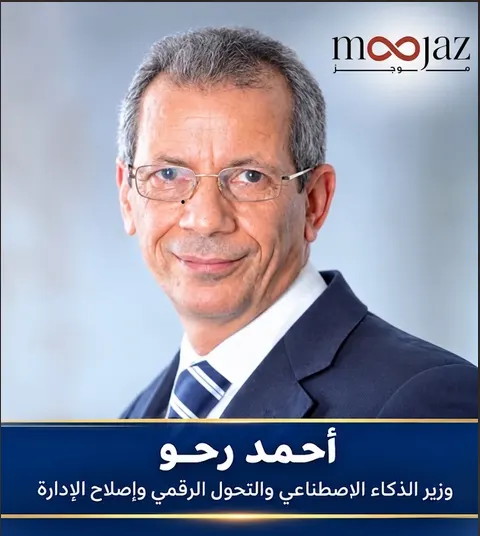
Illustration for this article.

The minister for artificial intelligence, digital transition and administrative reform distinguished technology providers from the situations in which their tools may be used. He described defining permitted and prohibited uses rather than negotiating with providers.

According to the minister, the text remains under consideration and discussion. The interview does not establish an adopted framework, an implementation date or a definitive list of bans. This clarification adds to the public-sector tools already presented to Parliament; it does not mean a new law is in force.
Sources 1

AI: Rahhou outlines public assistants and startup financing targeting 2.5 billion dirhams

Addressing MPs on 16 November 2026, Ahmed Rahhou presented AI assistants being developed for businesses and legal research, alongside a startup financing mechanism targeting 2.5 billion dirhams.

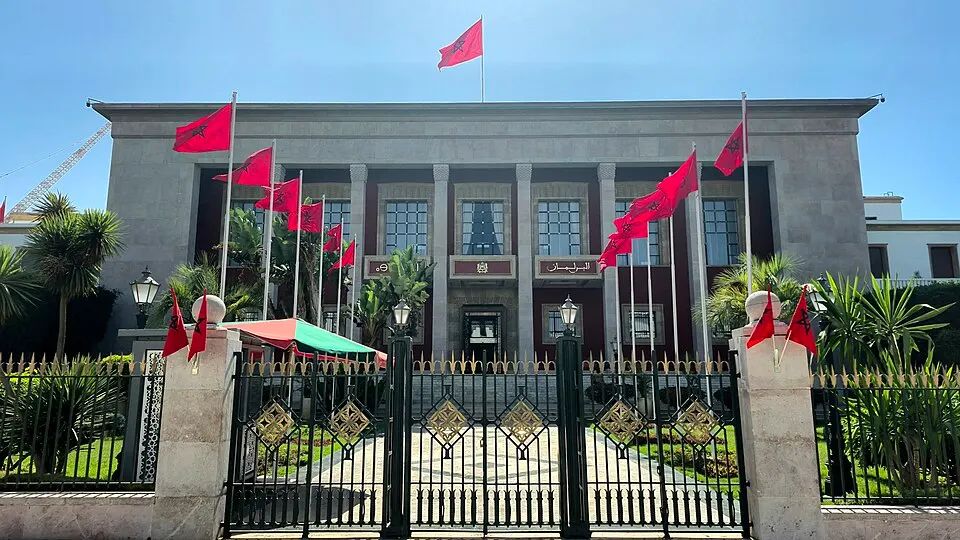
Parliament building in Rabat.
Archive, August 2025; not the sitting. Taha ahh / Commons, CC0 1.0. — Taha ahh / Wikimedia Commons — CC0 1.0 https://creativecommons.org/publicdomain/zero/1.0/ — photo du 8 août 2025, redimensionnement uniquement.

MAP’s report says four components of the Jazari network should begin operating shortly. Le Nouvelliste describes trials in government bodies, with staff training and impact assessment before expansion.

These statements concern projects. They establish neither disbursement of the 2.5 billion dirhams nor general availability of the assistants. The announced financing targets startups; it is not an amount already spent exclusively on AI.

Sources 3

Ahmed Rahhou outlines Morocco’s AI projects and calls for a regulated framework

Ahmed Rahhou outlined government plans for administrative uses of artificial intelligence and an organised framework for them before a House of Representatives committee on 10 November 2026.

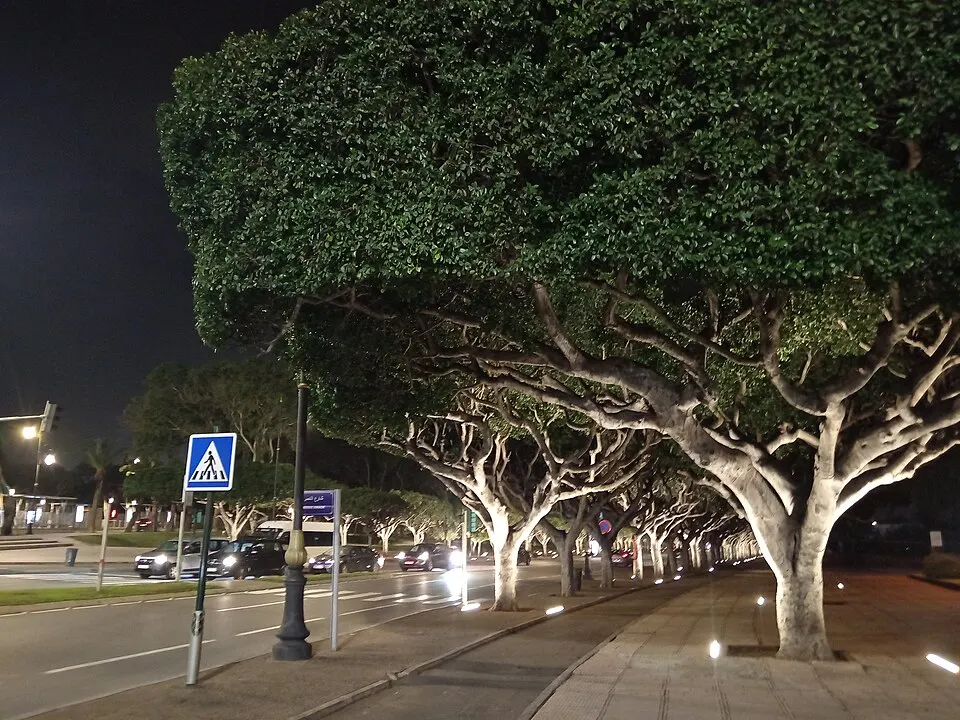
Rabat at night.
Rabat, January 2026. Archive illustration, not the meeting. CAPTAIN RAJU / Wikimedia Commons, CC0; resized. — CAPTAIN RAJU / Wikimedia Commons — CC0 https://creativecommons.org/publicdomain/zero/1.0/ ; 31 janvier 2026, redimensionnée.

Hespress reports a “Morocco AI 2030” roadmap built around sovereignty, innovation and adoption. TelQuel, citing Al3omk and Alyaoum24, describes assistants for public-service users and entrepreneurs, alongside work on data and Moroccan Arabic.

L’Opinion also reports a priority to stop asking citizens for documents already held by the administration. These presentations set out objectives and projects; they do not establish that a new law has been adopted or that the announced tools are generally available.

Sources 3

Timeline — Morocco: AI governance and public services · Moojaz