Kim calls for broader use of tactical nuclear weapons
North Korean state media reported on November 26 that Kim Jong Un inspected nuclear facilities and called for expanding the missions of tactical nuclear weapons.
Regions
The region’s most significant developments
Newest to oldest
North Korean state media reported on November 26 that Kim Jong Un inspected nuclear facilities and called for expanding the missions of tactical nuclear weapons.
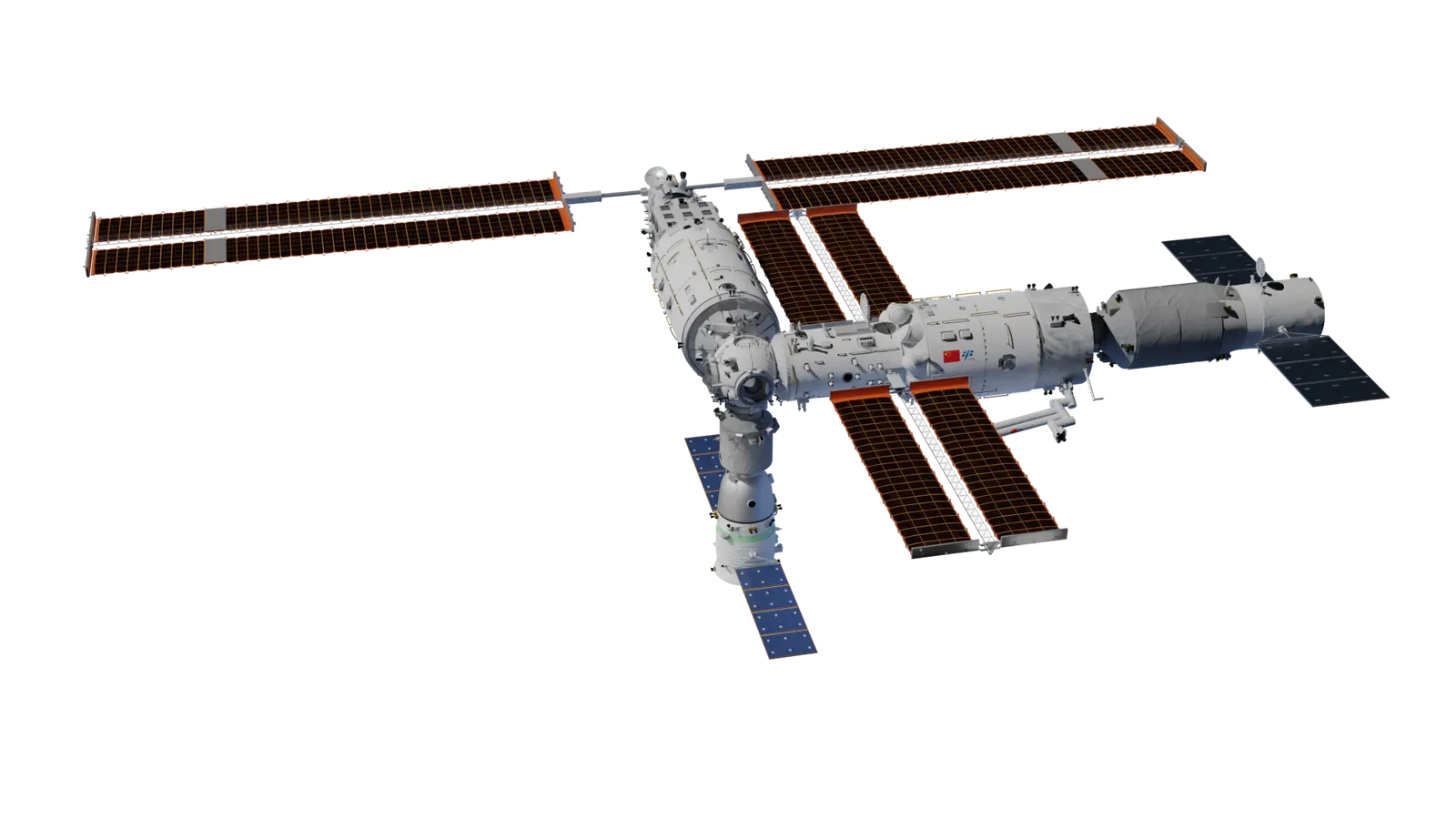
China launched Shenzhou-24 on 25 November with two Chinese astronauts and Pakistan's Muhammad Zeeshan Ali, the first foreign astronaut headed to its space station.
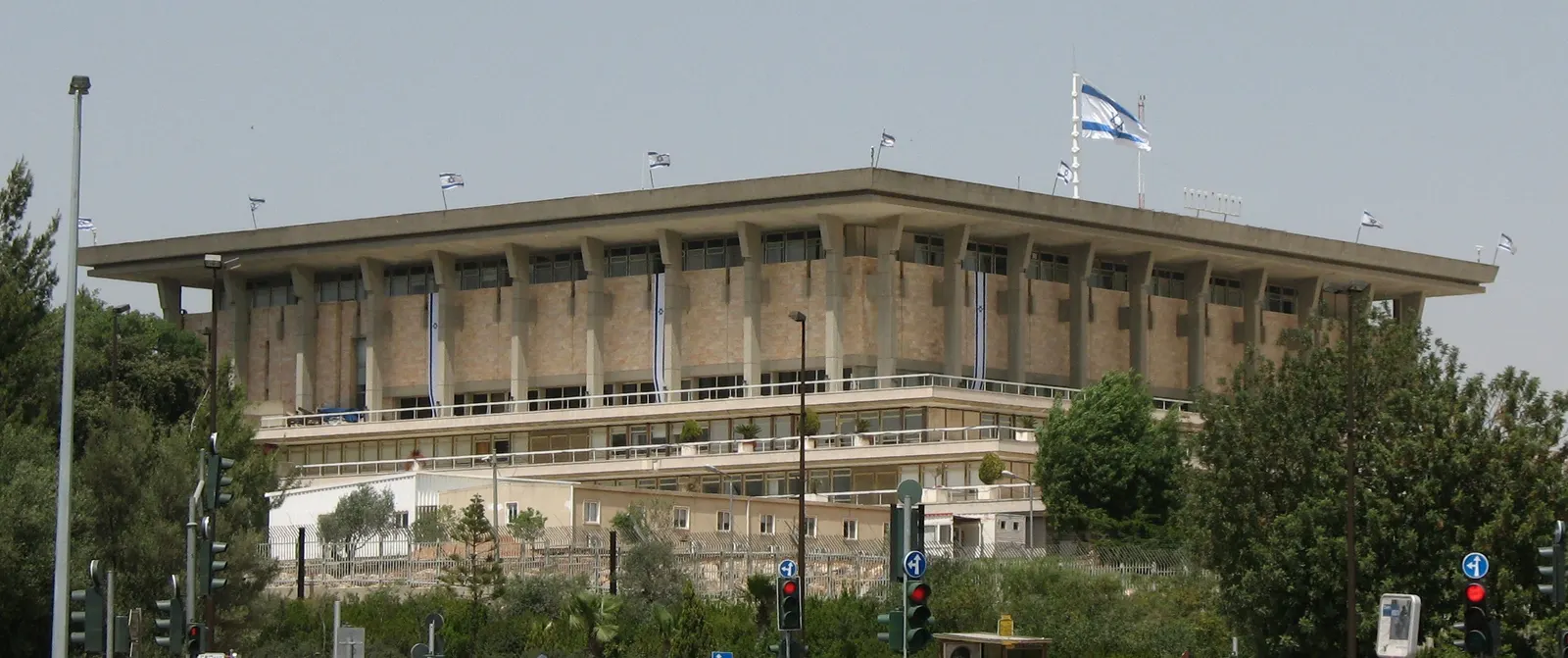
Israel’s parliament approved a bill in a preliminary reading on 25 November to establish a state commission of inquiry into the 7 October 2023 attacks and the subsequent war.
On November 25 the United States proposed new tariffs targeting 14 economies, including China, Japan, South Korea and India, following investigations into industrial excess capacity.
The Saudi-led coalition said it struck Houthi operational capabilities at Yemen’s Hodeidah port on 25 November.
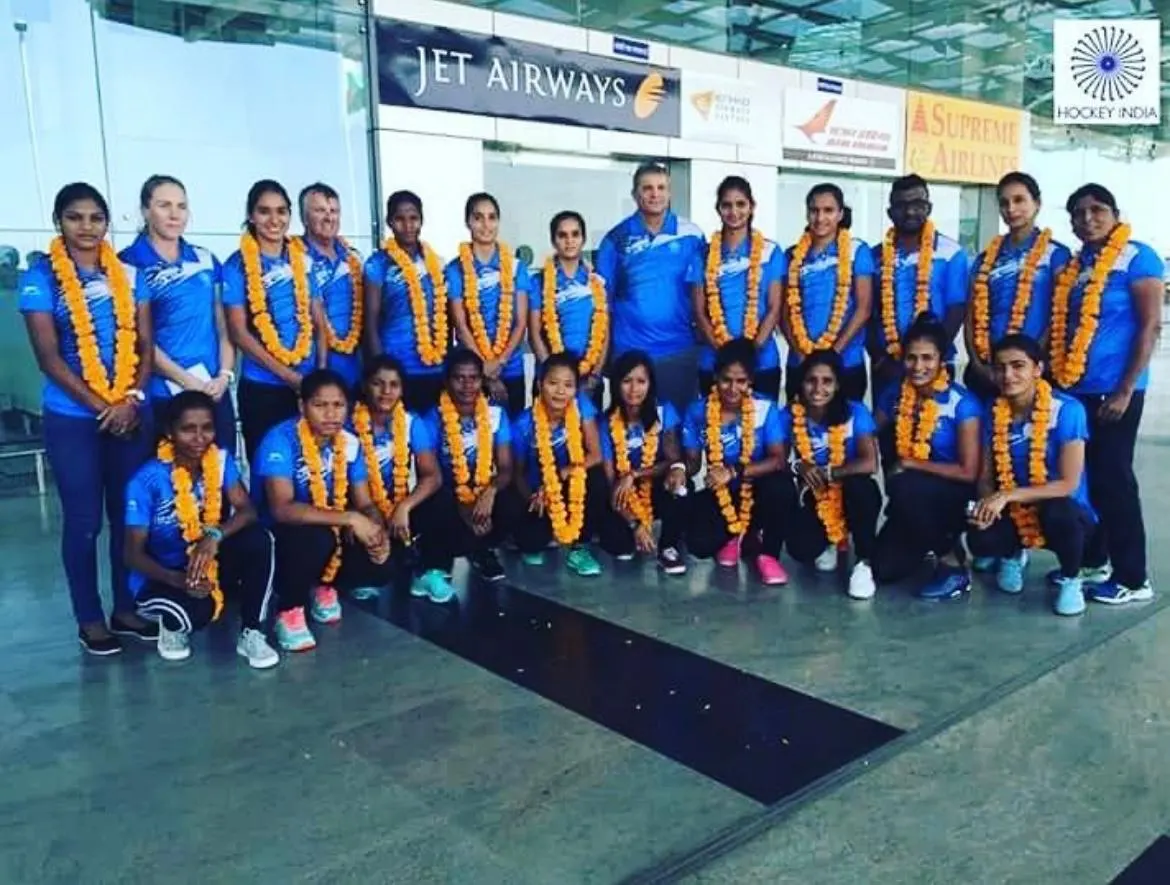
India beat China 6–2 in Bhopal on 24 November in the round-robin stage of the Women’s Asian Champions Trophy field hockey tournament.
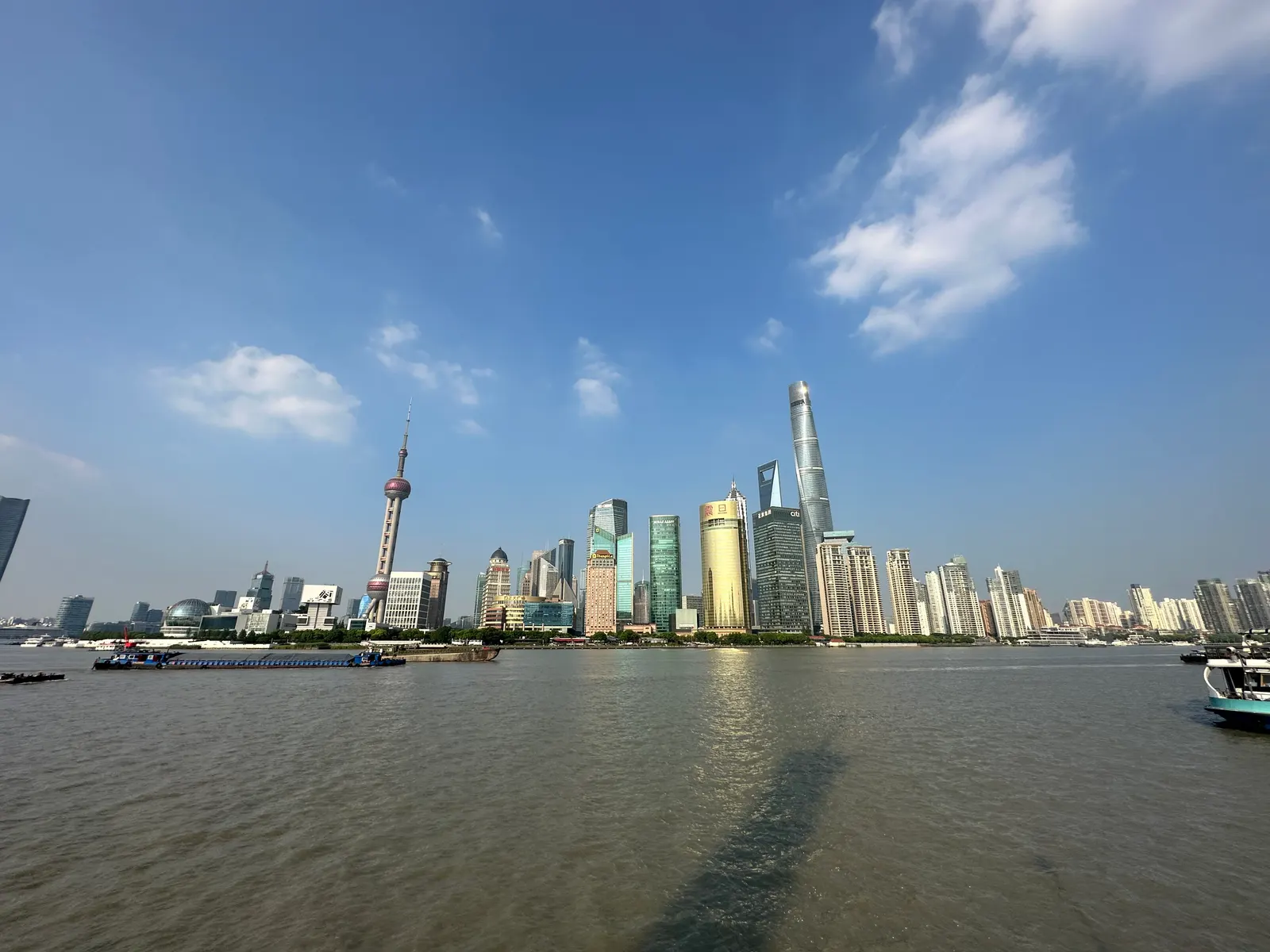
China announced an investigation on 24 November into Chen Jining, Shanghai Communist Party chief and a Politburo member.
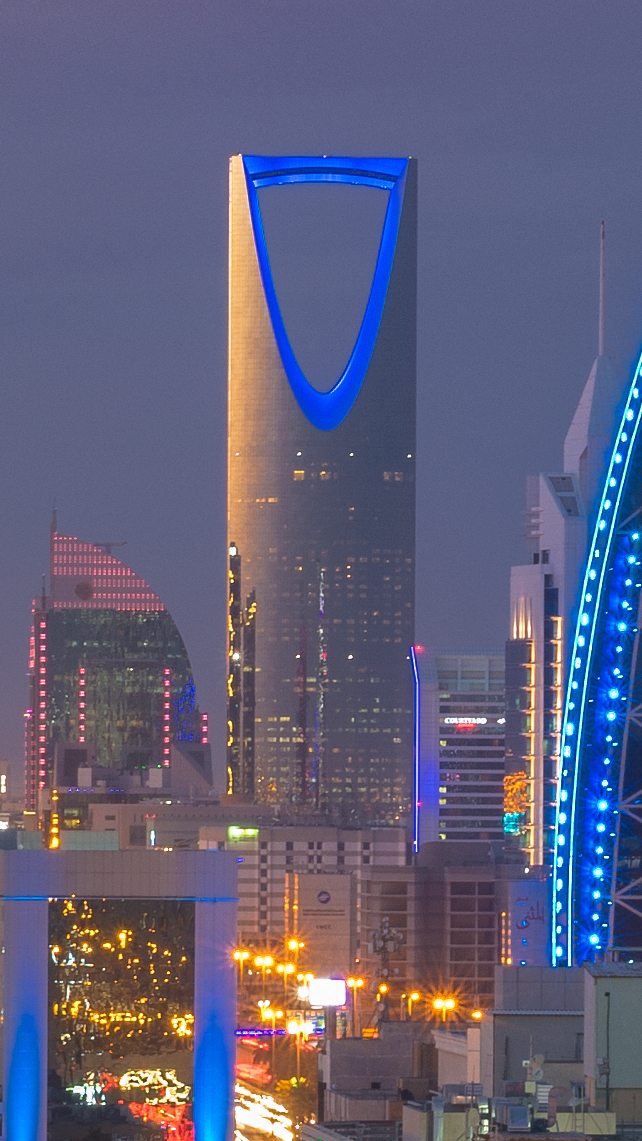
Saudi Arabia adopted its 2027 budget on 24 November, projecting spending of 1,392.1 billion riyals and a deficit of 190.56 billion.
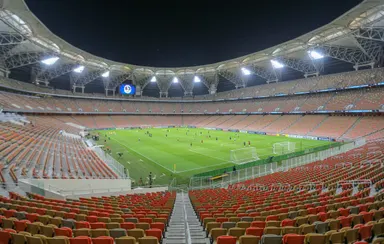
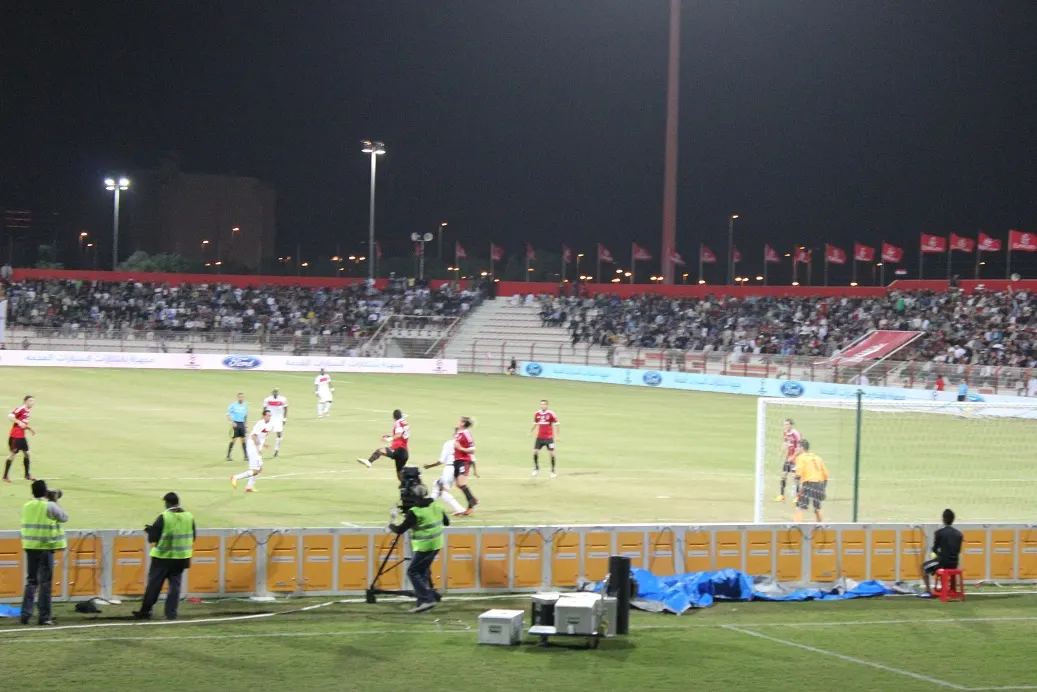
Saudi club Al Qadsiah defeated Shabab Al Ahli 5–1 in Dubai on 24 November in matchday five of the AFC Champions League Elite.
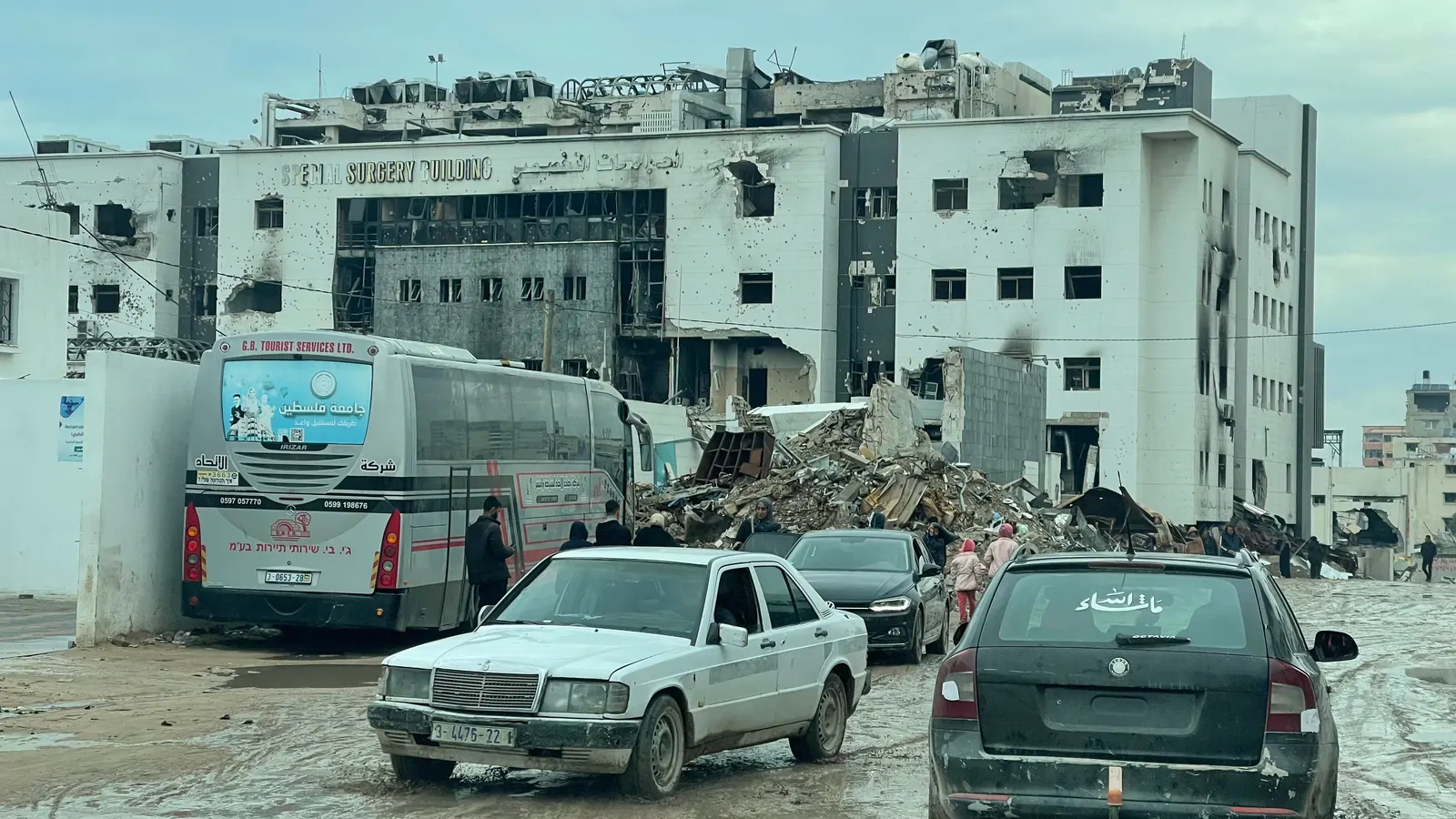
Gaza’s health ministry declared an epidemic alert on 24 November after a rise in meningitis cases. It reported 272 infections in October alone.
Gadi Eisenkot’s Yashar party and Avigdor Lieberman’s Yisrael Beiteinu announced a coalition agreement on 24 November amid negotiations to form a government.
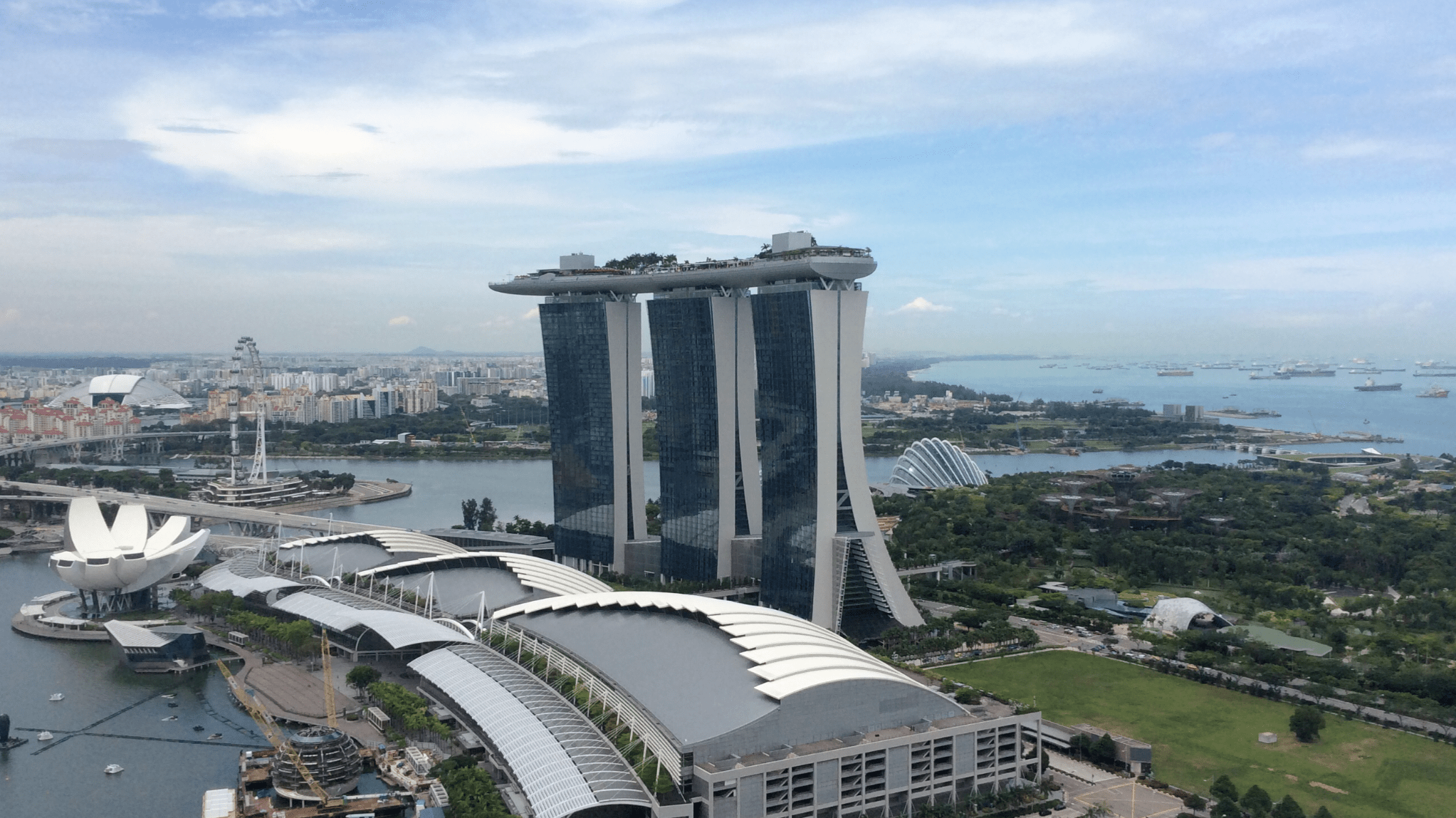
Singapore raised its 2026 growth forecast to around 6% on 24 November, from a previous range of 4.5% to 5.5%. Its economy grew 6.1% year on year in the third quarter.
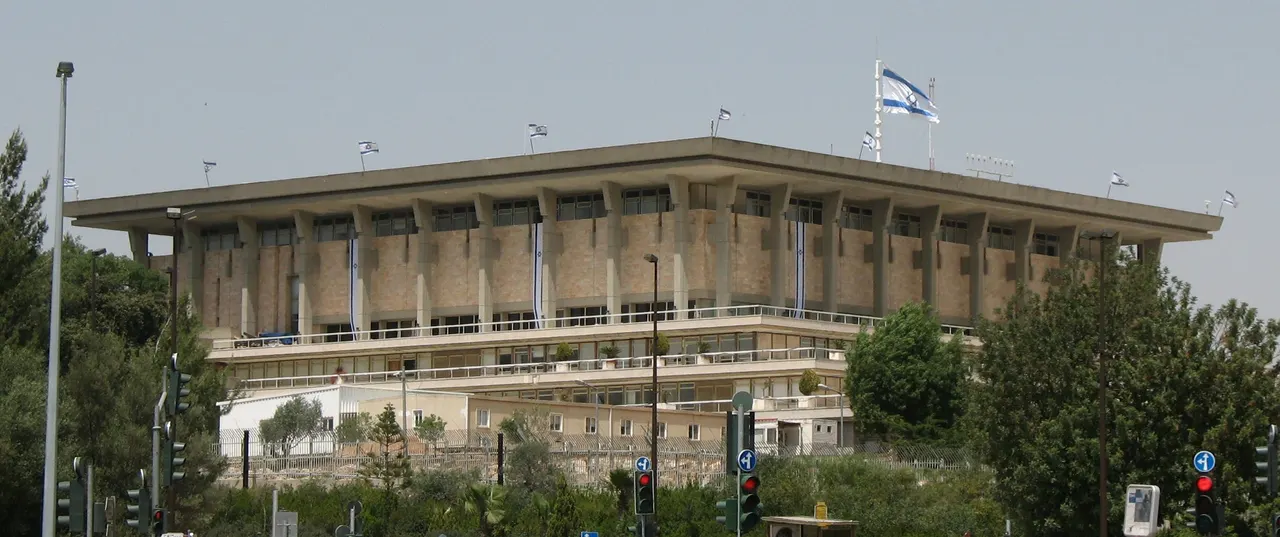
This dossier follows Israel’s 27 October 2026 parliamentary election, from voting to the formation of a majority. It distinguishes opinion polls, vote counting and official results from coalition agreements still to be negotiated.
View file →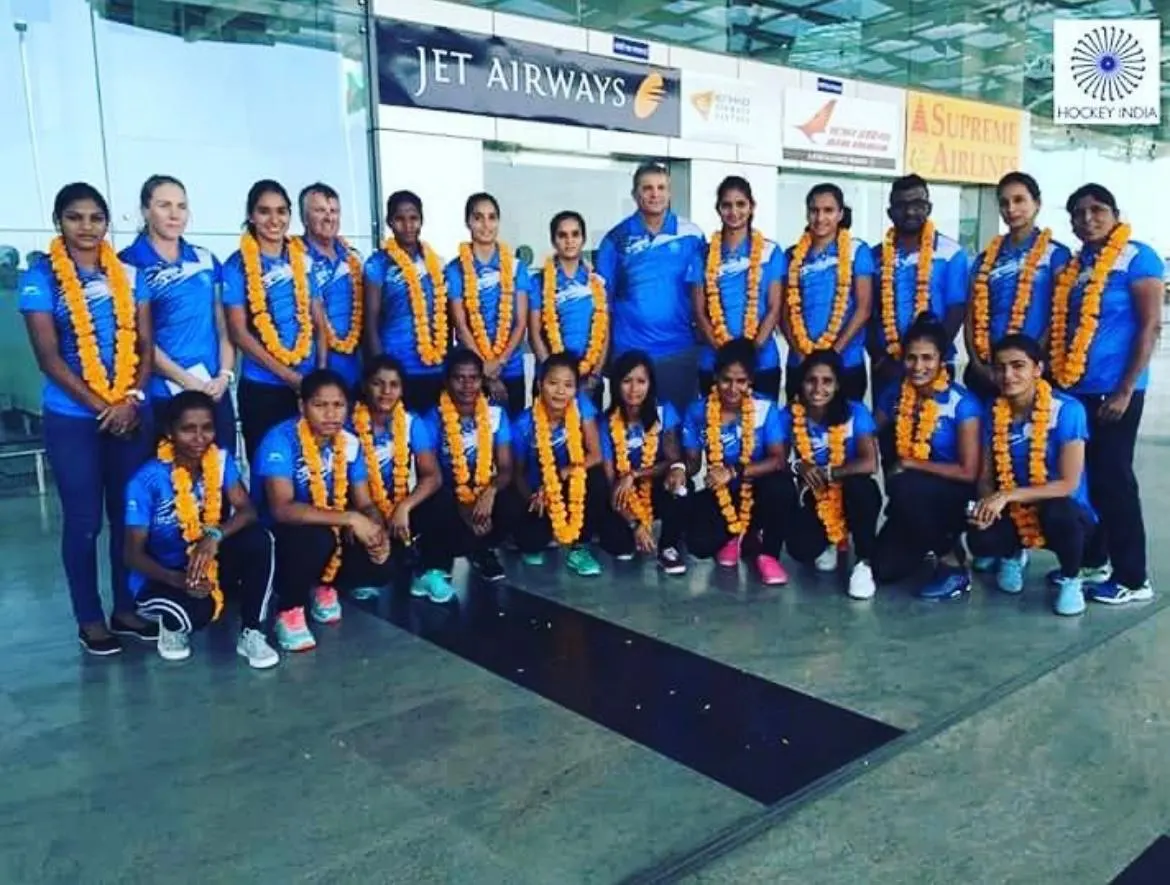
Following results at the Women’s Asian Champions Trophy field hockey tournament in Bhopal.
View file →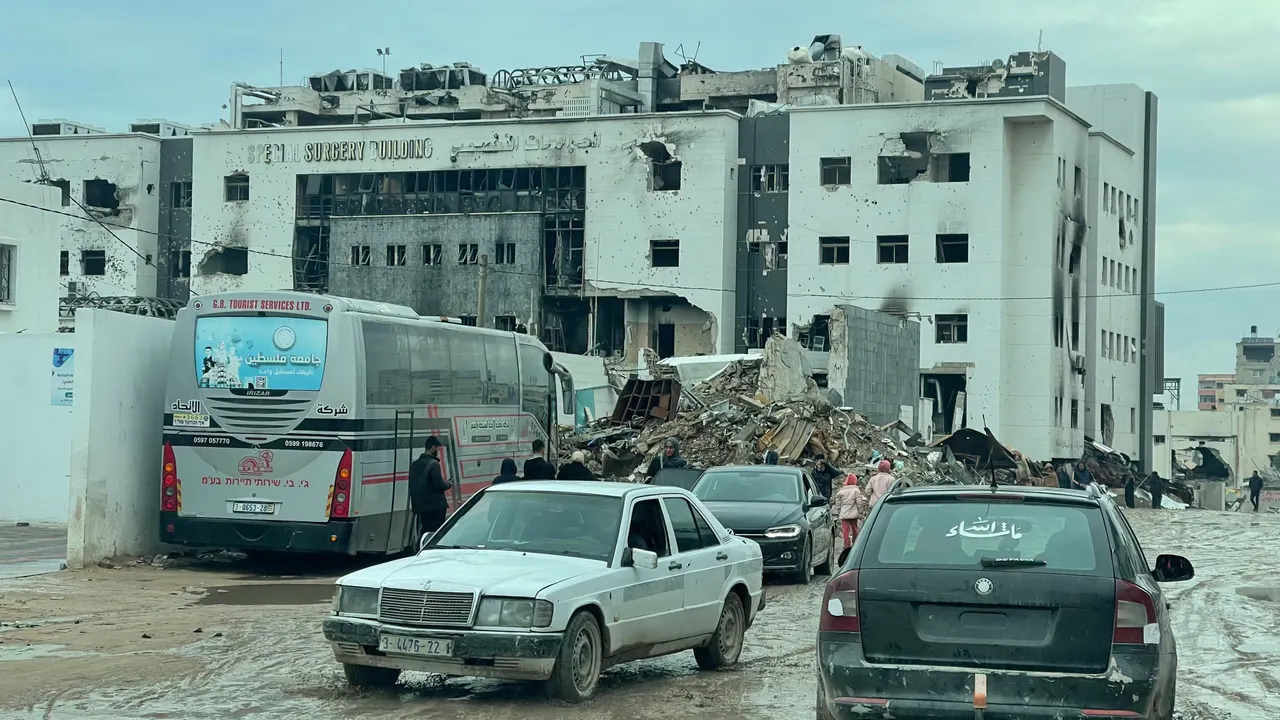
This dossier follows health warnings and care needs in Gaza, distinguishing findings attributed to health bodies from independently established totals.
View file →
Following Mali’s campaign at the 2026 U17 World Cup in Qatar.
View file →
This dossier traces the Russia–Ukraine war from the seizure of Crimea and the start of fighting in the Donbas in 2014, through the full-scale invasion of 24 February 2022 and its military, diplomatic, economic and humanitarian consequences. It distinguishes recognised sovereignty, claimed annexations and actual military control. Earlier milestones explain relations between the two states since Ukrainian independence in 1991: the 1994 Budapest security assurances, the 1997 friendship treaty, the 2003 Tuzla crisis, gas disputes and the 2010 Kharkiv agreements. The suspension of preparations for the European Union agreement in November 2013 opens the Euromaidan crisis. These antecedents are distinguished from the war that began in 2014; each entry links to its sources. The timeline follows Ilovaisk, Donetsk airport, Debaltseve, the Minsk agreements, disengagement attempts, fighting and the humanitarian crisis in Avdiivka in 2017, the trade blockade, detainee exchanges and the Kerch maritime crisis. It then documents the war’s expansion, Ukrainian territorial recaptures, Bakhmut, international justice, grain, energy, external assistance and negotiations. Retrospective investigations are identified and claims remain attributed. This selection of turning points includes canonical occurrences from the archived energy dossier. It expands previously sparse years without providing an exhaustive daily record: local fighting, successive sanctions, all weapons deliveries and population displacement are not detailed. Cumulative military losses and complete territorial control remain coverage limitations.
View file →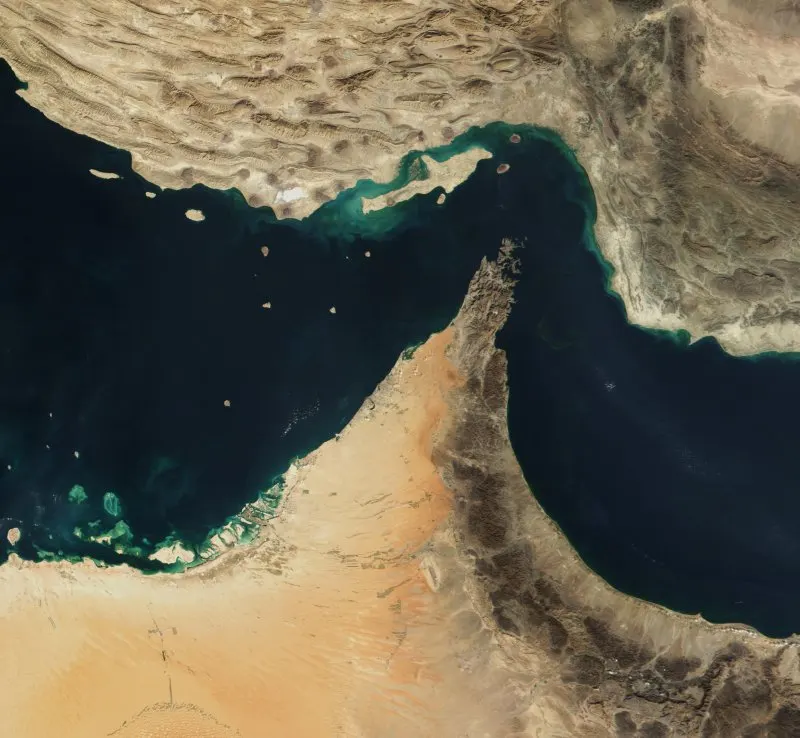
This dossier traces the Islamic Republic of Iran from Ruhollah Khomeini’s return in February 1979: the monarchy’s overthrow, the hostage crisis, the Iran-Iraq War, Ali Khamenei’s succession, sanctions, domestic protests and nuclear negotiations. It also follows regional confrontation through Tehran’s allies, rapprochement with Saudi Arabia and the transition to direct Iran-Israel attacks in 2024. The twelve-day war of June 2025 is distinguished from the conflict opened on 28 February 2026 by US and Israeli strikes. The chronology examines Ali Khamenei’s killing and Mojtaba Khamenei’s succession, civilian victims, regional fronts, energy infrastructure, Hormuz, blockades and attempts at agreement. The Qatari consultations that originally defined this dossier remain integrated into the expanded history. Sourced entries distinguish established facts, announcements, attributed responsibility and unverified outcomes. The reconstruction selects principal milestones rather than recording every military operation. No final, consistent human toll across all theatres is established here. Dates without a known time are ordered by calendar day.
View file →