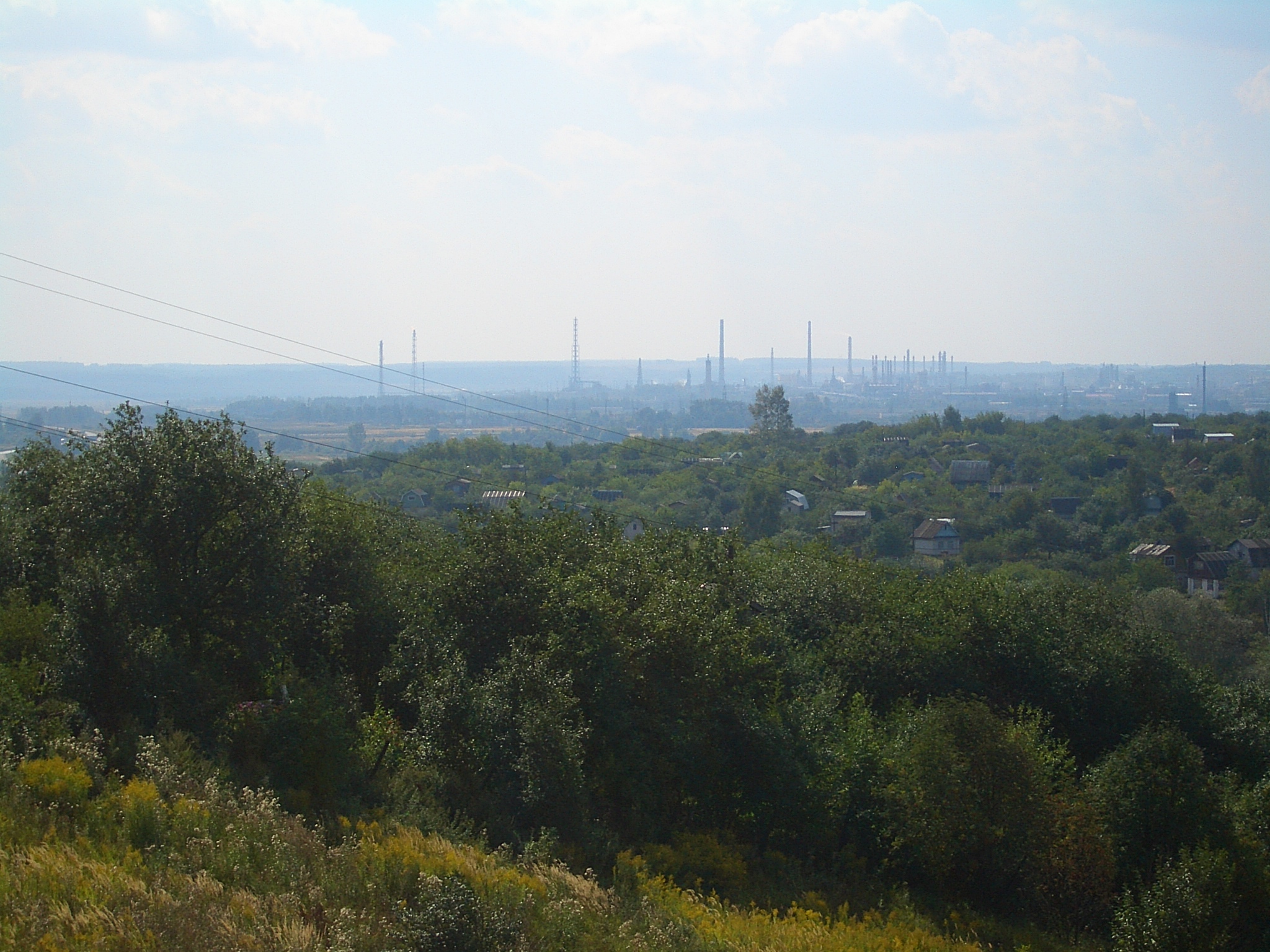
An industrial site in Russia's Kstovo district sustained significant damage in a drone attack overnight into 1 November 2026, according to Nizhny Novgorod governor Gleb Nikitin. Ukrainian sources identify a Lukoil refinery, but that identification has not been independently confirmed.
Residents of Oleshky, a Russian-occupied town in the Kherson region, reached Kyiv-controlled territory on 31 October 2026. Reuters and RBC-Ukraine covered their arrival in the Chernihiv region at the Belarusian border.
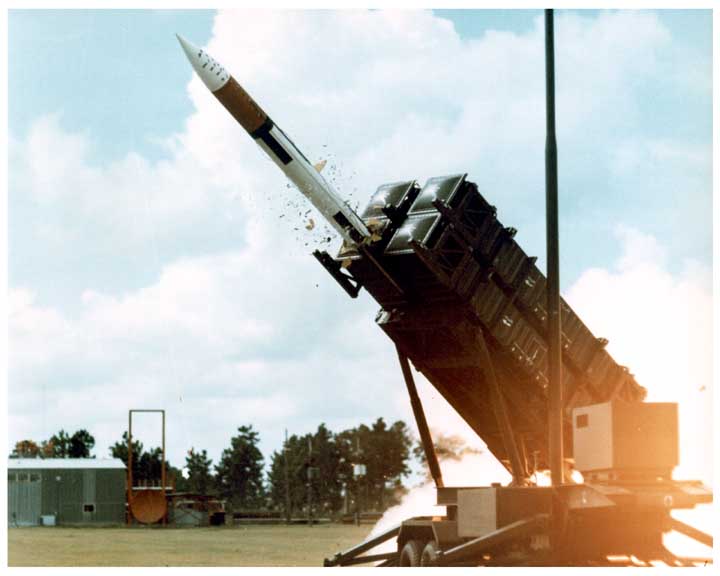
The United States approved a possible sale of 500 Patriot PAC-3 MSE interceptors to Ukraine on 30 October 2026, estimated at $2.1 billion. The authorisation does not mean the missiles have been delivered.
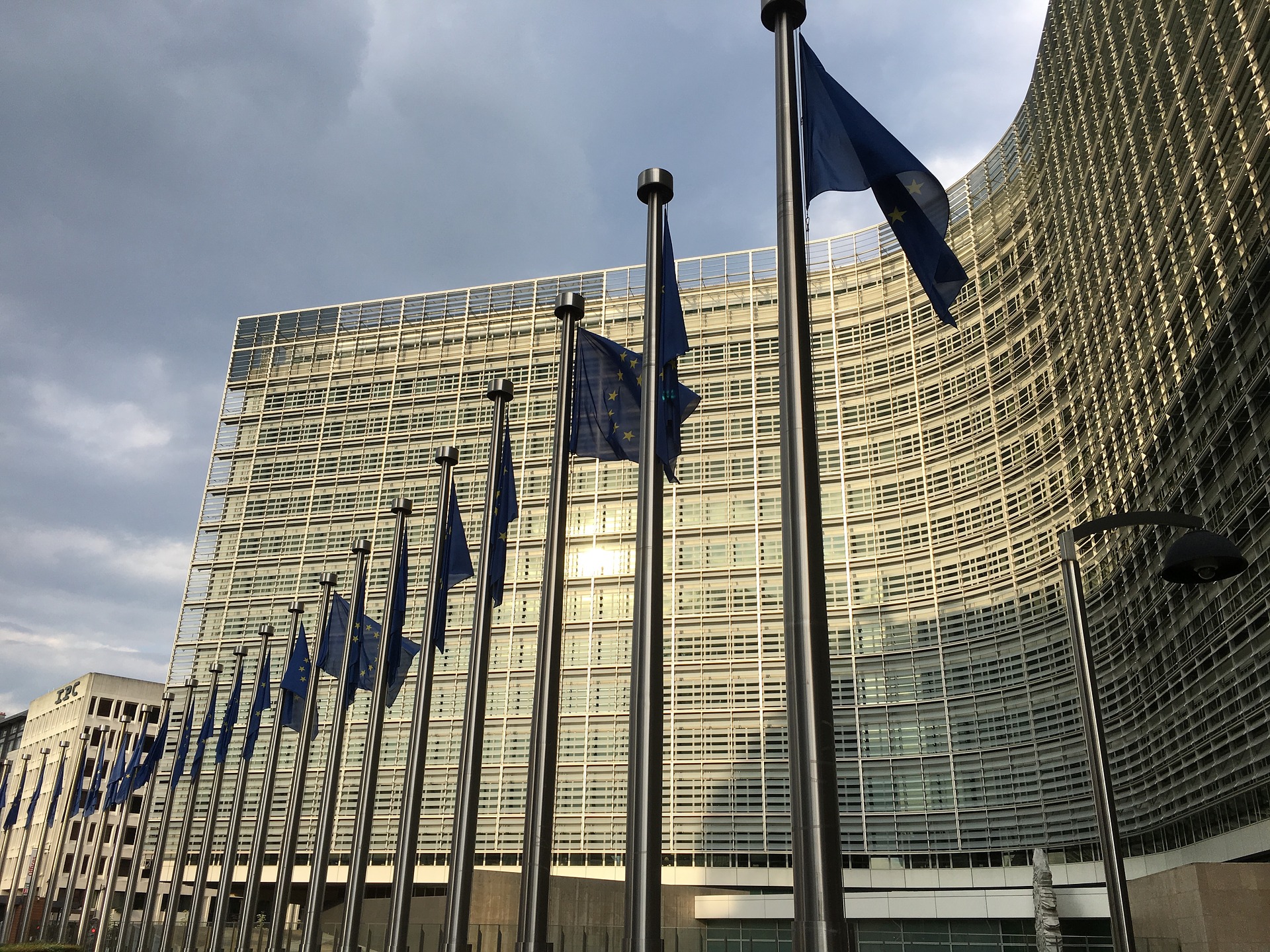
The European Commission proposed on 30 October 2026 the allocation of the remaining €45 billion of the European loan for Ukraine for 2027. The arrangement still requires adoption by the Council of the EU before disbursements.
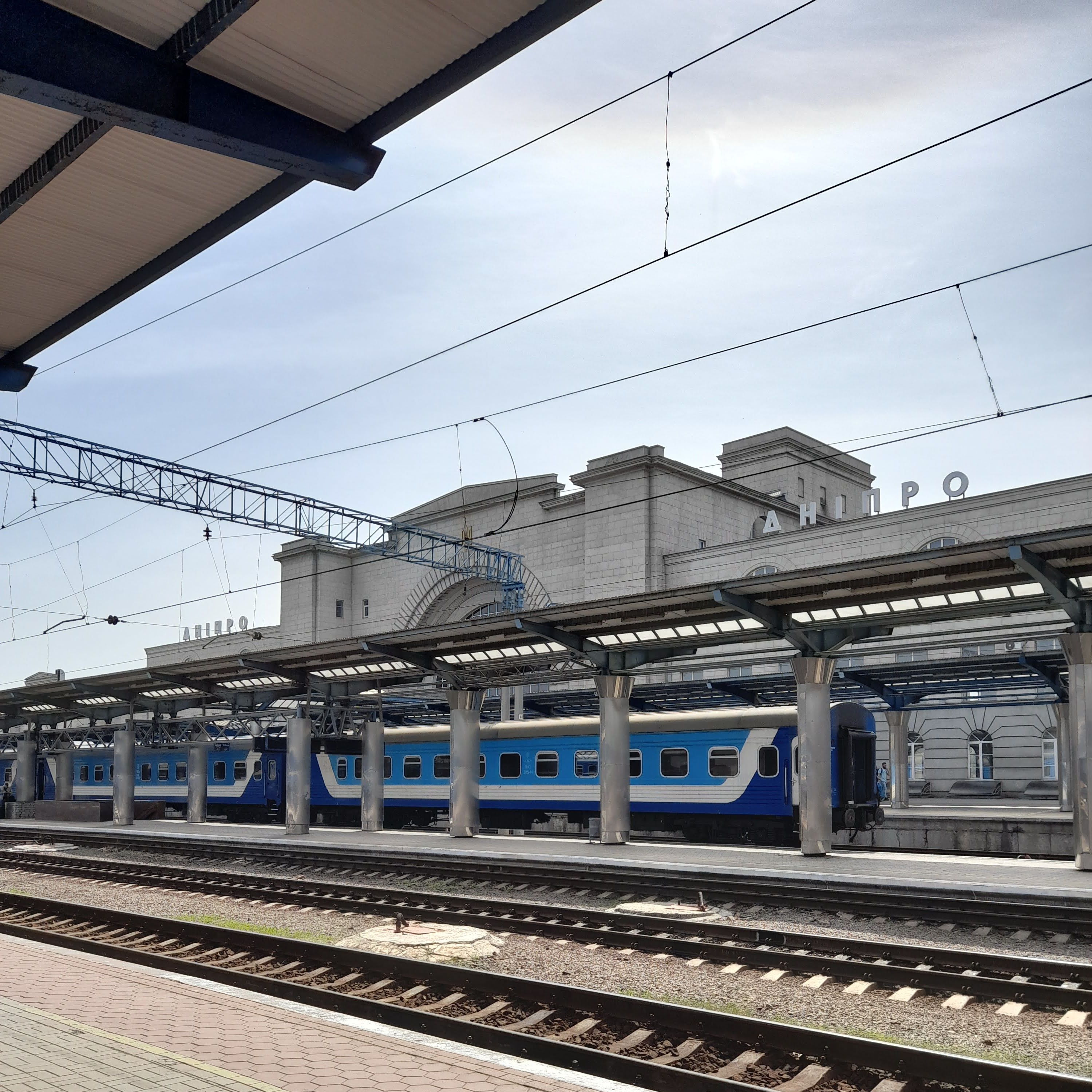
At least 14 people were killed and 14 injured in a drone strike on a railway platform in Dnipro on 29 October 2026, Ukrainian authorities said. They attribute the attack to Russia.
Ukrainian and Russian human rights ombudsmen said separately on 28 October 2026 that no incidents had been recorded during the first thirty hours of the local truce in Oleshky. The town in Ukraine’s Kherson region is under Russian occupation.
The Council of the European Union announced eight decisions on 26 October mobilising about €4.9 billion for Ukraine through the European Peace Facility. Most of the funding concerns military assistance already delivered.
On 16 October 2026, AP reports, citing officials, Russian strikes across nine Ukrainian regions, with at least fifteen people injured and emergency power outages.
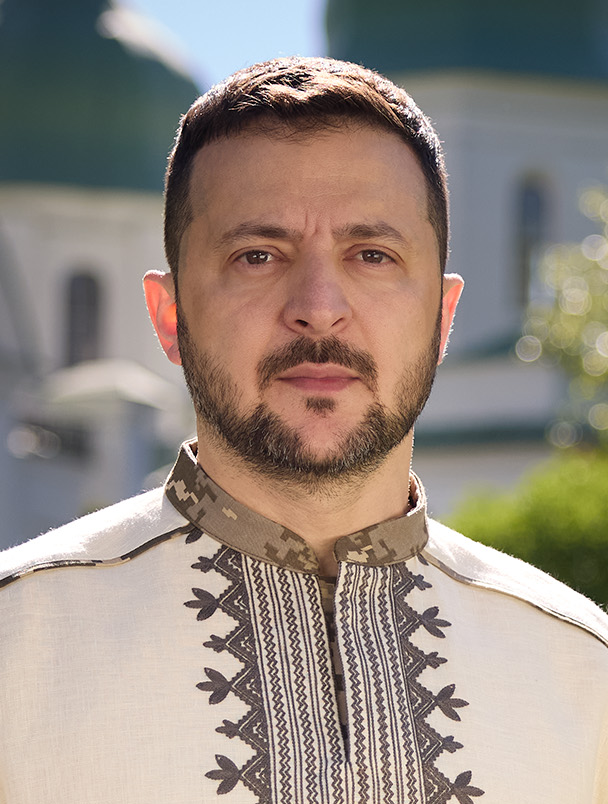
Volodymyr Zelensky announced the resumption of Ukrainian strikes on Russian refineries in a Financial Times interview published on October 15, 2026. Reuters reports a refinery fire in Russia’s Ryazan region the same day, citing its governor.
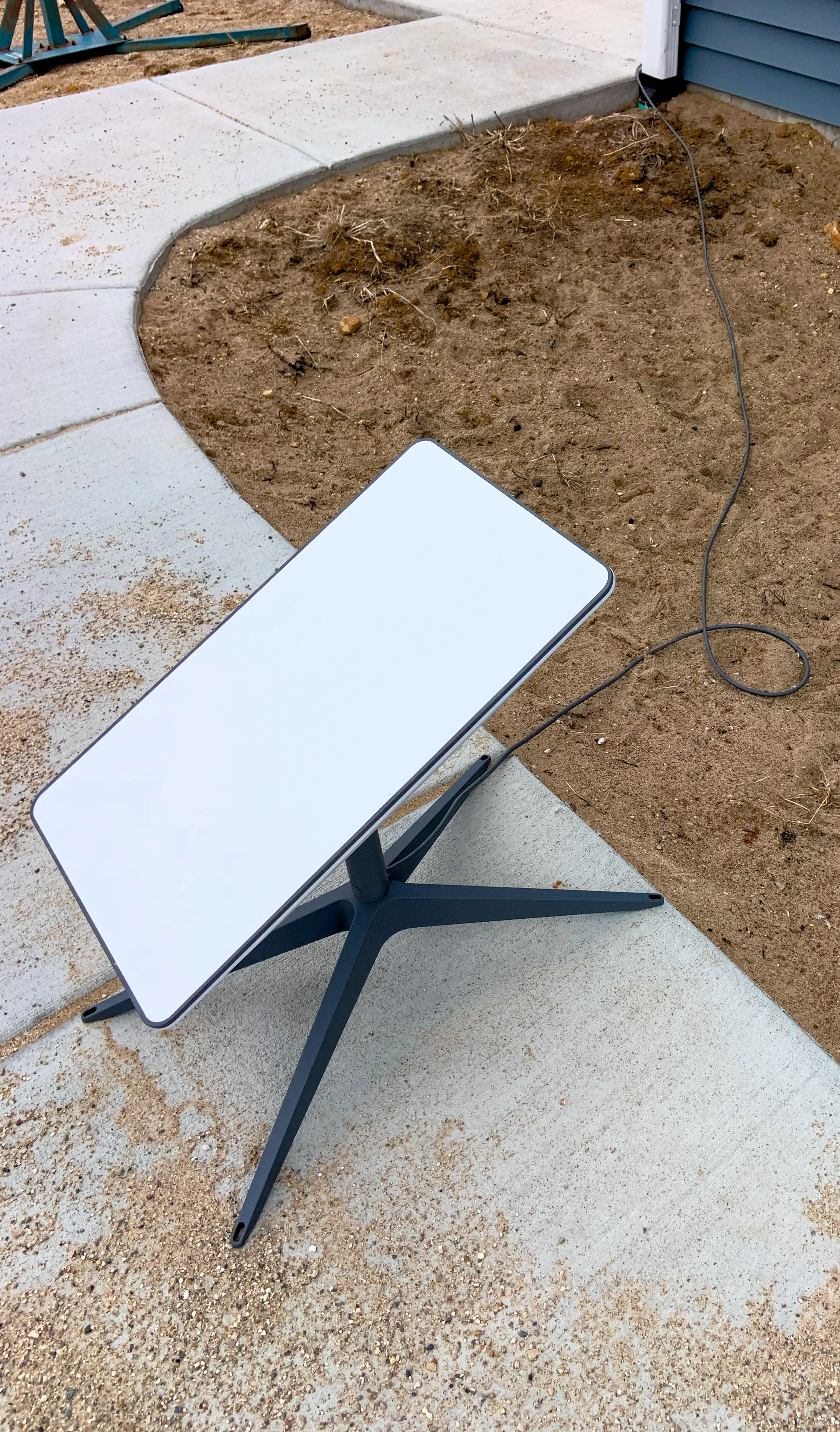
On 15 October 2026, a Ukrainian Defense Ministry source told the Kyiv Independent that Starshield service on the move had been restored. The military version of SpaceX’s satellite connection had faced restrictions the previous day.
On 15 October 2026, the UN Human Rights Monitoring Mission publishes its verified September toll: at least 328 civilians killed and 2,105 injured in Ukraine.
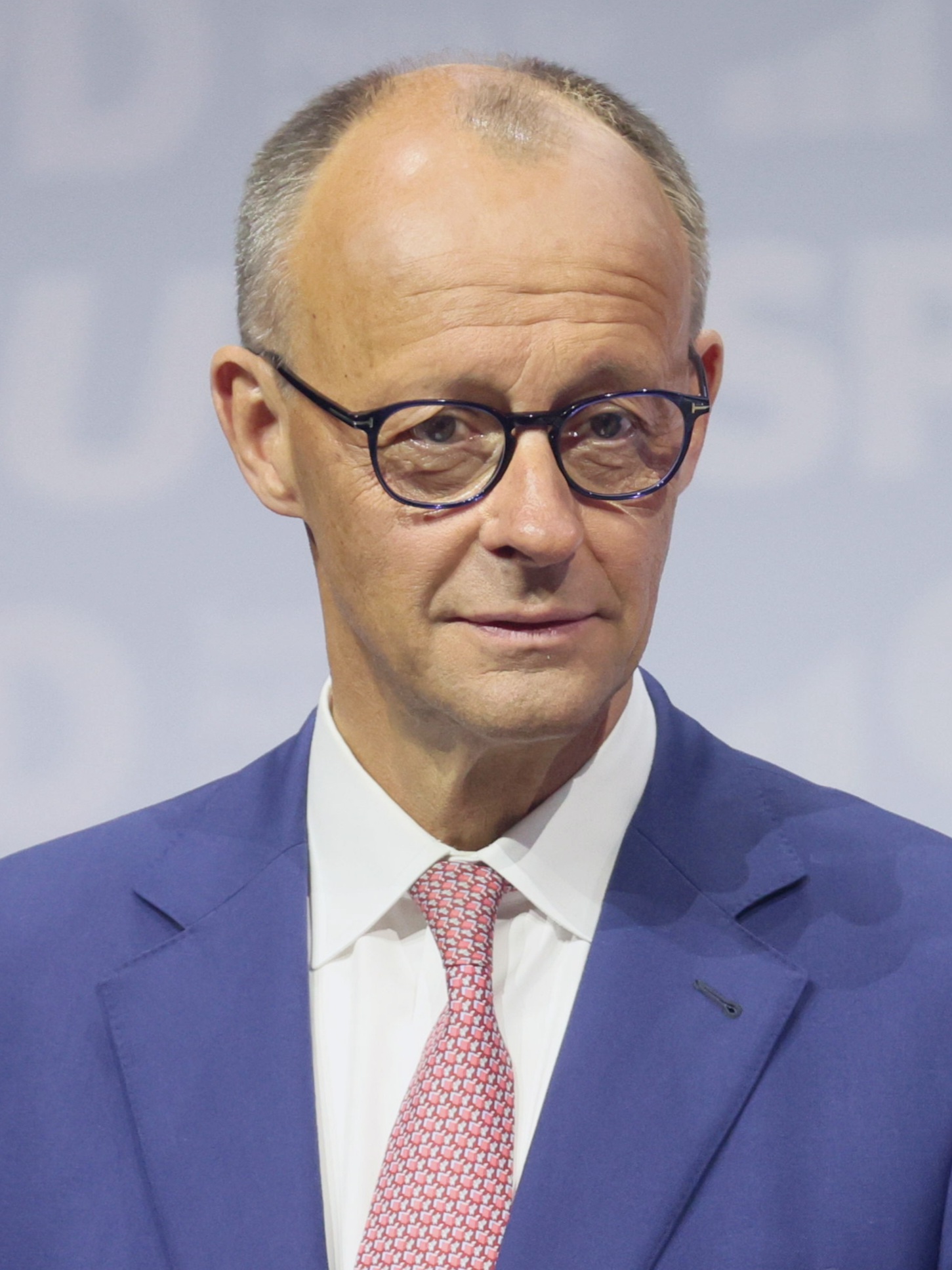
In Brussels on 15 October 2026, Friedrich Merz said Russian assets frozen in Europe should remain under European control, Reuters reports. Petteri Orpo also rejected releasing them, according to the Kyiv Independent.
This dossier traces the Russia–Ukraine war from the seizure of Crimea and the start of fighting in the Donbas in 2014, through the full-scale invasion of 24 February 2022 and its military, diplomatic, economic and humanitarian consequences. It distinguishes recognised sovereignty, claimed annexations and actual military control.
Earlier milestones explain relations between the two states since Ukrainian independence in 1991: the 1994 Budapest security assurances, the 1997 friendship treaty, the 2003 Tuzla crisis, gas disputes and the 2010 Kharkiv agreements. The suspension of preparations for the European Union agreement in November 2013 opens the Euromaidan crisis. These antecedents are distinguished from the war that began in 2014; each entry links to its sources.
The timeline follows Ilovaisk, Donetsk airport, Debaltseve, the Minsk agreements, disengagement attempts, fighting and the humanitarian crisis in Avdiivka in 2017, the trade blockade, detainee exchanges and the Kerch maritime crisis. It then documents the war’s expansion, Ukrainian territorial recaptures, Bakhmut, international justice, grain, energy, external assistance and negotiations. Retrospective investigations are identified and claims remain attributed.
This selection of turning points includes canonical occurrences from the archived energy dossier. It expands previously sparse years without providing an exhaustive daily record: local fighting, successive sanctions, all weapons deliveries and population displacement are not detailed. Cumulative military losses and complete territorial control remain coverage limitations.