Kim calls for broader use of tactical nuclear weapons
North Korean state media reported on November 26 that Kim Jong Un inspected nuclear facilities and called for expanding the missions of tactical nuclear weapons.
Sections
Latest news in this section
Newest to oldest
North Korean state media reported on November 26 that Kim Jong Un inspected nuclear facilities and called for expanding the missions of tactical nuclear weapons.
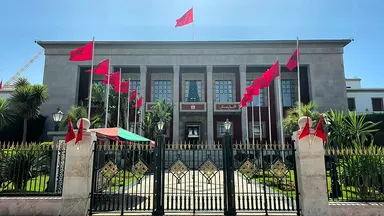
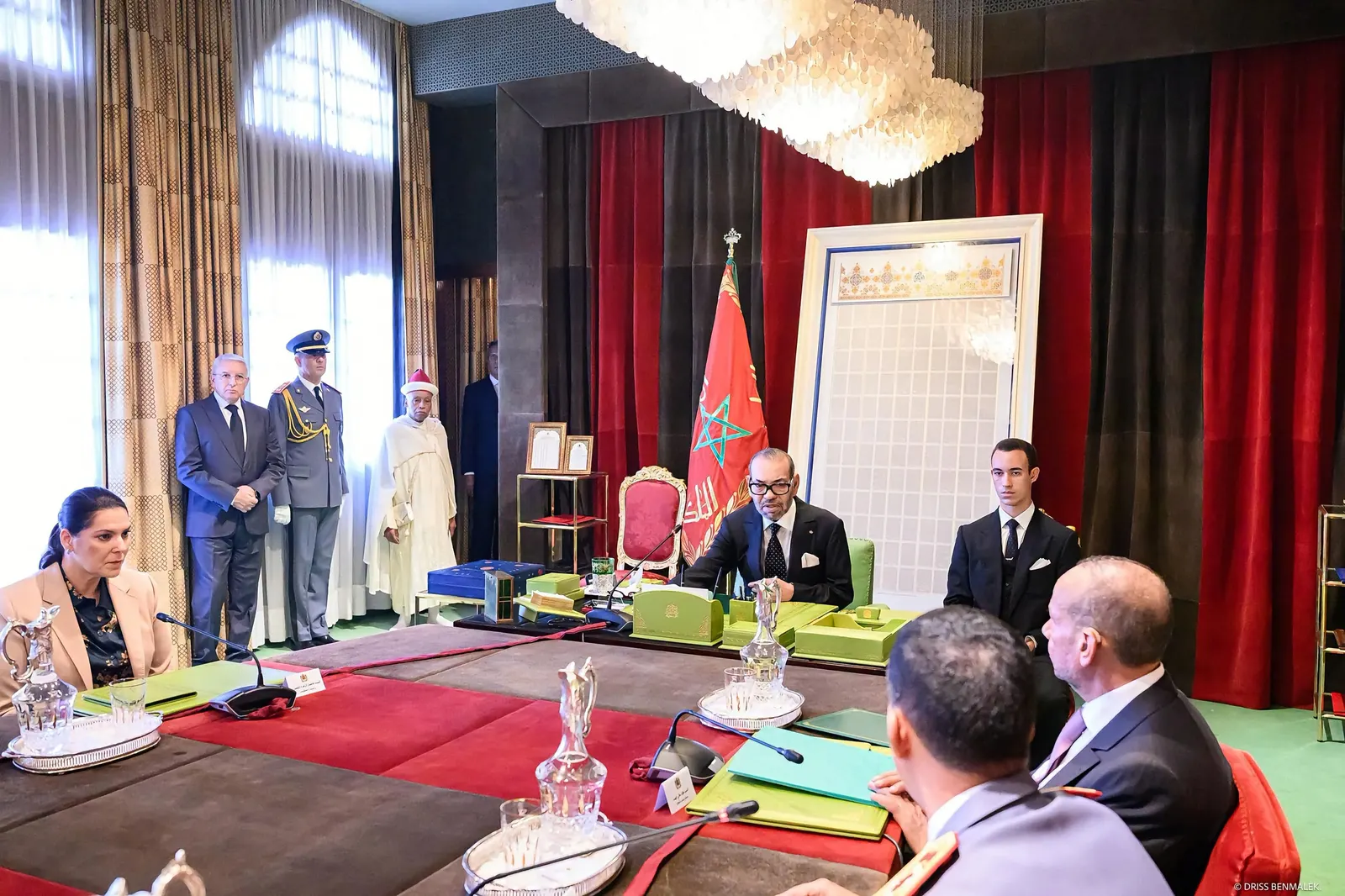
Two framework agreements to fund and deploy Morocco’s defence and security industry were signed in Rabat on 25 November at a ceremony chaired by King Mohammed VI.
The Saudi-led coalition said it struck Houthi operational capabilities at Yemen’s Hodeidah port on 25 November.
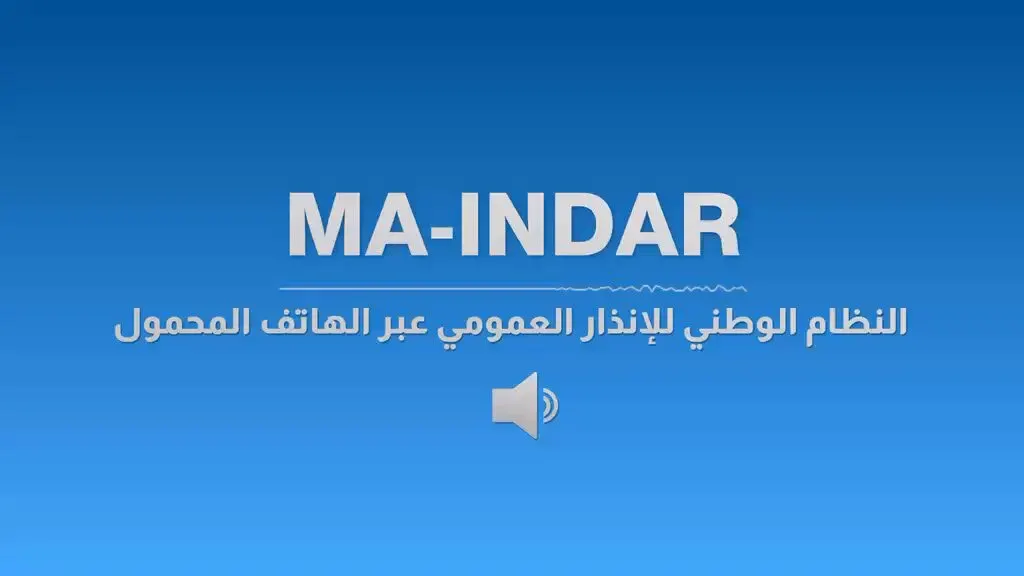
The Interior Ministry has announced field tests of its mobile public warning system in several areas before its planned December launch.
Indonesian police confirmed on 23 November that 24 distinct bodies had been recovered after a fire at a candy factory in Cikande, Banten province. Searches continue for missing people.
Airstrikes hit telecommunications facilities in Hodeidah, western Yemen, on Monday, November 23. Houthi-run health authorities said eight people were killed and 19 wounded.
The Houthis said on November 22 that they had targeted Saudi Arabia’s Rabigh refinery and scored a direct hit, a claim that could not be independently verified.
On 22 November, OpenRouter said it had removed three providers from its platform and excluded 125 endpoints from its zero data retention programme.
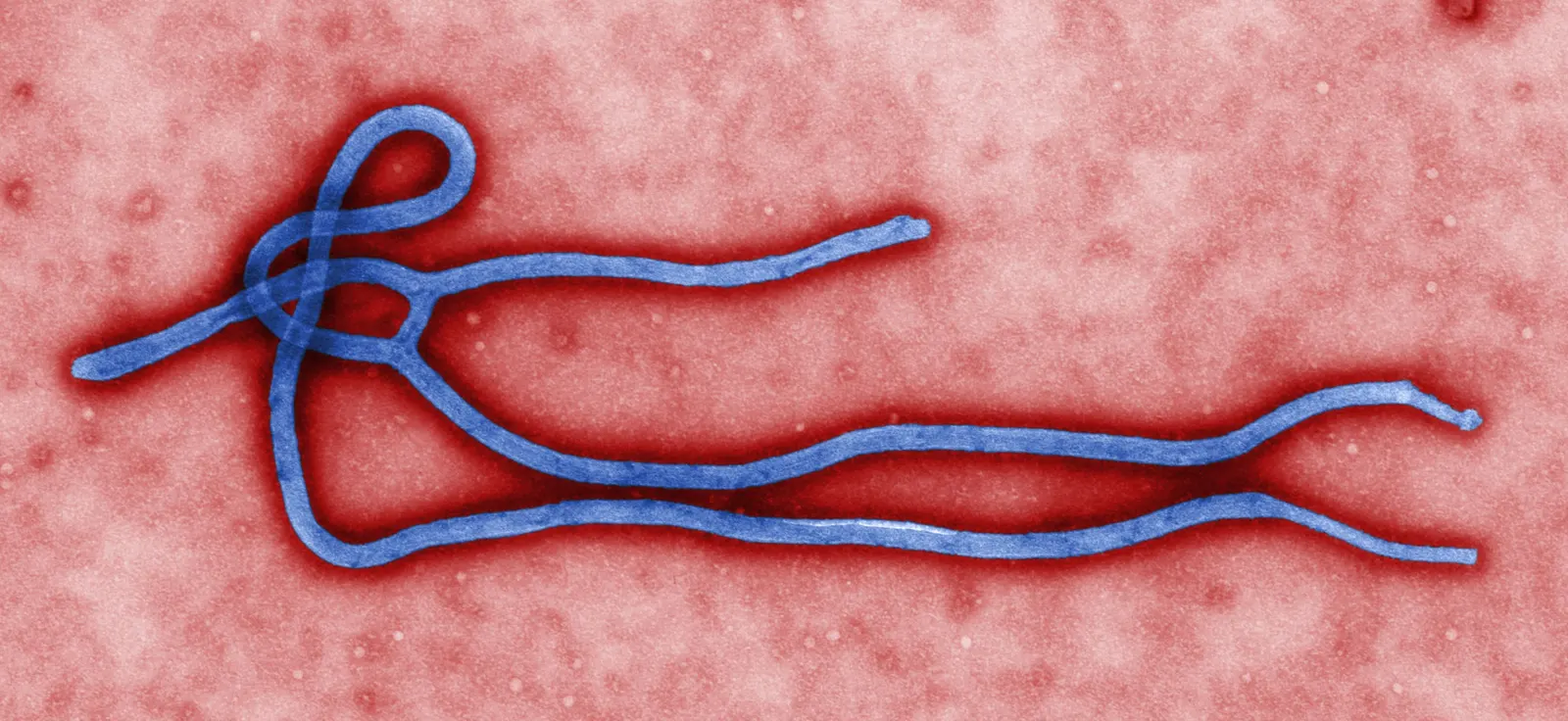
The World Health Organization called on November 22 for the safe evacuation of health workers and Ebola response partners who had sheltered for more than 24 hours in a hospital in Ituri, DR Congo, amid nearby fighting.
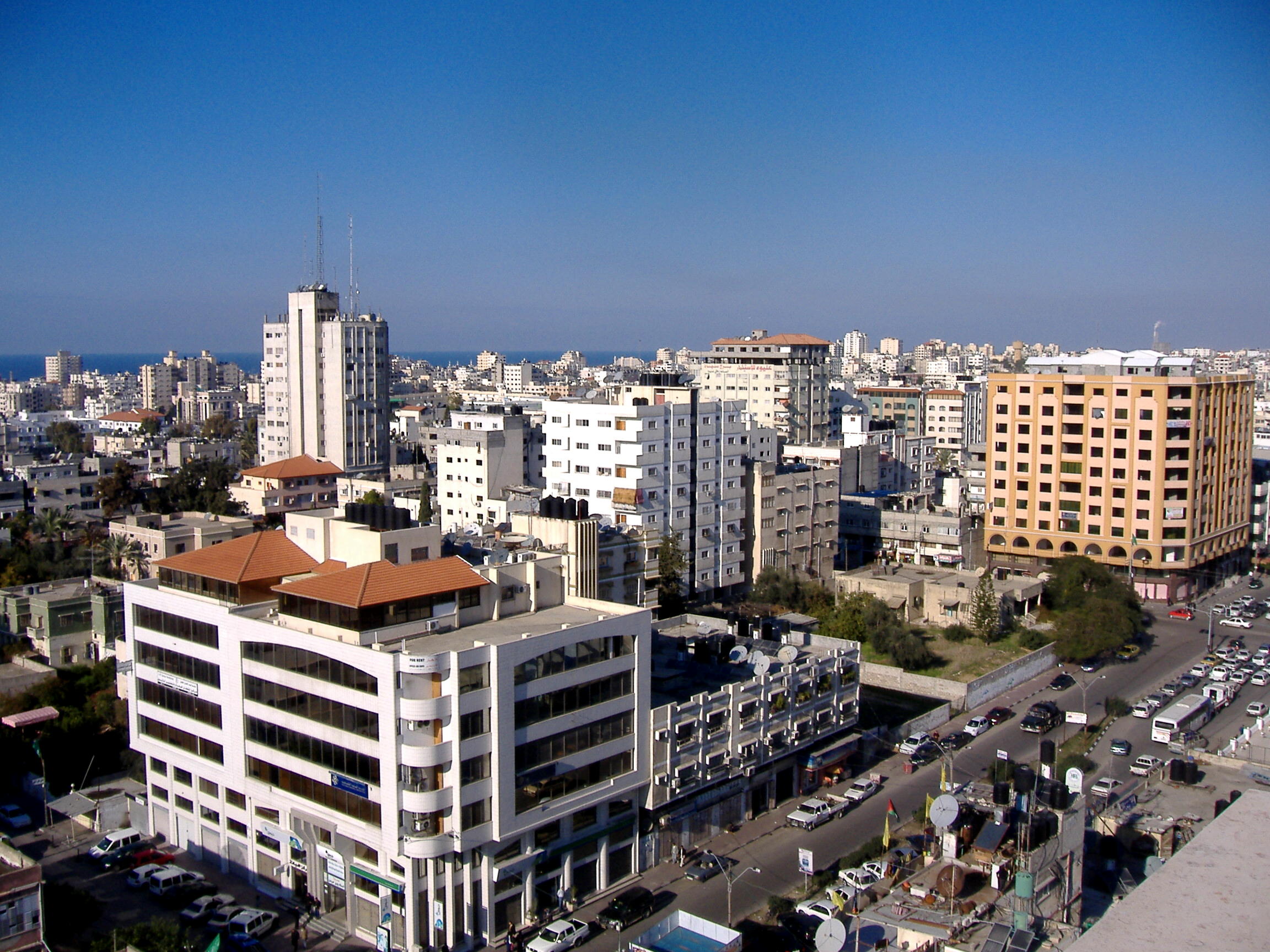
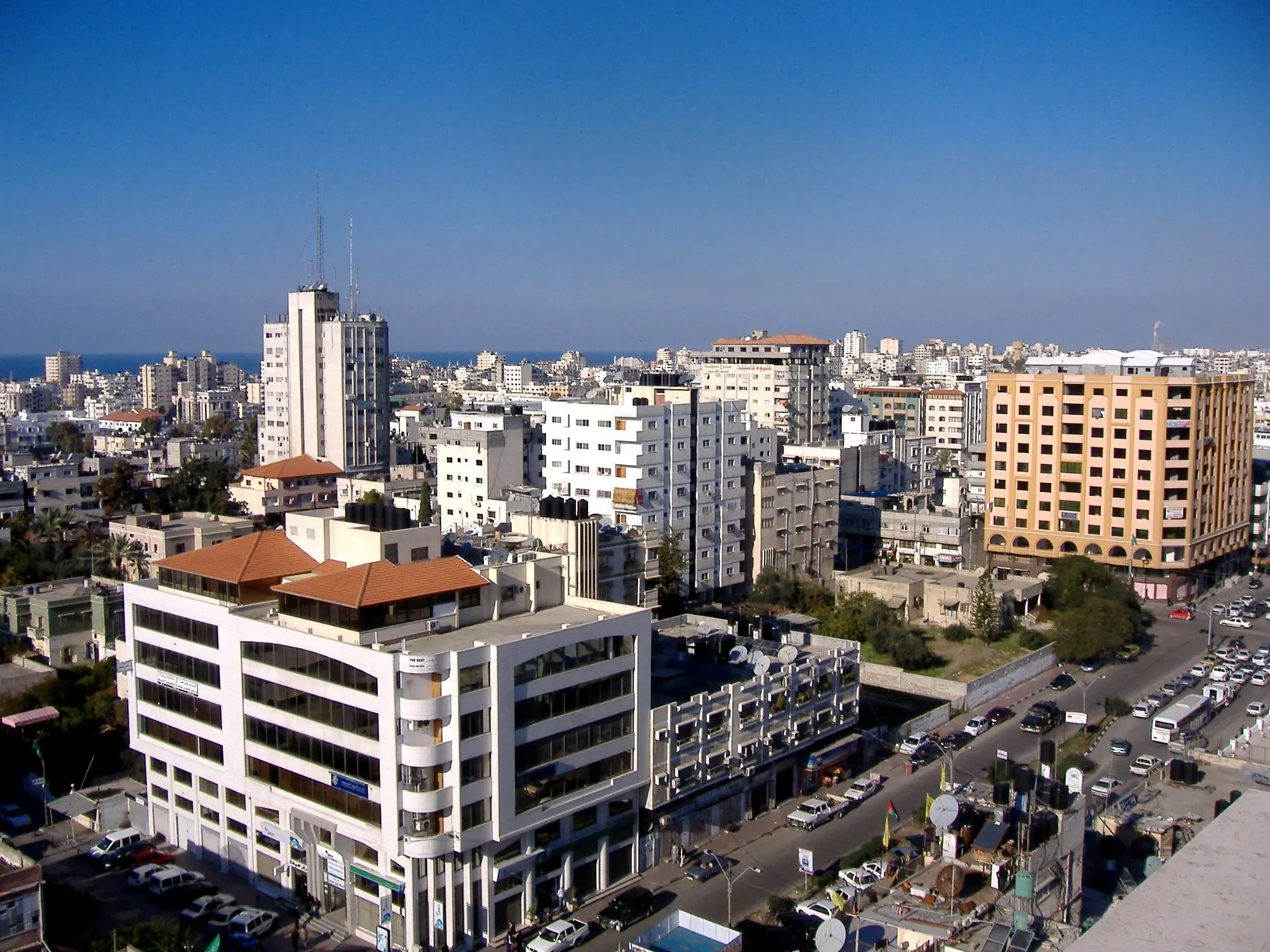
An Israeli strike killed three Palestinians in a vehicle carrying meals for displaced people in Gaza City on 21 November, according to medical sources and witnesses.
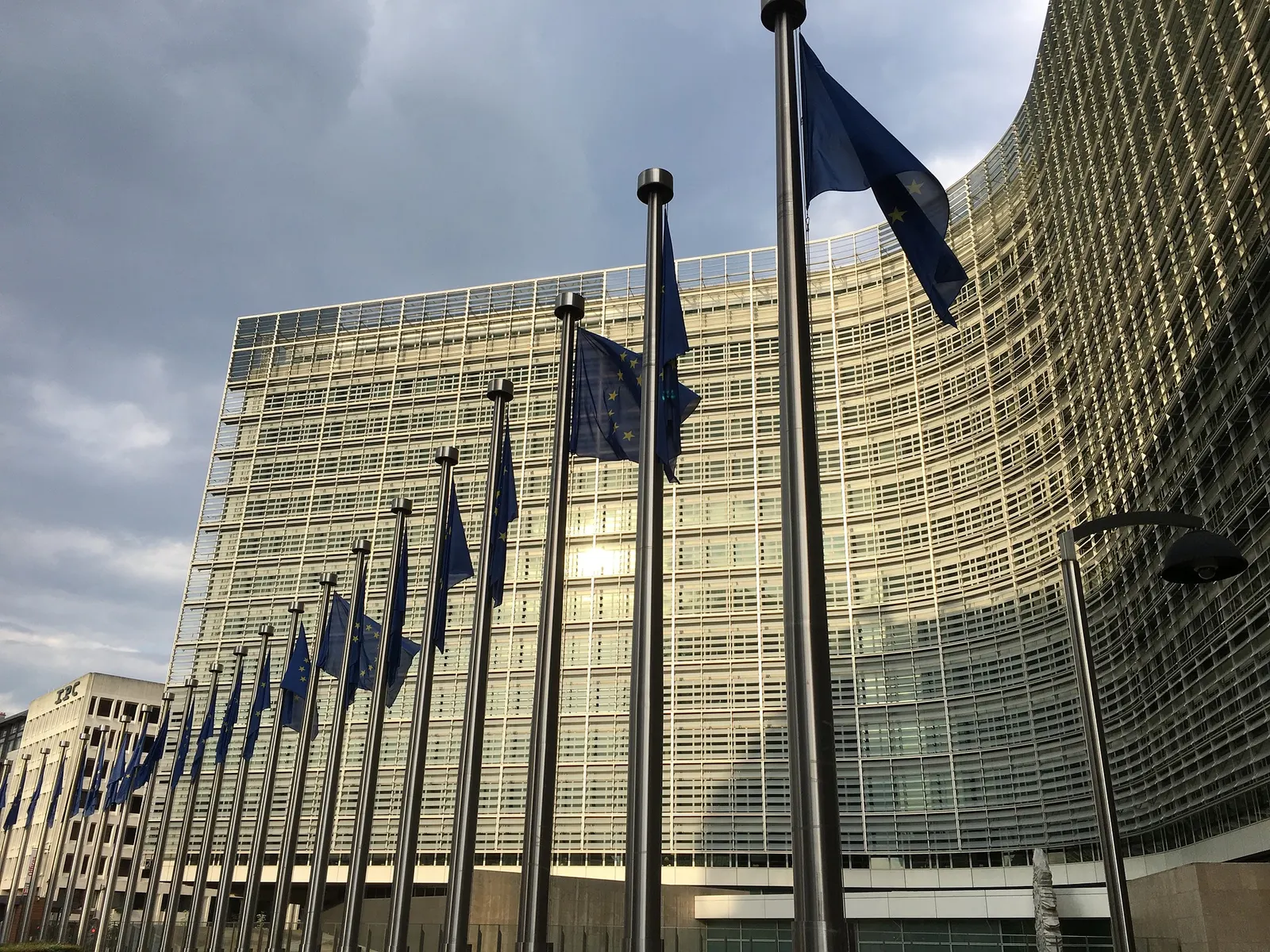
The European Commission confirmed on 19 November that it was targeted in October by a cyber campaign using artificial intelligence. The investigation into its effects remains open.
The Indian and Japanese defence ministers welcomed the signing of a letter of intent on 19 November in Tokyo to prepare for Japanese forces to use Indian firing ranges.
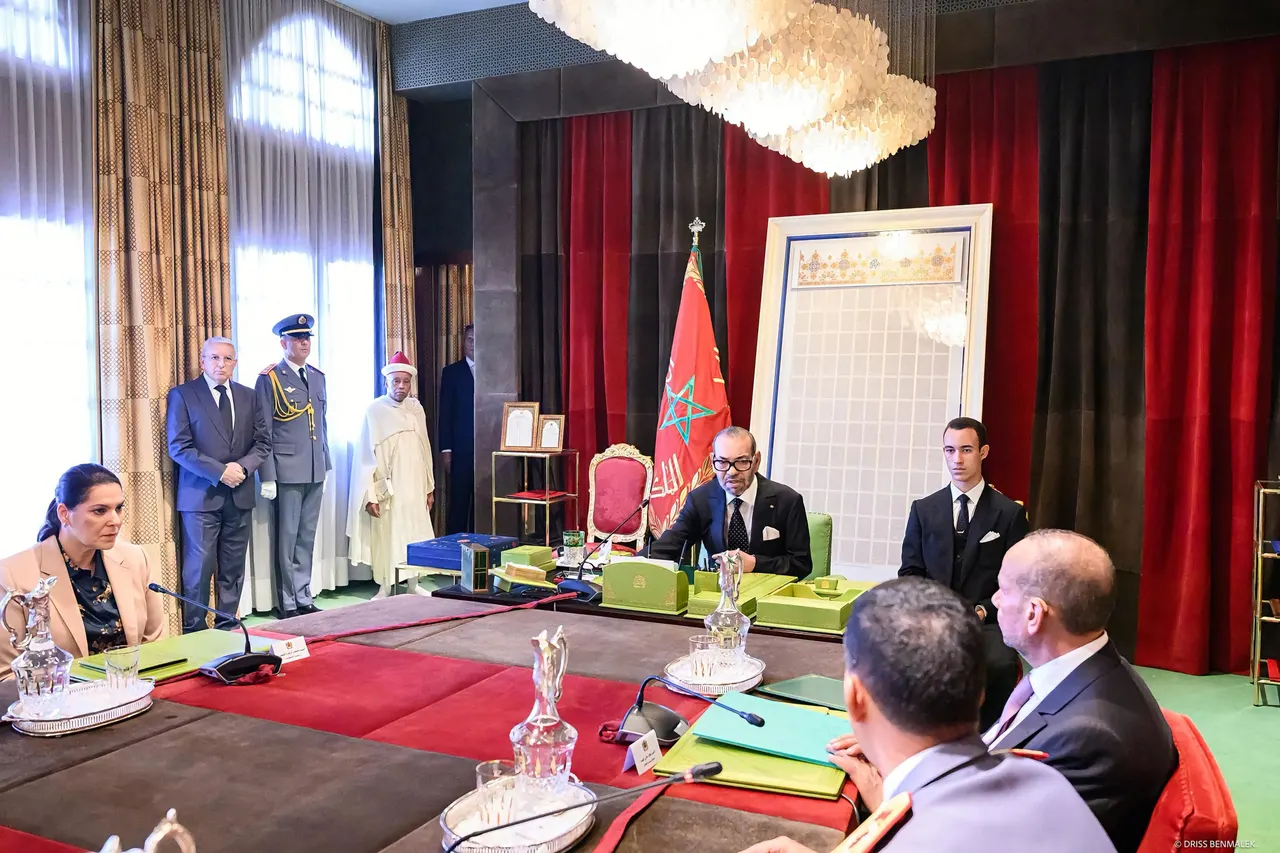
This dossier follows Morocco's strategy for developing its defence and security industries.
View file →
This dossier traces the Russia–Ukraine war from the seizure of Crimea and the start of fighting in the Donbas in 2014, through the full-scale invasion of 24 February 2022 and its military, diplomatic, economic and humanitarian consequences. It distinguishes recognised sovereignty, claimed annexations and actual military control. Earlier milestones explain relations between the two states since Ukrainian independence in 1991: the 1994 Budapest security assurances, the 1997 friendship treaty, the 2003 Tuzla crisis, gas disputes and the 2010 Kharkiv agreements. The suspension of preparations for the European Union agreement in November 2013 opens the Euromaidan crisis. These antecedents are distinguished from the war that began in 2014; each entry links to its sources. The timeline follows Ilovaisk, Donetsk airport, Debaltseve, the Minsk agreements, disengagement attempts, fighting and the humanitarian crisis in Avdiivka in 2017, the trade blockade, detainee exchanges and the Kerch maritime crisis. It then documents the war’s expansion, Ukrainian territorial recaptures, Bakhmut, international justice, grain, energy, external assistance and negotiations. Retrospective investigations are identified and claims remain attributed. This selection of turning points includes canonical occurrences from the archived energy dossier. It expands previously sparse years without providing an exhaustive daily record: local fighting, successive sanctions, all weapons deliveries and population displacement are not detailed. Cumulative military losses and complete territorial control remain coverage limitations.
View file →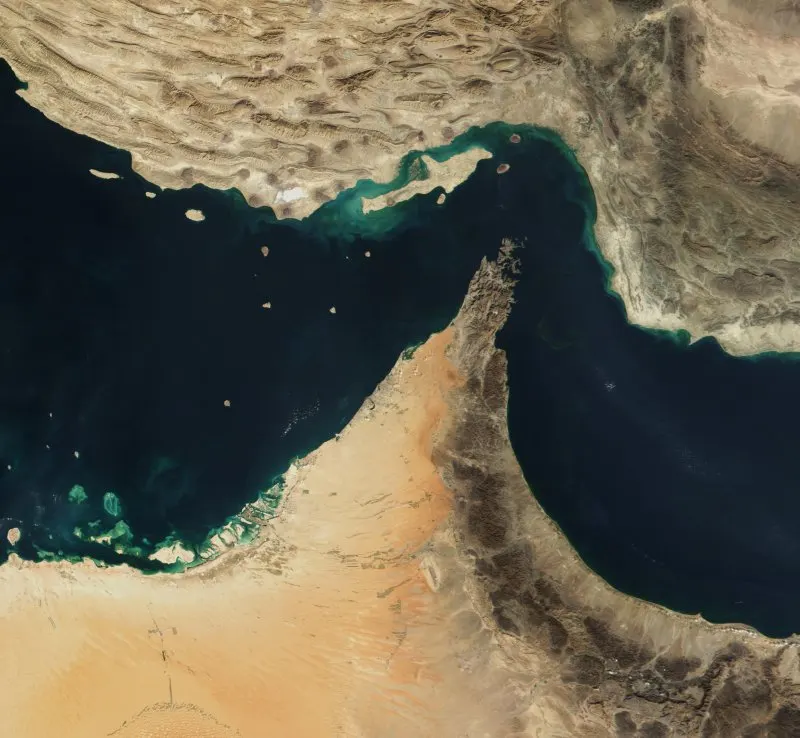
This dossier traces the Islamic Republic of Iran from Ruhollah Khomeini’s return in February 1979: the monarchy’s overthrow, the hostage crisis, the Iran-Iraq War, Ali Khamenei’s succession, sanctions, domestic protests and nuclear negotiations. It also follows regional confrontation through Tehran’s allies, rapprochement with Saudi Arabia and the transition to direct Iran-Israel attacks in 2024. The twelve-day war of June 2025 is distinguished from the conflict opened on 28 February 2026 by US and Israeli strikes. The chronology examines Ali Khamenei’s killing and Mojtaba Khamenei’s succession, civilian victims, regional fronts, energy infrastructure, Hormuz, blockades and attempts at agreement. The Qatari consultations that originally defined this dossier remain integrated into the expanded history. Sourced entries distinguish established facts, announcements, attributed responsibility and unverified outcomes. The reconstruction selects principal milestones rather than recording every military operation. No final, consistent human toll across all theatres is established here. Dates without a known time are ordered by calendar day.
View file →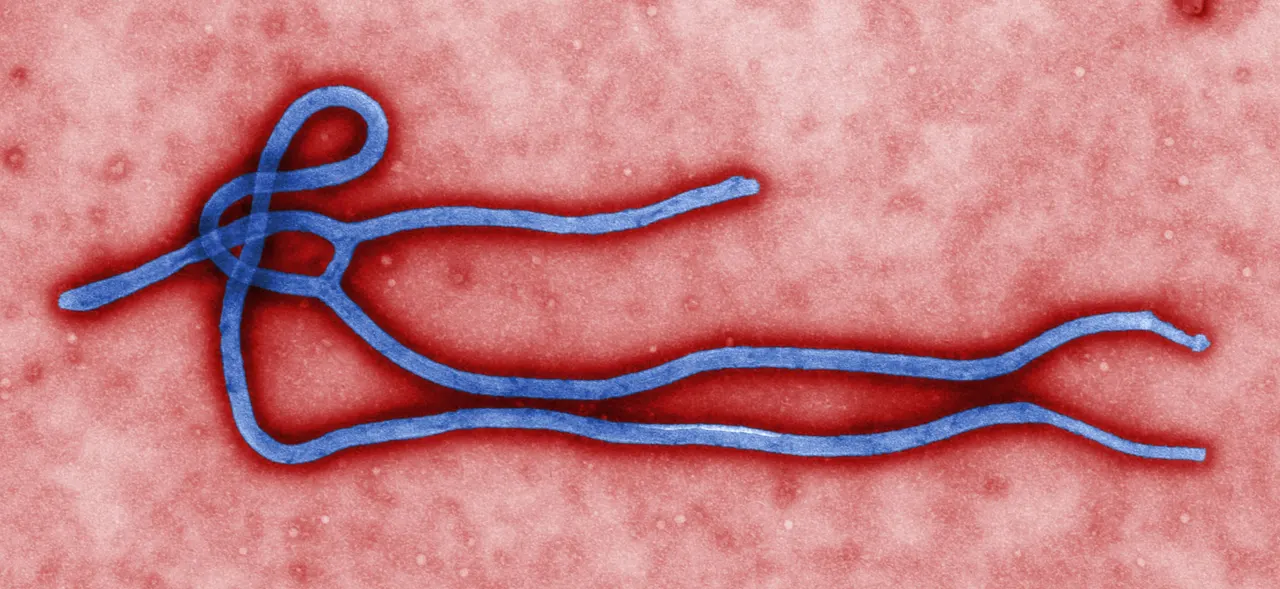
This dossier follows the Ebola outbreak in DR Congo, surveillance and response efforts, including vaccine research.
View file →
This dossier follows reported attacks on Aramco facilities in Saudi Arabia during the conflict with Yemen’s Houthis. It covers official statements, claims of responsibility and documented damage, distinguishing them from unverified effects on oil operations.
View file →
This dossier follows Nvidia’s board investigation into possible foreign-intelligence targeting of its leadership, the company’s responses and documented findings.
View file →