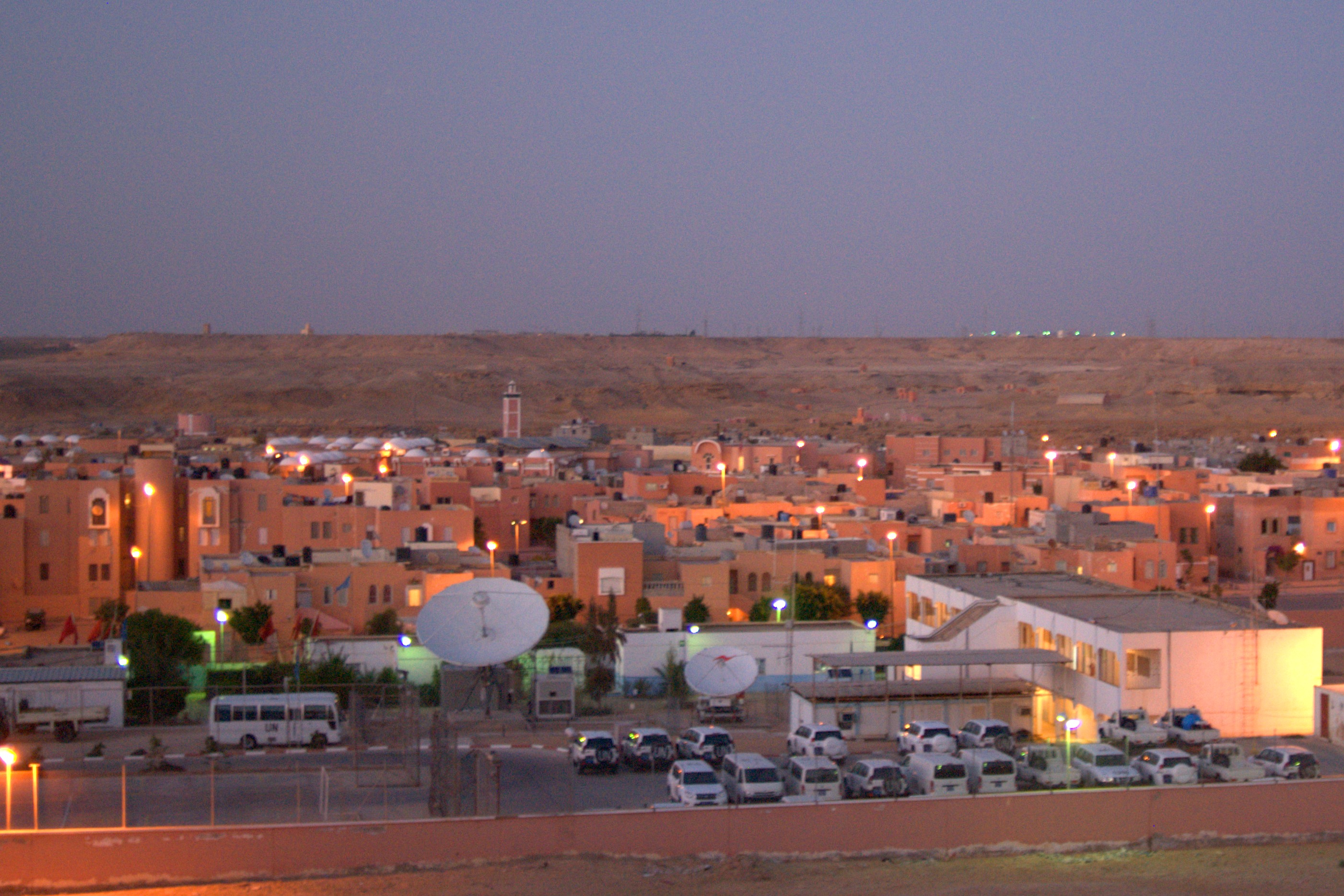
The UN announces the start of MINURSO's liquidation on 1 November 2026 after its mandate was not renewed. It maintains its commitment to a political solution, according to official UN information and press reports.
Carlo Comporti's term as chair of the European Securities and Markets Authority (ESMA) begins on 1 November 2026 under the timetable set by the Council of the European Union. The Italian succeeds Verena Ross.
As the eleventh Mois sans tabac campaign opens on 1 November 2026, France’s national dental council calls on members to discuss smoking with their patients and support the thirty-day challenge.
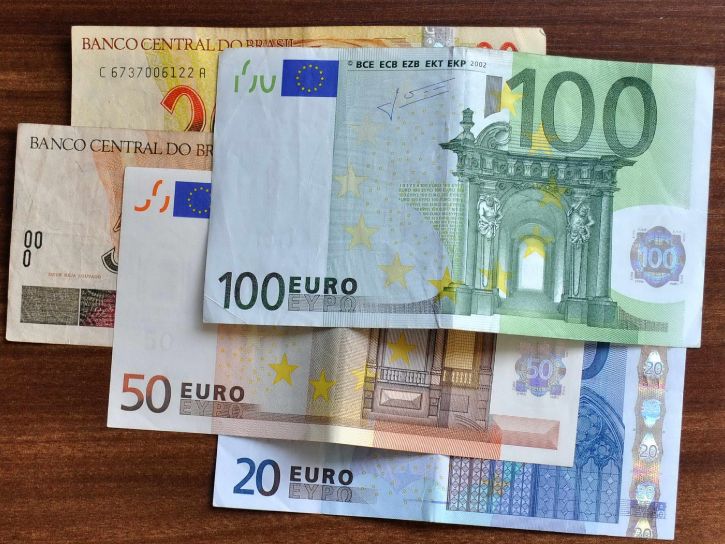
A European handling fee of €2 per distinct category of goods applies from 1 November 2026 to distance-sale goods shipped directly from outside the EU to an EU consumer, regardless of value.
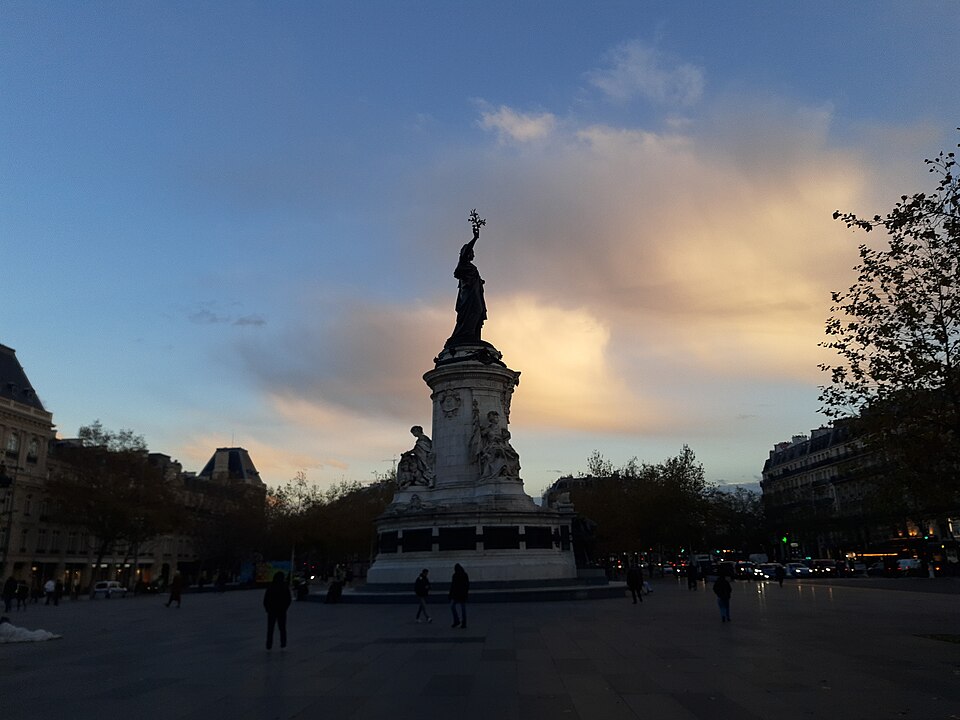
France’s Interior Ministry counted 15,000 participants in 65 actions at 2 pm on 31 October 2026, according to AFP and Anadolu. The partial update comes during a third protest day over living costs and public services.
Decree 2026-1009, published on 30 October, takes effect on 31 October 2026. It specifies who must create the number used to pseudonymise individual data reported to health authorities.
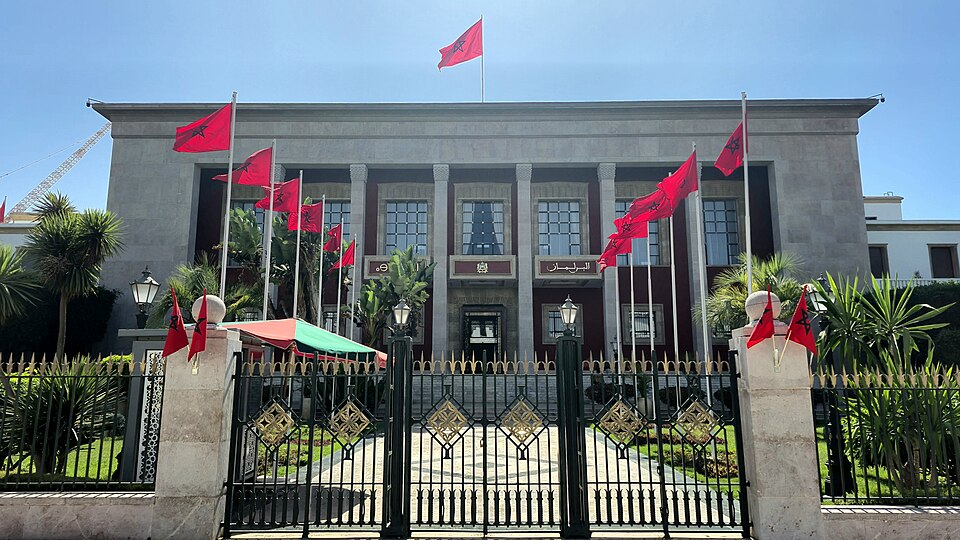
Morocco’s two parliamentary chambers announced on October 31, 2026 a joint session on the latest developments concerning the Moroccan Sahara. It is scheduled for Monday, November 2 at 1 p.m.
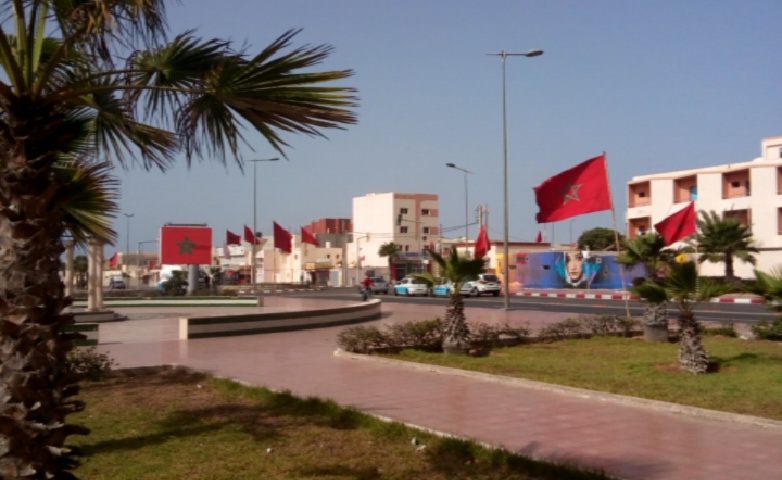
Speaking on 2M on 31 October 2026, Nasser Bourita said Morocco would allow the time and logistical resources needed for MINURSO’s departure. He reaffirmed the Kingdom’s commitment to the ceasefire.
In his 2M interview on 31 October 2026, Nasser Bourita set out Morocco’s parameters for a possible resumption of talks on the Moroccan Sahara, Médias24 and Walaw report.
The Centre for Shared Memory and the Moroccan Centre for Strategic Studies and Research expressed support on October 31, 2026 for the Royal Cabinet statement on the Moroccan Sahara, according to LeBrief and Barlamane.
France’s interior ministry counts 320,000 protesters nationwide on 31 October 2026, including 70,000 in Paris. The youth union coalition puts turnout at nearly 500,000, including 200,000 in the capital.
E.Leclerc announced on 31 October 2026 a 21-cent reduction, including tax, per litre of diesel at its 742 filling stations from 1 November. The retailer says it is passing on the benefit of access to strategic stocks.
This dossier traces the origins and transformation of the Moroccan Sahara conflict: historical ties and allegiances, Spanish colonial rule from 1884, decolonisation, war, the referendum process, the autonomy proposal and diplomacy through 17 October 2026. It also covers populations, Hassani culture, Tindouf refugees, prisoners and missing persons, human rights, resources and trade agreements.
Morocco claims the territory on grounds of territorial integrity and historical ties; the Polisario Front seeks independence through self-determination, with Algerian support. Mauritania withdrew from the territorial conflict in 1979 but remains involved through neighbourhood interests and negotiations. Morocco administers the principal cities and Atlantic coast; the military berm is not an agreed international border. The dossier distinguishes effective control, sovereignty claims, bilateral recognition and status in international institutions.
In 1975, the ICJ recognised allegiance ties with certain tribes without finding territorial sovereignty that would exclude self-determination. The settlement plan accepted in 1988 and MINURSO established in 1991 did not deliver the planned referendum. The Baker initiatives and Morocco’s 2007 autonomy plan shifted negotiations towards institutions, safeguards and consent. US, Spanish, French and British positions use different wording and should not be counted as identical acts.
Sources accompany each milestone. “Moroccan Sahara” is the editorial designation; UN and court documents generally use “Western Sahara.” Their substantive qualifications are preserved. No map is used. Day-level dates do not imply a known time of day.
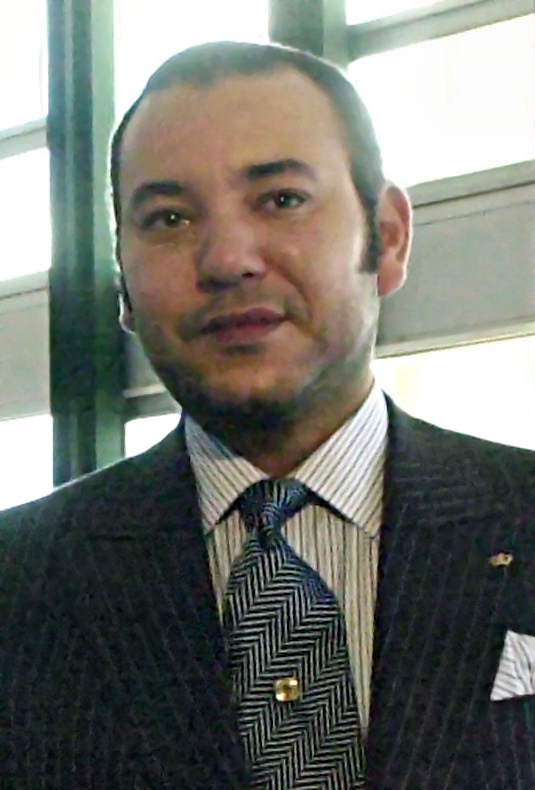
This dossier traces Mohammed VI’s public activities since his accession on 23 July 1999: speeches, decisions and audiences, visits within Morocco and abroad, institutional and social reforms, major projects and Royal Office statements. It distinguishes announced directions, decisions and documented delivery.
Full speeches and messages: the Communication Ministry’s six official collections provide access to archives from July 1999 to June 2024: 1999–2001 · 2002–2005 · 2006–2009 · 2010–2014 · 2015–2019 · 2019–June 2024. Maroc.ma’s archive extends access to recent speeches, including 2026. Each selected speech entry links to an official document or identified transcript. Full texts are available at the linked sources; they are not reproduced in full on Moojaz. The 2026 edition of the official collection adds further documents. Landmark readings include the 31 January 2017 Addis Ababa address and the 31 October 2025 address, both linked in French.