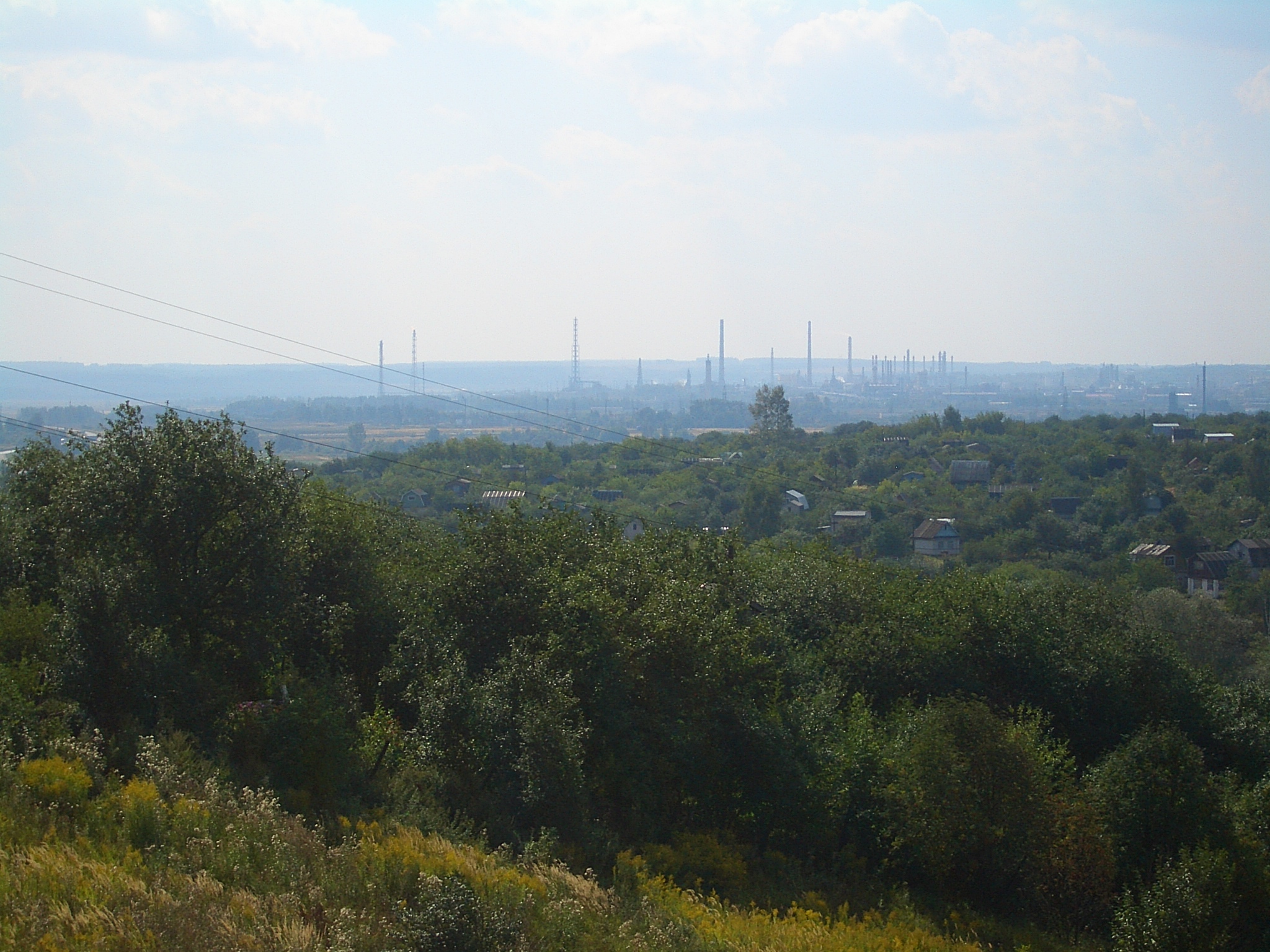
An industrial site in Russia's Kstovo district sustained significant damage in a drone attack overnight into 1 November 2026, according to Nizhny Novgorod governor Gleb Nikitin. Ukrainian sources identify a Lukoil refinery, but that identification has not been independently confirmed.
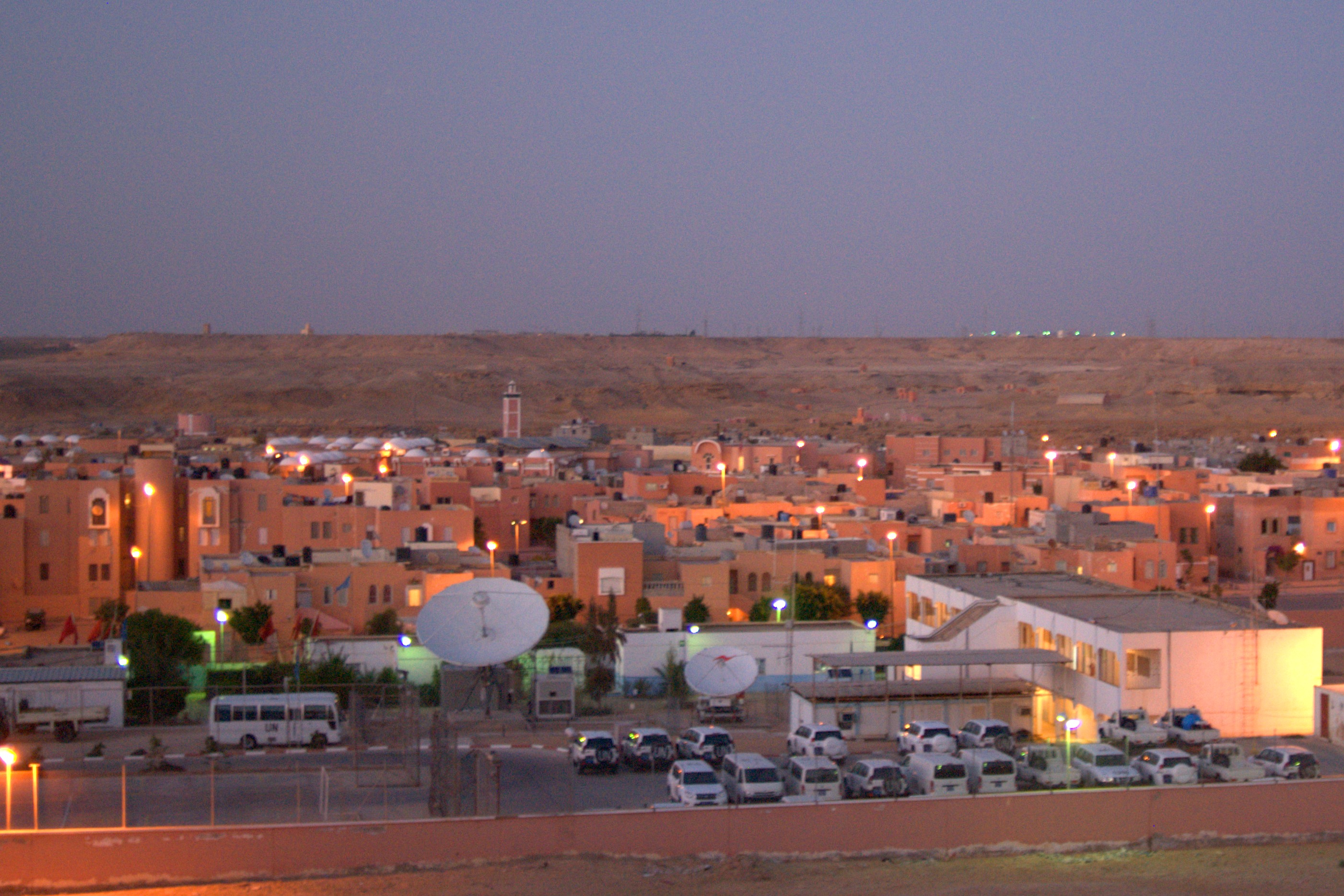
The UN announces the start of MINURSO's liquidation on 1 November 2026 after its mandate was not renewed. It maintains its commitment to a political solution, according to official UN information and press reports.
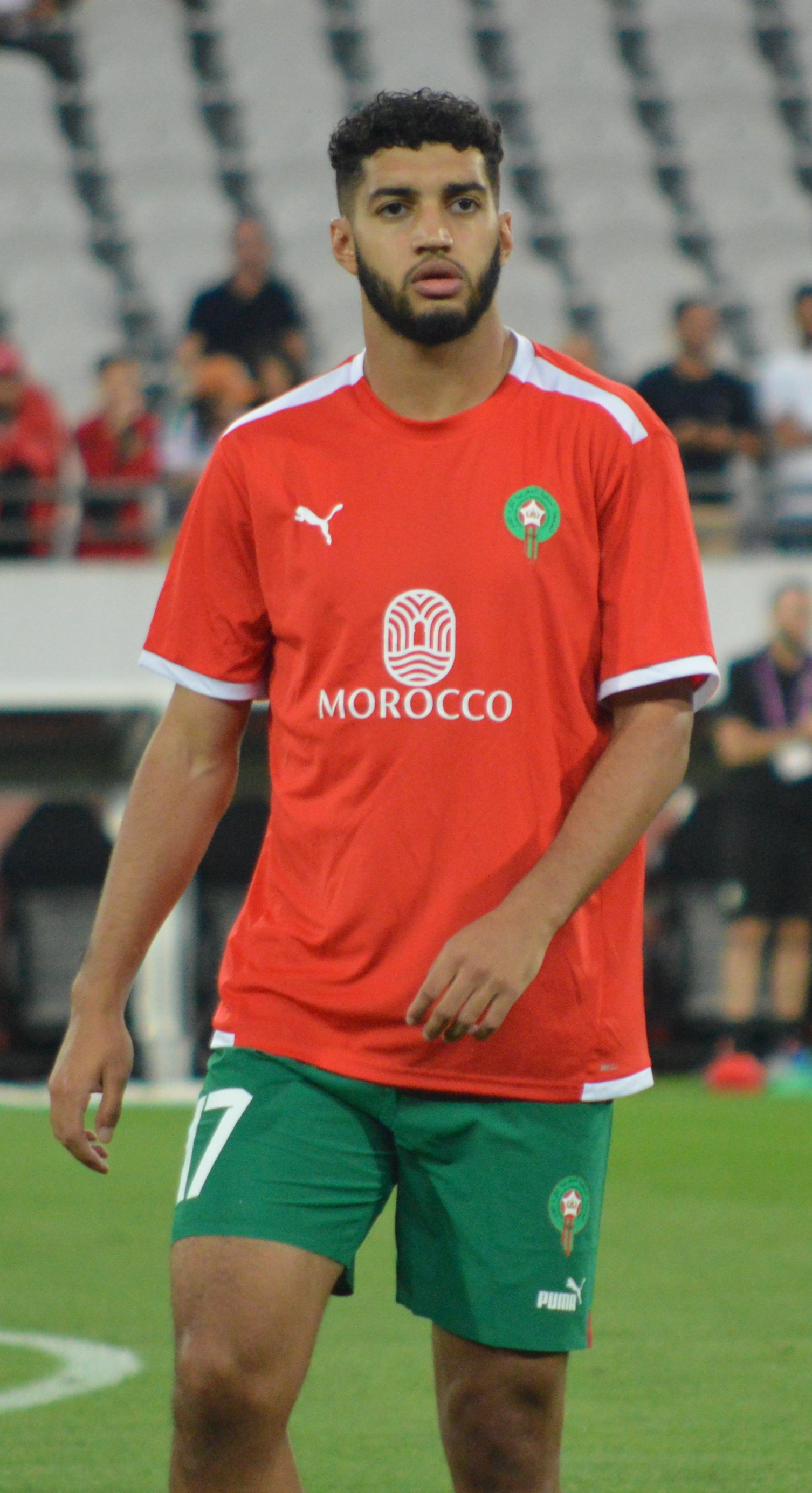
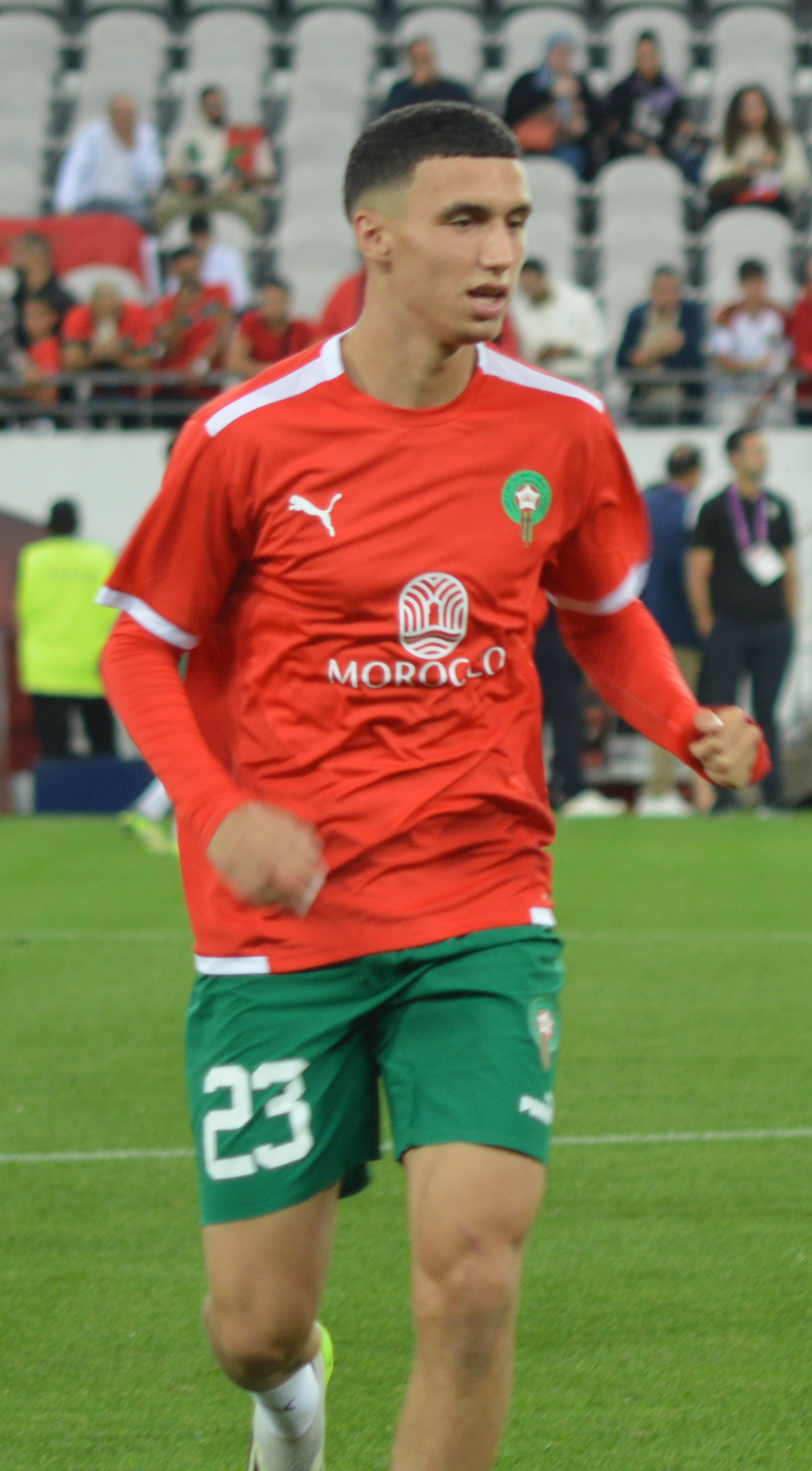
Bayern Munich announced on 1 November 2026 that Ismael Saibari had successful surgery after tearing the syndesmosis ligament in his right ankle. The club did not specify how long he would be out.
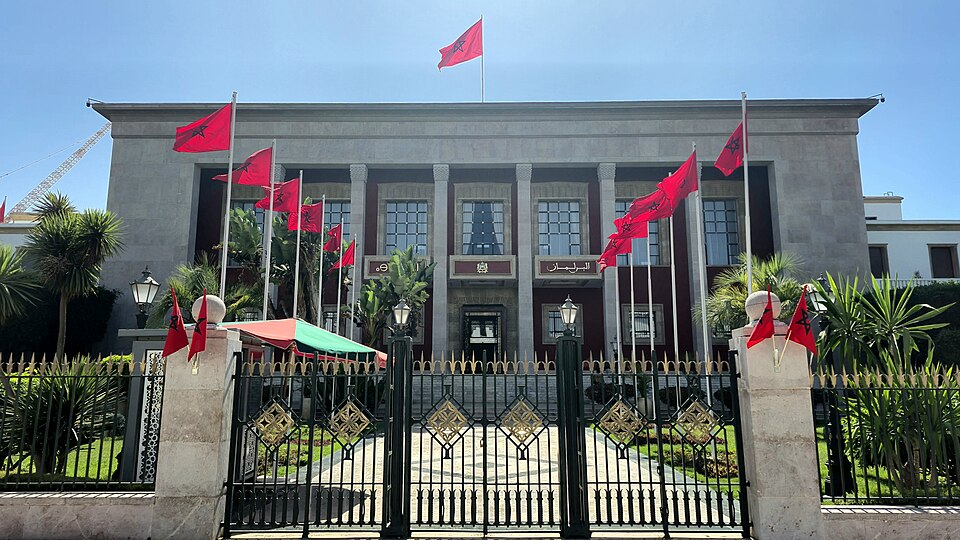
Morocco’s two parliamentary chambers announced on October 31, 2026 a joint session on the latest developments concerning the Moroccan Sahara. It is scheduled for Monday, November 2 at 1 p.m.
Speaking on 2M on 31 October 2026, Nasser Bourita said Morocco would allow the time and logistical resources needed for MINURSO’s departure. He reaffirmed the Kingdom’s commitment to the ceasefire.
In his 2M interview on 31 October 2026, Nasser Bourita set out Morocco’s parameters for a possible resumption of talks on the Moroccan Sahara, Médias24 and Walaw report.
Residents of Oleshky, a Russian-occupied town in the Kherson region, reached Kyiv-controlled territory on 31 October 2026. Reuters and RBC-Ukraine covered their arrival in the Chernihiv region at the Belarusian border.
The Centre for Shared Memory and the Moroccan Centre for Strategic Studies and Research expressed support on October 31, 2026 for the Royal Cabinet statement on the Moroccan Sahara, according to LeBrief and Barlamane.
Thousands of young people protested in more than thirty German cities on 31 October 2026 for better education funding and against high living costs. Clashes followed some gatherings, while others ended peacefully.
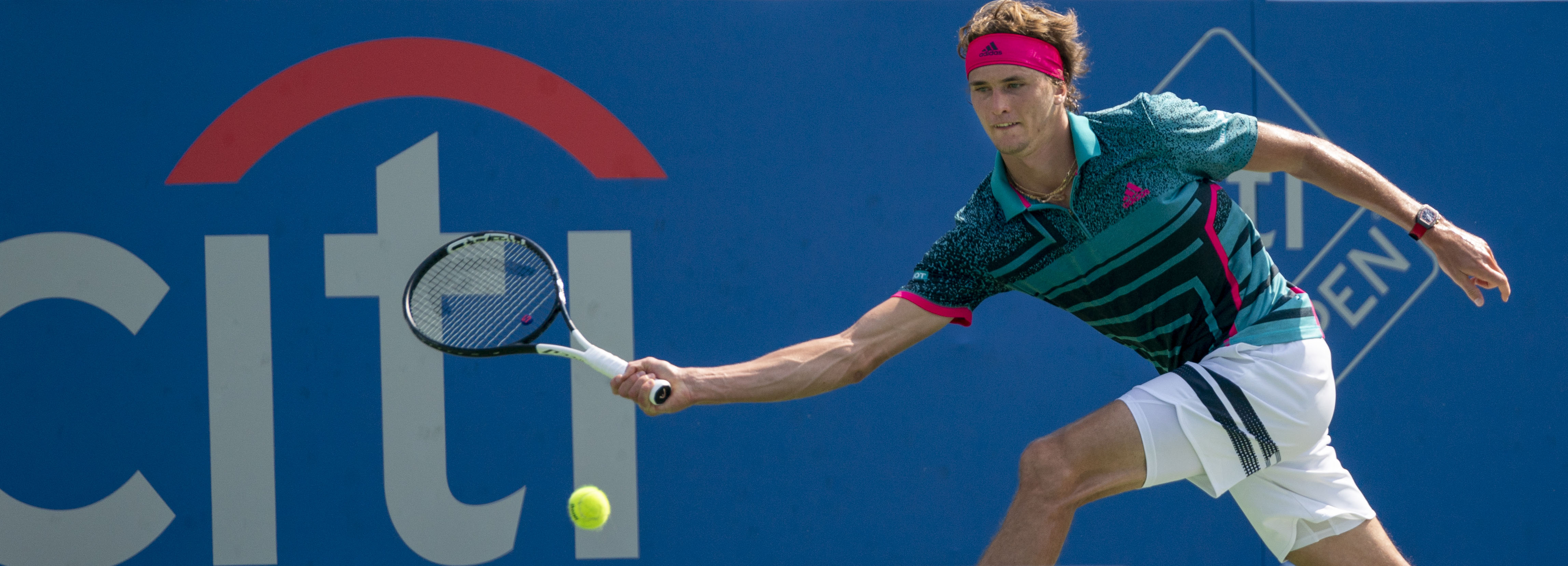
Alexander Zverev defeated Britain’s Arthur Fery 6-0, 6-2 in the Vienna quarter-finals on 30 October 2026. The German continued his run after securing his forthcoming rise to world No. 1 the previous day.
Mike Waltz said on 30 October 2026 that the United States was ready to work with the UN Secretary-General on an orderly reduction of MINURSO's presence, according to several reports.
This dossier traces the Russia–Ukraine war from the seizure of Crimea and the start of fighting in the Donbas in 2014, through the full-scale invasion of 24 February 2022 and its military, diplomatic, economic and humanitarian consequences. It distinguishes recognised sovereignty, claimed annexations and actual military control.
Earlier milestones explain relations between the two states since Ukrainian independence in 1991: the 1994 Budapest security assurances, the 1997 friendship treaty, the 2003 Tuzla crisis, gas disputes and the 2010 Kharkiv agreements. The suspension of preparations for the European Union agreement in November 2013 opens the Euromaidan crisis. These antecedents are distinguished from the war that began in 2014; each entry links to its sources.
The timeline follows Ilovaisk, Donetsk airport, Debaltseve, the Minsk agreements, disengagement attempts, fighting and the humanitarian crisis in Avdiivka in 2017, the trade blockade, detainee exchanges and the Kerch maritime crisis. It then documents the war’s expansion, Ukrainian territorial recaptures, Bakhmut, international justice, grain, energy, external assistance and negotiations. Retrospective investigations are identified and claims remain attributed.
This selection of turning points includes canonical occurrences from the archived energy dossier. It expands previously sparse years without providing an exhaustive daily record: local fighting, successive sanctions, all weapons deliveries and population displacement are not detailed. Cumulative military losses and complete territorial control remain coverage limitations.
This dossier traces the origins and transformation of the Moroccan Sahara conflict: historical ties and allegiances, Spanish colonial rule from 1884, decolonisation, war, the referendum process, the autonomy proposal and diplomacy through 17 October 2026. It also covers populations, Hassani culture, Tindouf refugees, prisoners and missing persons, human rights, resources and trade agreements.
Morocco claims the territory on grounds of territorial integrity and historical ties; the Polisario Front seeks independence through self-determination, with Algerian support. Mauritania withdrew from the territorial conflict in 1979 but remains involved through neighbourhood interests and negotiations. Morocco administers the principal cities and Atlantic coast; the military berm is not an agreed international border. The dossier distinguishes effective control, sovereignty claims, bilateral recognition and status in international institutions.
In 1975, the ICJ recognised allegiance ties with certain tribes without finding territorial sovereignty that would exclude self-determination. The settlement plan accepted in 1988 and MINURSO established in 1991 did not deliver the planned referendum. The Baker initiatives and Morocco’s 2007 autonomy plan shifted negotiations towards institutions, safeguards and consent. US, Spanish, French and British positions use different wording and should not be counted as identical acts.
Sources accompany each milestone. “Moroccan Sahara” is the editorial designation; UN and court documents generally use “Western Sahara.” Their substantive qualifications are preserved. No map is used. Day-level dates do not imply a known time of day.
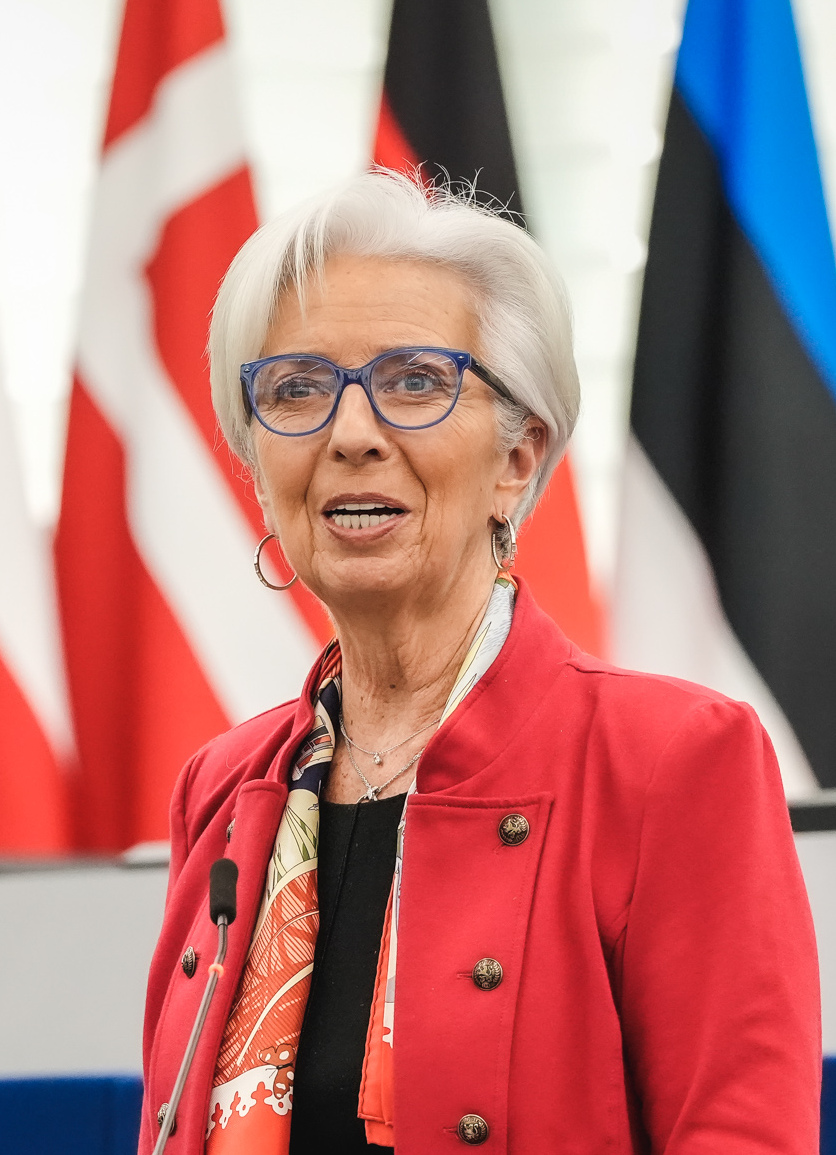
This dossier follows European Central Bank monetary policy decisions and the succession to its presidency, distinguishing completed decisions from future policy.