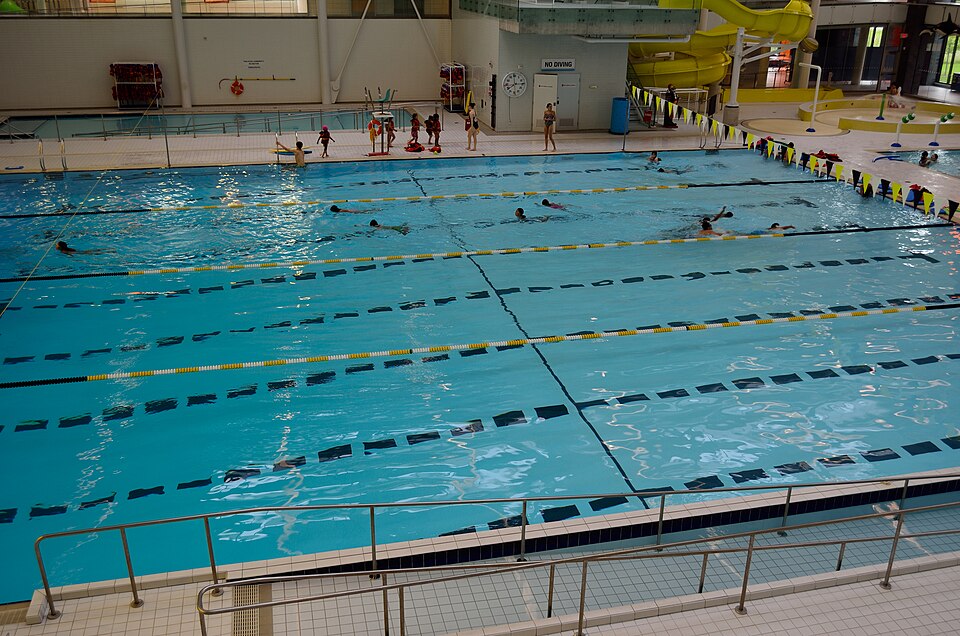
Morocco's Yasmin Rhalmane Hmidi swam the 400m freestyle in 4:38.47 on 1 November 2026 in Dakar. She finished sixth in the fastest heat, according to Team France's published results and MAP's report.
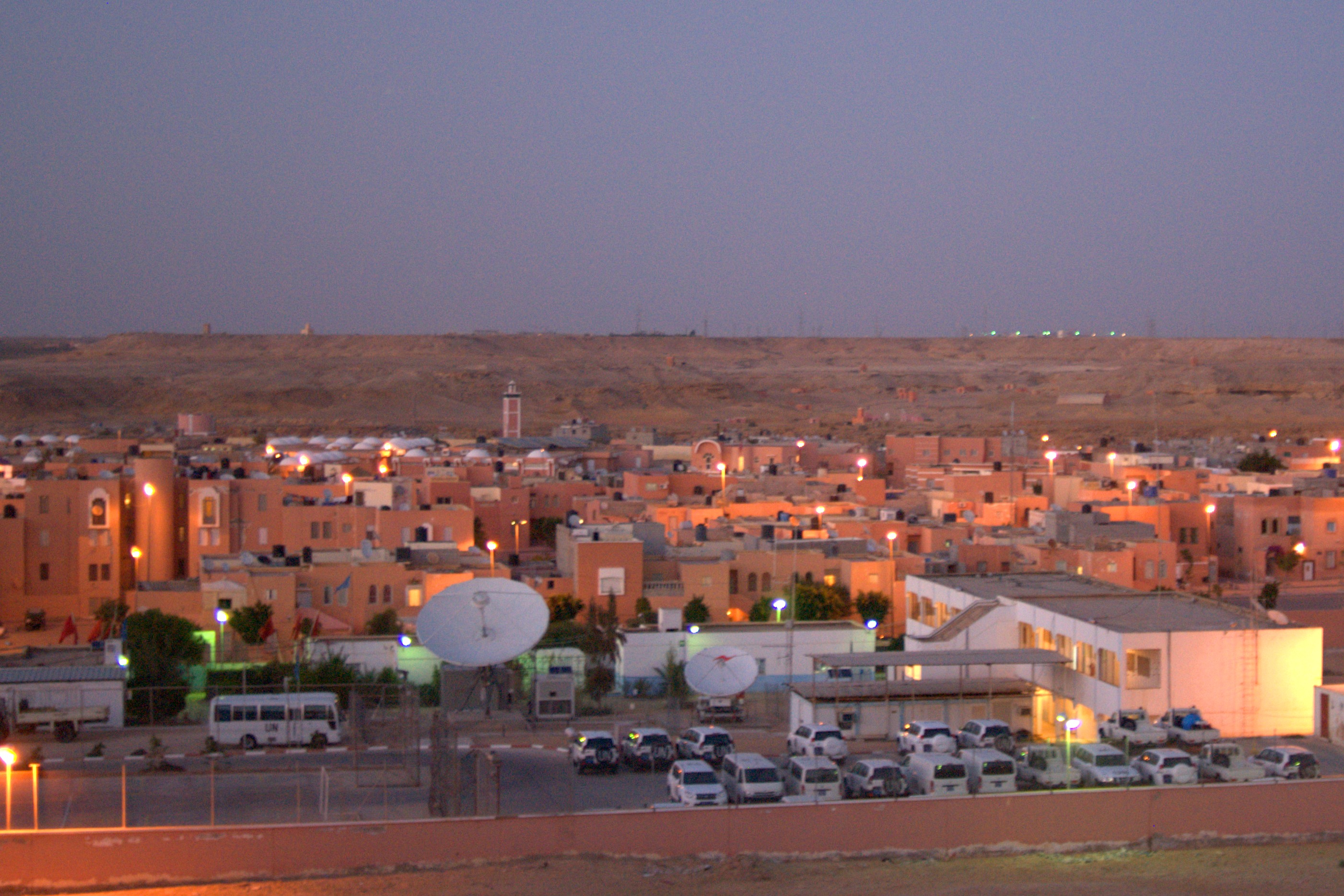
The UN announces the start of MINURSO's liquidation on 1 November 2026 after its mandate was not renewed. It maintains its commitment to a political solution, according to official UN information and press reports.
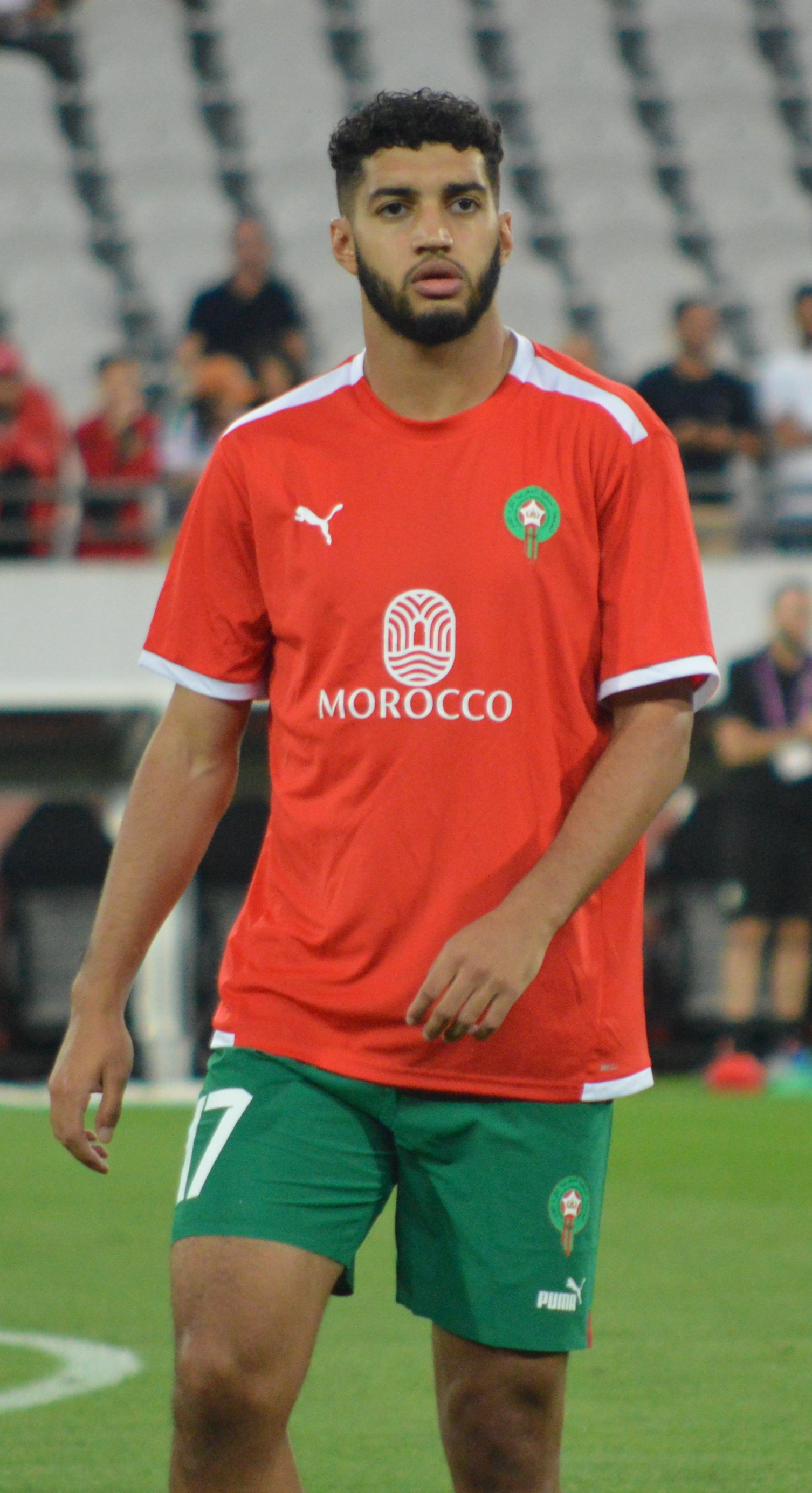
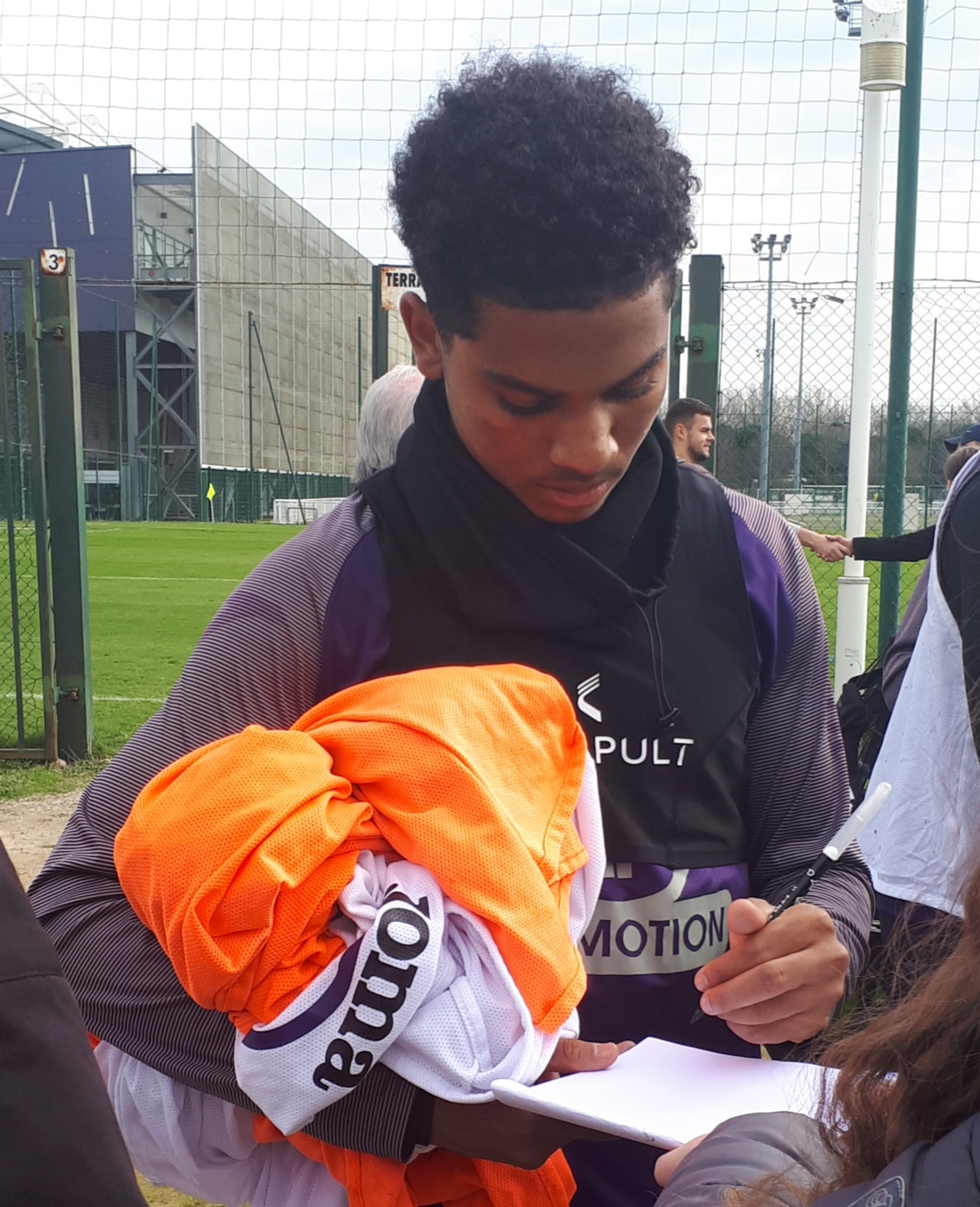
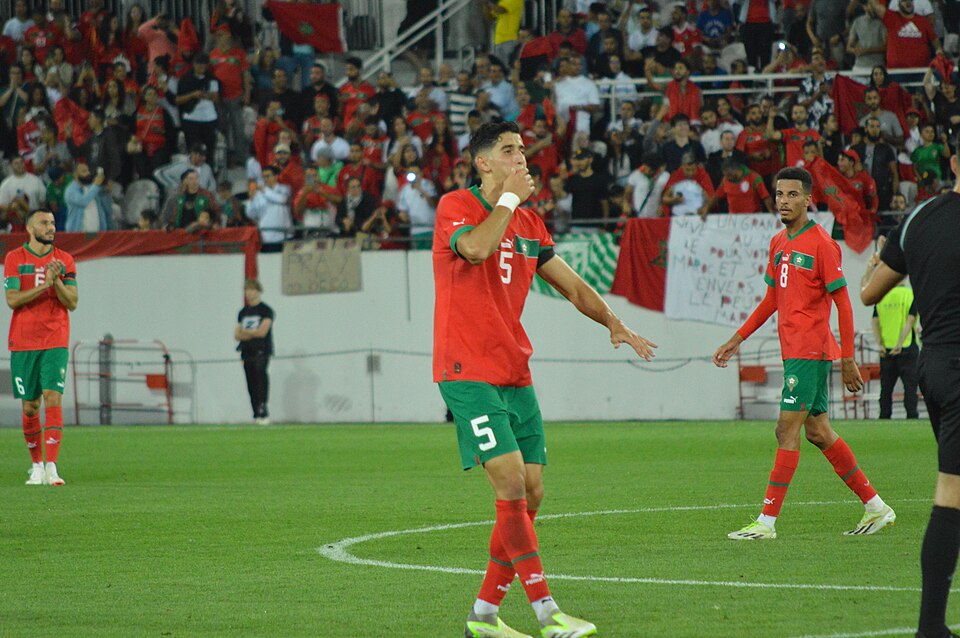
Bayern Munich announced on 1 November 2026 that Ismael Saibari had successful surgery after tearing the syndesmosis ligament in his right ankle. The club did not specify how long he would be out.
Higher education staff unions have received an invitation to a meeting on Thursday, 5 November 2026, Hespress reports on 1 November, citing union sources.
Nigeria defeated Venezuela 1–0 in Morocco on 1 November 2026 in the U17 Women’s World Cup quarter-finals. The Flamingos will face Brazil in the semi-finals on 4 November.
Hespress reported on 1 November 2026, citing unnamed sources, that AI-assisted customs checks had recovered MAD 730 million. The amount is not independently corroborated.
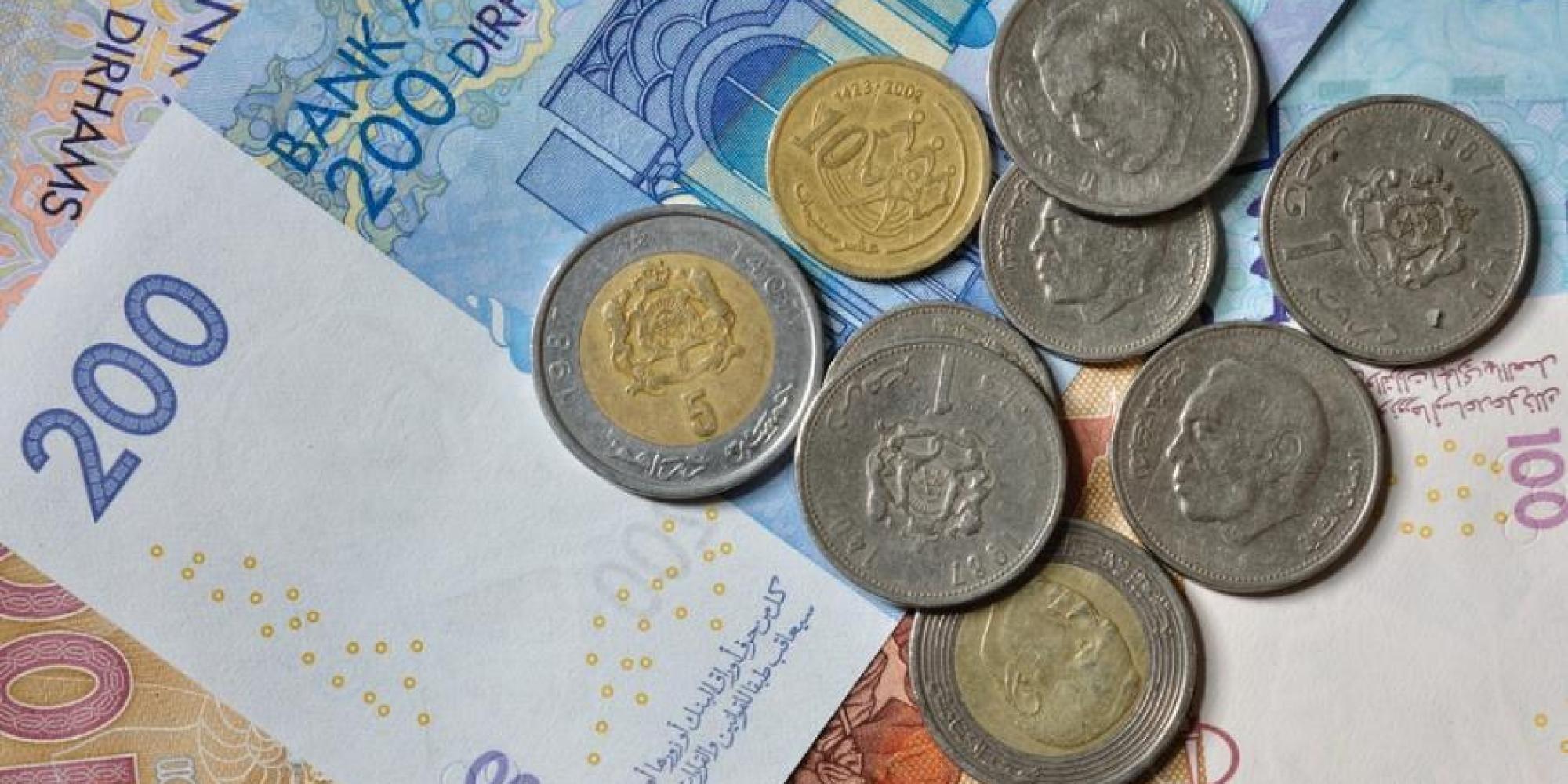
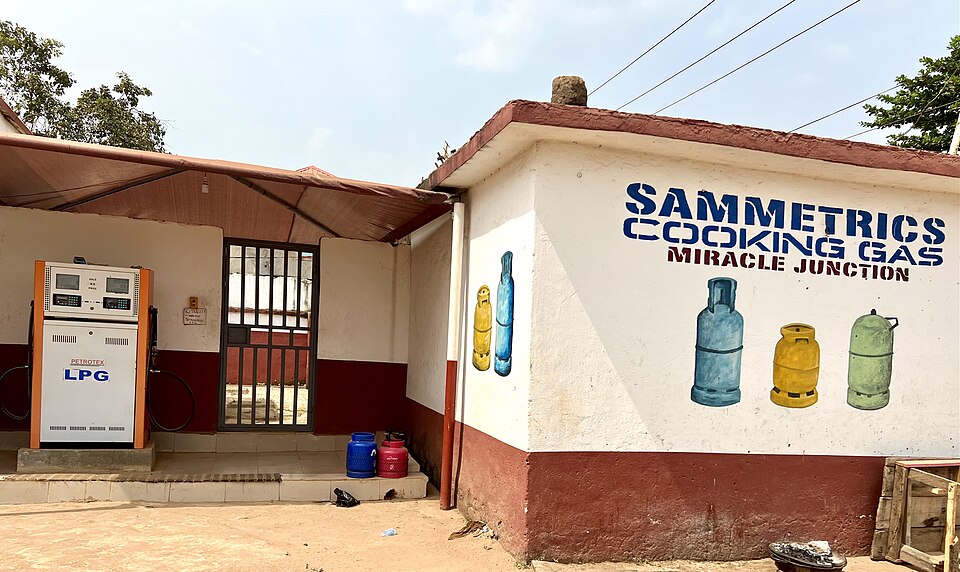
Diesel pump prices rose in Morocco in the early hours of 1 November 2026, according to Médias24 and Le Site Info. The increase can reach one dirham per litre, while petrol prices have fallen.
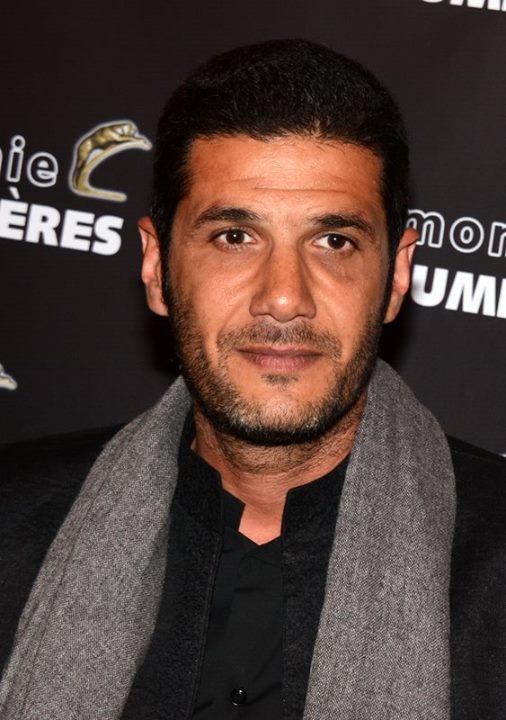
Nabil Ayouch is to receive a lifetime achievement award at the Cairo Film Festival’s opening on 11 November 2026, according to a statement reported by Médias24 and Yabiladi on 31 October.
The Casablanca Stock Exchange plans to complete an overhaul of MASI rules within one month, according to its 31 October 2026 statement relayed by TelQuel and Médias24.
Amine Adli scored Bournemouth’s second goal in stoppage time in their 2-0 Premier League win over Leeds United at the Vitality Stadium on 31 October 2026.
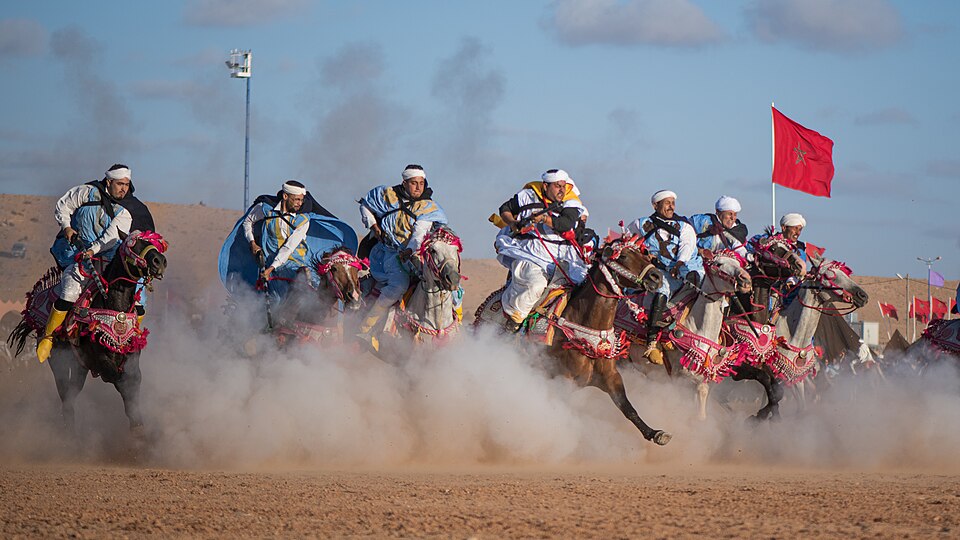
The 19th Tan-Tan Moussem marked its opening on the evening of 31 October 2026. Reports in Libération describe a programme combining stage performance, music and nomadic traditions.
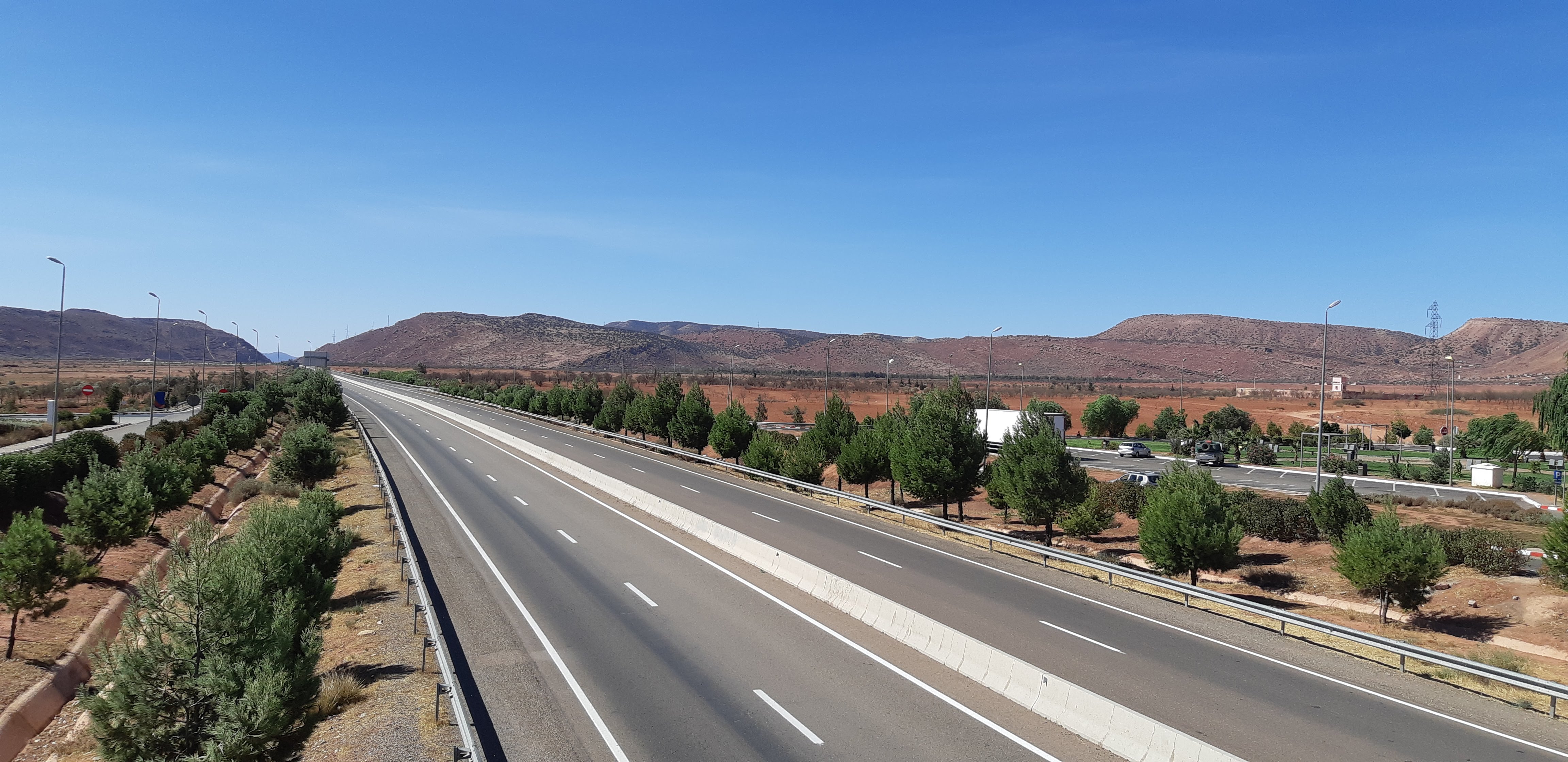
In clarifications reported on the evening of 31 October 2026, Autoroutes du Maroc said four people died and 32 were injured, four seriously, in the overnight collision at Amskroud.
This dossier follows the preparation and participation of Morocco’s delegation in the Dakar 2026 Youth Olympic Games, scheduled in Senegal from 31 October to 13 November. It covers the announced team composition, registration and documented preparations.
This dossier traces the origins and transformation of the Moroccan Sahara conflict: historical ties and allegiances, Spanish colonial rule from 1884, decolonisation, war, the referendum process, the autonomy proposal and diplomacy through 17 October 2026. It also covers populations, Hassani culture, Tindouf refugees, prisoners and missing persons, human rights, resources and trade agreements.
Morocco claims the territory on grounds of territorial integrity and historical ties; the Polisario Front seeks independence through self-determination, with Algerian support. Mauritania withdrew from the territorial conflict in 1979 but remains involved through neighbourhood interests and negotiations. Morocco administers the principal cities and Atlantic coast; the military berm is not an agreed international border. The dossier distinguishes effective control, sovereignty claims, bilateral recognition and status in international institutions.
In 1975, the ICJ recognised allegiance ties with certain tribes without finding territorial sovereignty that would exclude self-determination. The settlement plan accepted in 1988 and MINURSO established in 1991 did not deliver the planned referendum. The Baker initiatives and Morocco’s 2007 autonomy plan shifted negotiations towards institutions, safeguards and consent. US, Spanish, French and British positions use different wording and should not be counted as identical acts.
Sources accompany each milestone. “Moroccan Sahara” is the editorial designation; UN and court documents generally use “Western Sahara.” Their substantive qualifications are preserved. No map is used. Day-level dates do not imply a known time of day.
This dossier follows documented results and developments in Morocco’s 2026–2027 Botola, distinguishing rounds, postponed fixtures and verified standings.
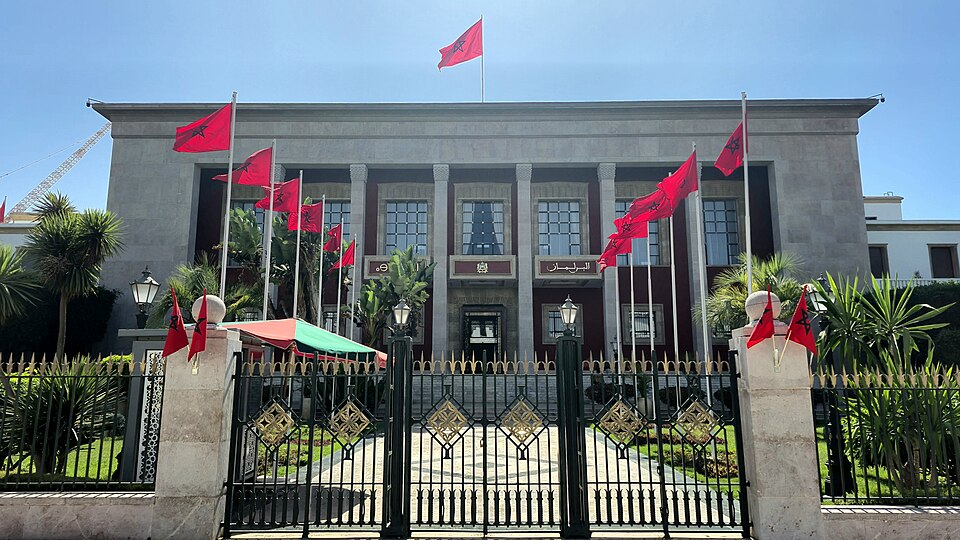
This dossier follows consultations on the legal framework for Morocco's territorial, professional and councillor elections planned for 2027, and subsequent adopted decisions.