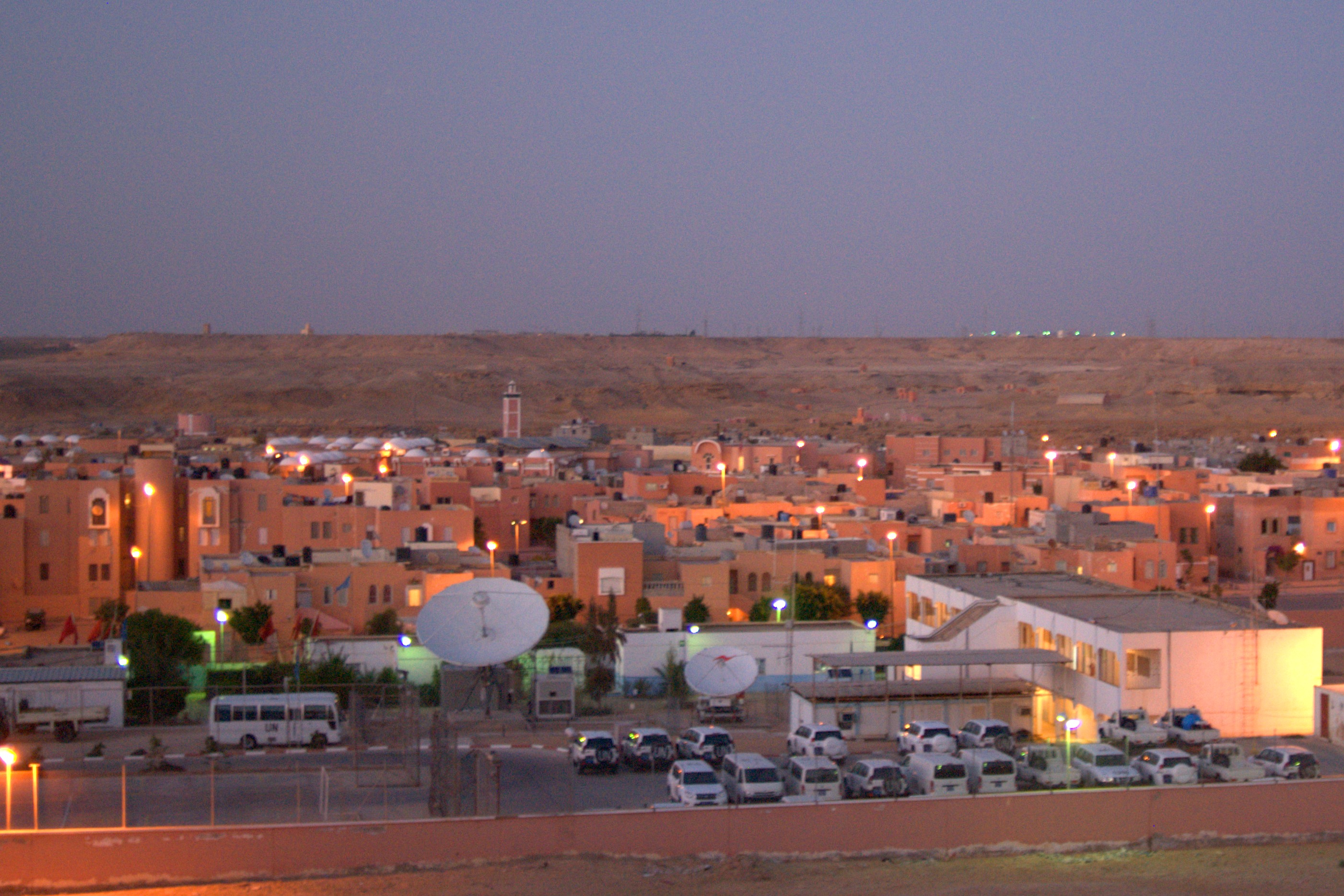
The UN announces the start of MINURSO's liquidation on 1 November 2026 after its mandate was not renewed. It maintains its commitment to a political solution, according to official UN information and press reports.
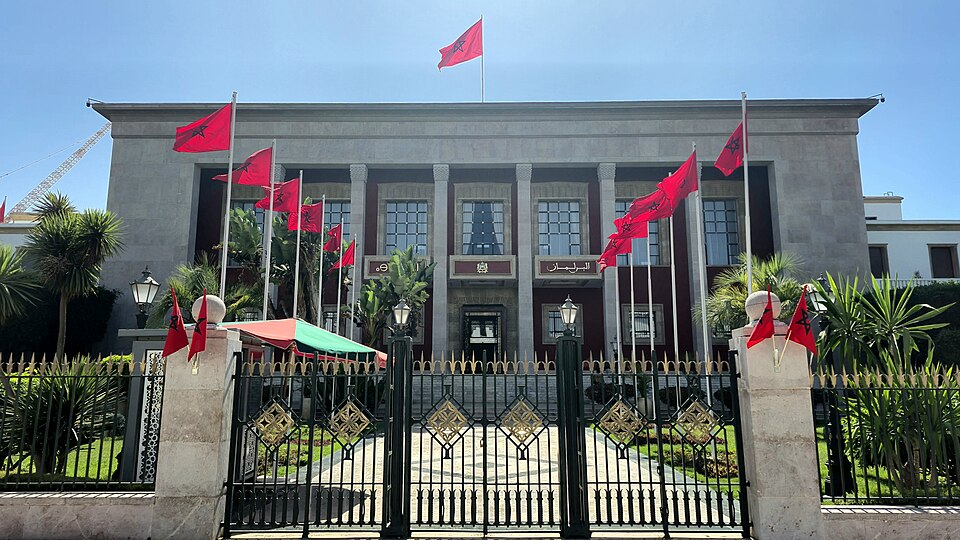
Morocco’s two parliamentary chambers announced on October 31, 2026 a joint session on the latest developments concerning the Moroccan Sahara. It is scheduled for Monday, November 2 at 1 p.m.
Speaking on 2M on 31 October 2026, Nasser Bourita said Morocco would allow the time and logistical resources needed for MINURSO’s departure. He reaffirmed the Kingdom’s commitment to the ceasefire.
In his 2M interview on 31 October 2026, Nasser Bourita set out Morocco’s parameters for a possible resumption of talks on the Moroccan Sahara, Médias24 and Walaw report.
The Centre for Shared Memory and the Moroccan Centre for Strategic Studies and Research expressed support on October 31, 2026 for the Royal Cabinet statement on the Moroccan Sahara, according to LeBrief and Barlamane.
Mike Waltz said on 30 October 2026 that the United States was ready to work with the UN Secretary-General on an orderly reduction of MINURSO's presence, according to several reports.
Following the Security Council votes on the Moroccan Sahara on 30 October 2026, Omar Hilale responded to Algeria’s representative by calling for registration of Tindouf camp residents and guarantees of their freedom of movement and return, according to Hespress, LeBrief and Le360.
In a statement released on October 30, 2026, the Royal Cabinet said MINURSO’s non-renewal should lead to the mission’s departure and removal of the issue from the Security Council agenda.
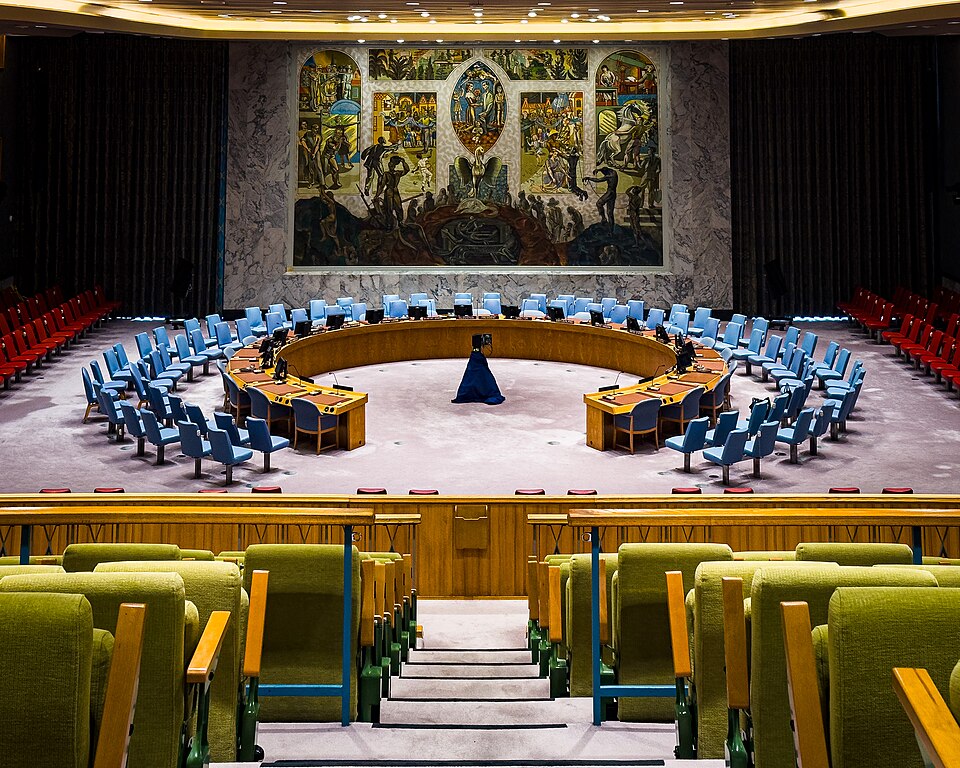
The Security Council failed to adopt Russia’s MINURSO extension draft on October 30, 2026: three members voted in favour, the United States against and eleven abstained, according to matching AP and Hespress reports.
A gap emerged between press expectations and reports of the 30 October 2026 vote on the Moroccan Sahara: TSA had considered a Russian abstention before Atlasinfo and Yabiladi reported the veto.
Russia submitted an alternative draft on the Moroccan Sahara on 30 October 2026 proposing to extend MINURSO until 31 October 2027, according to Lakome2 and LeBrief.
Russia vetoed the US draft on the Moroccan Sahara at the Security Council on 30 October 2026 despite eleven votes in favour, according to Atlasinfo and Yabiladi.
This dossier traces the origins and transformation of the Moroccan Sahara conflict: historical ties and allegiances, Spanish colonial rule from 1884, decolonisation, war, the referendum process, the autonomy proposal and diplomacy through 17 October 2026. It also covers populations, Hassani culture, Tindouf refugees, prisoners and missing persons, human rights, resources and trade agreements.
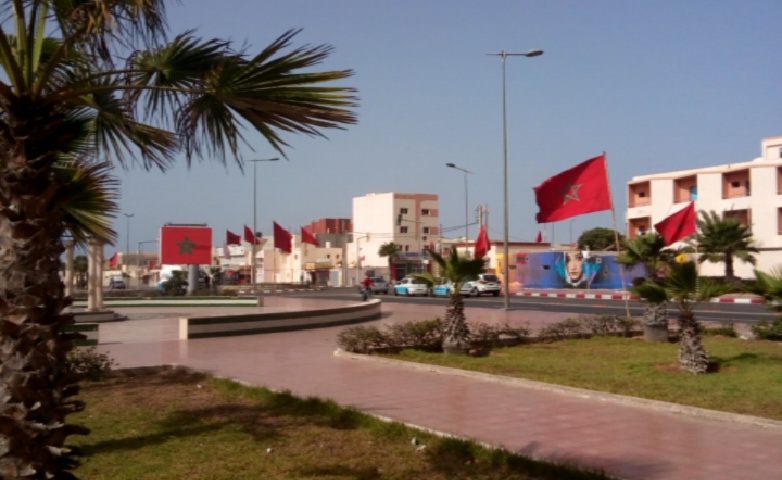
Morocco claims the territory on grounds of territorial integrity and historical ties; the Polisario Front seeks independence through self-determination, with Algerian support. Mauritania withdrew from the territorial conflict in 1979 but remains involved through neighbourhood interests and negotiations. Morocco administers the principal cities and Atlantic coast; the military berm is not an agreed international border. The dossier distinguishes effective control, sovereignty claims, bilateral recognition and status in international institutions.
In 1975, the ICJ recognised allegiance ties with certain tribes without finding territorial sovereignty that would exclude self-determination. The settlement plan accepted in 1988 and MINURSO established in 1991 did not deliver the planned referendum. The Baker initiatives and Morocco’s 2007 autonomy plan shifted negotiations towards institutions, safeguards and consent. US, Spanish, French and British positions use different wording and should not be counted as identical acts.
Sources accompany each milestone. “Moroccan Sahara” is the editorial designation; UN and court documents generally use “Western Sahara.” Their substantive qualifications are preserved. No map is used. Day-level dates do not imply a known time of day.