Two agreements mobilise nearly 22 billion dirhams for defence industry
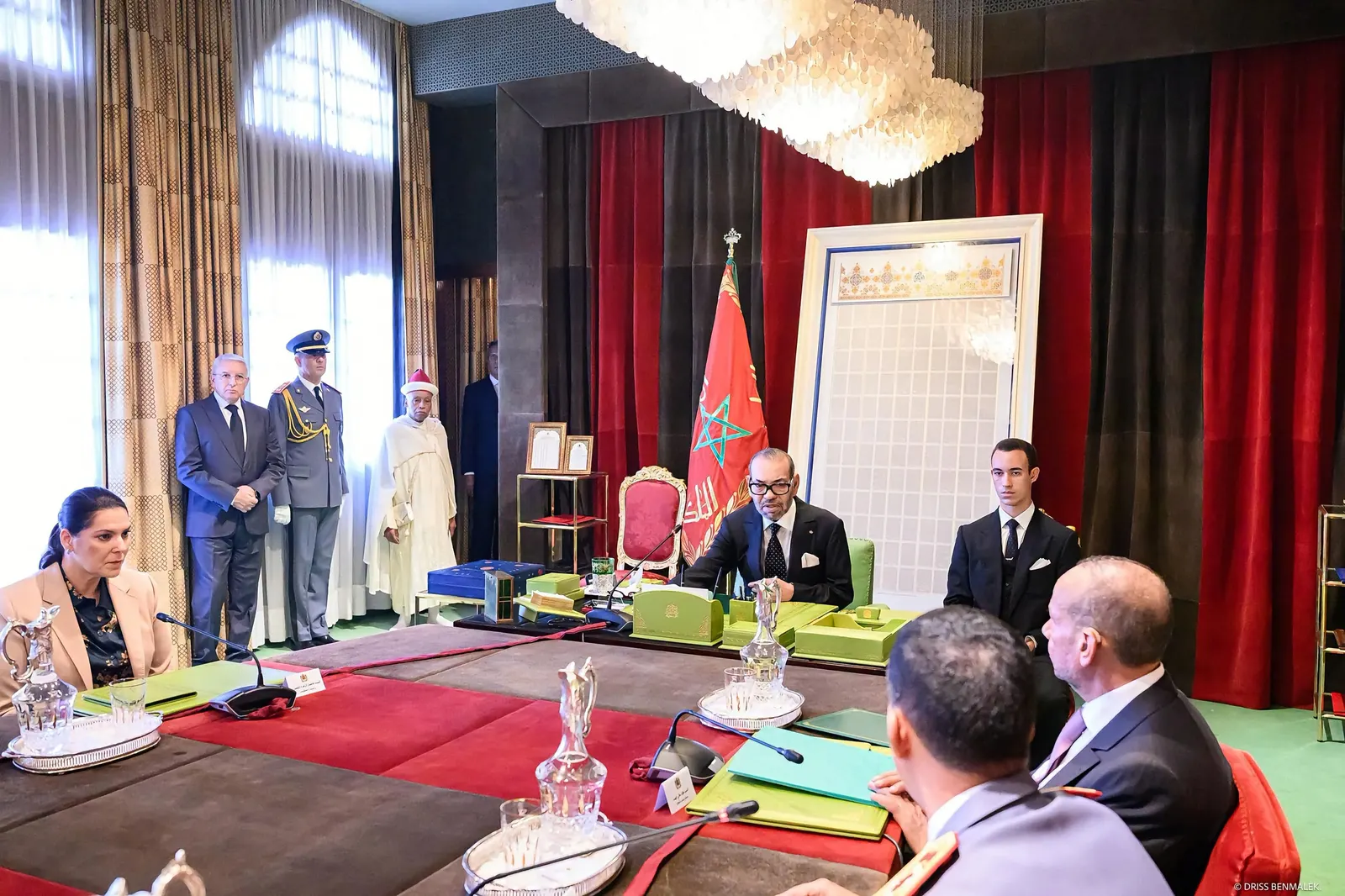
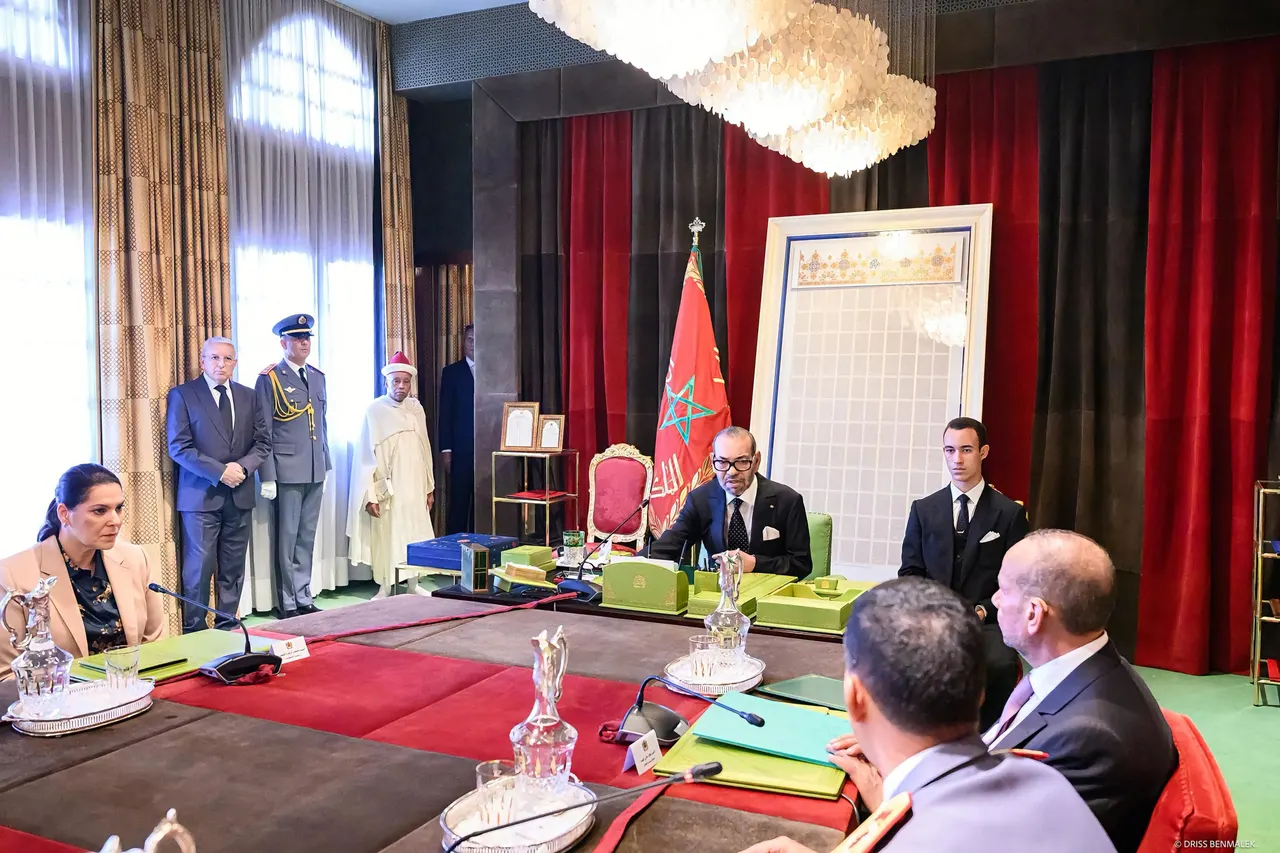
Two framework agreements to fund and deploy Morocco’s defence and security industry were signed in Rabat on 25 November at a ceremony chaired by King Mohammed VI.
Maghreb · Security
Latest security news concerning Maghreb.
Newest to oldest
Two framework agreements to fund and deploy Morocco’s defence and security industry were signed in Rabat on 25 November at a ceremony chaired by King Mohammed VI.
The Interior Ministry has announced field tests of its mobile public warning system in several areas before its planned December launch.
A roadmap for the defence and security industries was presented in Rabat on 18 November at a meeting chaired by King Mohammed VI.
A first group of MINURSO personnel left Laayoune on 16 November 2026, according to reporting by Le360 and Hespress. The withdrawal has thus reached the stage of actual departures.
The US mission to the UN announced on 15 November 2026 that Mike Waltz would travel to Lebanon and Morocco from 15 to 17 November, according to Médias24 and LeBrief. The Moroccan leg is set to address the Moroccan Sahara and regional security.
Media reports describe exchanges of fire near the defensive berm in the Moroccan Sahara overnight on 14–15 November 2026, without official confirmation in the sources consulted. Assahifa relays prospectors’ accounts cited by Sahara Media.
The DGSSI has announced an ECOWAS Women in Cybersecurity week in Rabat on 16–20 November 2026, in a statement reported on 14 November. It aims to strengthen technical skills and women’s participation in sector decisions.
Police say they arrested a 15-year-old student in Casablanca on 13 November 2026 on suspicion of falsely reporting a terrorist threat against schools. Al Jabr resumed activities after a lockdown.
Qouloub Feitah presented National Human Rights Council figures to MPs on 12 November 2026 on responses to torture-prevention recommendations, Hespress and Fès News reported.
DGSSI issued a critical alert on 12 November 2026 about a campaign targeting ScreenConnect cloud consoles and IT service providers. The international figures cited are not a tally of attacks in Morocco.
In a statement issued on the evening of 11 November and relayed by APS on 12 November 2026, SMACO warned of humanitarian consequences from the cessation of MINURSO-related mine-clearance operations in the Moroccan Sahara.
Polisario’s national secretariat announced general mobilisation on 10 November 2026 after a meeting chaired by Brahim Ghali, according to its statement published by SPS and reported by Assahifa.
This dossier follows Morocco's strategy for developing its defence and security industries.
View file →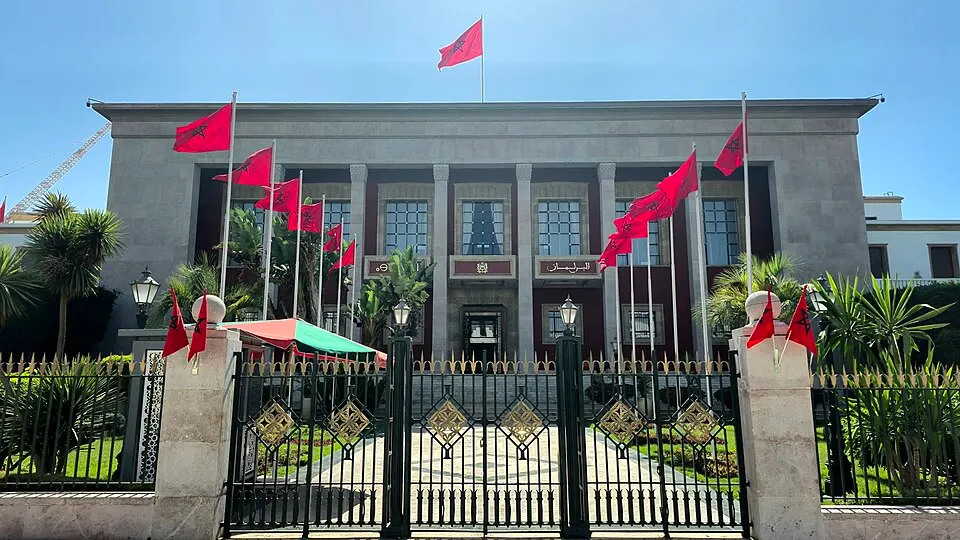
This dossier follows scrutiny of Morocco’s 2027 finance bill: taxes, social allocations, investment and public commitments through possible enactment.
View file →This dossier traces the origins and transformation of the Moroccan Sahara conflict: historical ties and allegiances, Spanish colonial rule from 1884, decolonisation, war, the referendum process, the autonomy proposal and diplomacy through 17 October 2026. It also covers populations, Hassani culture, Tindouf refugees, prisoners and missing persons, human rights, resources and trade agreements. Morocco claims the territory on grounds of territorial integrity and historical ties; the Polisario Front seeks independence through self-determination, with Algerian support. Mauritania withdrew from the territorial conflict in 1979 but remains involved through neighbourhood interests and negotiations. Morocco administers the principal cities and Atlantic coast; the military berm is not an agreed international border. The dossier distinguishes effective control, sovereignty claims, bilateral recognition and status in international institutions. In 1975, the ICJ recognised allegiance ties with certain tribes without finding territorial sovereignty that would exclude self-determination. The settlement plan accepted in 1988 and MINURSO established in 1991 did not deliver the planned referendum. The Baker initiatives and Morocco’s 2007 autonomy plan shifted negotiations towards institutions, safeguards and consent. US, Spanish, French and British positions use different wording and should not be counted as identical acts. Sources accompany each milestone. “Moroccan Sahara” is the editorial designation; UN and court documents generally use “Western Sahara.” Their substantive qualifications are preserved. No map is used. Day-level dates do not imply a known time of day.
View file →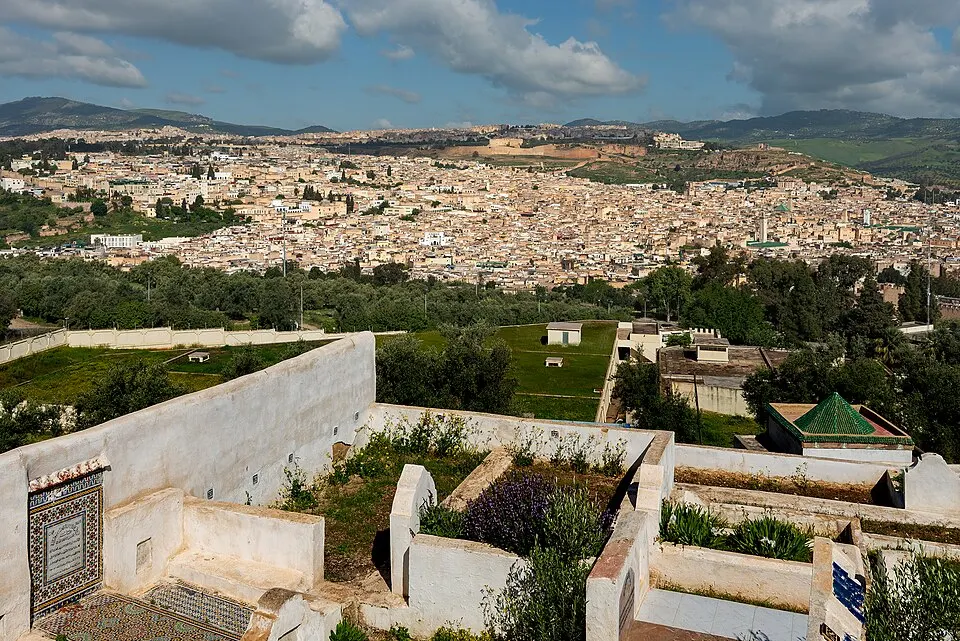
Tracking UPF’s summit and announced regional digital projects.
View file →