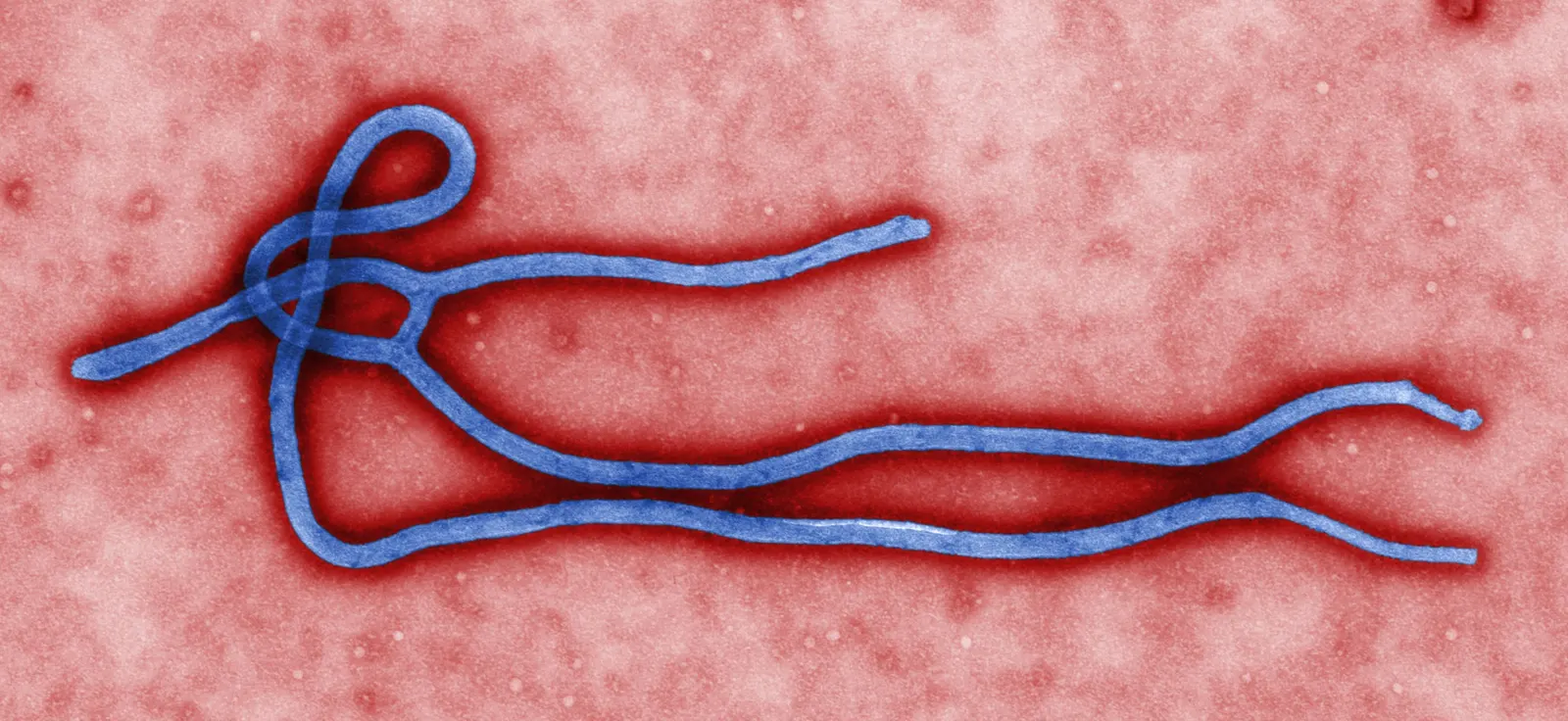
The World Health Organization called on November 22 for the safe evacuation of health workers and Ebola response partners who had sheltered for more than 24 hours in a hospital in Ituri, DR Congo, amid nearby fighting.
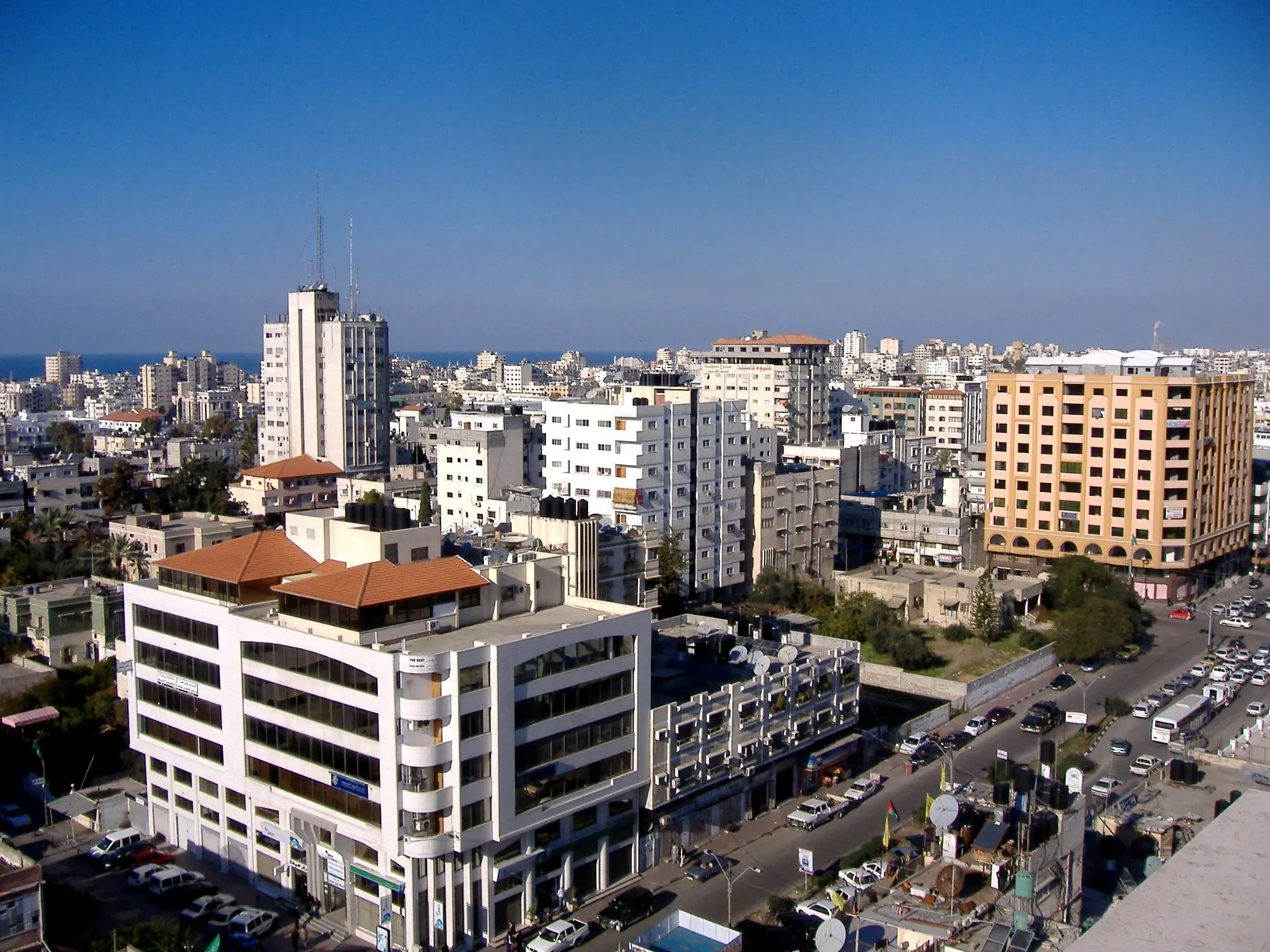
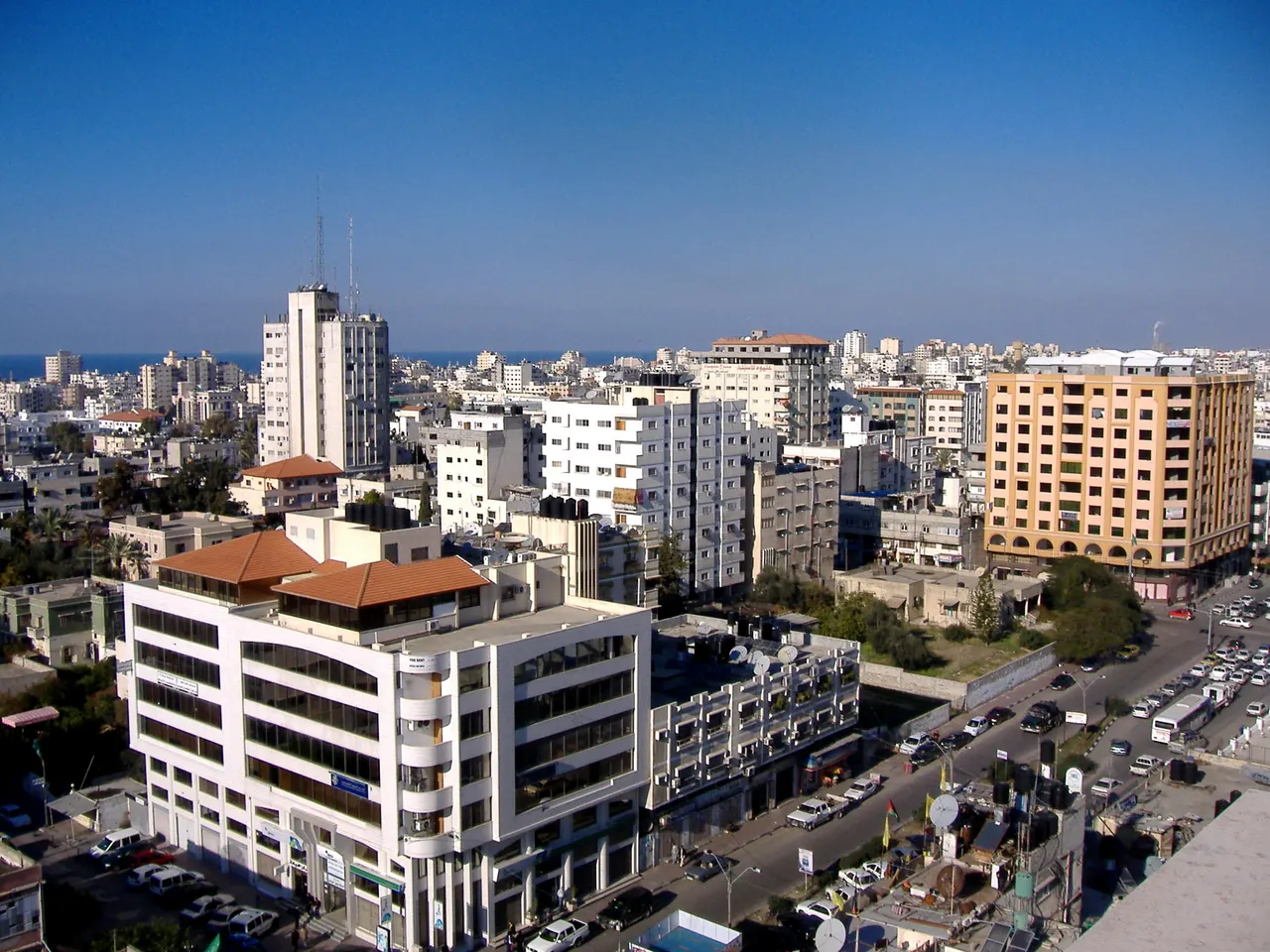
An Israeli strike killed three Palestinians in a vehicle carrying meals for displaced people in Gaza City on 21 November, according to medical sources and witnesses.
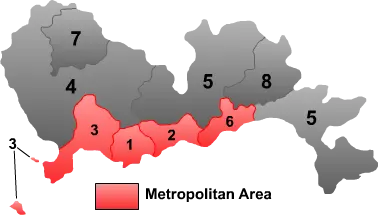
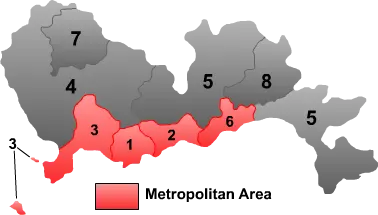
Chinese President Xi Jinping, US President Donald Trump and Russian President Vladimir Putin met in Shenzhen on 19 November on the sidelines of the APEC summit. They issued a joint declaration on peace and nuclear risks.
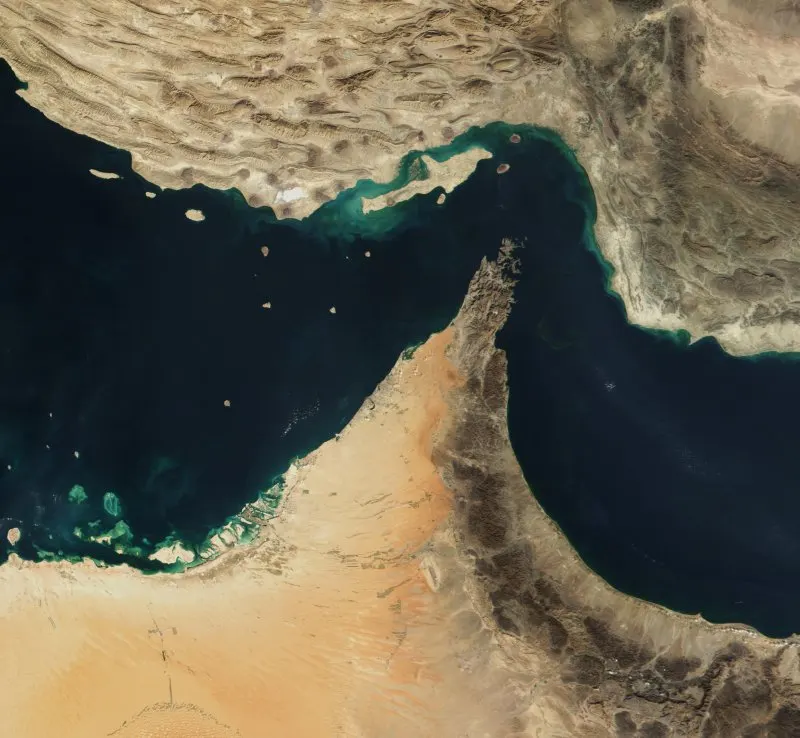
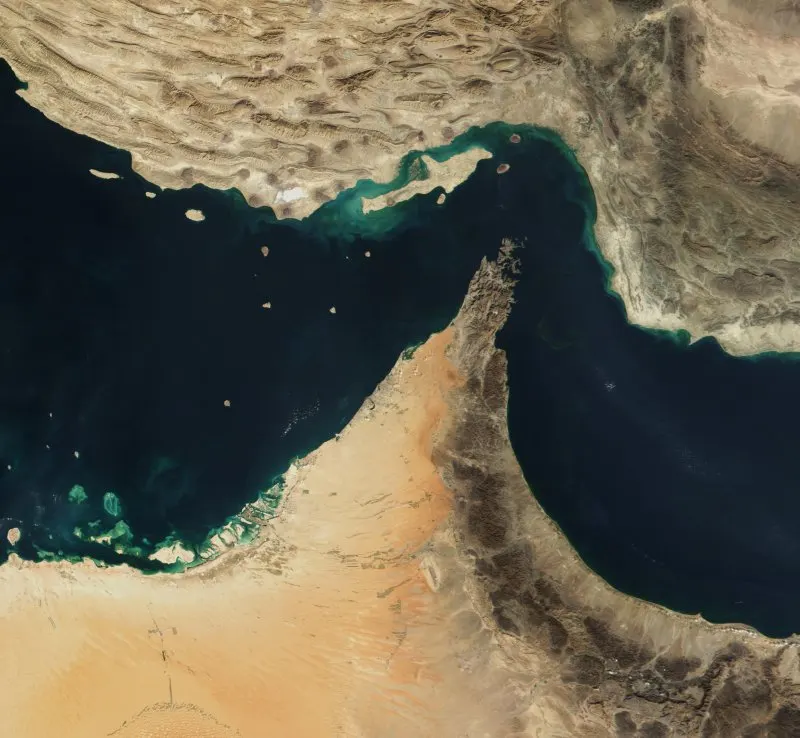
ADNOC Logistics and Services said on 18 November that one crew member remained missing and 11 others were injured after one of its vessels was attacked in the Strait of Hormuz the previous evening.
The United States struck a missile launch site on Iran’s Qeshm Island on 17 November, according to a US military official quoted by several news outlets.
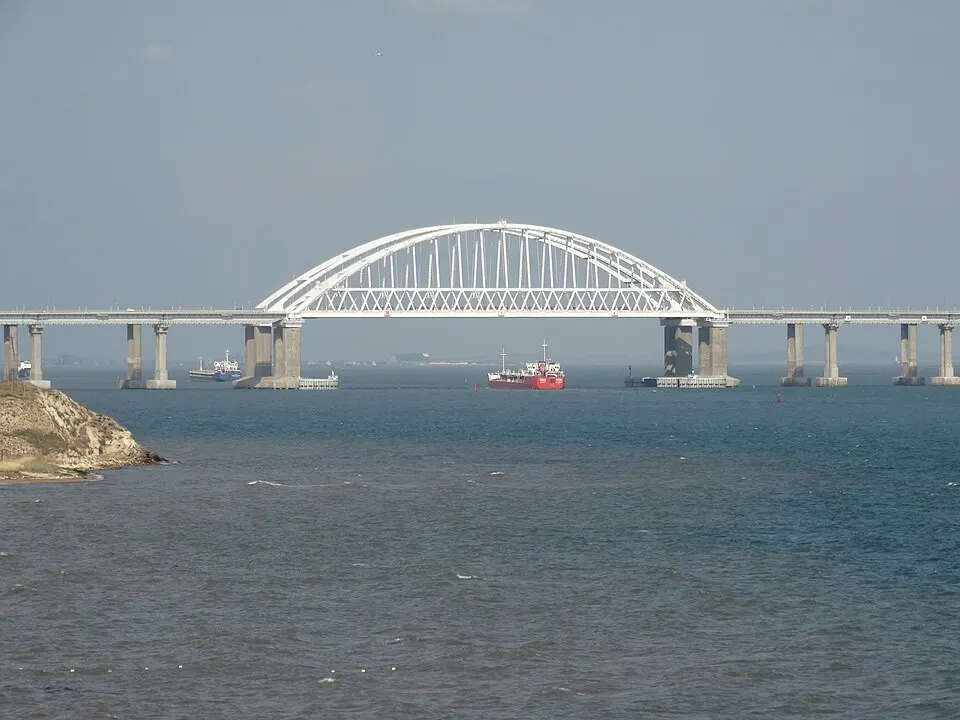
A new Ukrainian attack targeted the Crimean Bridge overnight on 16–17 November 2026. Moscow-installed authorities announced suspended traffic, while Kyiv claims major damage to the link between Russia and the occupied peninsula.
Omani and Iranian foreign ministers Badr Albusaidi and Abbas Araghchi met in Muscat on 17 November 2026, according to Oman’s Foreign Ministry. Maritime corridor security and ways to revive negotiations were on the agenda.
Iran claimed a drone attack on a US radar at Bahrain’s Sheikh Isa base on 17 November 2026. Bahraini authorities said they intercepted the threats; destruction of the target is not independently established.
UKMTO reported an attack on a tanker about seven nautical miles north of Khasab, Oman, on 16 November 2026. Citing a third-party report, the British body said the vessel was disabled and a fire had broken out in its engine room.
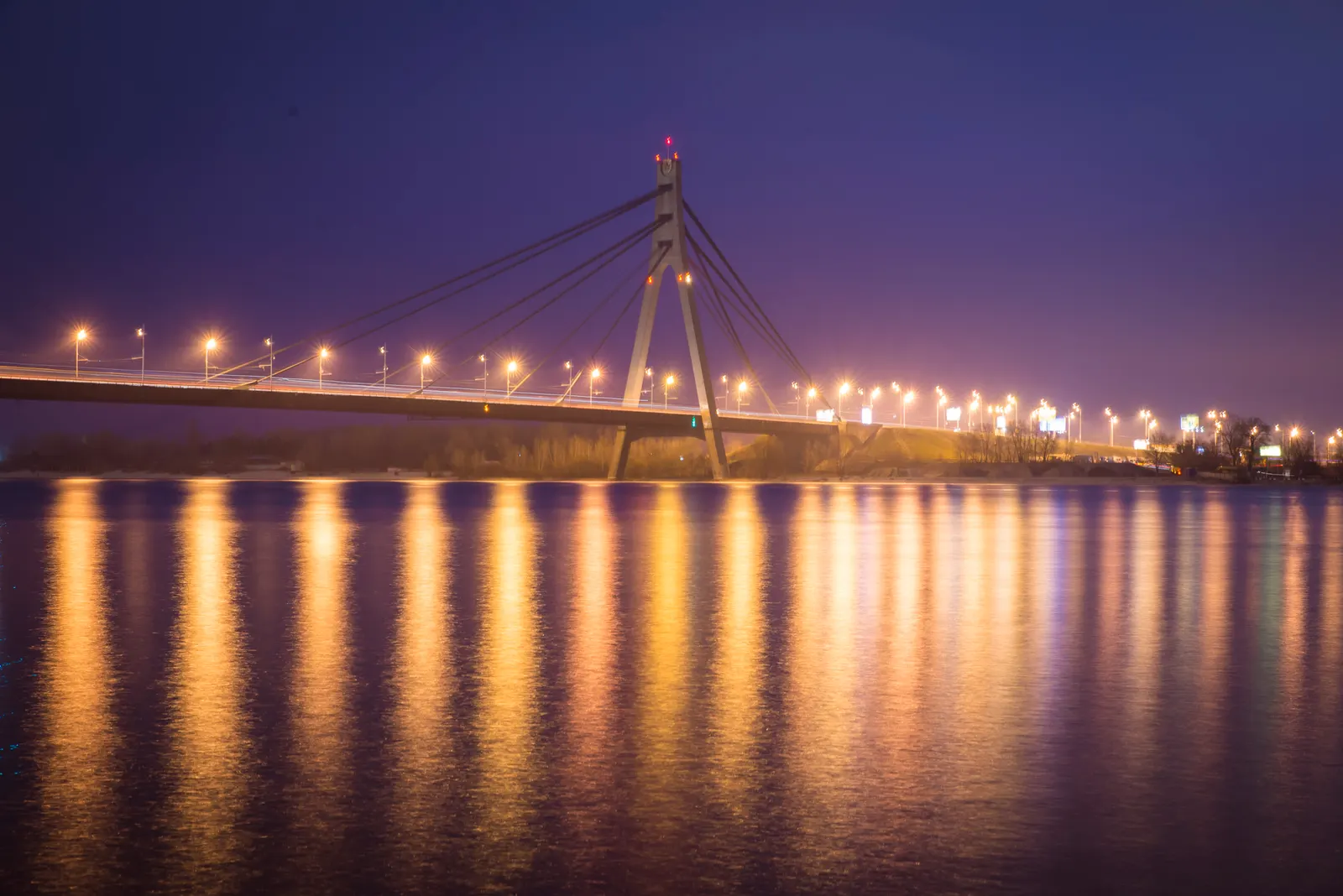
Russian strikes hit Kyiv's Northern and Southern bridges late on 16 November 2026, according to Mayor Vitali Klitschko's preliminary information. He also reported damage to critical infrastructure and water and heating cuts in some districts.
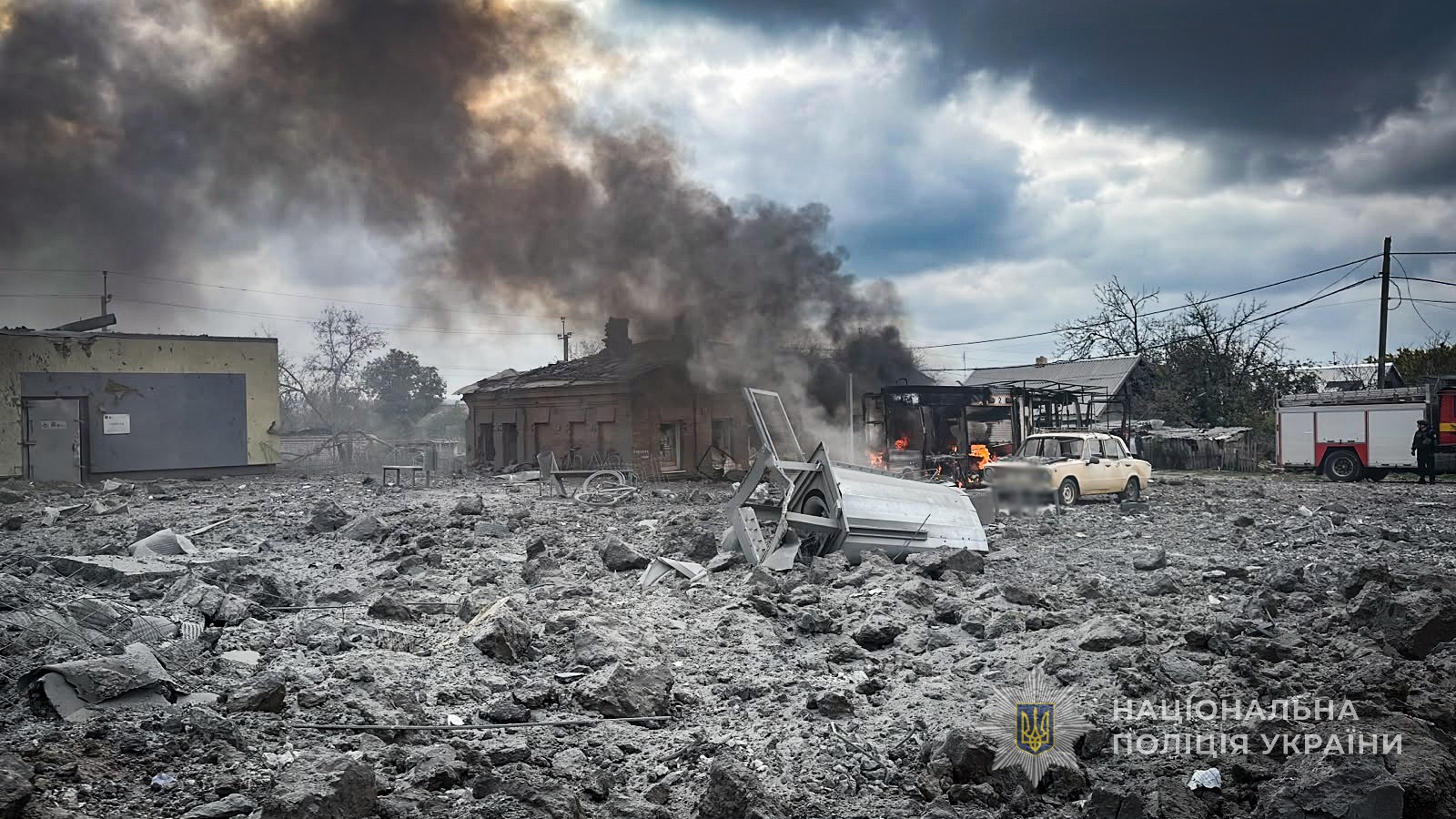
Ukrainian authorities announced on 16 November 2026 that searches had ended in Komyshuvakha, Zaporizhzhia Oblast, following the 2 November attack. They reported 72 dead and four people still missing.
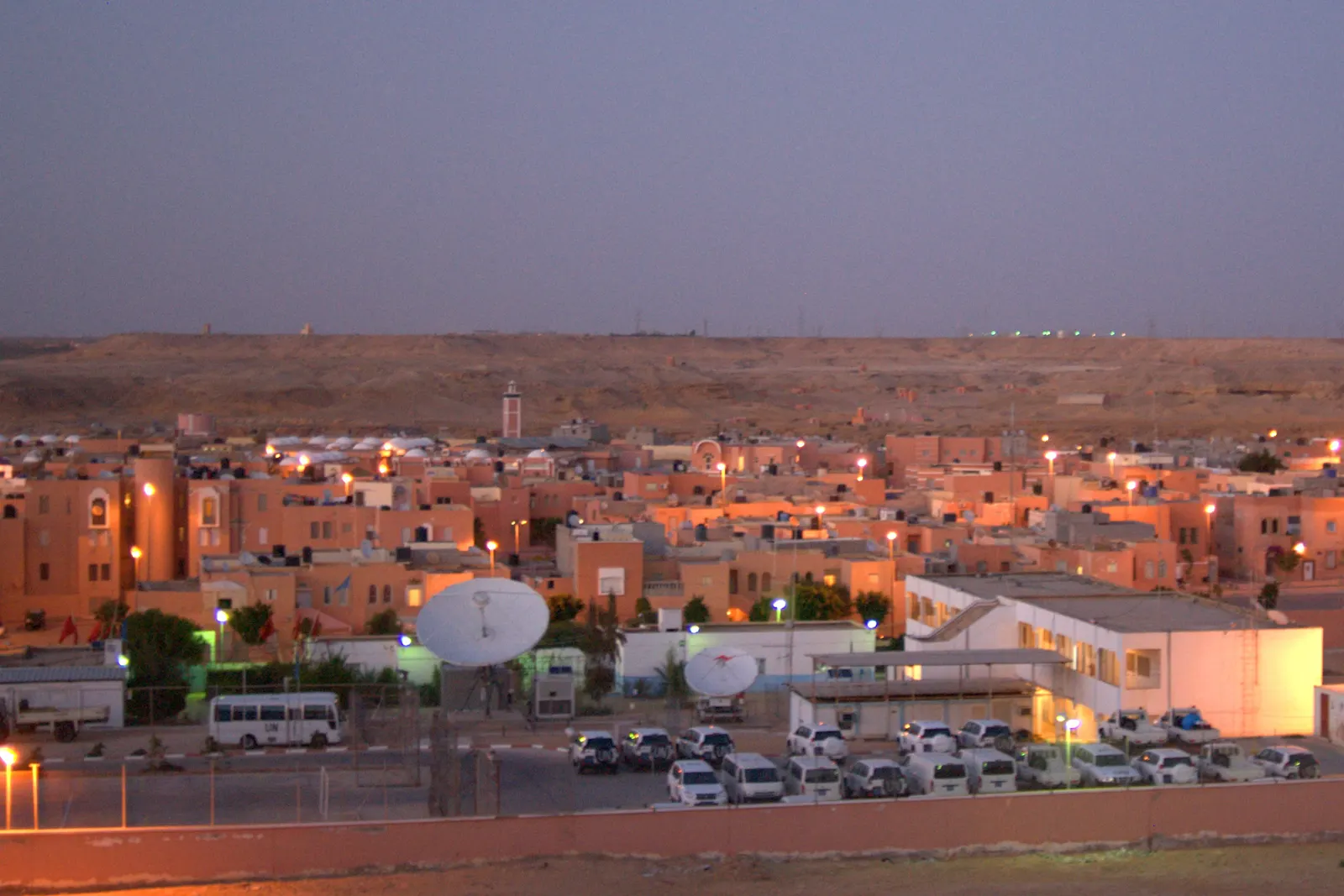
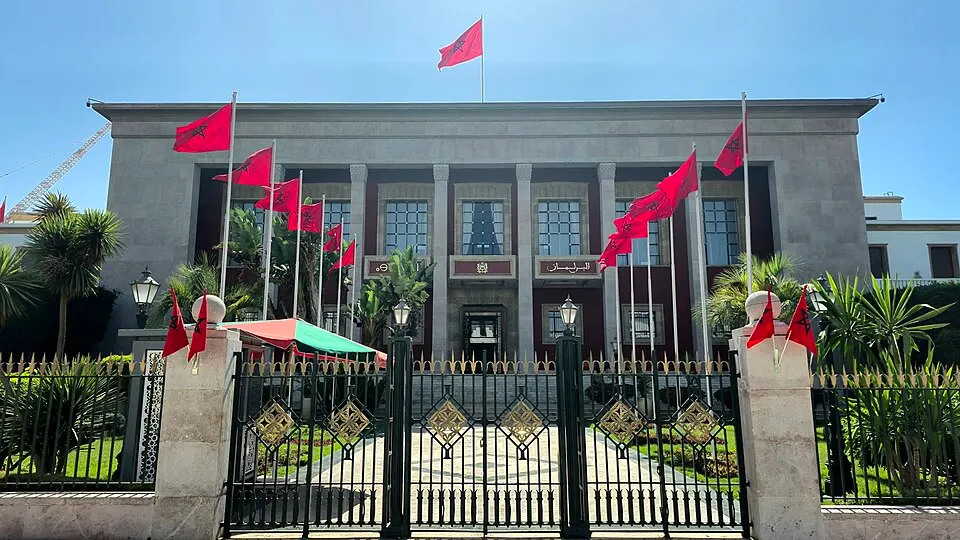
A first group of MINURSO personnel left Laayoune on 16 November 2026, according to reporting by Le360 and Hespress. The withdrawal has thus reached the stage of actual departures.
This dossier traces the Russia–Ukraine war from the seizure of Crimea and the start of fighting in the Donbas in 2014, through the full-scale invasion of 24 February 2022 and its military, diplomatic, economic and humanitarian consequences. It distinguishes recognised sovereignty, claimed annexations and actual military control.
Earlier milestones explain relations between the two states since Ukrainian independence in 1991: the 1994 Budapest security assurances, the 1997 friendship treaty, the 2003 Tuzla crisis, gas disputes and the 2010 Kharkiv agreements. The suspension of preparations for the European Union agreement in November 2013 opens the Euromaidan crisis. These antecedents are distinguished from the war that began in 2014; each entry links to its sources.
The timeline follows Ilovaisk, Donetsk airport, Debaltseve, the Minsk agreements, disengagement attempts, fighting and the humanitarian crisis in Avdiivka in 2017, the trade blockade, detainee exchanges and the Kerch maritime crisis. It then documents the war’s expansion, Ukrainian territorial recaptures, Bakhmut, international justice, grain, energy, external assistance and negotiations. Retrospective investigations are identified and claims remain attributed.
This selection of turning points includes canonical occurrences from the archived energy dossier. It expands previously sparse years without providing an exhaustive daily record: local fighting, successive sanctions, all weapons deliveries and population displacement are not detailed. Cumulative military losses and complete territorial control remain coverage limitations.
This dossier traces the Islamic Republic of Iran from Ruhollah Khomeini’s return in February 1979: the monarchy’s overthrow, the hostage crisis, the Iran-Iraq War, Ali Khamenei’s succession, sanctions, domestic protests and nuclear negotiations. It also follows regional confrontation through Tehran’s allies, rapprochement with Saudi Arabia and the transition to direct Iran-Israel attacks in 2024.
The twelve-day war of June 2025 is distinguished from the conflict opened on 28 February 2026 by US and Israeli strikes. The chronology examines Ali Khamenei’s killing and Mojtaba Khamenei’s succession, civilian victims, regional fronts, energy infrastructure, Hormuz, blockades and attempts at agreement. The Qatari consultations that originally defined this dossier remain integrated into the expanded history.
Sourced entries distinguish established facts, announcements, attributed responsibility and unverified outcomes. The reconstruction selects principal milestones rather than recording every military operation. No final, consistent human toll across all theatres is established here. Dates without a known time are ordered by calendar day.
This dossier traces the modern origins and major stages of the Israeli–Palestinian conflict from the late nineteenth century to today: national movements, the British Mandate, Israel’s creation and the Nakba, wars, occupation and settlements, Palestinian mobilization, peace efforts, political divisions, humanitarian crises and international proceedings. Each published occurrence includes its sources and distinguishes established facts, attributed statements and judicial findings. The timeline needs further detail on local settlement developments, some regional episodes and negotiations; it does not claim to catalogue every incident.
This dossier traces the origins and transformation of the Moroccan Sahara conflict: historical ties and allegiances, Spanish colonial rule from 1884, decolonisation, war, the referendum process, the autonomy proposal and diplomacy through 17 October 2026. It also covers populations, Hassani culture, Tindouf refugees, prisoners and missing persons, human rights, resources and trade agreements.
Morocco claims the territory on grounds of territorial integrity and historical ties; the Polisario Front seeks independence through self-determination, with Algerian support. Mauritania withdrew from the territorial conflict in 1979 but remains involved through neighbourhood interests and negotiations. Morocco administers the principal cities and Atlantic coast; the military berm is not an agreed international border. The dossier distinguishes effective control, sovereignty claims, bilateral recognition and status in international institutions.
In 1975, the ICJ recognised allegiance ties with certain tribes without finding territorial sovereignty that would exclude self-determination. The settlement plan accepted in 1988 and MINURSO established in 1991 did not deliver the planned referendum. The Baker initiatives and Morocco’s 2007 autonomy plan shifted negotiations towards institutions, safeguards and consent. US, Spanish, French and British positions use different wording and should not be counted as identical acts.
Sources accompany each milestone. “Moroccan Sahara” is the editorial designation; UN and court documents generally use “Western Sahara.” Their substantive qualifications are preserved. No map is used. Day-level dates do not imply a known time of day.