England: provisional estimate links 5,258 deaths to summer heat
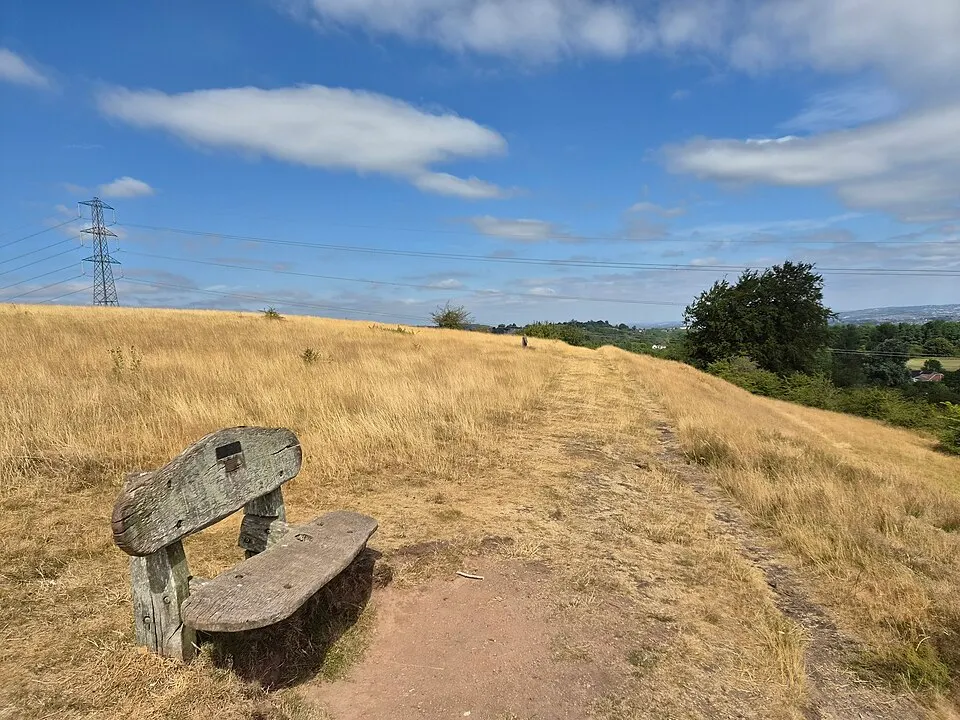
The UK Health Security Agency estimates that 5,258 deaths were associated with heat episodes in England between May and September 2026, according to its report published on 24 November.
Europe · Environment
Latest environment news concerning Europe.
Newest to oldest
The UK Health Security Agency estimates that 5,258 deaths were associated with heat episodes in England between May and September 2026, according to its report published on 24 November.
Meeting in Brussels on 20 November, the European Union and the United Kingdom announced agreements on food trade, youth mobility and linking their carbon markets.
Spain ranks third among countries most affected by extreme weather in 2025 in Germanwatch’s Climate Risk Index 2027, presented on 17 November 2026. The ranking measures past losses rather than forecasting a disaster.
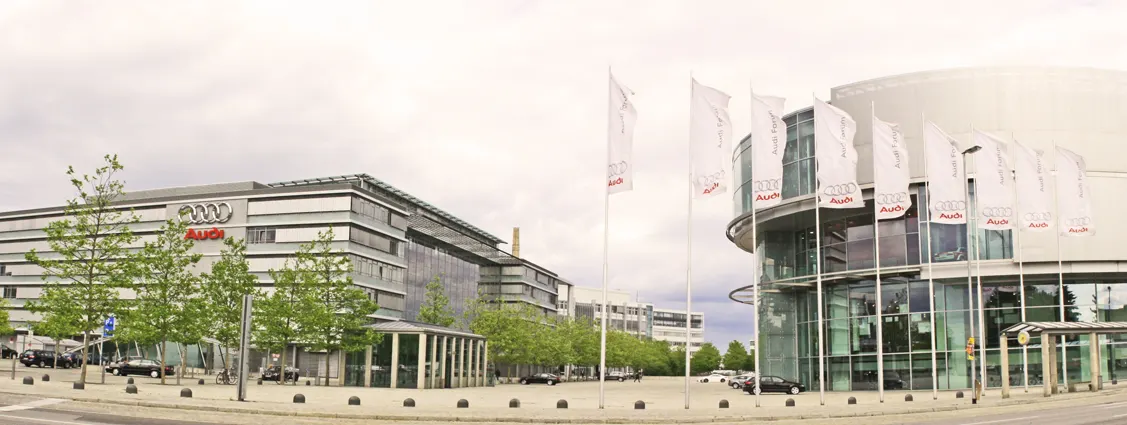
Audi has announced Audi Circular Solutions GmbH, a wholly owned subsidiary due to begin operations in early 2027. Presented in Ingolstadt on 13 November 2026 and covered in the press on 14 November, the project will initially focus on a central sales channel for used genuine parts.
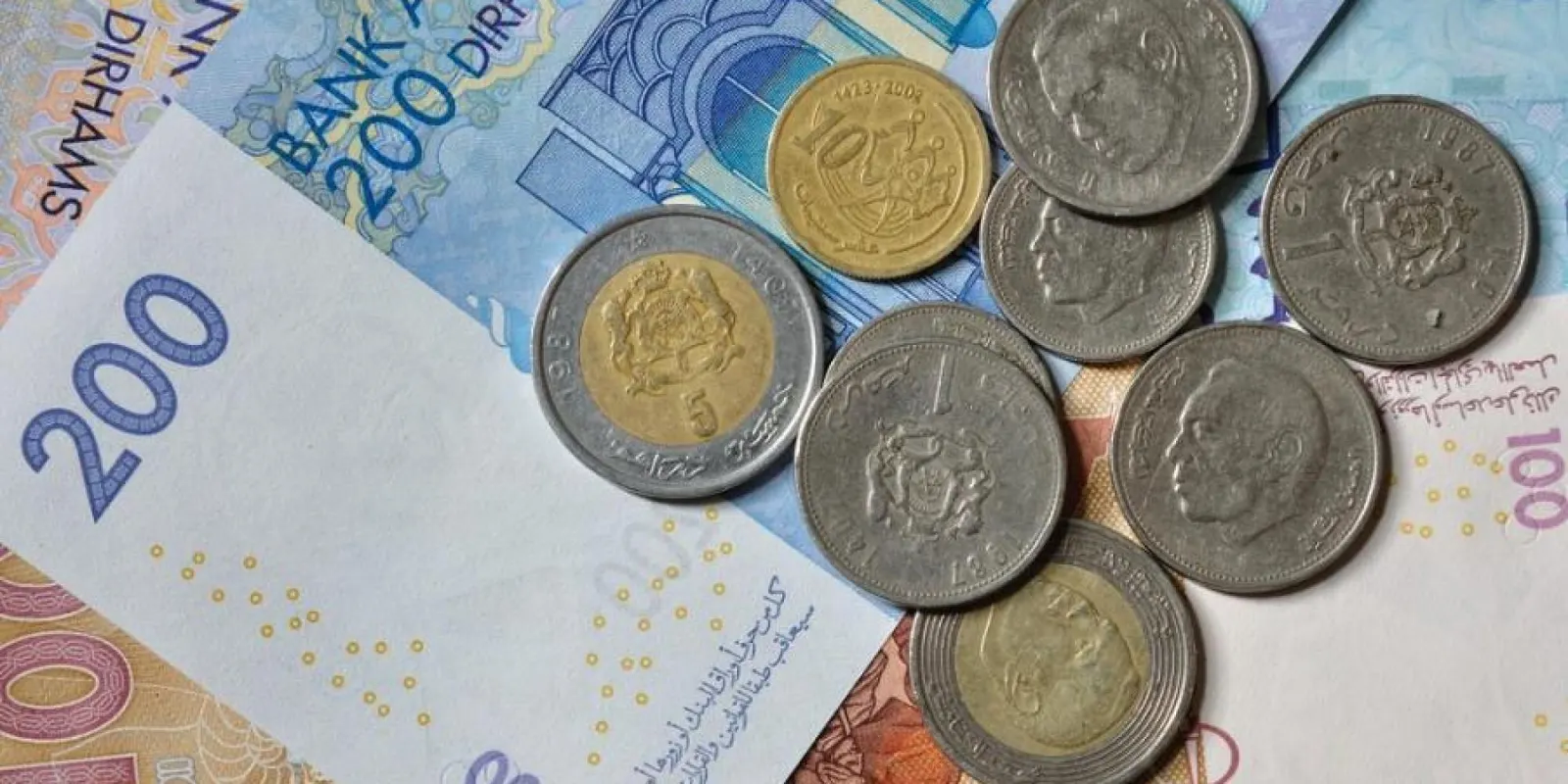
Morocco and Norway signed an emissions-reduction purchase agreement in Antalya on 12 November 2026 to support renewable projects, GGGI announced. The signature completes the previously announced contractual step.
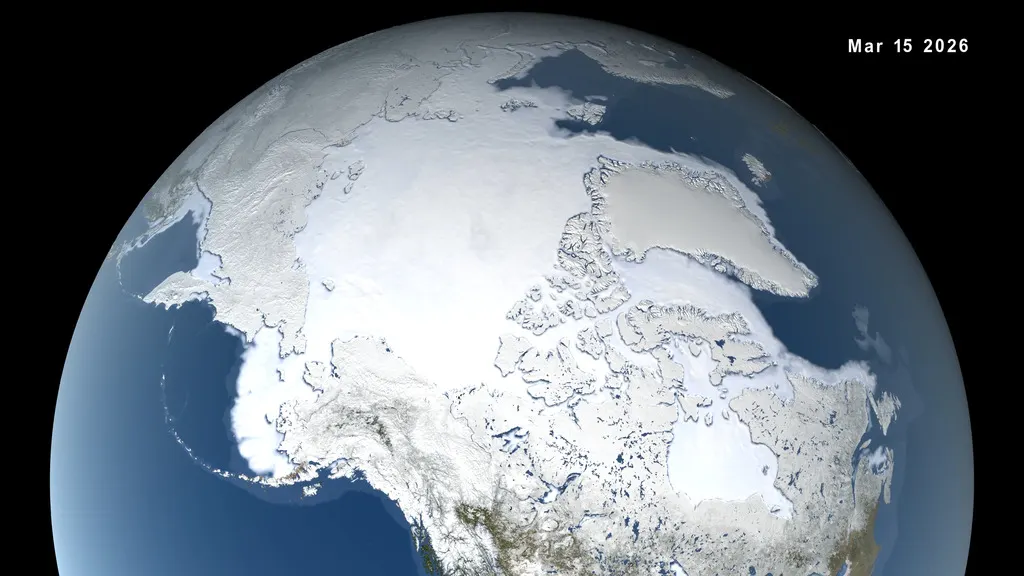
A study published in Frontiers in Water on 12 November 2026 associates lower winter sea ice in the Barents and Kara seas with drier summers along a corridor across eastern Europe.
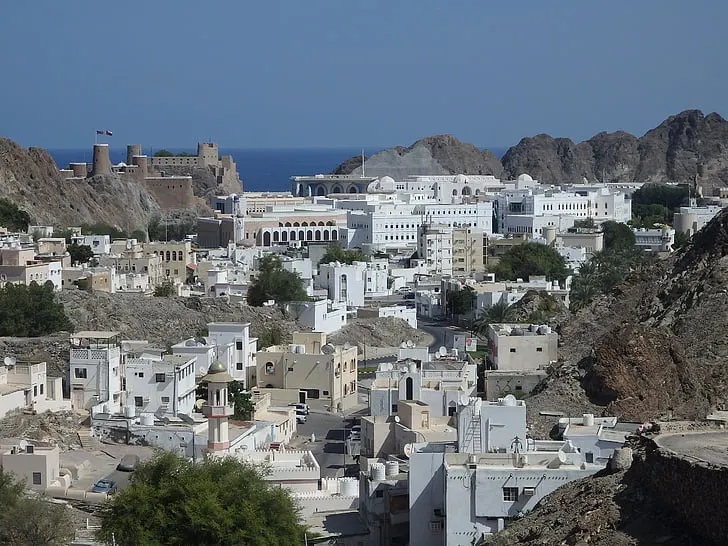
Oman announced two agreements for Duqm projects targeting a combined 121,000 tonnes of green hydrogen annually by 2032 at COP31 in Antalya on 12 November 2026, according to the Oman News Agency carried by local media.
A signing involving CDG Capital, Casablanca Finance City Authority and GGGI's Norwegian NACA facility is announced for 12 November 2026 in Antalya. Barlamane reported the announcement on 11 November.
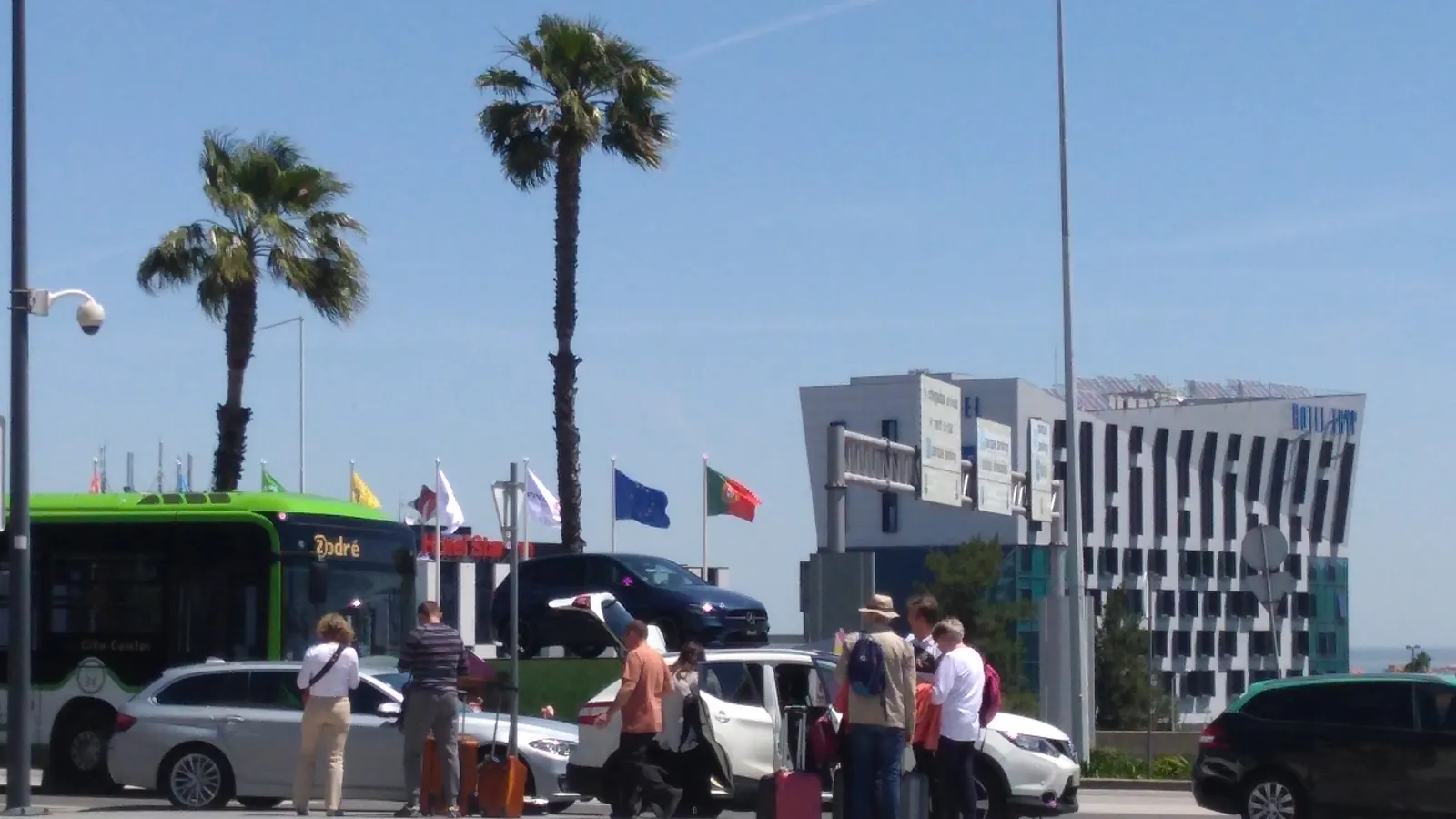
Portugal faces school and non-essential public service closures on 11 November 2026 because of Storm Charles. Morning wind forecasts were lowered, but heavy rain remained a threat, meteorological agency IPMA told RTP and AFP.
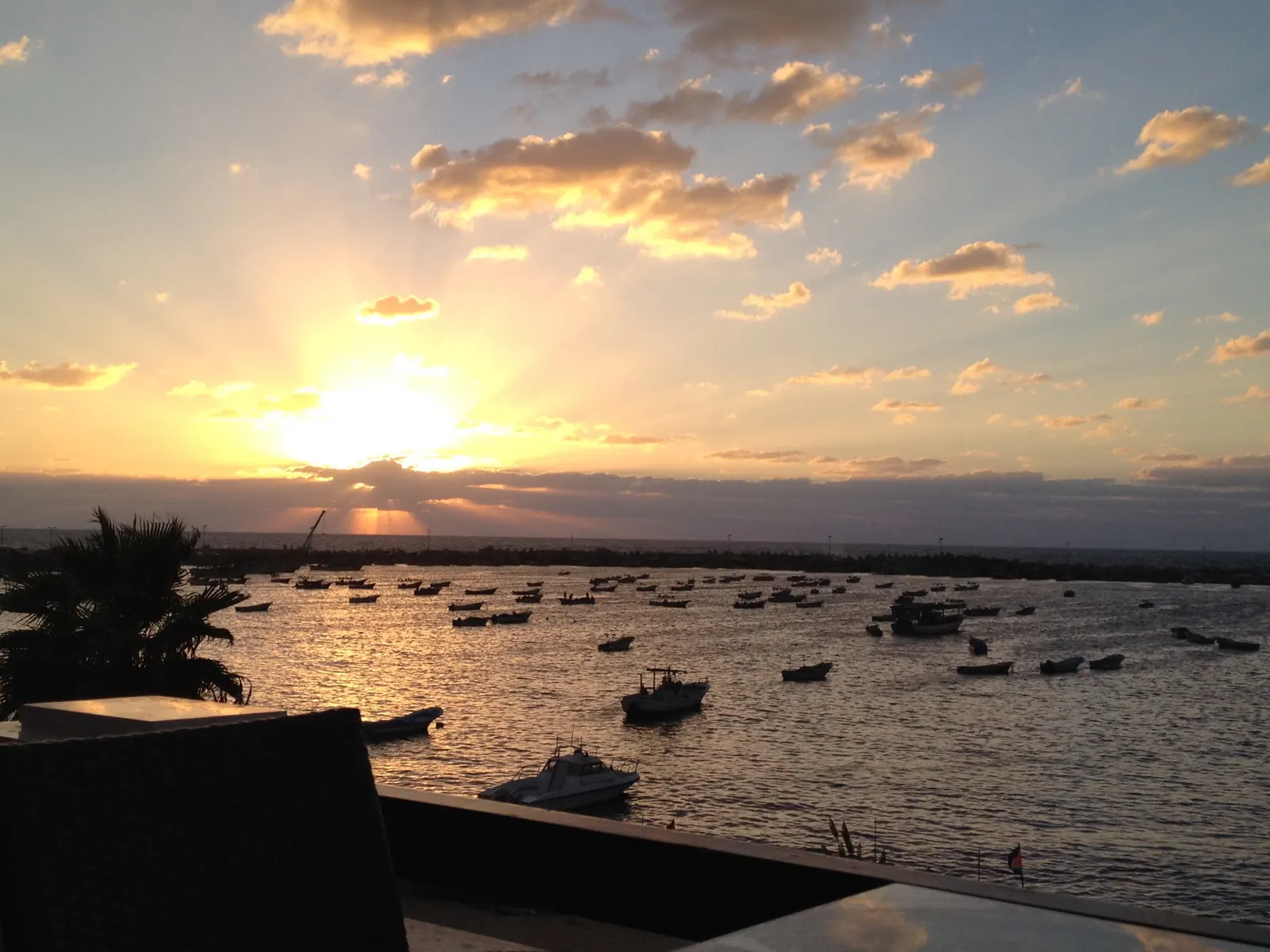
The UN presented on 10 November 2026 a preliminary estimate of more than 200,000 people potentially affected by rainfall in Gaza and needing assistance. Damage had been reported to over 40,000 family shelters and nine health facilities.
The US-backed Board of Peace called on Israel on 9 November 2026 to immediately authorise and facilitate winter and humanitarian supplies into Gaza after flooding in displacement camps.
The EU’s revised battery waste classification applies from 9 November 2026. Decision 2025/934 introduces codes tailored to new chemistries and recycling stages.
This dossier traces the Russia–Ukraine war from the seizure of Crimea and the start of fighting in the Donbas in 2014, through the full-scale invasion of 24 February 2022 and its military, diplomatic, economic and humanitarian consequences. It distinguishes recognised sovereignty, claimed annexations and actual military control. Earlier milestones explain relations between the two states since Ukrainian independence in 1991: the 1994 Budapest security assurances, the 1997 friendship treaty, the 2003 Tuzla crisis, gas disputes and the 2010 Kharkiv agreements. The suspension of preparations for the European Union agreement in November 2013 opens the Euromaidan crisis. These antecedents are distinguished from the war that began in 2014; each entry links to its sources. The timeline follows Ilovaisk, Donetsk airport, Debaltseve, the Minsk agreements, disengagement attempts, fighting and the humanitarian crisis in Avdiivka in 2017, the trade blockade, detainee exchanges and the Kerch maritime crisis. It then documents the war’s expansion, Ukrainian territorial recaptures, Bakhmut, international justice, grain, energy, external assistance and negotiations. Retrospective investigations are identified and claims remain attributed. This selection of turning points includes canonical occurrences from the archived energy dossier. It expands previously sparse years without providing an exhaustive daily record: local fighting, successive sanctions, all weapons deliveries and population displacement are not detailed. Cumulative military losses and complete territorial control remain coverage limitations.
View file →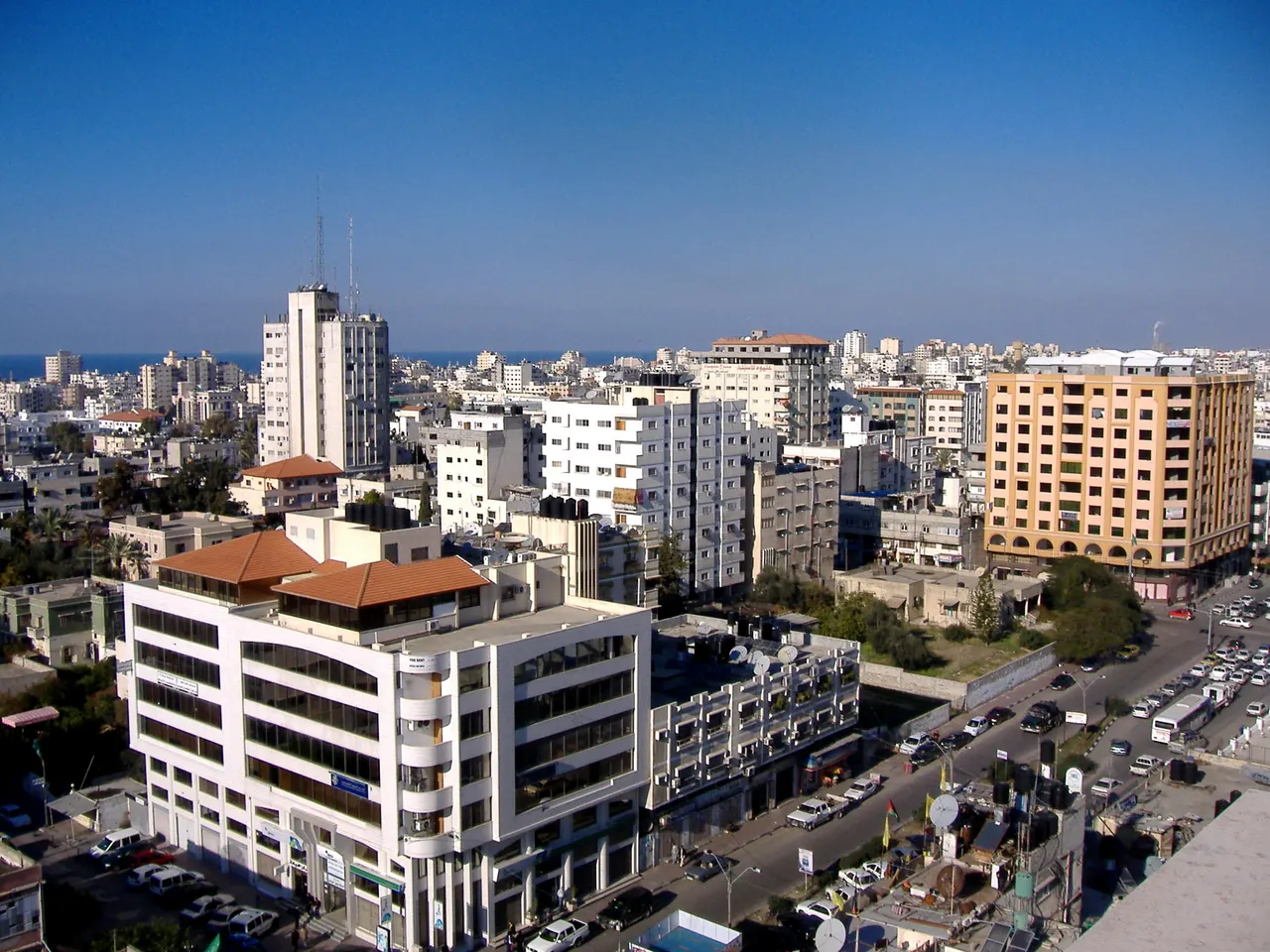
This dossier traces the modern origins and major stages of the Israeli–Palestinian conflict from the late nineteenth century to today: national movements, the British Mandate, Israel’s creation and the Nakba, wars, occupation and settlements, Palestinian mobilization, peace efforts, political divisions, humanitarian crises and international proceedings. Each published occurrence includes its sources and distinguishes established facts, attributed statements and judicial findings. The timeline needs further detail on local settlement developments, some regional episodes and negotiations; it does not claim to catalogue every incident.
View file →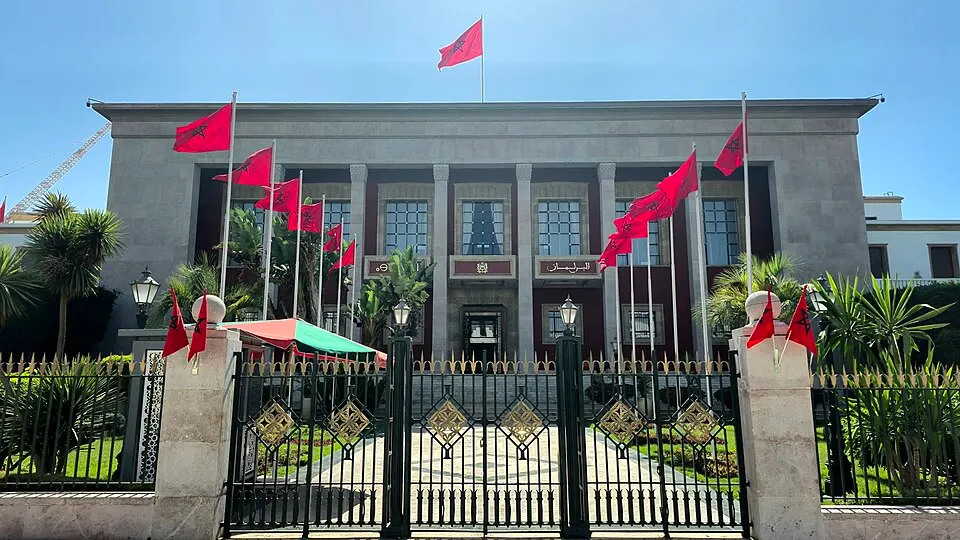
This dossier traces the origins and transformation of the Moroccan Sahara conflict: historical ties and allegiances, Spanish colonial rule from 1884, decolonisation, war, the referendum process, the autonomy proposal and diplomacy through 17 October 2026. It also covers populations, Hassani culture, Tindouf refugees, prisoners and missing persons, human rights, resources and trade agreements. Morocco claims the territory on grounds of territorial integrity and historical ties; the Polisario Front seeks independence through self-determination, with Algerian support. Mauritania withdrew from the territorial conflict in 1979 but remains involved through neighbourhood interests and negotiations. Morocco administers the principal cities and Atlantic coast; the military berm is not an agreed international border. The dossier distinguishes effective control, sovereignty claims, bilateral recognition and status in international institutions. In 1975, the ICJ recognised allegiance ties with certain tribes without finding territorial sovereignty that would exclude self-determination. The settlement plan accepted in 1988 and MINURSO established in 1991 did not deliver the planned referendum. The Baker initiatives and Morocco’s 2007 autonomy plan shifted negotiations towards institutions, safeguards and consent. US, Spanish, French and British positions use different wording and should not be counted as identical acts. Sources accompany each milestone. “Moroccan Sahara” is the editorial designation; UN and court documents generally use “Western Sahara.” Their substantive qualifications are preserved. No map is used. Day-level dates do not imply a known time of day.
View file →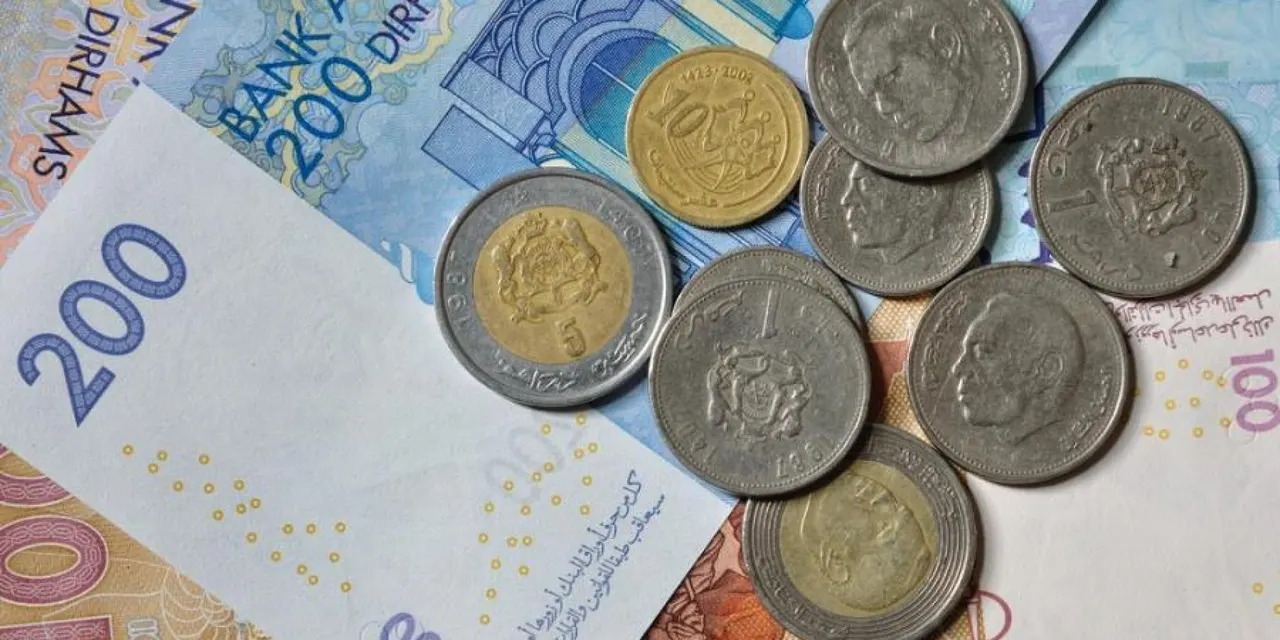
This dossier follows Morocco–Norway cooperation on purchases of emissions reductions and financing for renewable projects. It distinguishes contractual preparations, signing and documented transfers.
View file →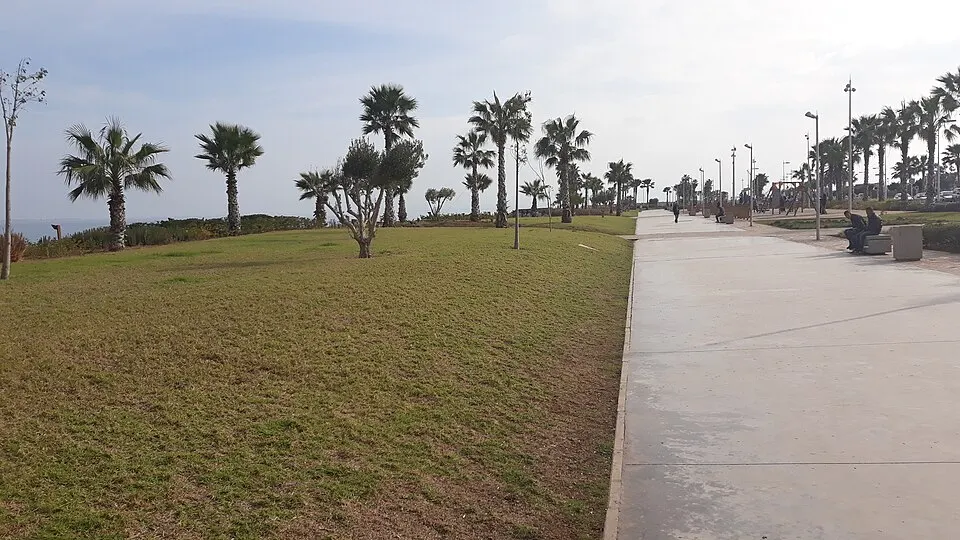
This dossier follows the launch of Nador West Med terminals and announced stages of its industrial and logistics development.
View file →
This dossier traces Mohammed VI’s public activities since his accession on 23 July 1999: speeches, decisions and audiences, visits within Morocco and abroad, institutional and social reforms, major projects and Royal Office statements. It distinguishes announced directions, decisions and documented delivery. Full speeches and messages: the Communication Ministry’s six official collections provide access to archives from July 1999 to June 2024: 1999–2001 · 2002–2005 · 2006–2009 · 2010–2014 · 2015–2019 · 2019–June 2024. Maroc.ma’s archive extends access to recent speeches, including 2026. Each selected speech entry links to an official document or identified transcript. Full texts are available at the linked sources; they are not reproduced in full on Moojaz. The 2026 edition of the official collection adds further documents. Landmark readings include the 31 January 2017 Addis Ababa address and the 31 October 2025 address, both linked in French.
View file →