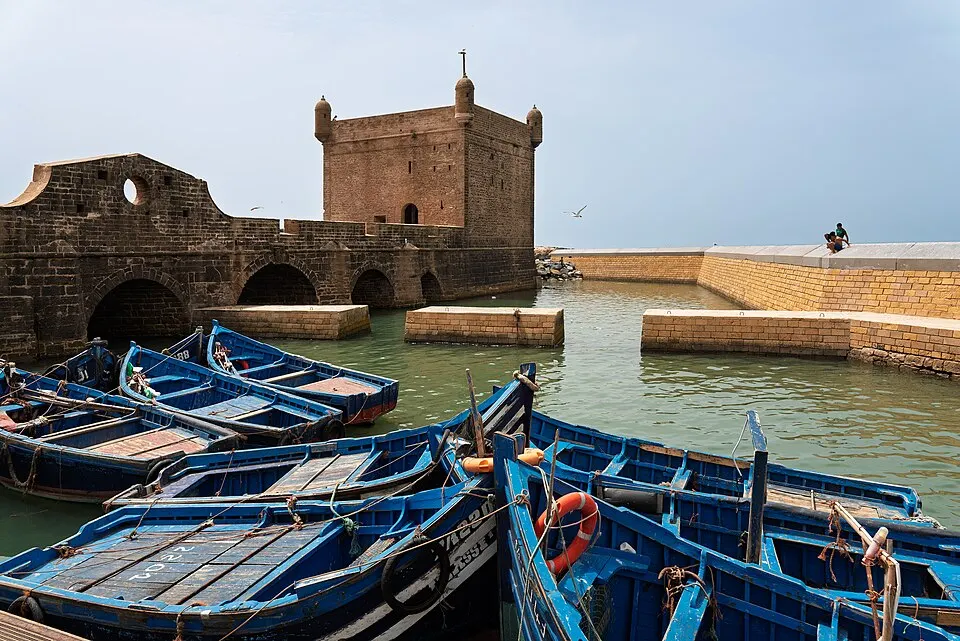
Morocco’s fisheries ministry announced on 17 November 2026 a temporary bottom-trawling ban in the ten-nautical-mile coastal strip between Cape Spartel and Sidi El Ghazi, from 18 November to 22 December.
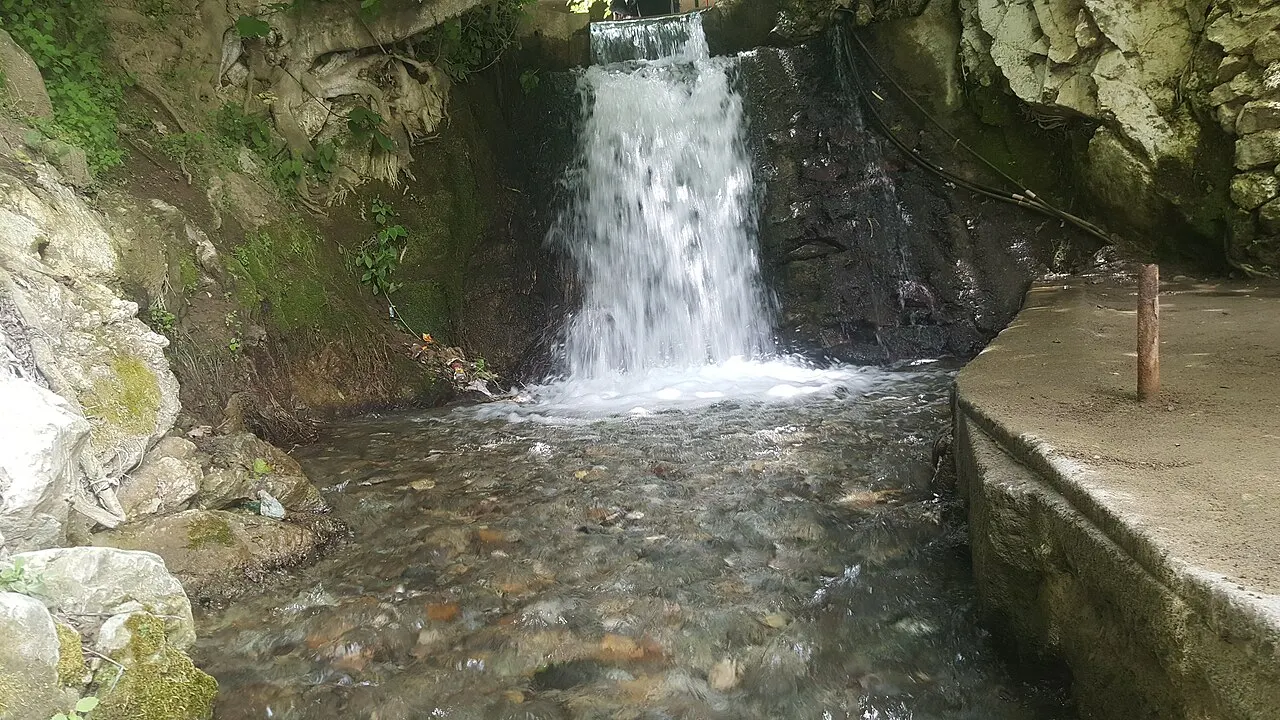
Bouadel residents and political, union and civil society organizations marched on 15 November 2026 in Taounate province against the spring-water bottling project. Lakome2 and a signed SATV report describe the mobilization.
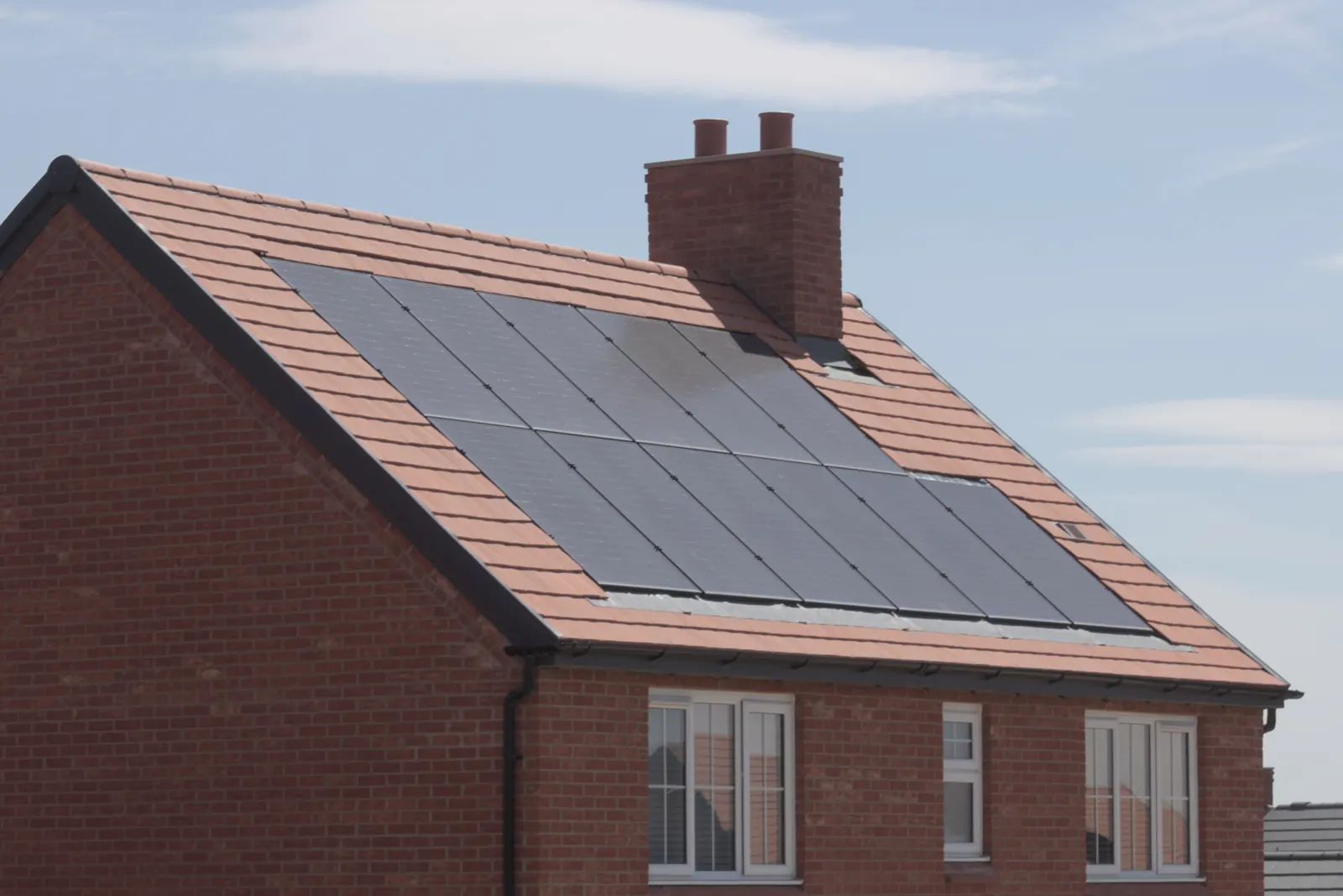
The Diamant Frigo cold-storage platform in Berrechid province is scheduled for inauguration on 19 November 2026. Presentations reported on the evening of 13 November highlight food storage, solar power and artificial-intelligence-based management.
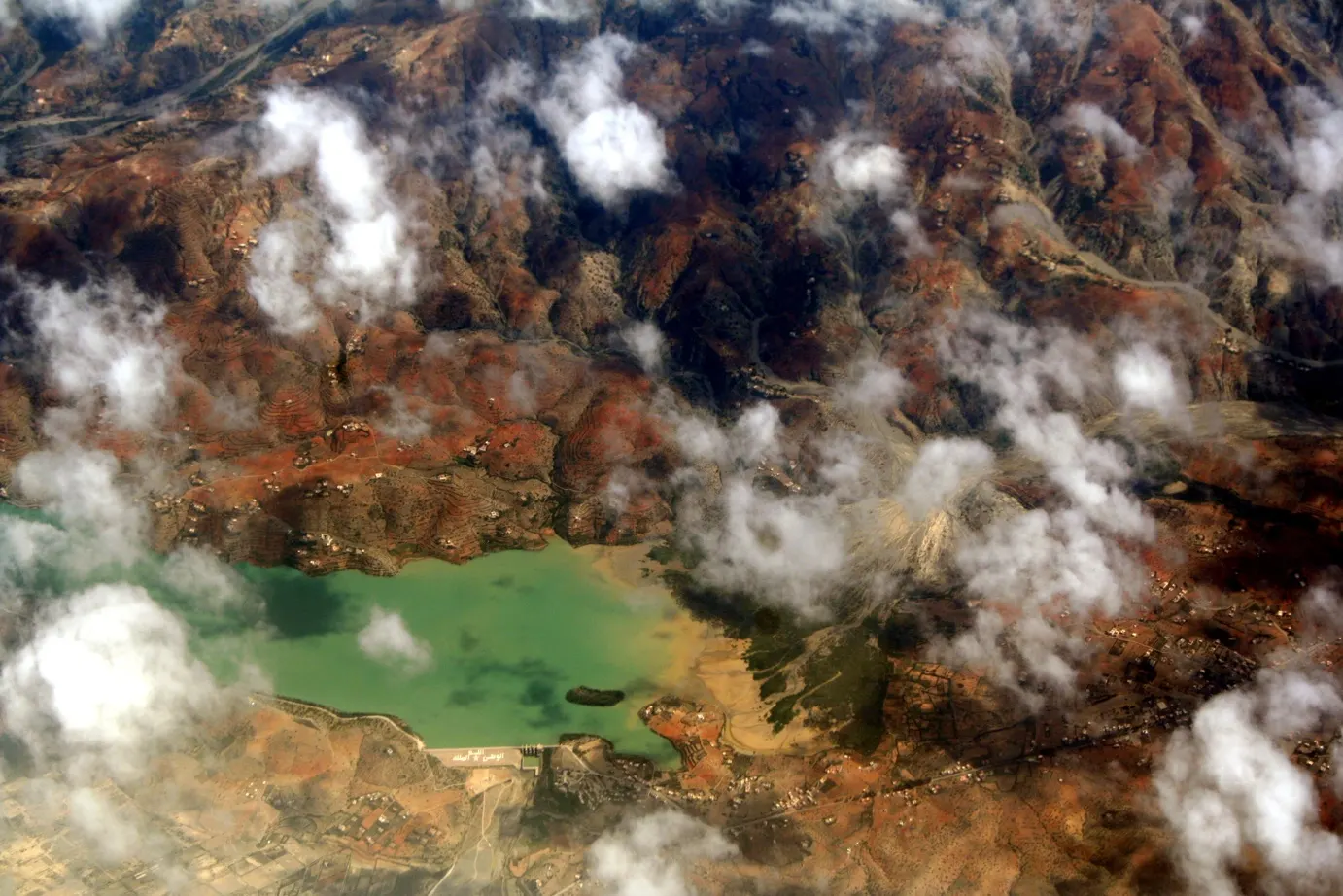
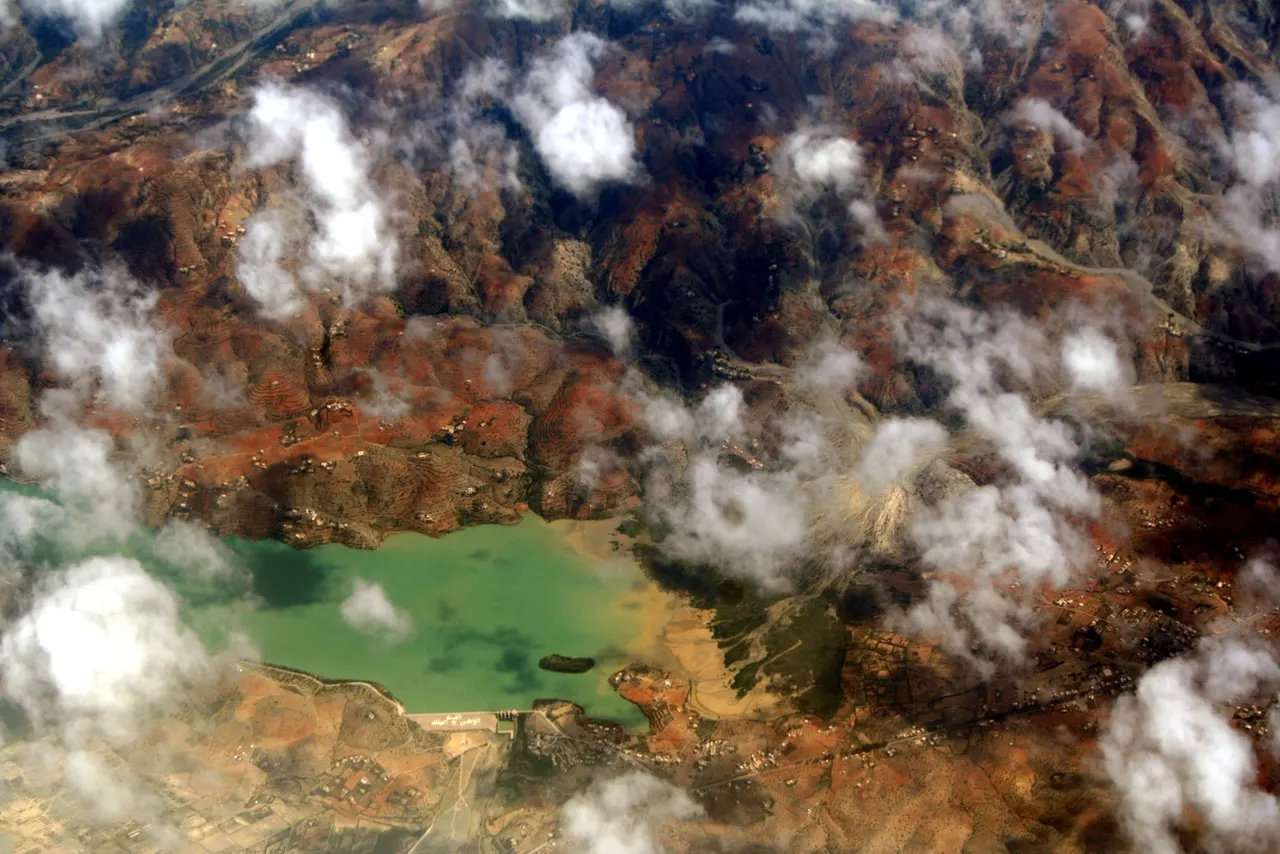
Morocco’s dams held 11.27 billion cubic metres on 13 November 2026, or 66.19% of capacity, according to ministry data reported by the press. Storage increased by 65.52 million cubic metres from 11 November.
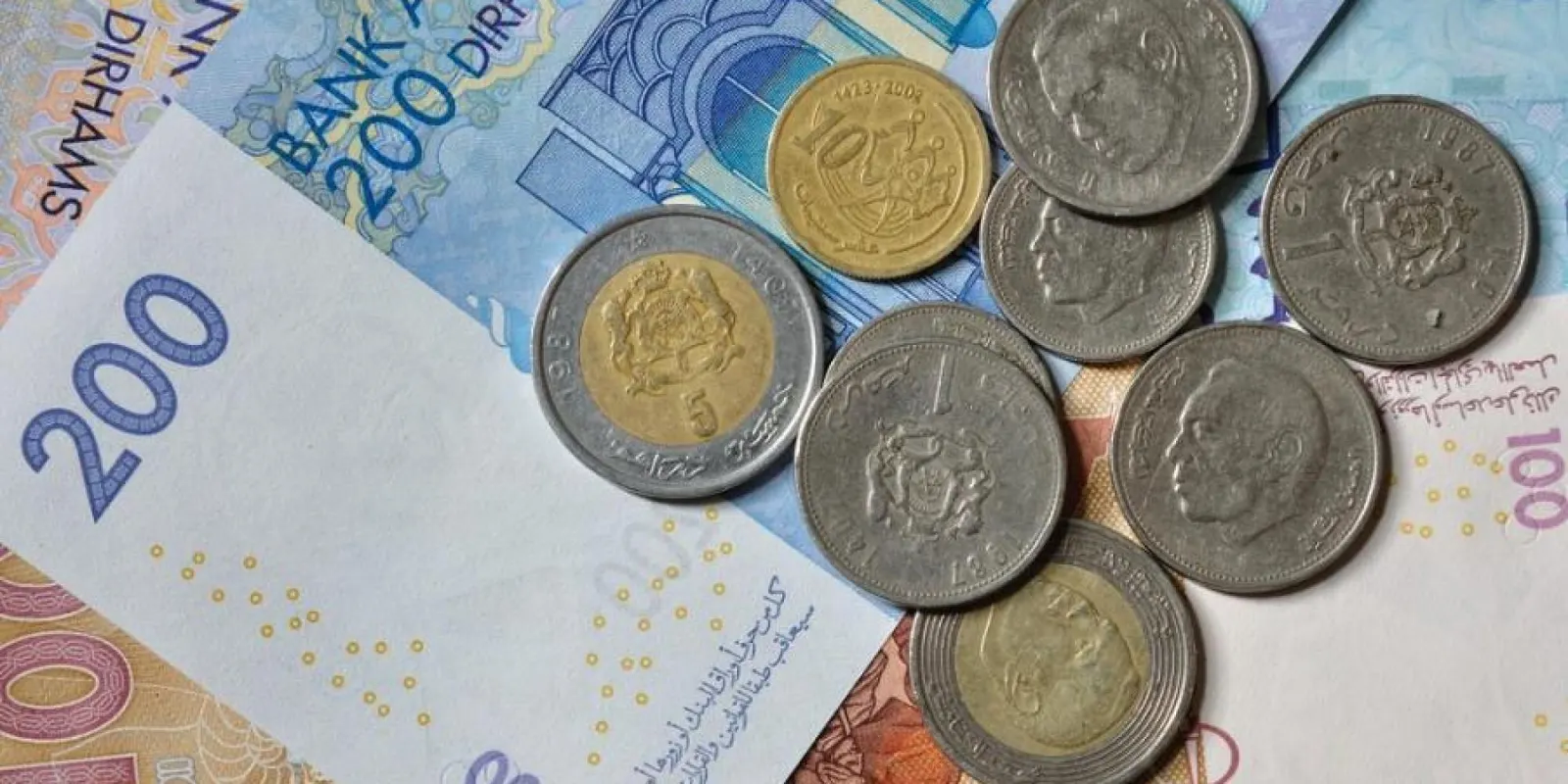
Morocco’s government and the African Development Bank say they signed a EUR 434.4 million financing agreement in Rabat on 13 November 2026 for the third phase of the economic governance and climate resilience programme.
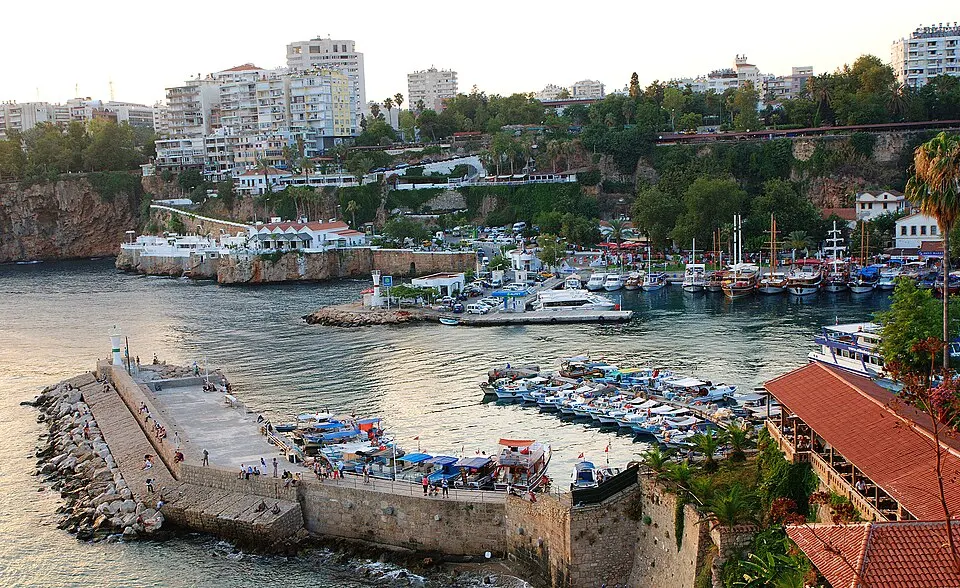
The initiative co-chaired by Brazil, the UN and UNESCO presented priorities for reliable AI-related climate information in Antalya on 13 November 2026. The recommendations call on developers to publish assessments and environmental impacts.
Morocco and Norway signed an emissions-reduction purchase agreement in Antalya on 12 November 2026 to support renewable projects, GGGI announced. The signature completes the previously announced contractual step.
In a publication dated 11 November 2026, AMPOVIS reports participation in Nature Maroc in Rabat and a presentation of its vulture conservation work at Jbel Moussa.
A wall collapse at Abdellah Guennoune High School in Salmia on 11 November 2026 killed one person and seriously injured another, according to on-site reporting by Le360.
A signing involving CDG Capital, Casablanca Finance City Authority and GGGI's Norwegian NACA facility is announced for 12 November 2026 in Antalya. Barlamane reported the announcement on 11 November.
A power failure affected several districts of Casablanca and its outskirts on 11 November 2026. SRM Casablanca-Settat announced gradual restoration and placed the incident at 4:48 p.m. on ONEE's very-high-voltage transmission lines.
This dossier traces the modern origins and major stages of the Israeli–Palestinian conflict from the late nineteenth century to today: national movements, the British Mandate, Israel’s creation and the Nakba, wars, occupation and settlements, Palestinian mobilization, peace efforts, political divisions, humanitarian crises and international proceedings. Each published occurrence includes its sources and distinguishes established facts, attributed statements and judicial findings. The timeline needs further detail on local settlement developments, some regional episodes and negotiations; it does not claim to catalogue every incident.
This dossier traces the origins and transformation of the Moroccan Sahara conflict: historical ties and allegiances, Spanish colonial rule from 1884, decolonisation, war, the referendum process, the autonomy proposal and diplomacy through 17 October 2026. It also covers populations, Hassani culture, Tindouf refugees, prisoners and missing persons, human rights, resources and trade agreements.
Morocco claims the territory on grounds of territorial integrity and historical ties; the Polisario Front seeks independence through self-determination, with Algerian support. Mauritania withdrew from the territorial conflict in 1979 but remains involved through neighbourhood interests and negotiations. Morocco administers the principal cities and Atlantic coast; the military berm is not an agreed international border. The dossier distinguishes effective control, sovereignty claims, bilateral recognition and status in international institutions.
In 1975, the ICJ recognised allegiance ties with certain tribes without finding territorial sovereignty that would exclude self-determination. The settlement plan accepted in 1988 and MINURSO established in 1991 did not deliver the planned referendum. The Baker initiatives and Morocco’s 2007 autonomy plan shifted negotiations towards institutions, safeguards and consent. US, Spanish, French and British positions use different wording and should not be counted as identical acts.
Sources accompany each milestone. “Moroccan Sahara” is the editorial designation; UN and court documents generally use “Western Sahara.” Their substantive qualifications are preserved. No map is used. Day-level dates do not imply a known time of day.
This dossier follows Morocco’s public strategy for water storage, desalination and flood prevention, distinguishing targets, construction and operational capacity.