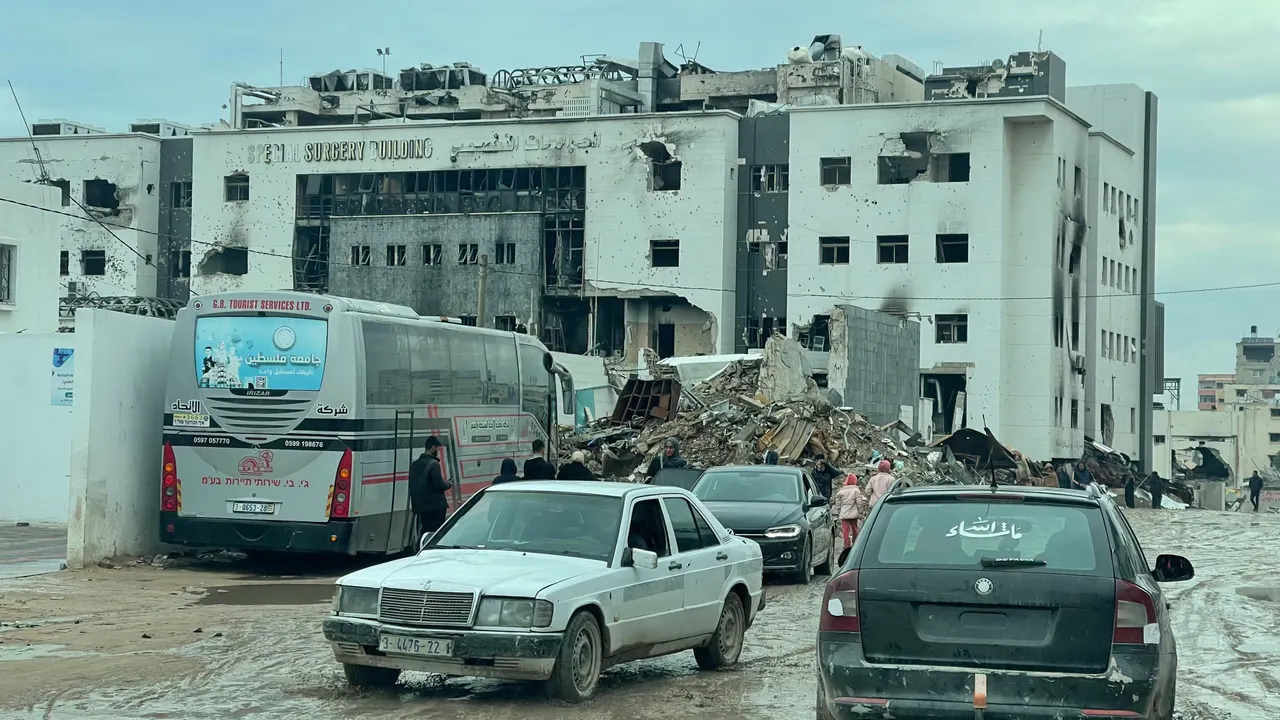
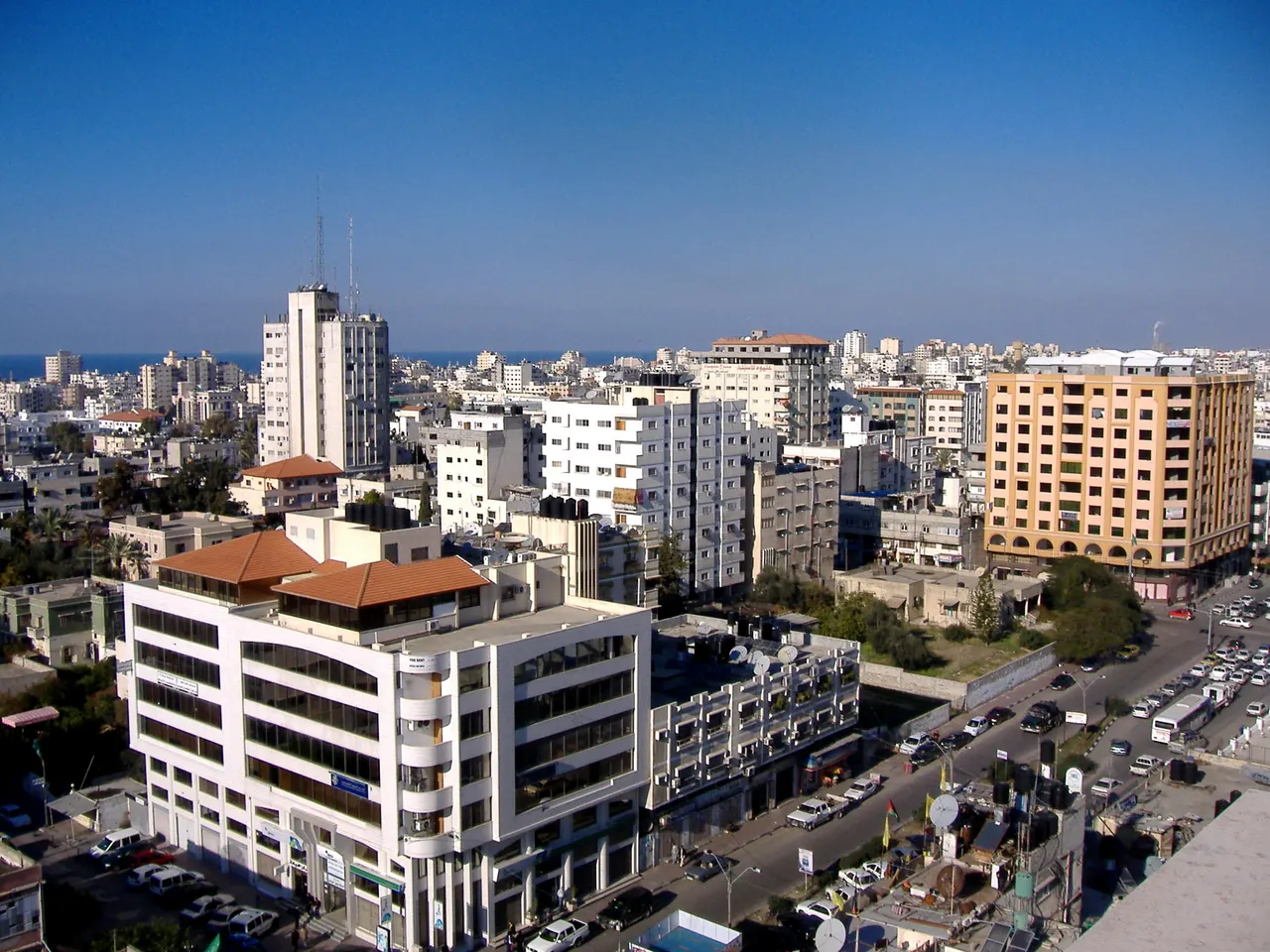
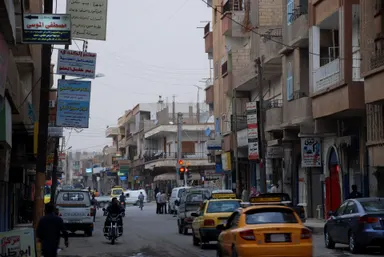
A report published on November 23 by Oxfam and the Conflict and Environment Observatory identifies indicators of potential contamination across more than 99% of the Gaza Strip after Israel’s military assault.
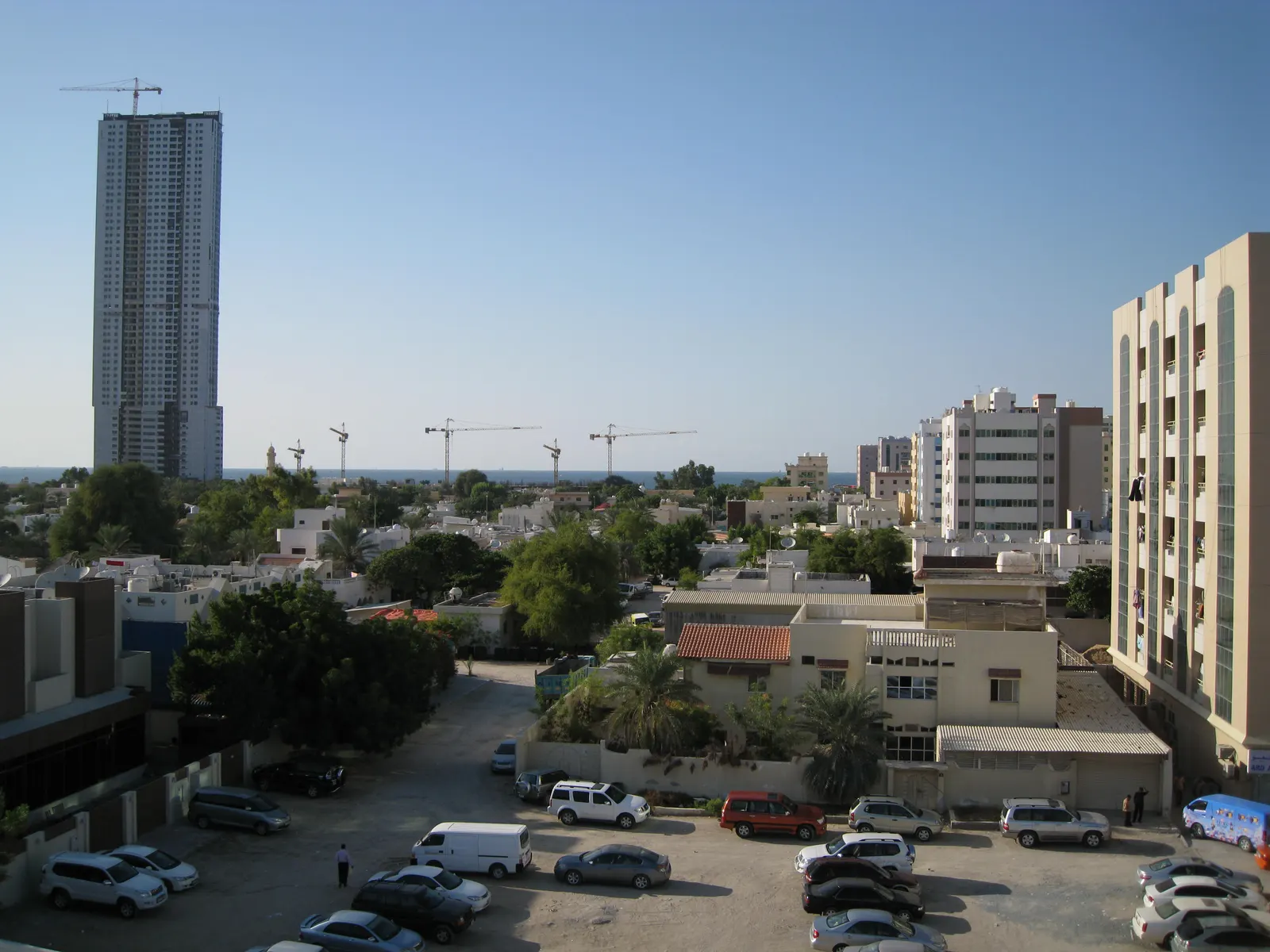
Ajman’s Innovation Platform opened on 17 November 2026 with 16 government bodies and educational institutions, according to the emirate’s media office. The school project Nebula, addressing water conservation, received an award.
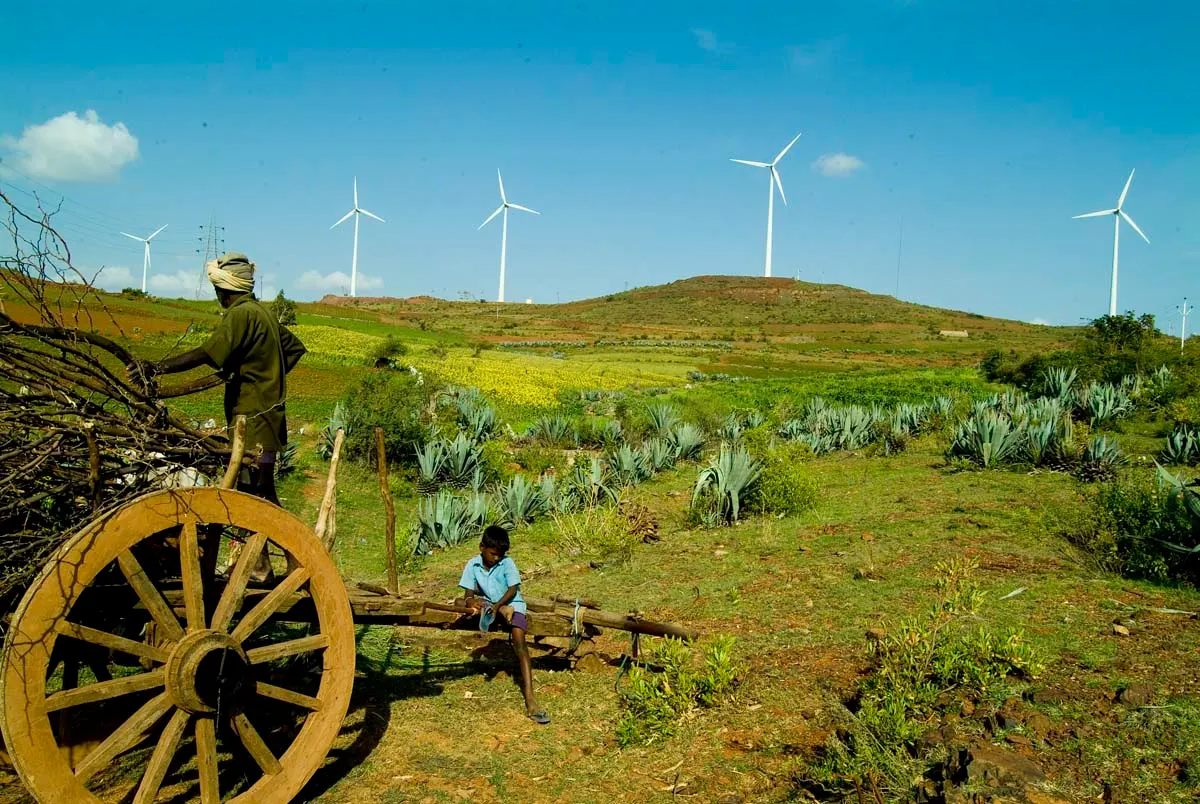
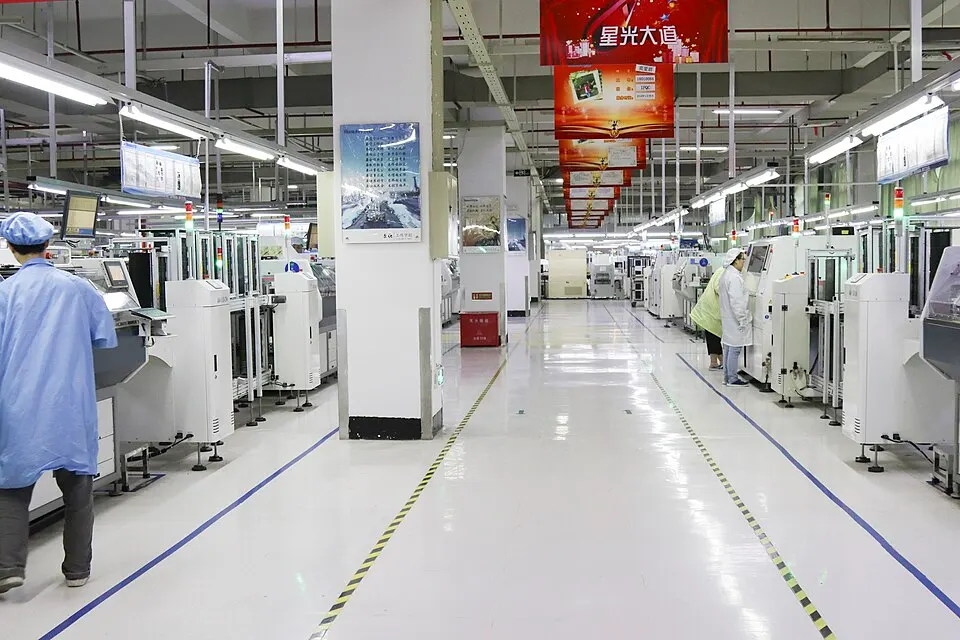
Adani New Industries announced on 16 November 2026 that it had begun producing 91.2-metre onshore wind-turbine blades at Mundra in Gujarat. The group also says its 5 MW turbine platform has obtained certification paving the way for serial production.
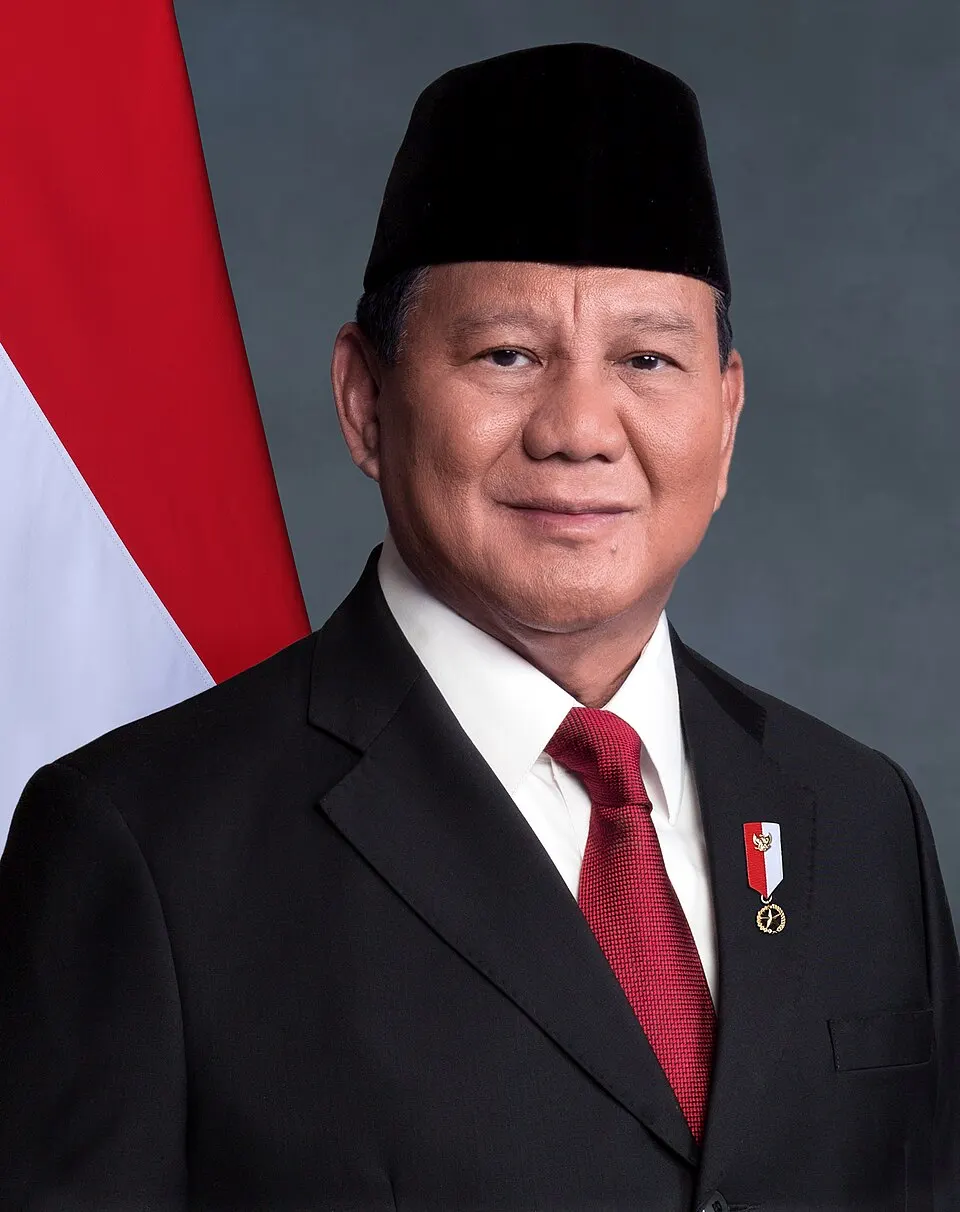
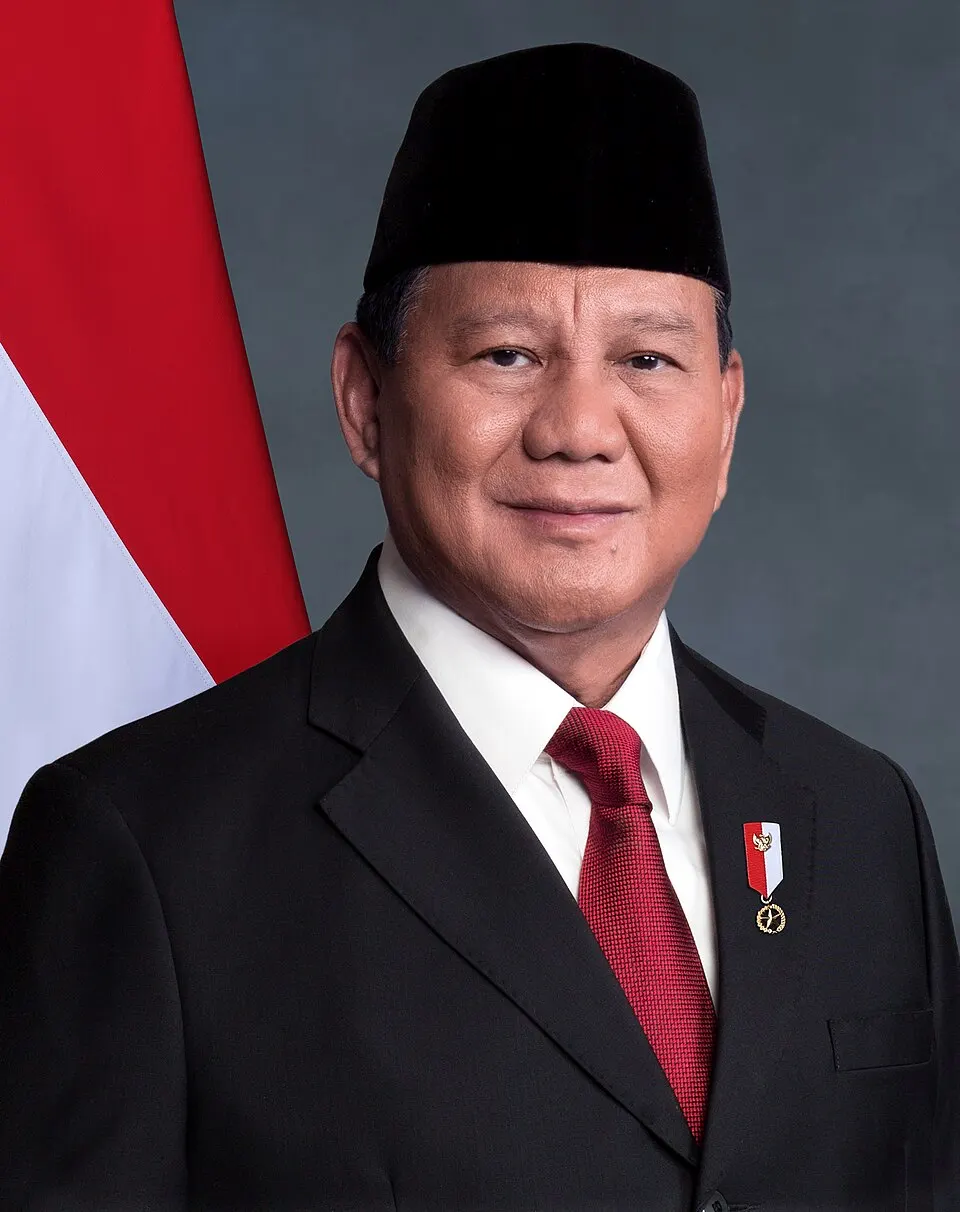
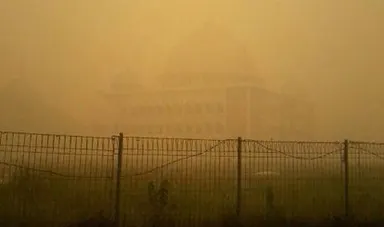
Indonesian President Prabowo Subianto apologized to Malaysia and Singapore in Manila on 15 November 2026 for the effects of wildfire haze. He announced continued measures against companies involved and preparations for a new fire-prevention body.
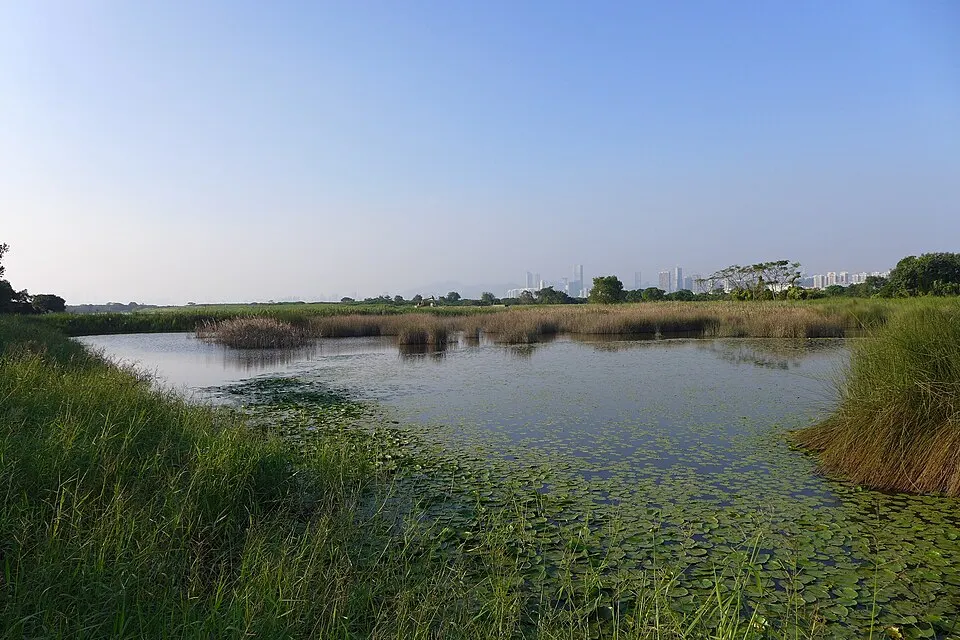
Hong Kong authorities announced on 13 November 2026 that two environmental samples from Mai Po reserve tested positive for highly pathogenic H5 avian influenza. They report enhanced disinfection of visitor facilities.
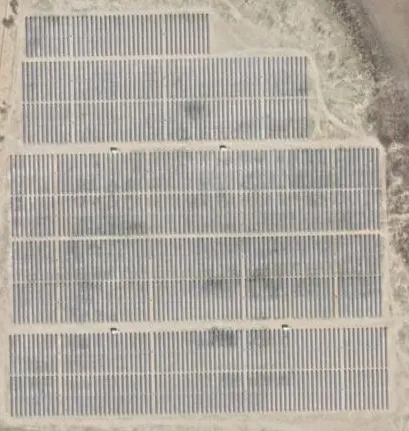
Saudi Arabia's electricity regulator announced an updated renewable self-consumption framework on 13 November 2026, covering systems from 1 kW to 50 MW.
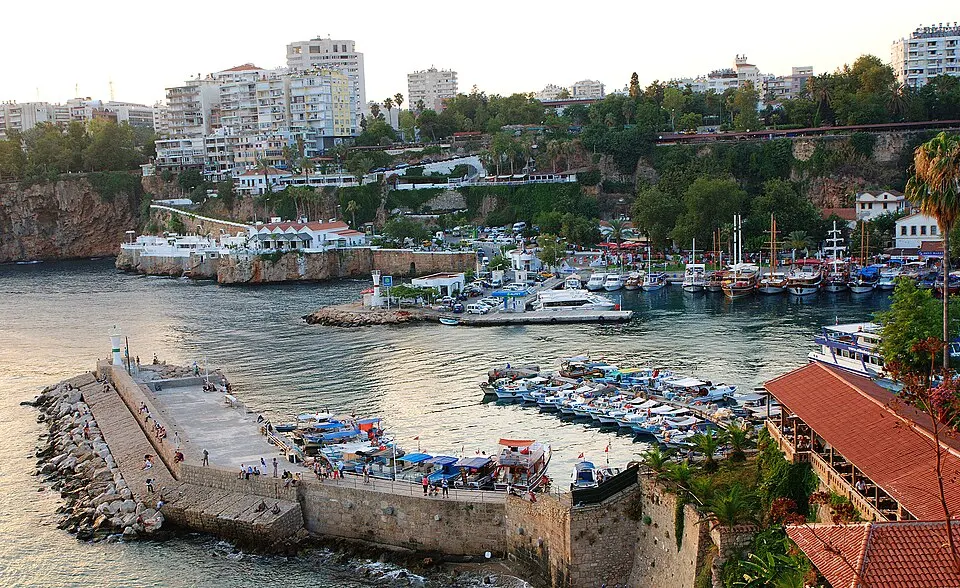
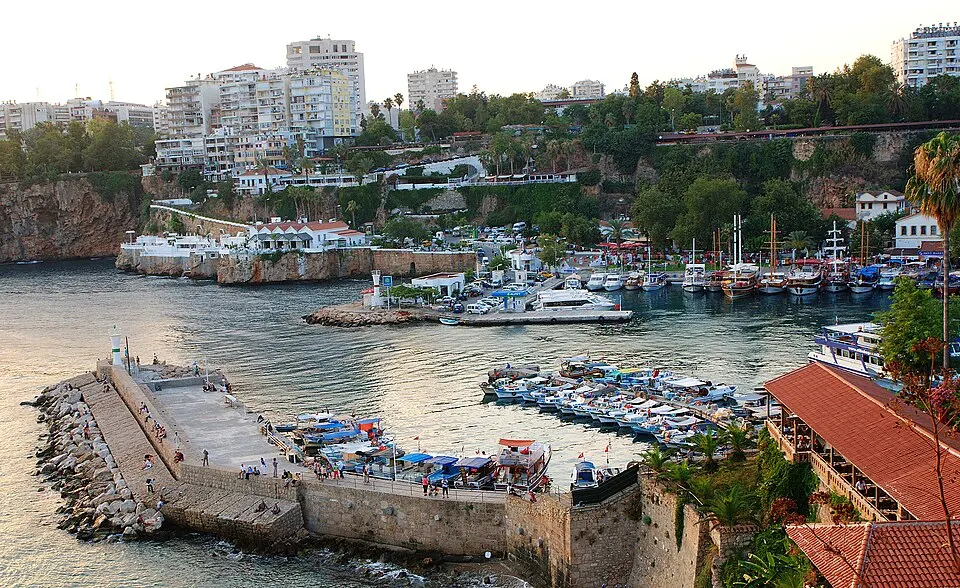
The initiative co-chaired by Brazil, the UN and UNESCO presented priorities for reliable AI-related climate information in Antalya on 13 November 2026. The recommendations call on developers to publish assessments and environmental impacts.
China’s National Development and Reform Commission and National Energy Administration published a plan for new-type electricity storage on 13 November 2026. It targets 300 gigawatts of installed power capacity by 2030, with an average storage duration of about three hours.
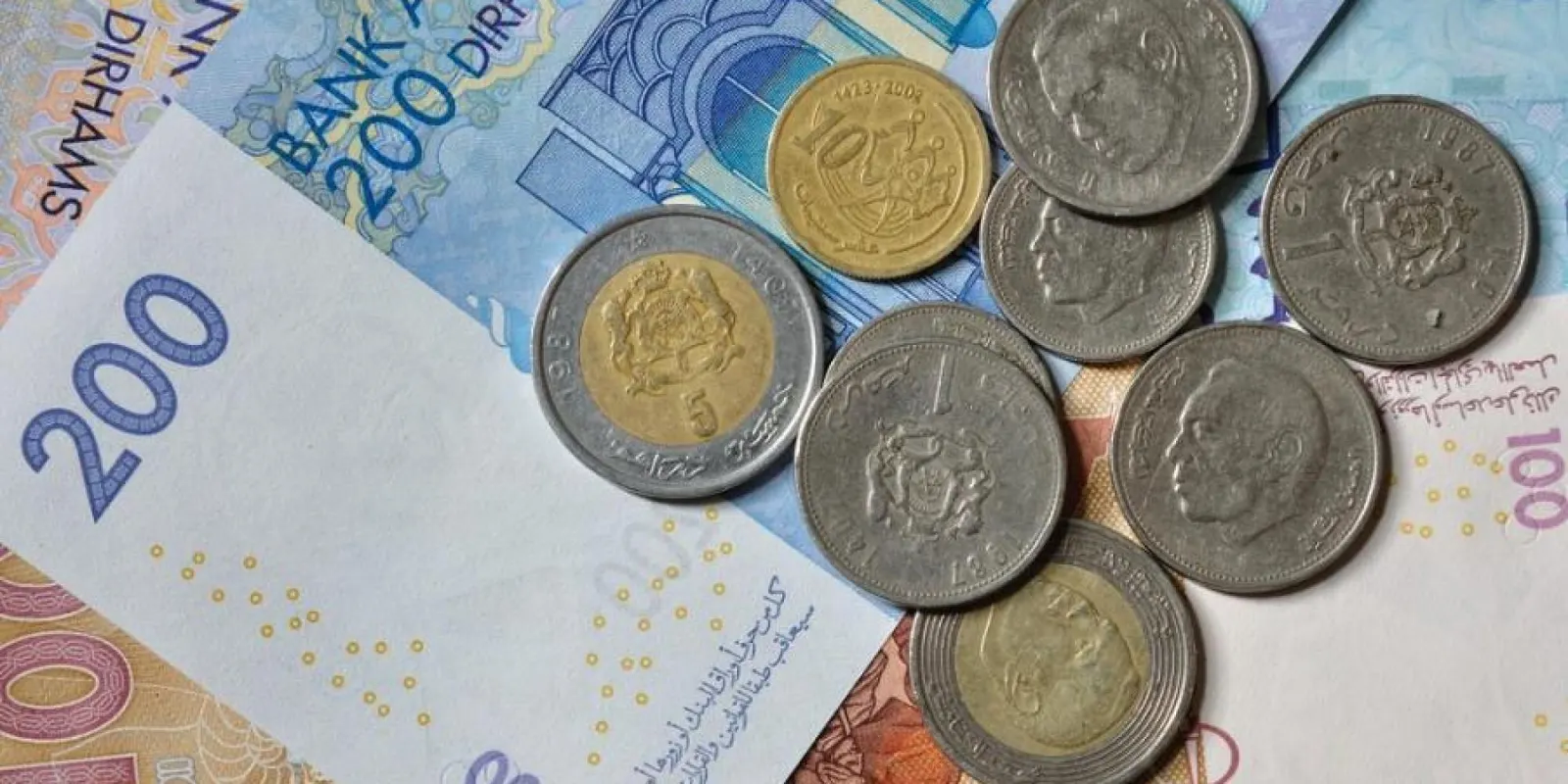
Morocco and Norway signed an emissions-reduction purchase agreement in Antalya on 12 November 2026 to support renewable projects, GGGI announced. The signature completes the previously announced contractual step.
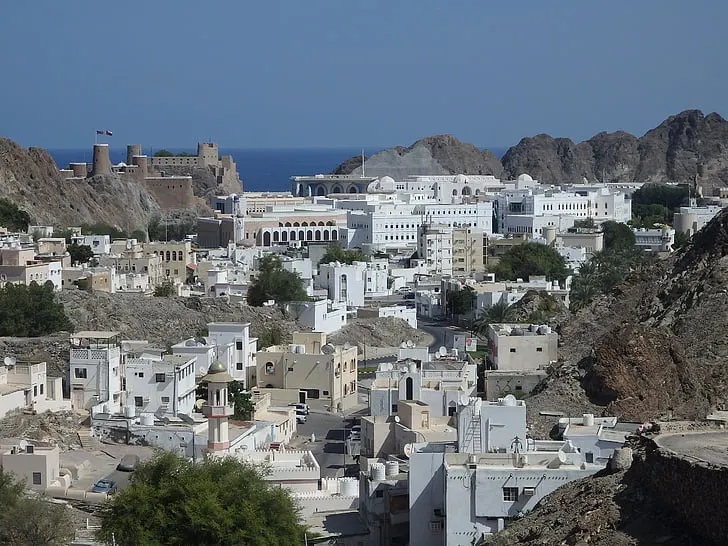
Oman announced two agreements for Duqm projects targeting a combined 121,000 tonnes of green hydrogen annually by 2032 at COP31 in Antalya on 12 November 2026, according to the Oman News Agency carried by local media.
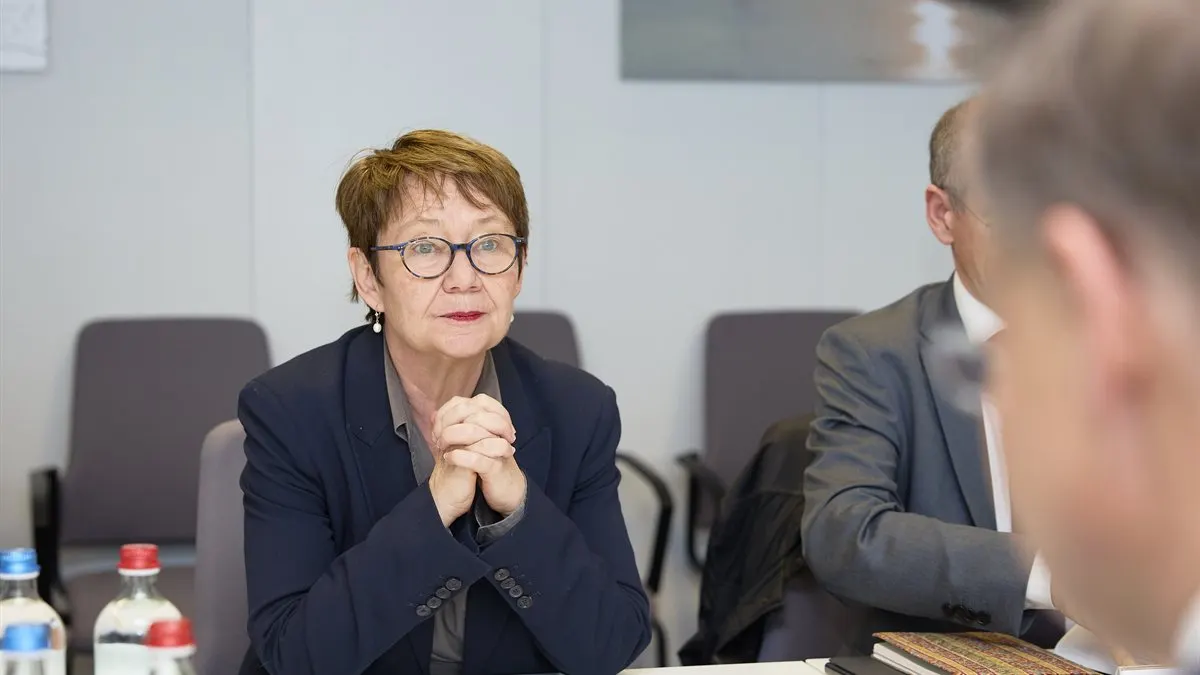
The EBRD announced on 11 November 2026 plans to invest US$6 billion over five years in Türkiye’s REACT projects. It is joining the platform presented at COP31 in Antalya.
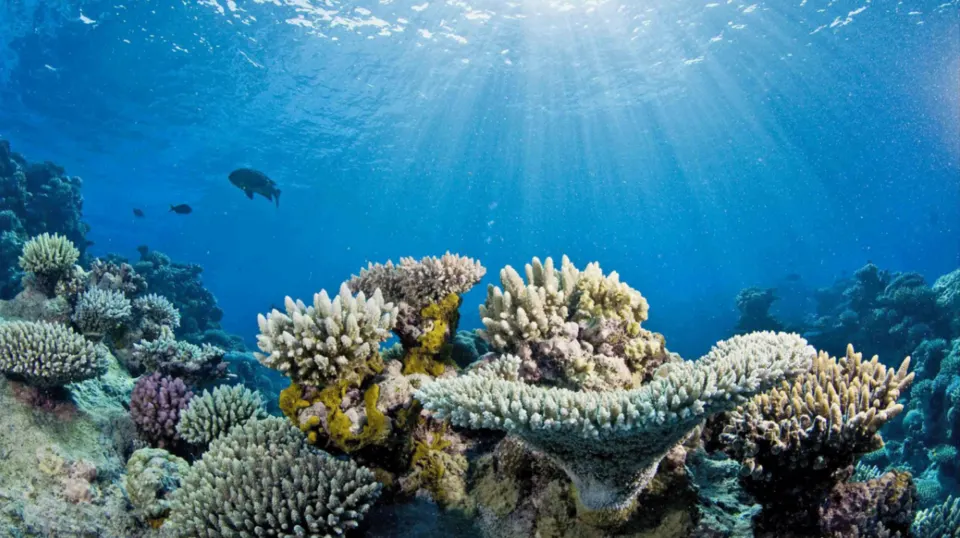
KAUST presented a Red Sea coral restoration facility on 11 November 2026 that the university says can produce up to 360,000 corals annually. The announcement coincides with COP31 in Antalya.
This dossier follows health warnings and care needs in Gaza, distinguishing findings attributed to health bodies from independently established totals.
This dossier traces the Russia–Ukraine war from the seizure of Crimea and the start of fighting in the Donbas in 2014, through the full-scale invasion of 24 February 2022 and its military, diplomatic, economic and humanitarian consequences. It distinguishes recognised sovereignty, claimed annexations and actual military control.
Earlier milestones explain relations between the two states since Ukrainian independence in 1991: the 1994 Budapest security assurances, the 1997 friendship treaty, the 2003 Tuzla crisis, gas disputes and the 2010 Kharkiv agreements. The suspension of preparations for the European Union agreement in November 2013 opens the Euromaidan crisis. These antecedents are distinguished from the war that began in 2014; each entry links to its sources.
The timeline follows Ilovaisk, Donetsk airport, Debaltseve, the Minsk agreements, disengagement attempts, fighting and the humanitarian crisis in Avdiivka in 2017, the trade blockade, detainee exchanges and the Kerch maritime crisis. It then documents the war’s expansion, Ukrainian territorial recaptures, Bakhmut, international justice, grain, energy, external assistance and negotiations. Retrospective investigations are identified and claims remain attributed.
This selection of turning points includes canonical occurrences from the archived energy dossier. It expands previously sparse years without providing an exhaustive daily record: local fighting, successive sanctions, all weapons deliveries and population displacement are not detailed. Cumulative military losses and complete territorial control remain coverage limitations.
This dossier traces the modern origins and major stages of the Israeli–Palestinian conflict from the late nineteenth century to today: national movements, the British Mandate, Israel’s creation and the Nakba, wars, occupation and settlements, Palestinian mobilization, peace efforts, political divisions, humanitarian crises and international proceedings. Each published occurrence includes its sources and distinguishes established facts, attributed statements and judicial findings. The timeline needs further detail on local settlement developments, some regional episodes and negotiations; it does not claim to catalogue every incident.
This dossier follows Indonesian and Singaporean cooperation against forest and land fires and transboundary haze. It covers investigative tools and corporate accountability without presuming guilt.
This dossier follows COP31 climate negotiations in Antalya, financing proposals and adopted decisions. It distinguishes opening debates from final commitments.