Kim calls for broader use of tactical nuclear weapons
North Korean state media reported on November 26 that Kim Jong Un inspected nuclear facilities and called for expanding the missions of tactical nuclear weapons.
Asia · Politics
Latest politics news concerning Asia.
Newest to oldest
North Korean state media reported on November 26 that Kim Jong Un inspected nuclear facilities and called for expanding the missions of tactical nuclear weapons.
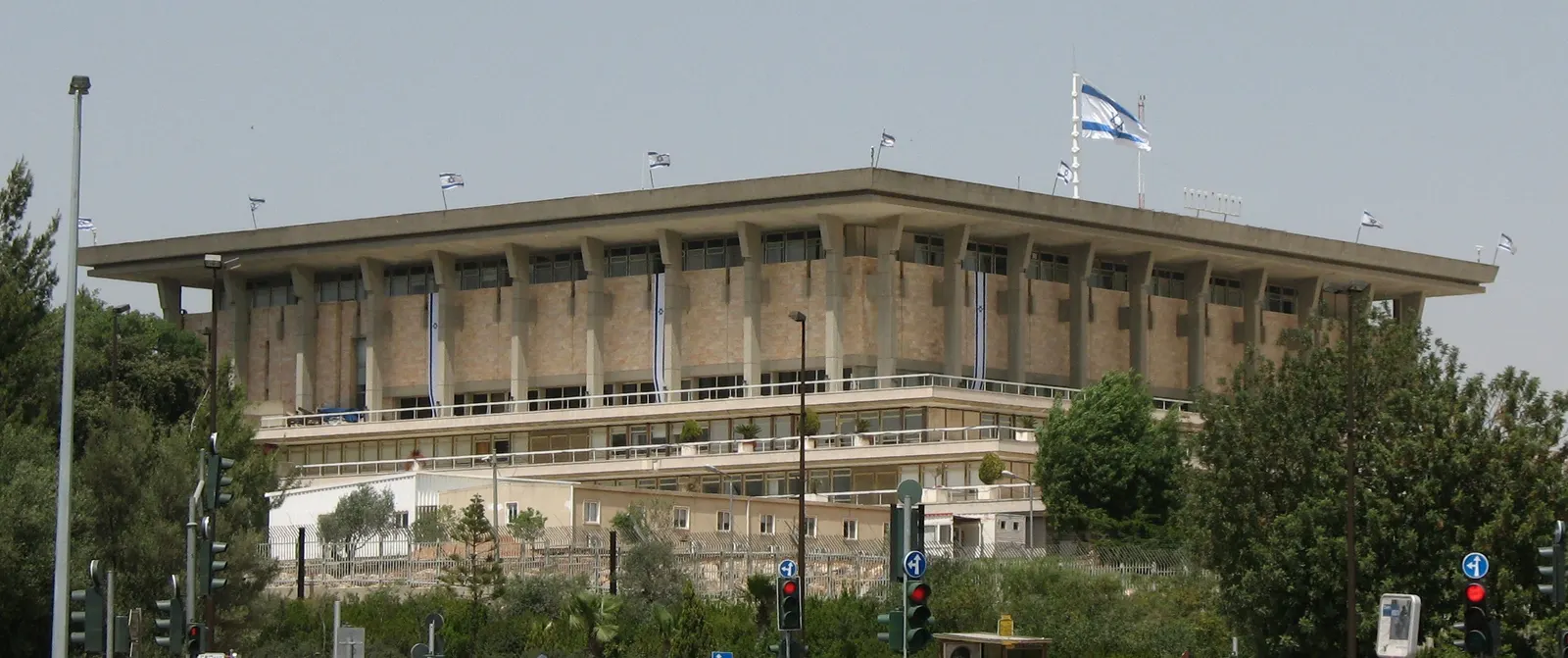
Israel’s parliament approved a bill in a preliminary reading on 25 November to establish a state commission of inquiry into the 7 October 2023 attacks and the subsequent war.
On November 25 the United States proposed new tariffs targeting 14 economies, including China, Japan, South Korea and India, following investigations into industrial excess capacity.
China announced an investigation on 24 November into Chen Jining, Shanghai Communist Party chief and a Politburo member.
Gadi Eisenkot’s Yashar party and Avigdor Lieberman’s Yisrael Beiteinu announced a coalition agreement on 24 November amid negotiations to form a government.
On 23 November, the European Commission proposed further sanctions against Russia, targeting banks, cryptocurrency and participation under the Russian flag at sporting events in the European Union.
Qatari Prime Minister Mohammed bin Abdulrahman Al Thani met US Vice President JD Vance and Secretary of State Marco Rubio separately in Washington on November 23, as Doha seeks to revive talks between the United States and Iran.
The US Treasury announced sanctions on November 23 targeting more than two dozen exchange houses, front companies and individuals associated with Iranian financial networks.
Indonesian President Prabowo Subianto nominated Andi Amran Sulaiman and Sugiono on 23 November to replace Gibran Rakabuming Raka as vice president, a post vacant since his resignation.
The Indian and Japanese defence ministers welcomed the signing of a letter of intent on 19 November in Tokyo to prepare for Japanese forces to use Indian firing ranges.
Chinese President Xi Jinping, US President Donald Trump and Russian President Vladimir Putin met in Shenzhen on 19 November on the sidelines of the APEC summit. They issued a joint declaration on peace and nuclear risks.
Somalia’s government on 19 November gave the United Arab Emirates ambassador 72 hours to leave and recalled its own ambassador from Abu Dhabi for consultations.
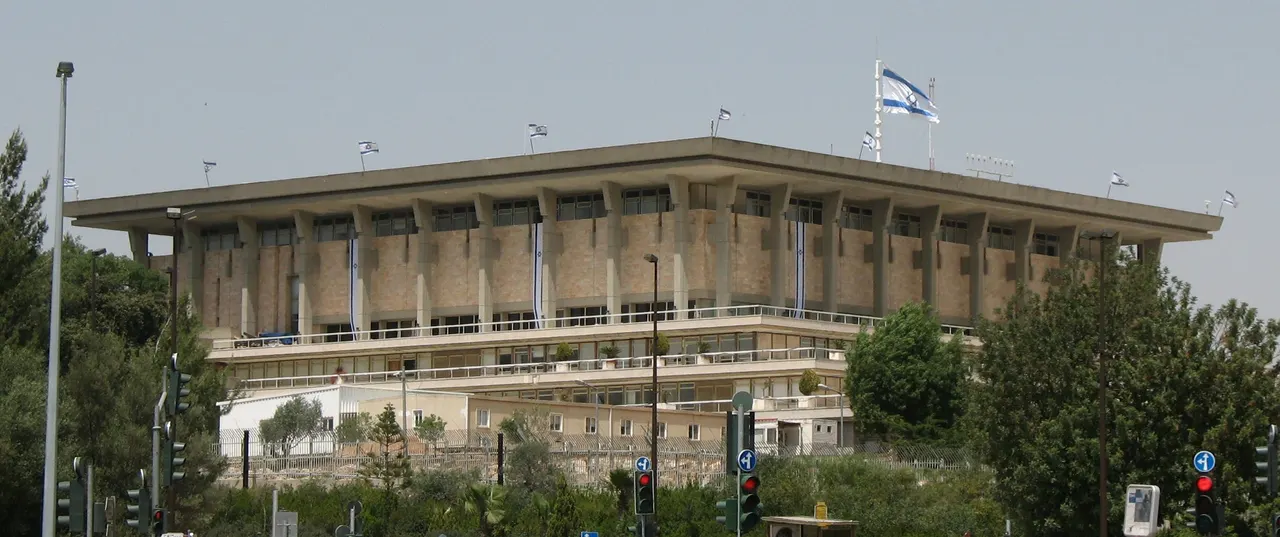
This dossier follows Israel’s 27 October 2026 parliamentary election, from voting to the formation of a majority. It distinguishes opinion polls, vote counting and official results from coalition agreements still to be negotiated.
View file →
This dossier traces the Russia–Ukraine war from the seizure of Crimea and the start of fighting in the Donbas in 2014, through the full-scale invasion of 24 February 2022 and its military, diplomatic, economic and humanitarian consequences. It distinguishes recognised sovereignty, claimed annexations and actual military control. Earlier milestones explain relations between the two states since Ukrainian independence in 1991: the 1994 Budapest security assurances, the 1997 friendship treaty, the 2003 Tuzla crisis, gas disputes and the 2010 Kharkiv agreements. The suspension of preparations for the European Union agreement in November 2013 opens the Euromaidan crisis. These antecedents are distinguished from the war that began in 2014; each entry links to its sources. The timeline follows Ilovaisk, Donetsk airport, Debaltseve, the Minsk agreements, disengagement attempts, fighting and the humanitarian crisis in Avdiivka in 2017, the trade blockade, detainee exchanges and the Kerch maritime crisis. It then documents the war’s expansion, Ukrainian territorial recaptures, Bakhmut, international justice, grain, energy, external assistance and negotiations. Retrospective investigations are identified and claims remain attributed. This selection of turning points includes canonical occurrences from the archived energy dossier. It expands previously sparse years without providing an exhaustive daily record: local fighting, successive sanctions, all weapons deliveries and population displacement are not detailed. Cumulative military losses and complete territorial control remain coverage limitations.
View file →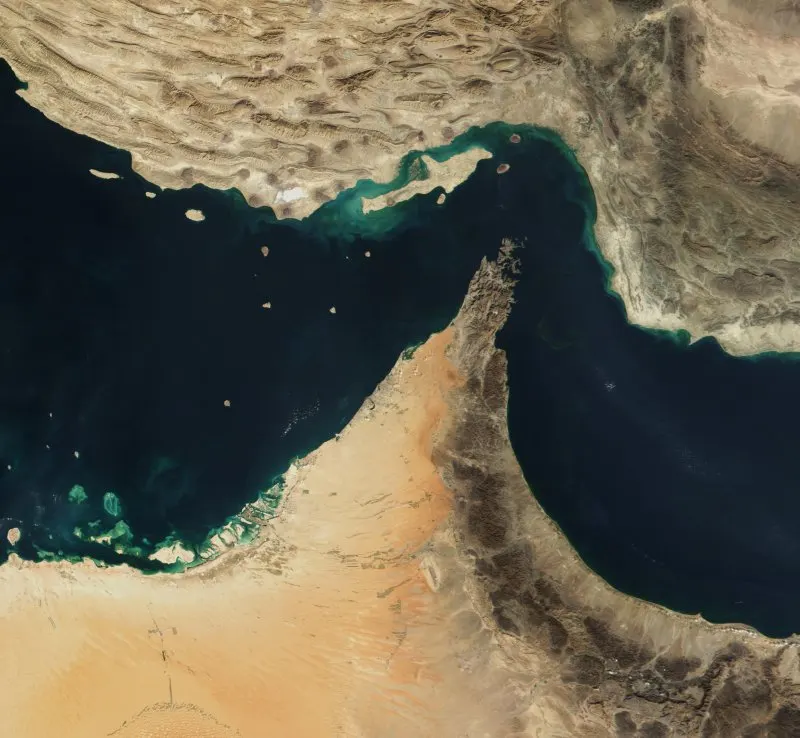
This dossier traces the Islamic Republic of Iran from Ruhollah Khomeini’s return in February 1979: the monarchy’s overthrow, the hostage crisis, the Iran-Iraq War, Ali Khamenei’s succession, sanctions, domestic protests and nuclear negotiations. It also follows regional confrontation through Tehran’s allies, rapprochement with Saudi Arabia and the transition to direct Iran-Israel attacks in 2024. The twelve-day war of June 2025 is distinguished from the conflict opened on 28 February 2026 by US and Israeli strikes. The chronology examines Ali Khamenei’s killing and Mojtaba Khamenei’s succession, civilian victims, regional fronts, energy infrastructure, Hormuz, blockades and attempts at agreement. The Qatari consultations that originally defined this dossier remain integrated into the expanded history. Sourced entries distinguish established facts, announcements, attributed responsibility and unverified outcomes. The reconstruction selects principal milestones rather than recording every military operation. No final, consistent human toll across all theatres is established here. Dates without a known time are ordered by calendar day.
View file →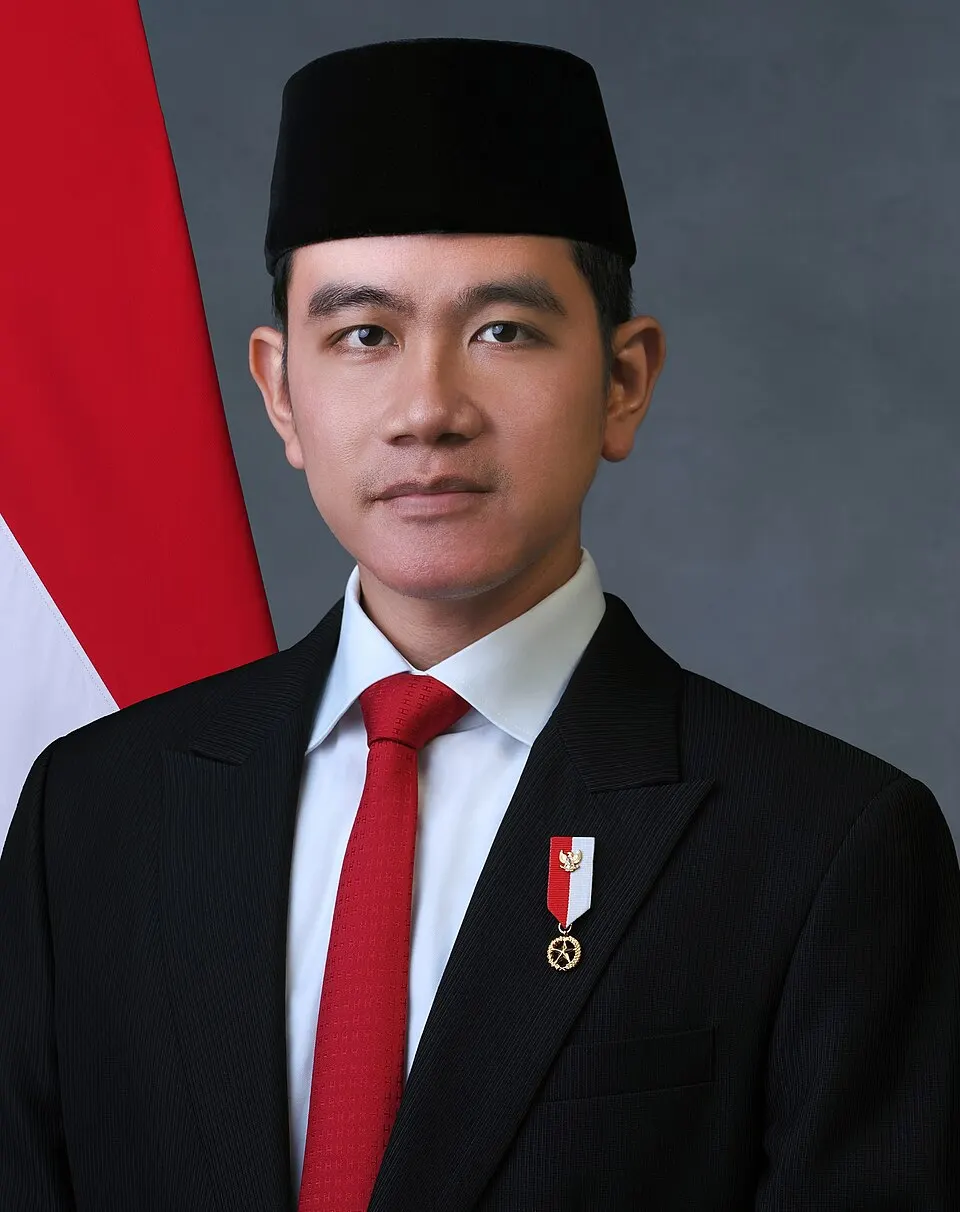
This dossier follows challenges to Indonesian Vice-President Gibran Rakabuming Raka’s educational qualifications, party responses and parliamentary steps actually taken.
View file →
This dossier follows reported attacks on Aramco facilities in Saudi Arabia during the conflict with Yemen’s Houthis. It covers official statements, claims of responsibility and documented damage, distinguishing them from unverified effects on oil operations.
View file →
This dossier follows Nvidia’s board investigation into possible foreign-intelligence targeting of its leadership, the company’s responses and documented findings.
View file →