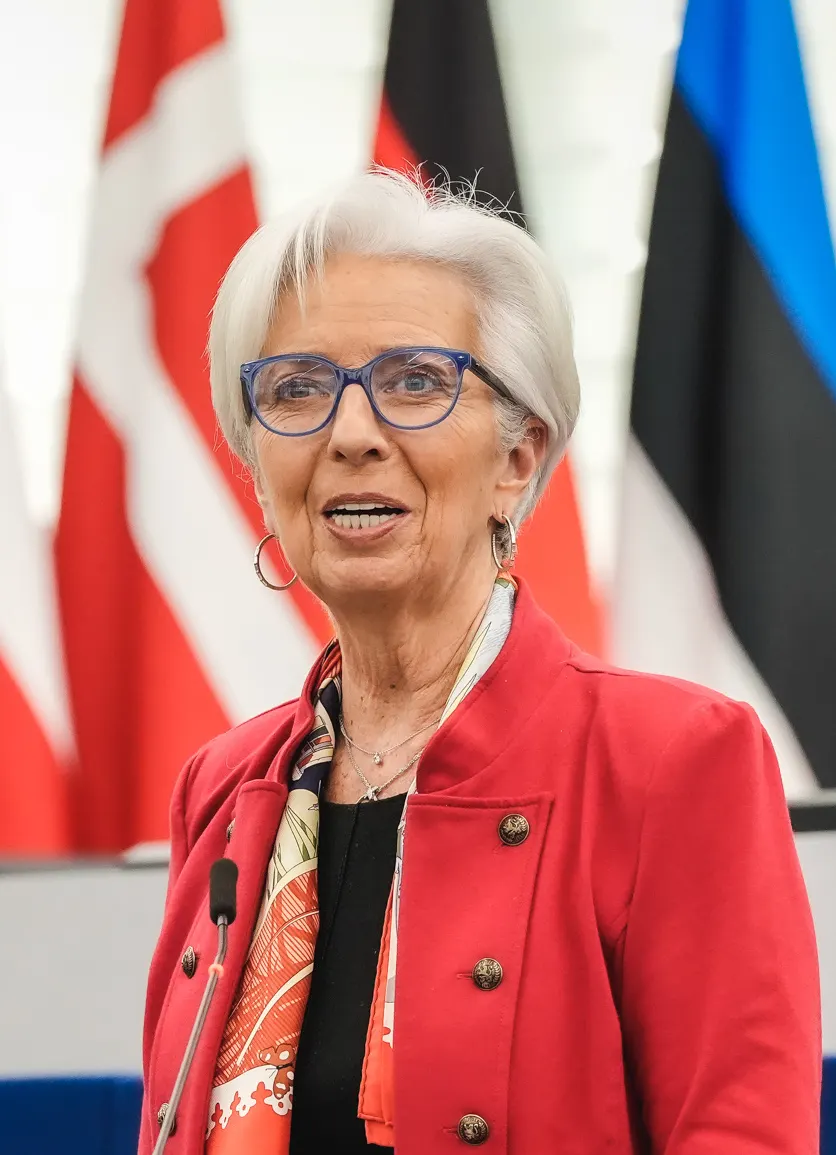
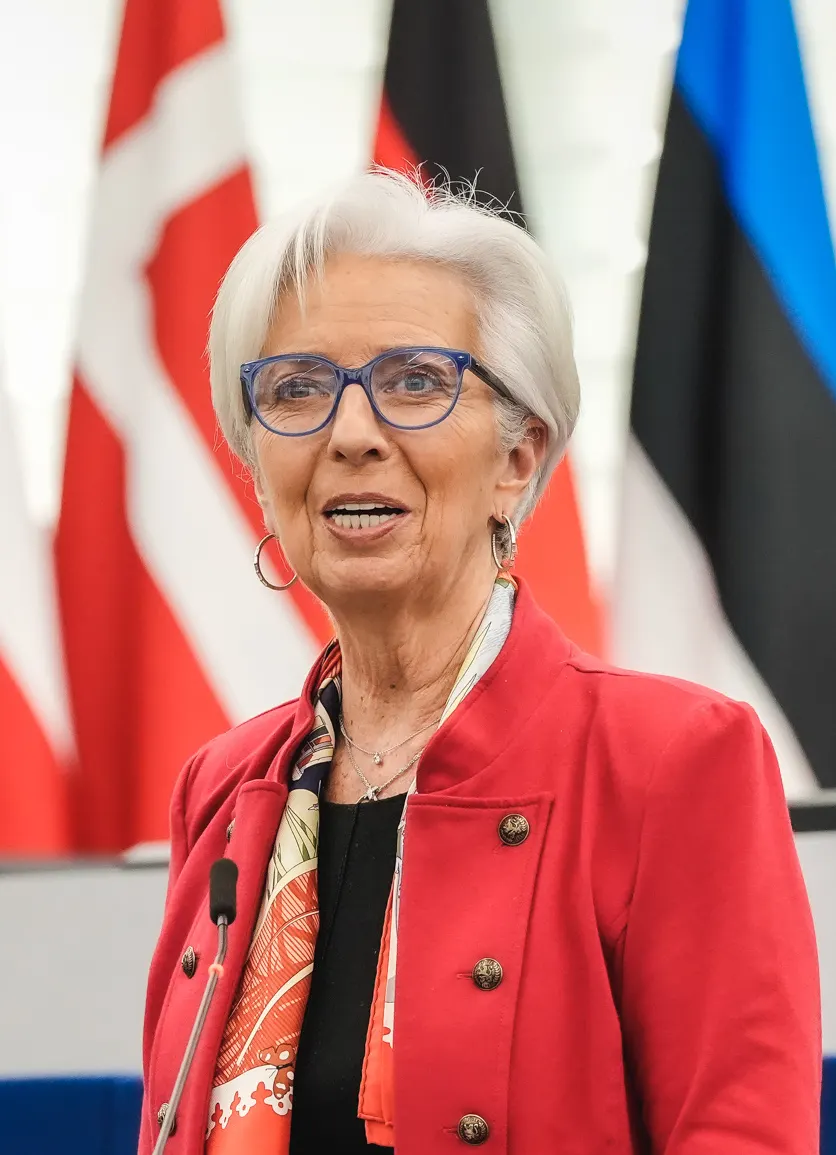
Euro area leaders chose Spain’s Pablo Hernández de Cos on 26 November to succeed Christine Lagarde as president of the European Central Bank, according to diplomatic sources cited by news outlets.
The European Parliament approved a package of agreements intended to deepen ties with Switzerland in Strasbourg on 25 November, by 584 votes to 13, with 60 abstentions.
The European Parliament approved a compromise regulation aimed at securing supplies of critical medicines on 25 November, by 592 votes to 35, with 30 abstentions.
On 23 November, the European Commission proposed further sanctions against Russia, targeting banks, cryptocurrency and participation under the Russian flag at sporting events in the European Union.
Qatari Prime Minister Mohammed bin Abdulrahman Al Thani met US Vice President JD Vance and Secretary of State Marco Rubio separately in Washington on November 23, as Doha seeks to revive talks between the United States and Iran.
The US Treasury announced sanctions on November 23 targeting more than two dozen exchange houses, front companies and individuals associated with Iranian financial networks.
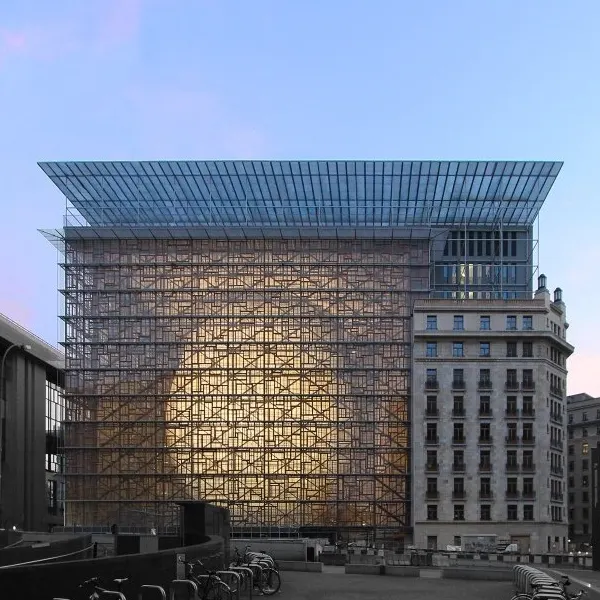
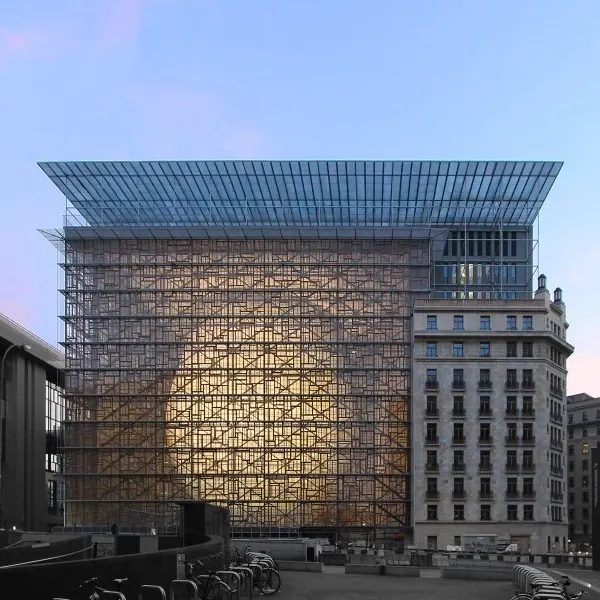
Meeting in Brussels on 20 November, the European Union and the United Kingdom announced agreements on food trade, youth mobility and linking their carbon markets.
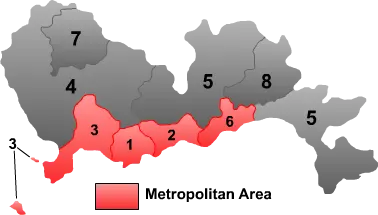
Chinese President Xi Jinping, US President Donald Trump and Russian President Vladimir Putin met in Shenzhen on 19 November on the sidelines of the APEC summit. They issued a joint declaration on peace and nuclear risks.
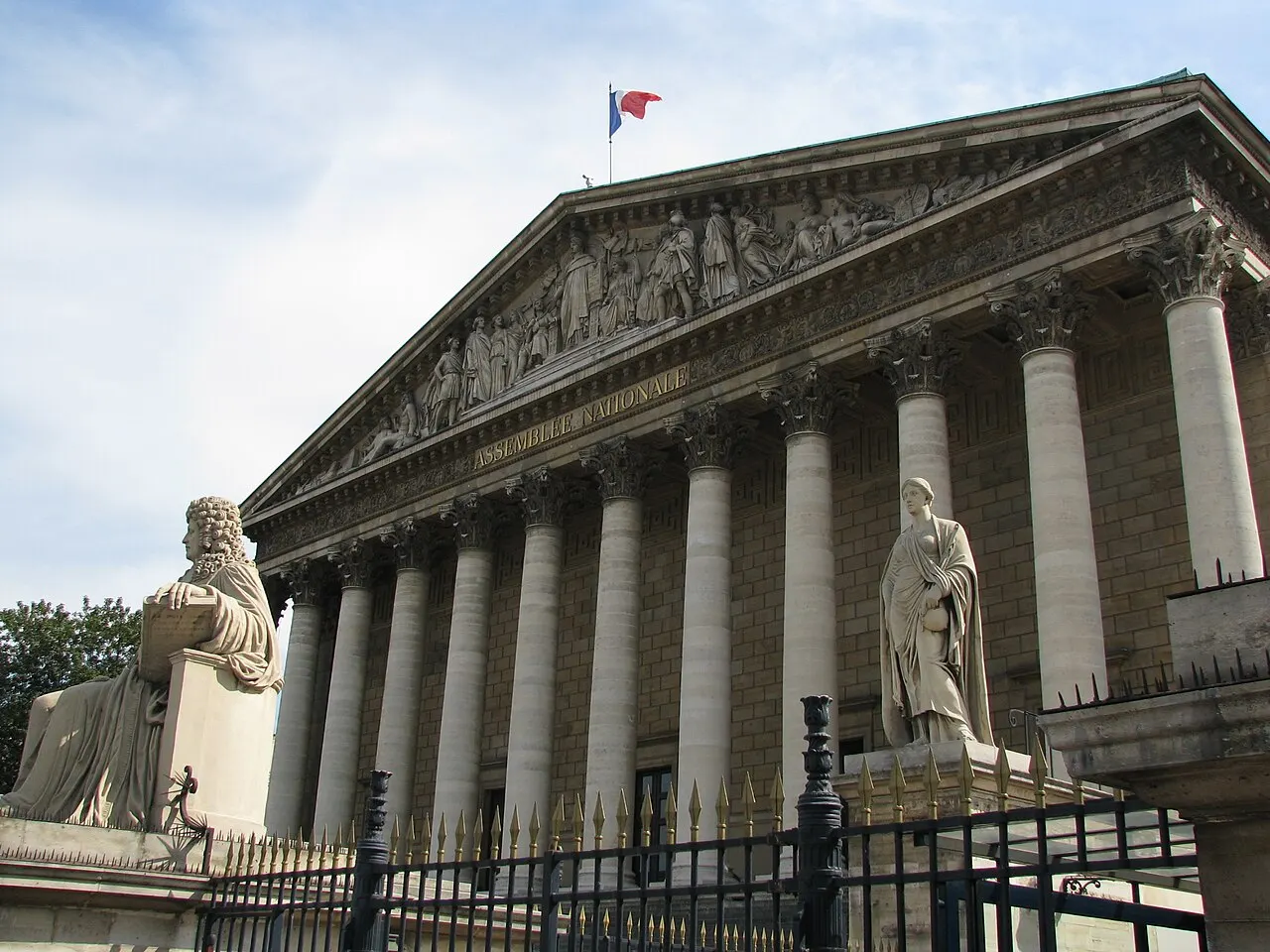
On 17 November, the French National Assembly’s conference of presidents confirmed the dismissal of a petition seeking CNews’s removal and decided on a broader debate about the media.
This dossier follows European Central Bank monetary policy decisions and the succession to its presidency, distinguishing completed decisions from future policy.
This dossier traces the Russia–Ukraine war from the seizure of Crimea and the start of fighting in the Donbas in 2014, through the full-scale invasion of 24 February 2022 and its military, diplomatic, economic and humanitarian consequences. It distinguishes recognised sovereignty, claimed annexations and actual military control.
Earlier milestones explain relations between the two states since Ukrainian independence in 1991: the 1994 Budapest security assurances, the 1997 friendship treaty, the 2003 Tuzla crisis, gas disputes and the 2010 Kharkiv agreements. The suspension of preparations for the European Union agreement in November 2013 opens the Euromaidan crisis. These antecedents are distinguished from the war that began in 2014; each entry links to its sources.
The timeline follows Ilovaisk, Donetsk airport, Debaltseve, the Minsk agreements, disengagement attempts, fighting and the humanitarian crisis in Avdiivka in 2017, the trade blockade, detainee exchanges and the Kerch maritime crisis. It then documents the war’s expansion, Ukrainian territorial recaptures, Bakhmut, international justice, grain, energy, external assistance and negotiations. Retrospective investigations are identified and claims remain attributed.
This selection of turning points includes canonical occurrences from the archived energy dossier. It expands previously sparse years without providing an exhaustive daily record: local fighting, successive sanctions, all weapons deliveries and population displacement are not detailed. Cumulative military losses and complete territorial control remain coverage limitations.
This dossier traces the Islamic Republic of Iran from Ruhollah Khomeini’s return in February 1979: the monarchy’s overthrow, the hostage crisis, the Iran-Iraq War, Ali Khamenei’s succession, sanctions, domestic protests and nuclear negotiations. It also follows regional confrontation through Tehran’s allies, rapprochement with Saudi Arabia and the transition to direct Iran-Israel attacks in 2024.
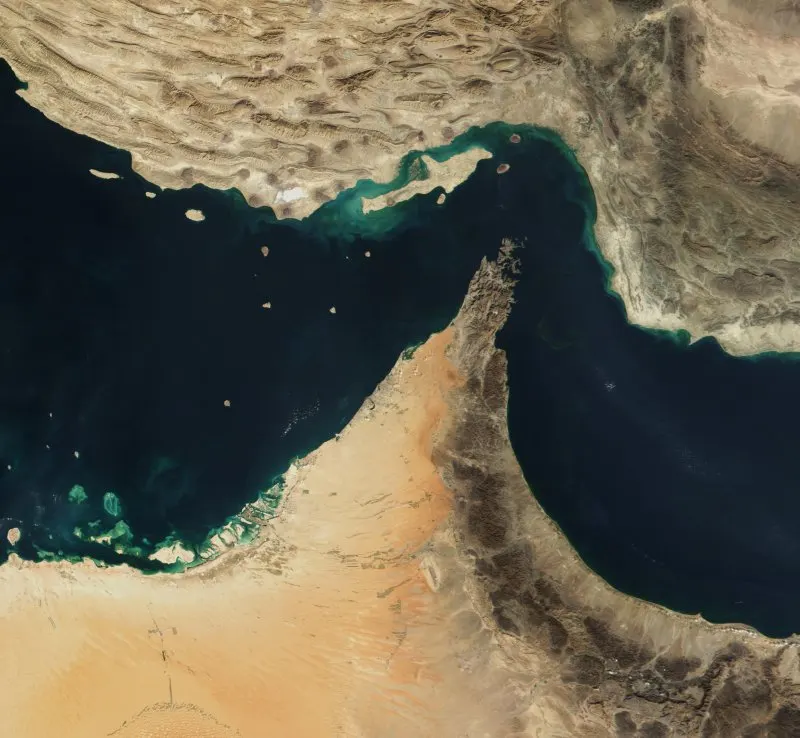
The twelve-day war of June 2025 is distinguished from the conflict opened on 28 February 2026 by US and Israeli strikes. The chronology examines Ali Khamenei’s killing and Mojtaba Khamenei’s succession, civilian victims, regional fronts, energy infrastructure, Hormuz, blockades and attempts at agreement. The Qatari consultations that originally defined this dossier remain integrated into the expanded history.
Sourced entries distinguish established facts, announcements, attributed responsibility and unverified outcomes. The reconstruction selects principal milestones rather than recording every military operation. No final, consistent human toll across all theatres is established here. Dates without a known time are ordered by calendar day.
This dossier traces the modern origins and major stages of the Israeli–Palestinian conflict from the late nineteenth century to today: national movements, the British Mandate, Israel’s creation and the Nakba, wars, occupation and settlements, Palestinian mobilization, peace efforts, political divisions, humanitarian crises and international proceedings. Each published occurrence includes its sources and distinguishes established facts, attributed statements and judicial findings. The timeline needs further detail on local settlement developments, some regional episodes and negotiations; it does not claim to catalogue every incident.