On 23 November, the European Commission proposed further sanctions against Russia, targeting banks, cryptocurrency and participation under the Russian flag at sporting events in the European Union.
On 17 November, the French National Assembly’s conference of presidents confirmed the dismissal of a petition seeking CNews’s removal and decided on a broader debate about the media.
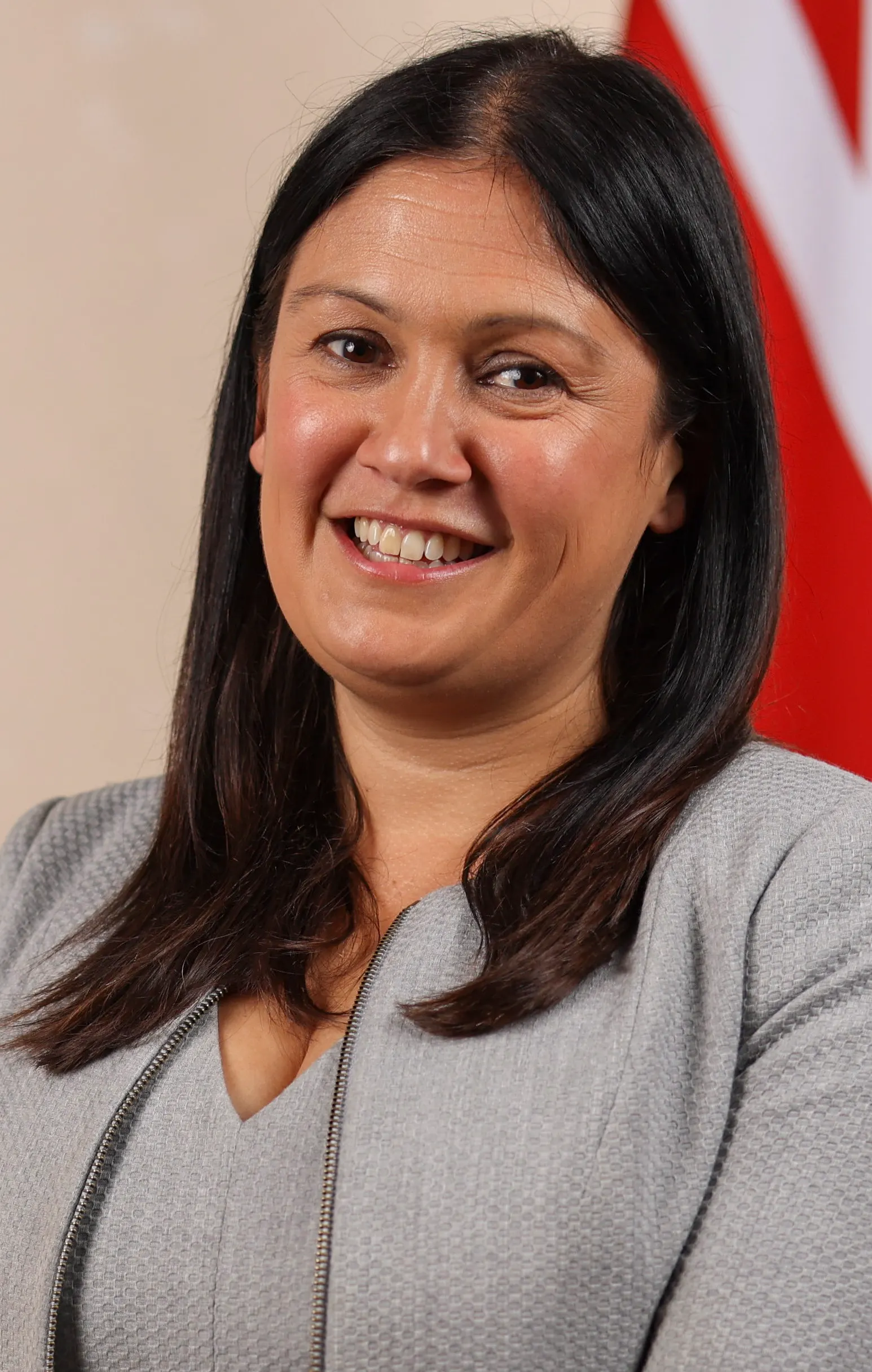
British Culture Secretary Lisa Nandy met media, arts and sports leaders in London on 16 November 2026 to discuss preventing abuse. She called for coordinated action by government and industry.
Jacqueline Lentzou’s A Day in the Life of Jo: Chapter Phaedra received the Golden Alexander – Theo Angelopoulos in the Arrivals international competition on 15 November 2026, according to the 67th Thessaloniki Film Festival’s awards list. The best feature award carries €10,000.
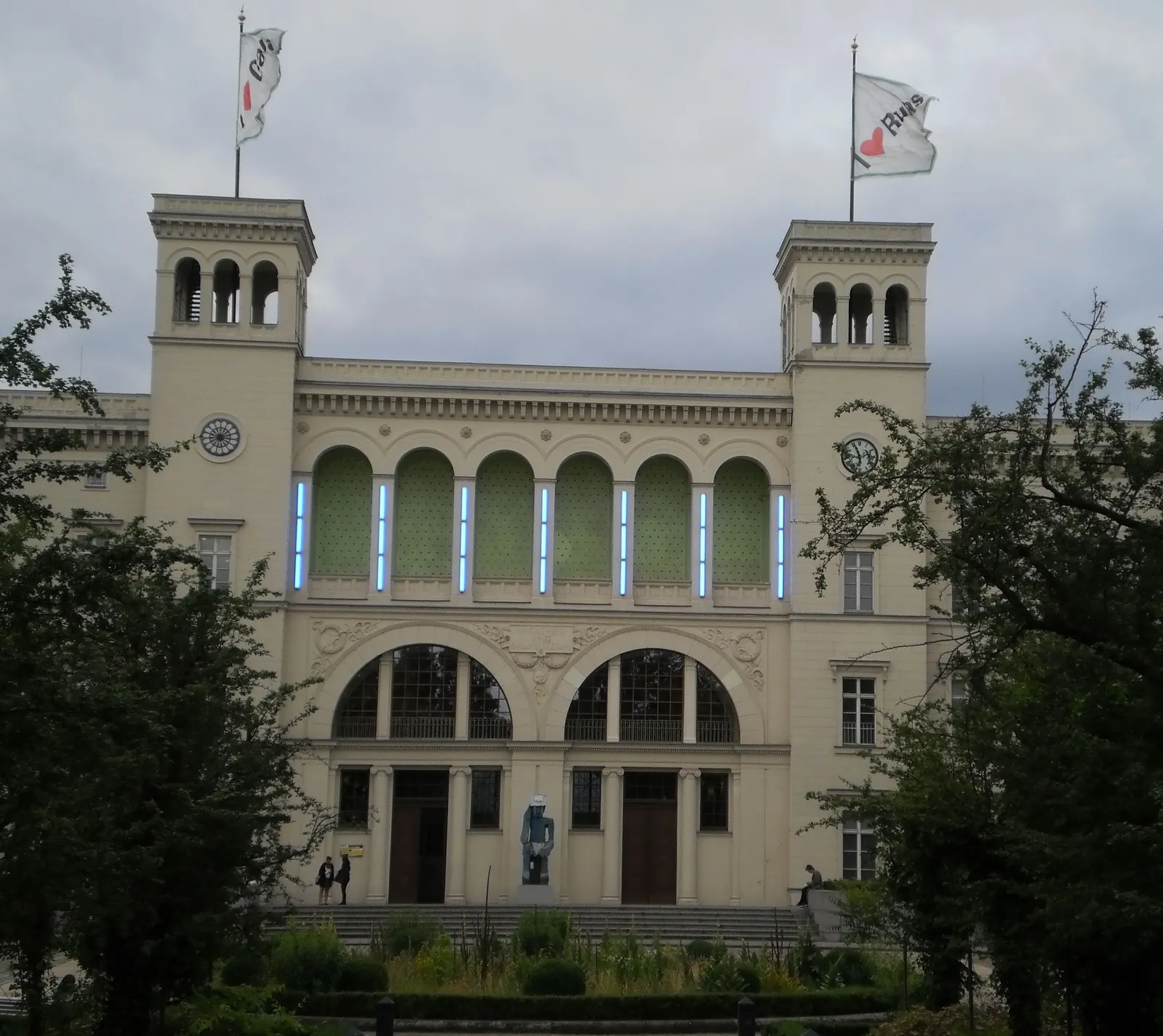
Berlin's Hamburger Bahnhof is holding a free, uninterrupted opening on 14–15 November 2026 for its 30th anniversary. The museum's published programme provides access from 11:00 Saturday until 18:00 Sunday, local time.
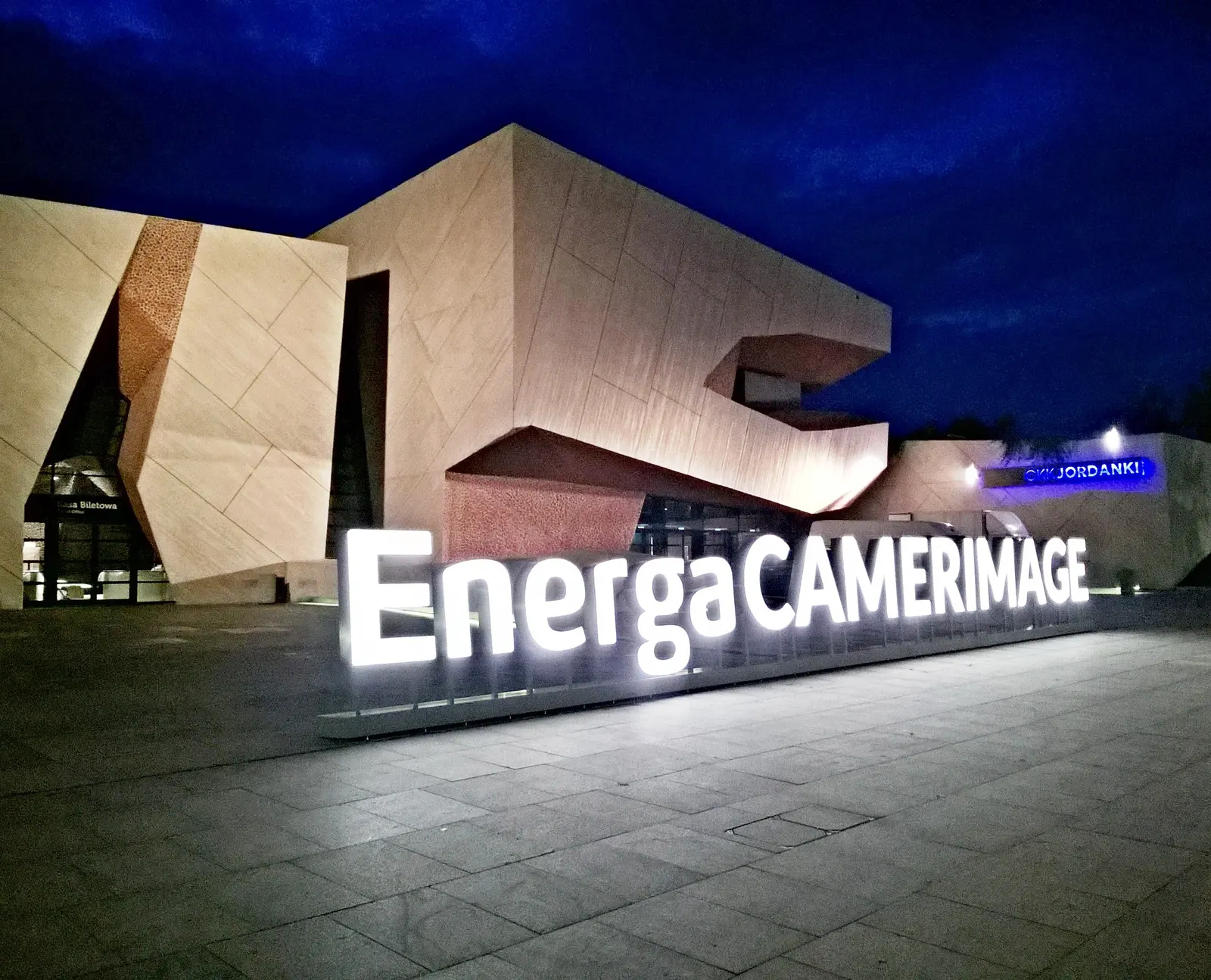
Łukasz Żal won the Golden Frog for the cinematography of Fatherland, directed by Paweł Pawlikowski, at Toruń's Camerimage festival. The 34th edition's awards were announced at the closing ceremony on 14 November 2026.
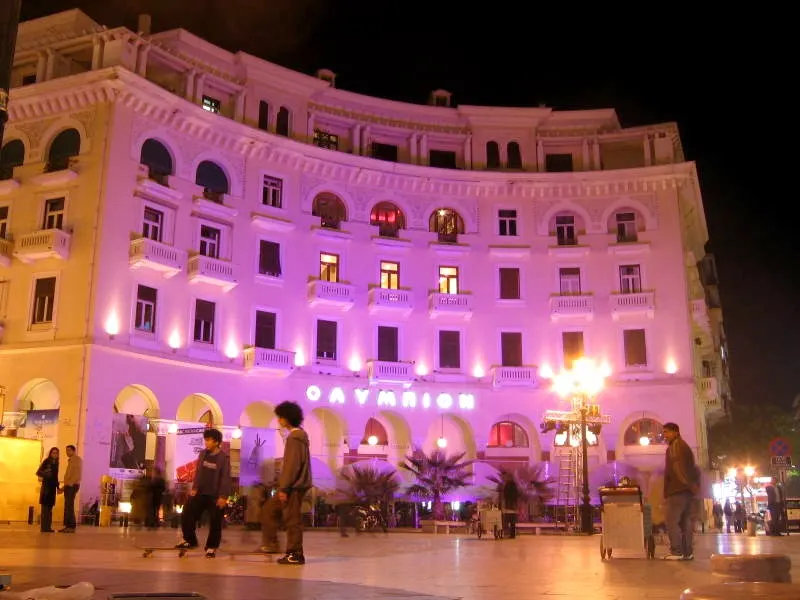
Paweł Pawlikowski’s Fatherland leads nominations for the 39th European Film Awards, announced on 14 November 2026 in Thessaloniki, Greece. It has eleven nominations, ahead of Javier Calvo and Javier Ambrossi’s La bola negra with ten.
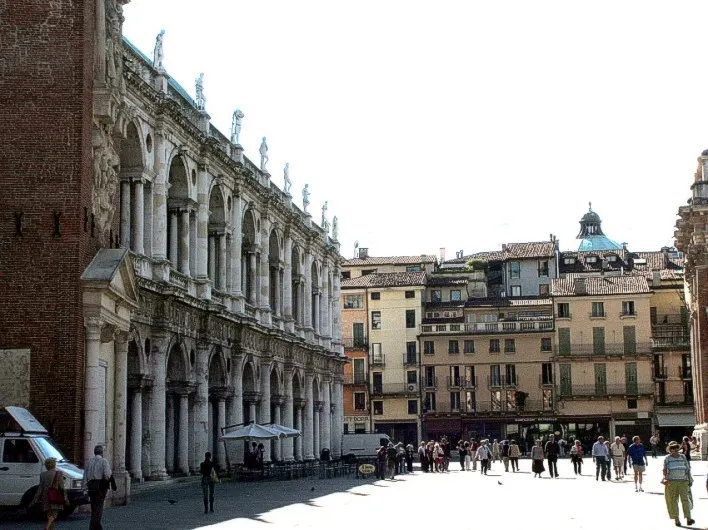
Italian President Sergio Mattarella attended the inauguration of the Italia Germania: From Canova to Kiefer exhibition in Vicenza on 13 November 2026. Public access is scheduled to begin on 14 November.
The Dakar Youth Olympic Games ended on 13 November 2026 with a ceremony at the Youth Olympic Village in Diamniadio, according to the Colombian Olympic Committee and Thiesinfo.
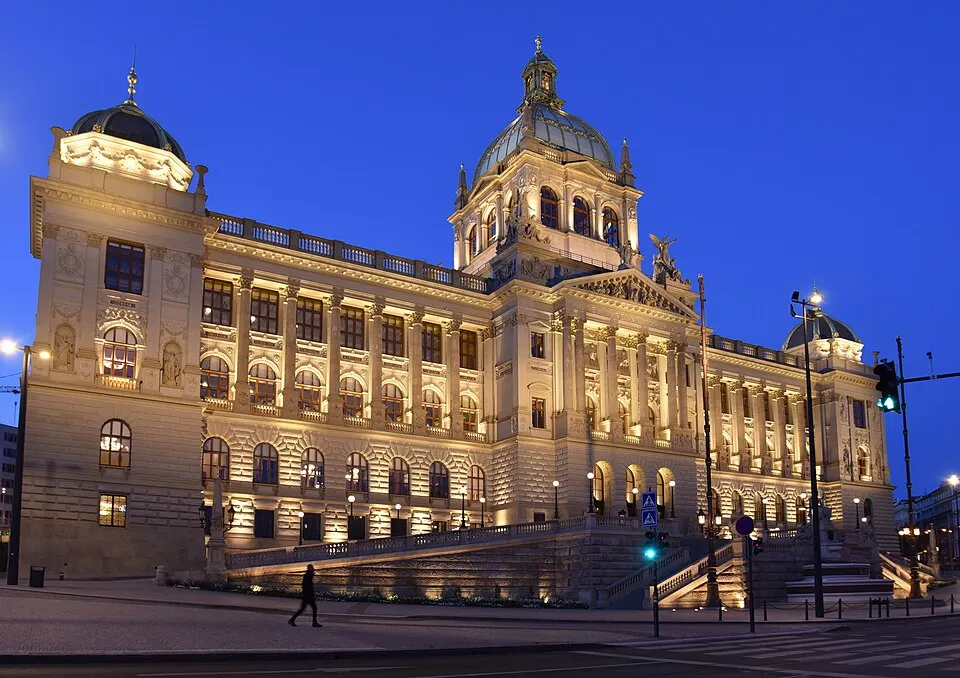
The “Jewish Museum: 120 Years” exhibition is scheduled from 13 November 2026 to 31 May 2027 in Prague's historical National Museum building, according to the organisers and ČTK.
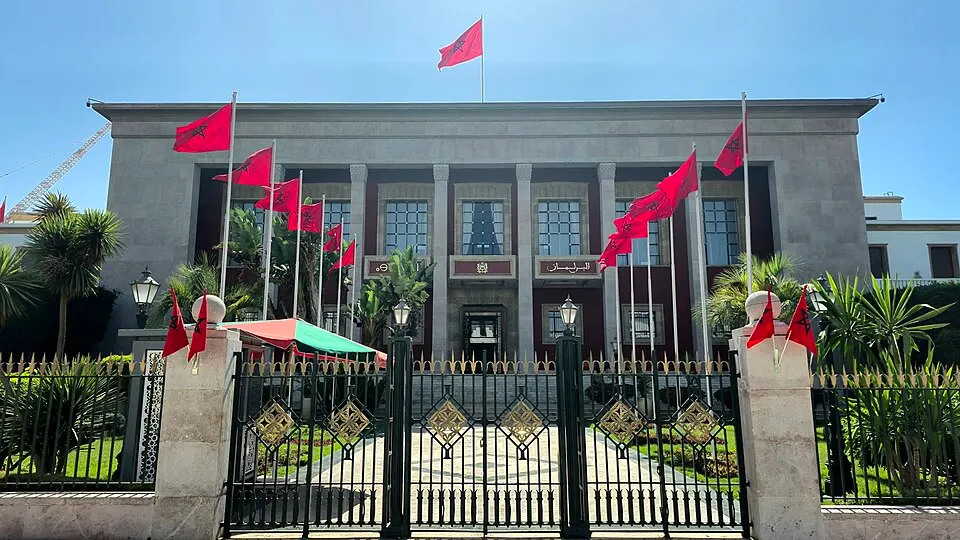
The 21st AfryKamera festival, scheduled in Warsaw for 23–29 November 2026, will spotlight Moroccan cinema, Hespress reported on 12 November. The organizer's calendar confirms those dates.
This dossier traces the Russia–Ukraine war from the seizure of Crimea and the start of fighting in the Donbas in 2014, through the full-scale invasion of 24 February 2022 and its military, diplomatic, economic and humanitarian consequences. It distinguishes recognised sovereignty, claimed annexations and actual military control.
Earlier milestones explain relations between the two states since Ukrainian independence in 1991: the 1994 Budapest security assurances, the 1997 friendship treaty, the 2003 Tuzla crisis, gas disputes and the 2010 Kharkiv agreements. The suspension of preparations for the European Union agreement in November 2013 opens the Euromaidan crisis. These antecedents are distinguished from the war that began in 2014; each entry links to its sources.
The timeline follows Ilovaisk, Donetsk airport, Debaltseve, the Minsk agreements, disengagement attempts, fighting and the humanitarian crisis in Avdiivka in 2017, the trade blockade, detainee exchanges and the Kerch maritime crisis. It then documents the war’s expansion, Ukrainian territorial recaptures, Bakhmut, international justice, grain, energy, external assistance and negotiations. Retrospective investigations are identified and claims remain attributed.
This selection of turning points includes canonical occurrences from the archived energy dossier. It expands previously sparse years without providing an exhaustive daily record: local fighting, successive sanctions, all weapons deliveries and population displacement are not detailed. Cumulative military losses and complete territorial control remain coverage limitations.
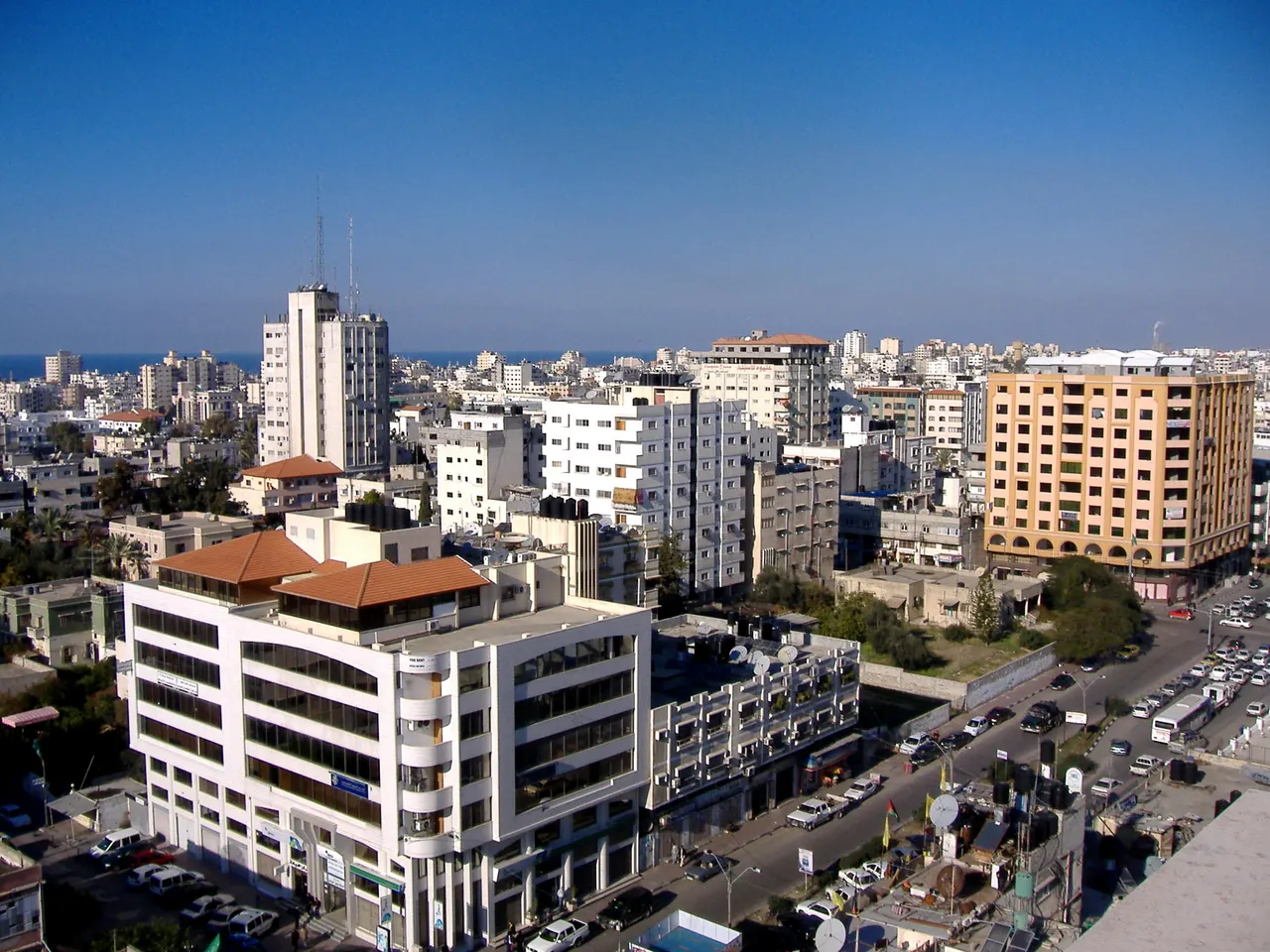
This dossier traces the modern origins and major stages of the Israeli–Palestinian conflict from the late nineteenth century to today: national movements, the British Mandate, Israel’s creation and the Nakba, wars, occupation and settlements, Palestinian mobilization, peace efforts, political divisions, humanitarian crises and international proceedings. Each published occurrence includes its sources and distinguishes established facts, attributed statements and judicial findings. The timeline needs further detail on local settlement developments, some regional episodes and negotiations; it does not claim to catalogue every incident.
This dossier traces the origins and transformation of the Moroccan Sahara conflict: historical ties and allegiances, Spanish colonial rule from 1884, decolonisation, war, the referendum process, the autonomy proposal and diplomacy through 17 October 2026. It also covers populations, Hassani culture, Tindouf refugees, prisoners and missing persons, human rights, resources and trade agreements.
Morocco claims the territory on grounds of territorial integrity and historical ties; the Polisario Front seeks independence through self-determination, with Algerian support. Mauritania withdrew from the territorial conflict in 1979 but remains involved through neighbourhood interests and negotiations. Morocco administers the principal cities and Atlantic coast; the military berm is not an agreed international border. The dossier distinguishes effective control, sovereignty claims, bilateral recognition and status in international institutions.
In 1975, the ICJ recognised allegiance ties with certain tribes without finding territorial sovereignty that would exclude self-determination. The settlement plan accepted in 1988 and MINURSO established in 1991 did not deliver the planned referendum. The Baker initiatives and Morocco’s 2007 autonomy plan shifted negotiations towards institutions, safeguards and consent. US, Spanish, French and British positions use different wording and should not be counted as identical acts.
Sources accompany each milestone. “Moroccan Sahara” is the editorial designation; UN and court documents generally use “Western Sahara.” Their substantive qualifications are preserved. No map is used. Day-level dates do not imply a known time of day.