
EDITH trial begins in Cambridge to assess AI in mammogram reading
The first women are being invited in Cambridge to join the UK EDITH trial, which assesses artificial intelligence assistance in reading screening mammograms.
Europe · Technology
Latest technology news concerning Europe.
Newest to oldest
The first women are being invited in Cambridge to join the UK EDITH trial, which assesses artificial intelligence assistance in reading screening mammograms.
On 20 November, Urgo and its partners announced they had created living artificial skin in a laboratory, designed to be stored frozen before a potential transplant.
On 18 November the European Commission proposed an agenda to develop advanced materials and speed their journey from laboratories to production.
Groupe Figaro and OpenAI announced a partnership on 18 November allowing summaries and excerpts from the group’s publications to appear in ChatGPT with links to the original articles.
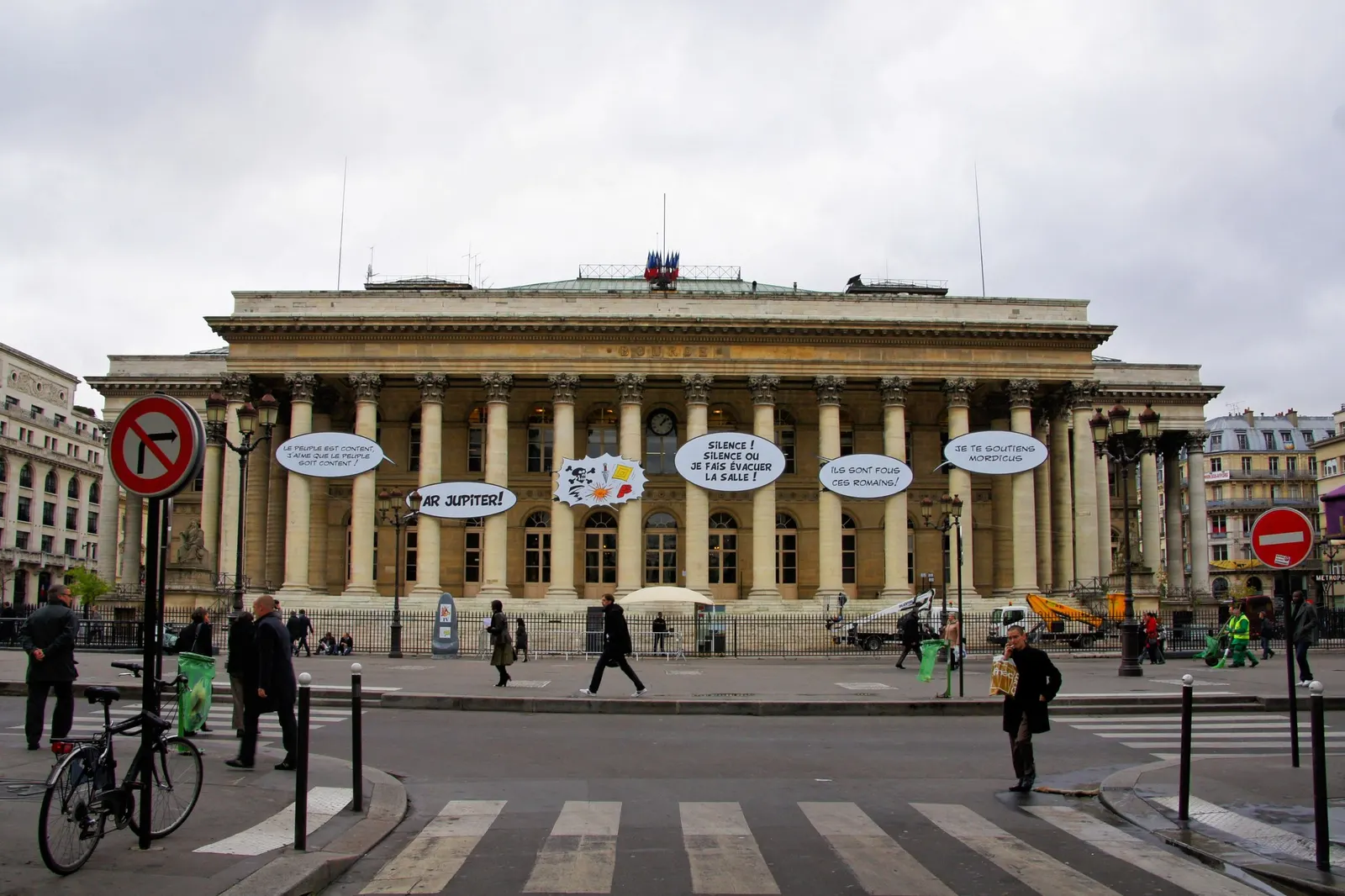
The Stoxx Europe 600 was down about 0.7% at 08:25 GMT on 17 November 2026. Technology stocks were among the declining sectors following fresh US restrictions on Chinese access to artificial intelligence chips.
Iliad reported 5% organic growth in third-quarter service revenue on 17 November 2026. Free’s parent company says commercial performance improved in France and Italy.
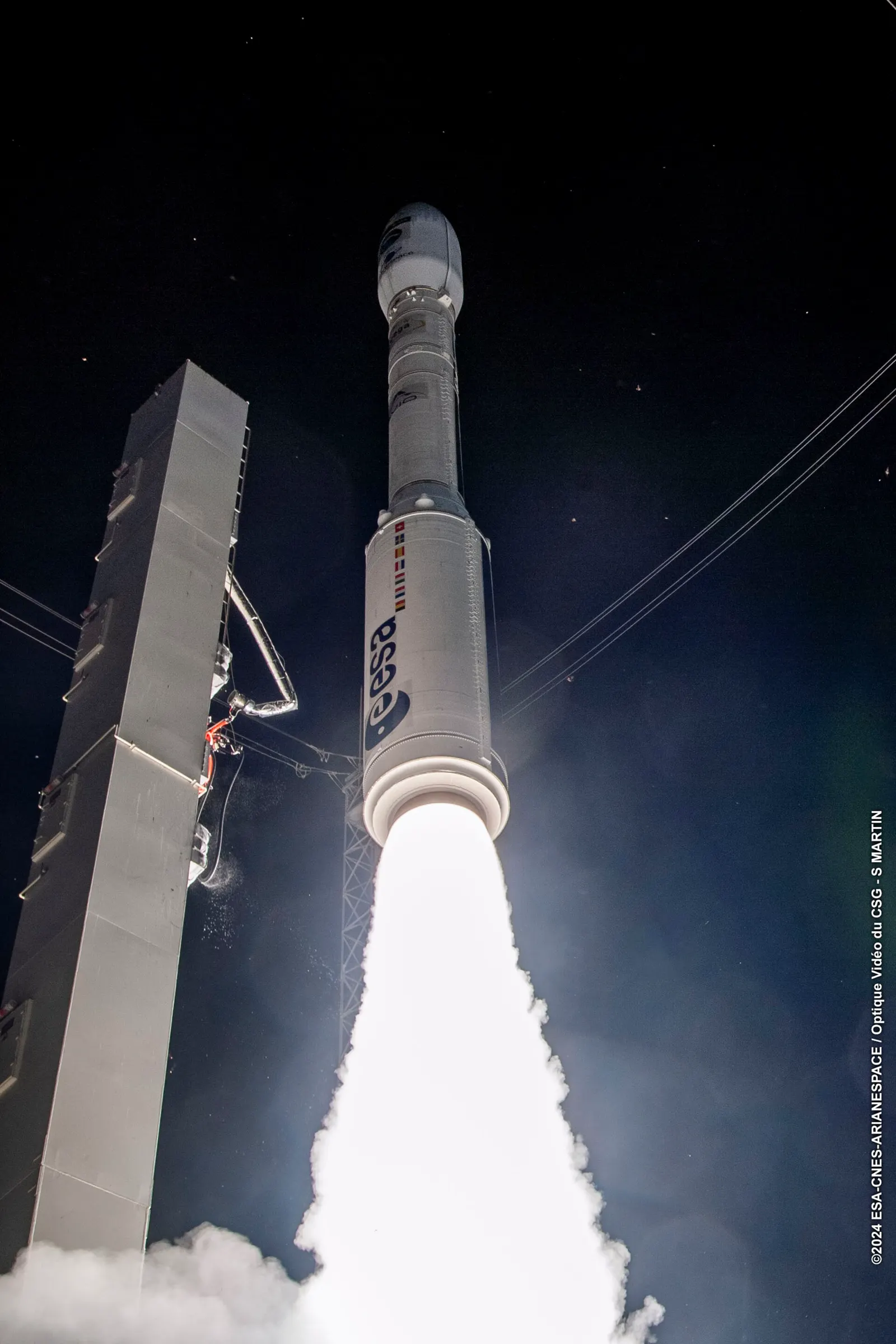
Finnish satellite group Iceye announced a €41-per-share cash offer for Italian rocket maker Avio on 17 November 2026. The bid values the shares at roughly €2.05 billion.
Nokia, Nscale, Skeleton, Telia and Verda announced the formation of AI Gigafactory Northern on 16 November 2026. The partners intend to propose artificial intelligence infrastructure distributed across several Nordic and Baltic sites.
The UK government asked Microsoft to share lessons from the 12–13 November 2026 outage in a Commons statement on 16 November. Minister Ian Murray announced work with government departments and businesses to establish its impact.
The CAC 40 ended 16 November 2026 down 0.20% at 8,352 points. Reuters and several data providers agree on this Paris closing level.
In a report published on 16 November 2026, Google Threat Intelligence Group and Mandiant describe “exploit_agent,” a system said to compare software before and after patches to create and execute attacks automatically.
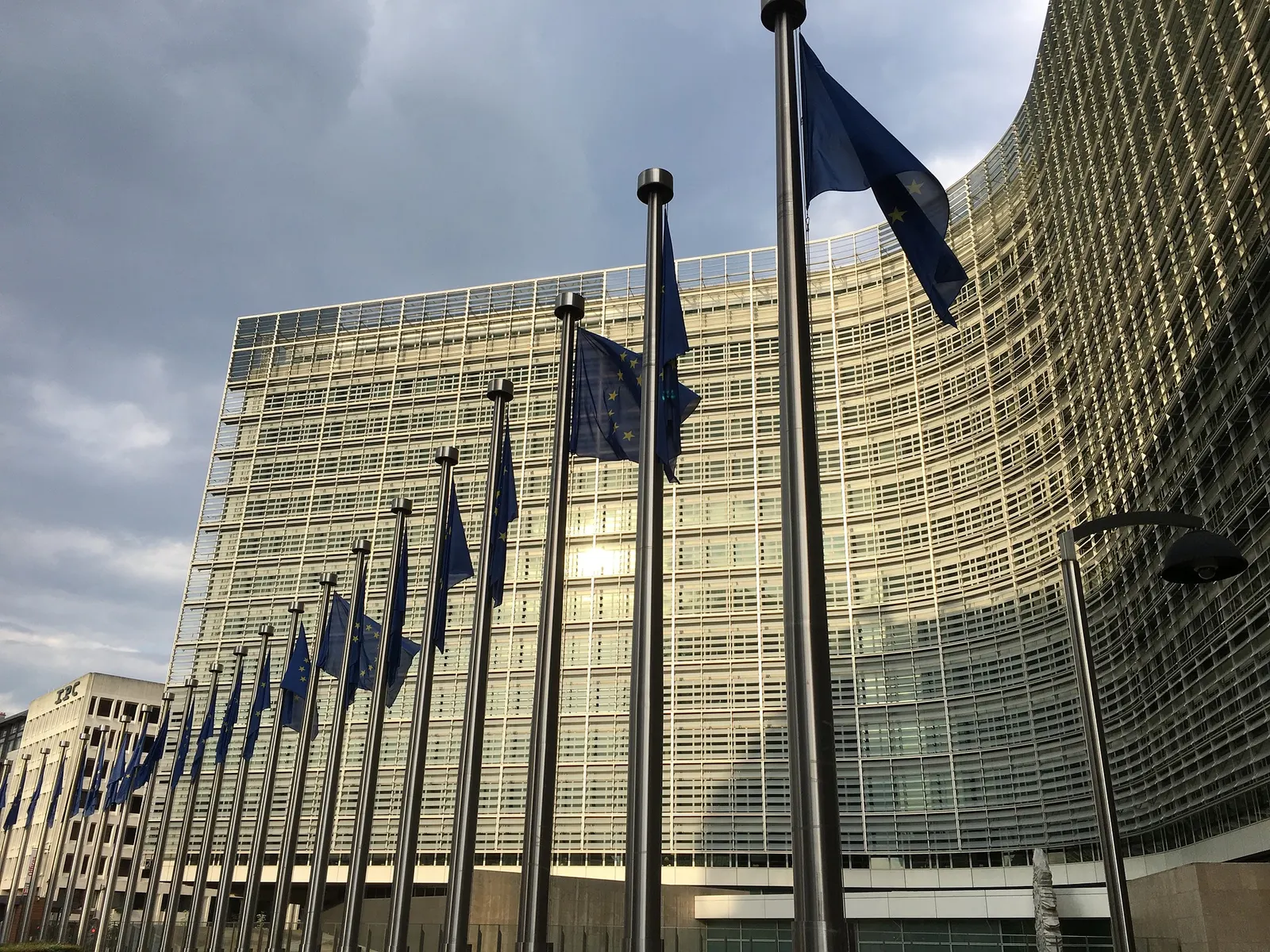
The EU Council announced sanctions on 16 November 2026 against 30 people and two entities in response to hybrid operations attributed to Russia. Social Design Agency and hacker collective NoName057(16) are among the targets.
This dossier traces the Russia–Ukraine war from the seizure of Crimea and the start of fighting in the Donbas in 2014, through the full-scale invasion of 24 February 2022 and its military, diplomatic, economic and humanitarian consequences. It distinguishes recognised sovereignty, claimed annexations and actual military control. Earlier milestones explain relations between the two states since Ukrainian independence in 1991: the 1994 Budapest security assurances, the 1997 friendship treaty, the 2003 Tuzla crisis, gas disputes and the 2010 Kharkiv agreements. The suspension of preparations for the European Union agreement in November 2013 opens the Euromaidan crisis. These antecedents are distinguished from the war that began in 2014; each entry links to its sources. The timeline follows Ilovaisk, Donetsk airport, Debaltseve, the Minsk agreements, disengagement attempts, fighting and the humanitarian crisis in Avdiivka in 2017, the trade blockade, detainee exchanges and the Kerch maritime crisis. It then documents the war’s expansion, Ukrainian territorial recaptures, Bakhmut, international justice, grain, energy, external assistance and negotiations. Retrospective investigations are identified and claims remain attributed. This selection of turning points includes canonical occurrences from the archived energy dossier. It expands previously sparse years without providing an exhaustive daily record: local fighting, successive sanctions, all weapons deliveries and population displacement are not detailed. Cumulative military losses and complete territorial control remain coverage limitations.
View file →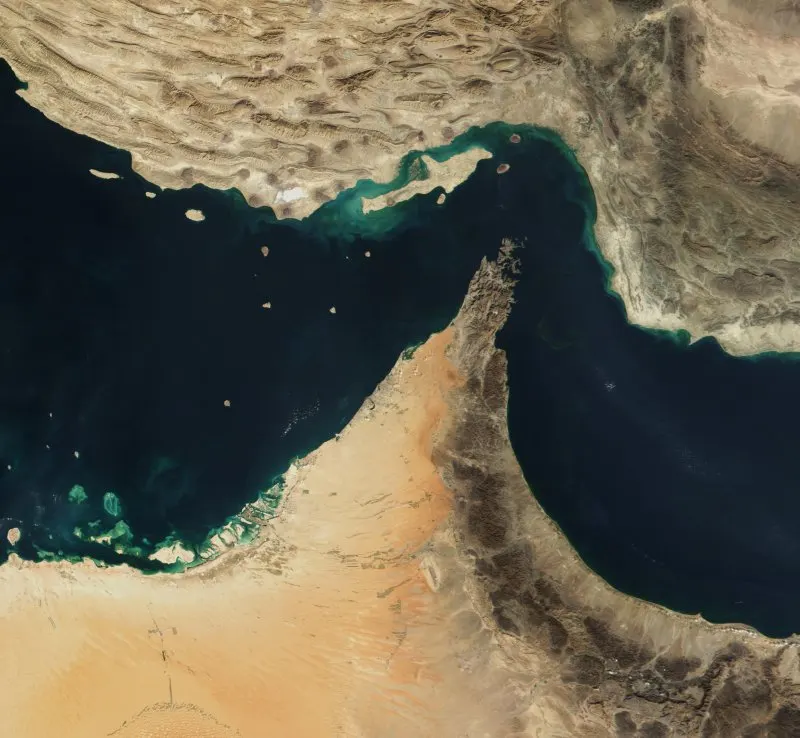
This dossier traces the Islamic Republic of Iran from Ruhollah Khomeini’s return in February 1979: the monarchy’s overthrow, the hostage crisis, the Iran-Iraq War, Ali Khamenei’s succession, sanctions, domestic protests and nuclear negotiations. It also follows regional confrontation through Tehran’s allies, rapprochement with Saudi Arabia and the transition to direct Iran-Israel attacks in 2024. The twelve-day war of June 2025 is distinguished from the conflict opened on 28 February 2026 by US and Israeli strikes. The chronology examines Ali Khamenei’s killing and Mojtaba Khamenei’s succession, civilian victims, regional fronts, energy infrastructure, Hormuz, blockades and attempts at agreement. The Qatari consultations that originally defined this dossier remain integrated into the expanded history. Sourced entries distinguish established facts, announcements, attributed responsibility and unverified outcomes. The reconstruction selects principal milestones rather than recording every military operation. No final, consistent human toll across all theatres is established here. Dates without a known time are ordered by calendar day.
View file →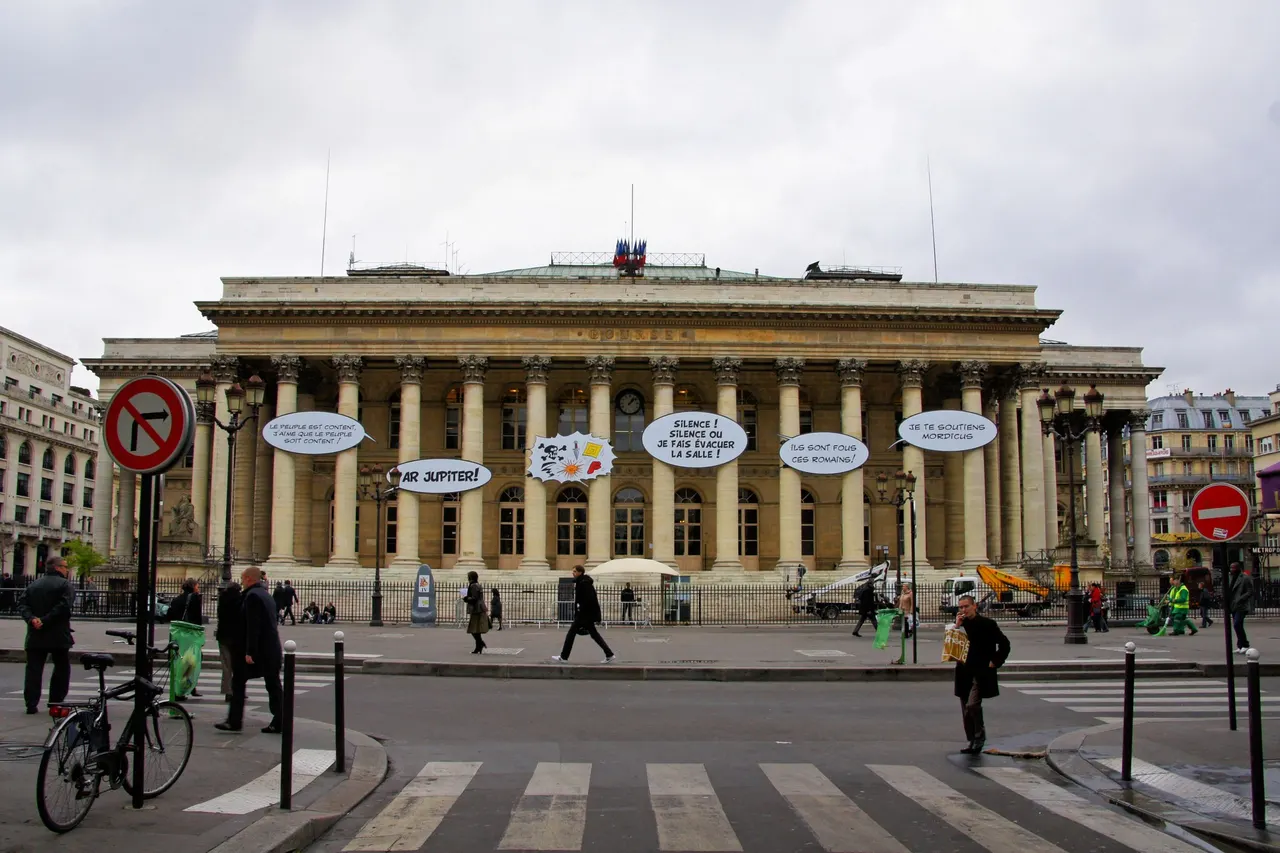
This dossier follows European equities, trading sessions and relevant monetary announcements, distinguishing observed price movements from interpretations.
View file →
Coverage of Outlook, Exchange Online and related service outages, their scope and recovery measures.
View file →
This dossier follows preparations and organisation of Dakar 2026 in Senegal, competitions, visitor arrangements and the announced legacy.
View file →Monitoring European debates on artificial intelligence sovereignty and governance.
View file →