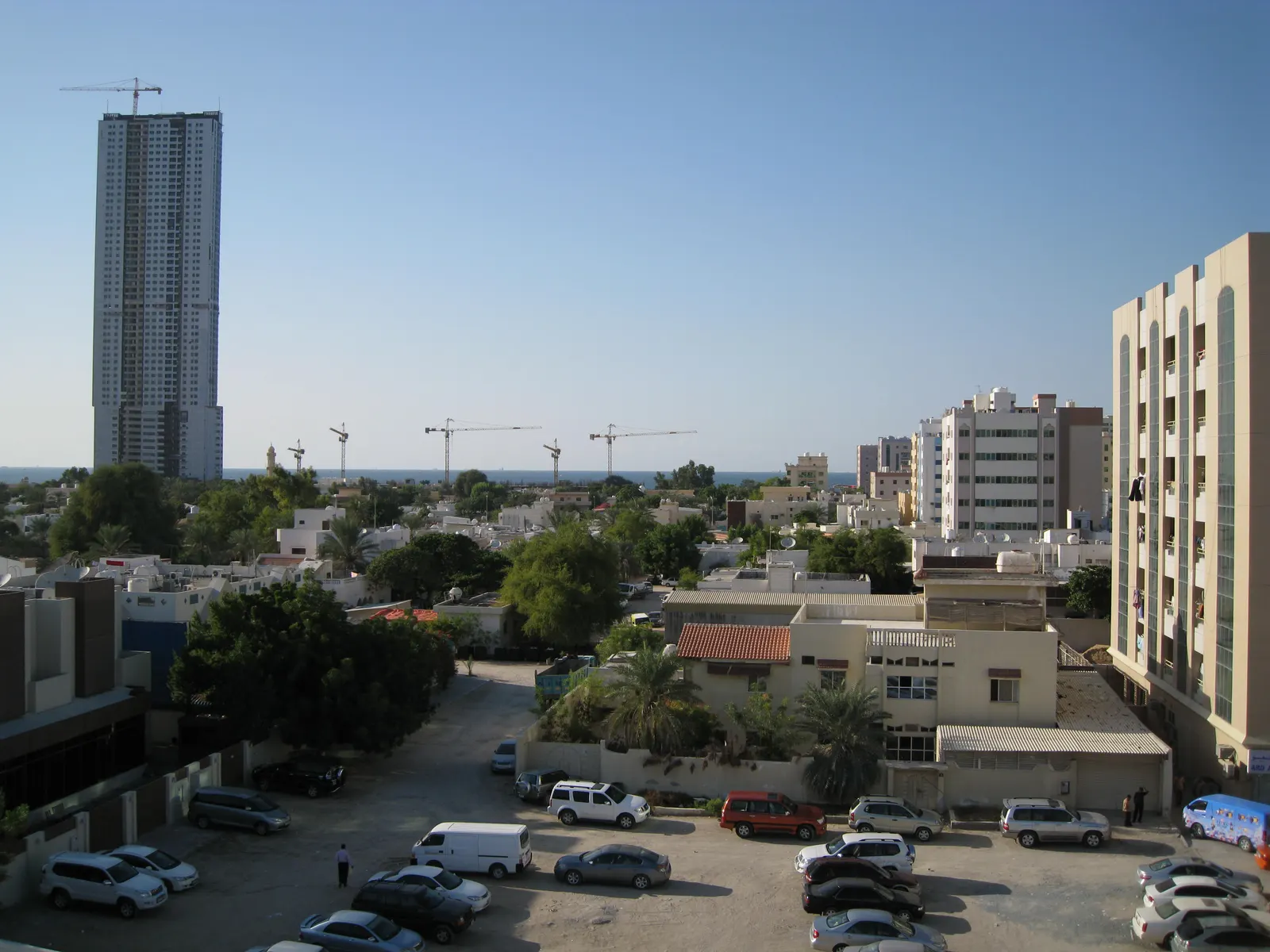
Ajman’s Innovation Platform opened on 17 November 2026 with 16 government bodies and educational institutions, according to the emirate’s media office. The school project Nebula, addressing water conservation, received an award.
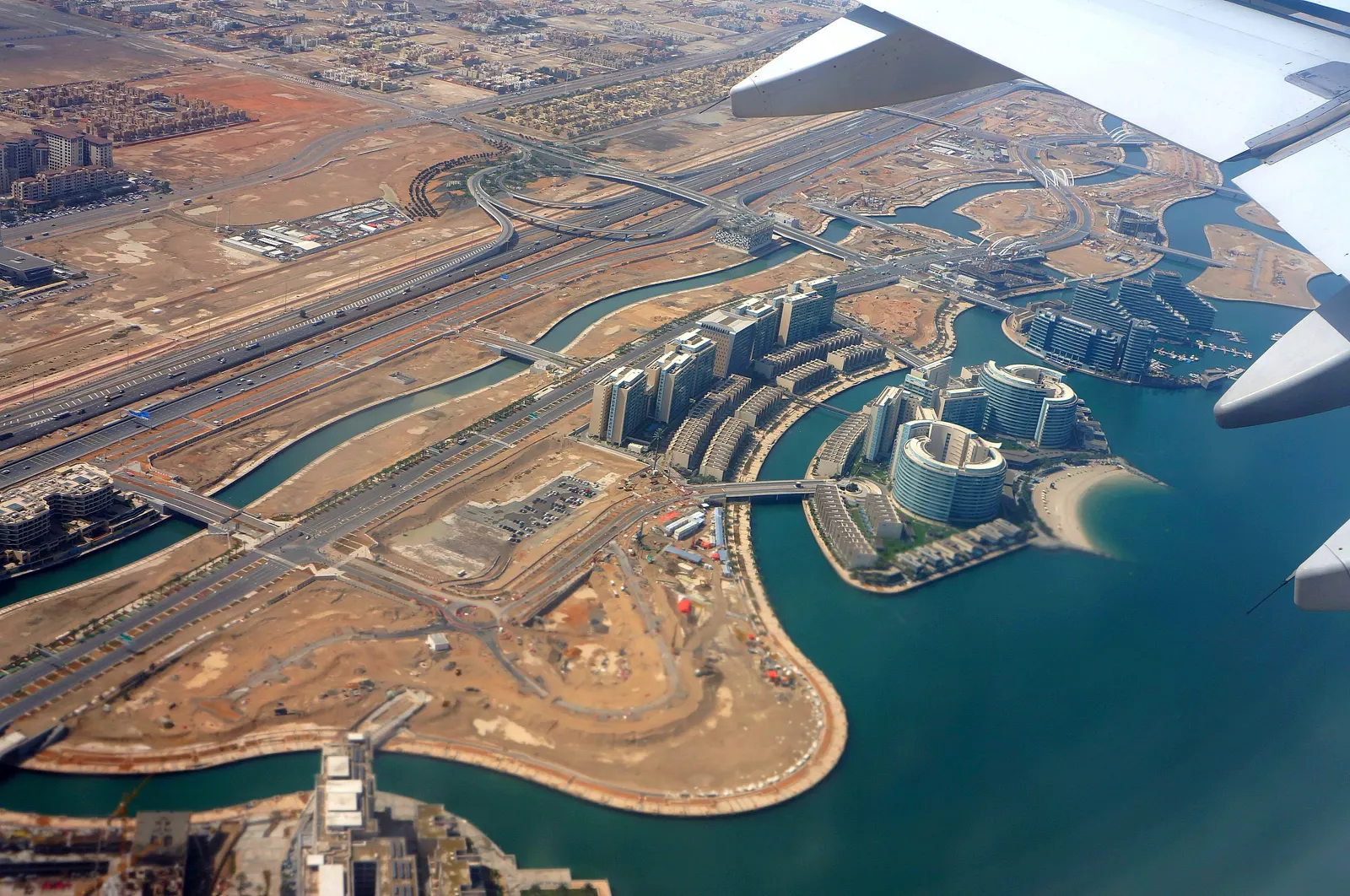
ADI Foundation and Vision Bank announced a memorandum of understanding in Abu Dhabi on 17 November 2026 to explore tokenising bank deposits and financial assets on ADI Chain.
Iraqi and Jordanian authorities announced Telegram blocks on 16 November 2026, citing security and illegal content. Iraq’s regulator gave the operator 30 days to comply with the country’s requirements.
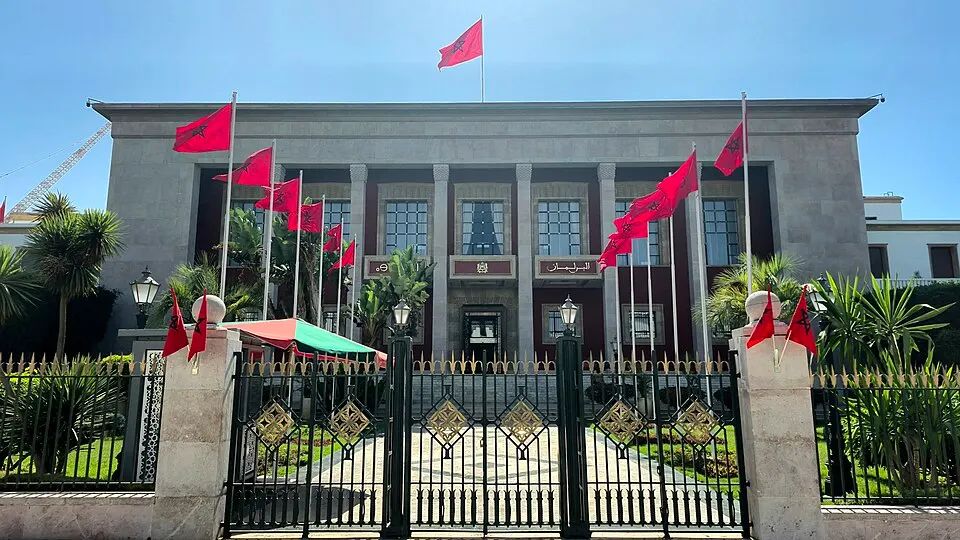
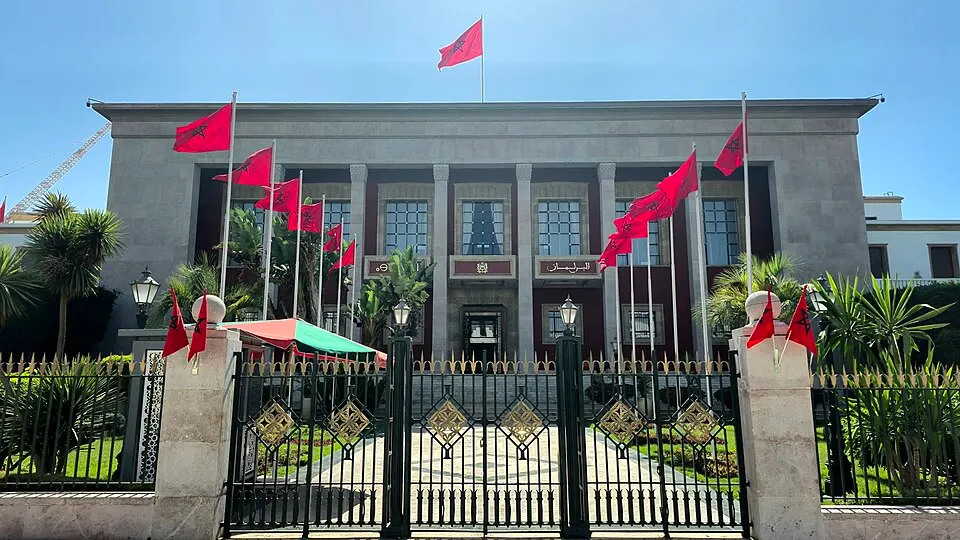
Morocco’s digital ministry announced on 16 November 2026 that the country was re-elected to the ITU Council for 2027–2030 with 125 votes and Sana Zairi was elected to the Radio Regulations Board with 130 votes.
Sharjah Digital Department announced an artificial intelligence agent challenge for government work on 16 November 2026. Thirty participants are expected to build prototypes from 8 to 10 December with Inception42 and Microsoft.
The third Saudi paper and cardboard exhibition opened in Jeddah on 16 November 2026, according to SPA. Scheduled through 18 November, it brings together the paper, hygiene-product and packaging industries.
Dubai Municipality unveiled a food safety roadmap and artificial intelligence projects on 16 November 2026. One project will analyse customers' Google reviews to flag potential risks and guide inspections.
The EU Council announced sanctions on 16 November 2026 against 30 people and two entities in response to hybrid operations attributed to Russia. Social Design Agency and hacker collective NoName057(16) are among the targets.
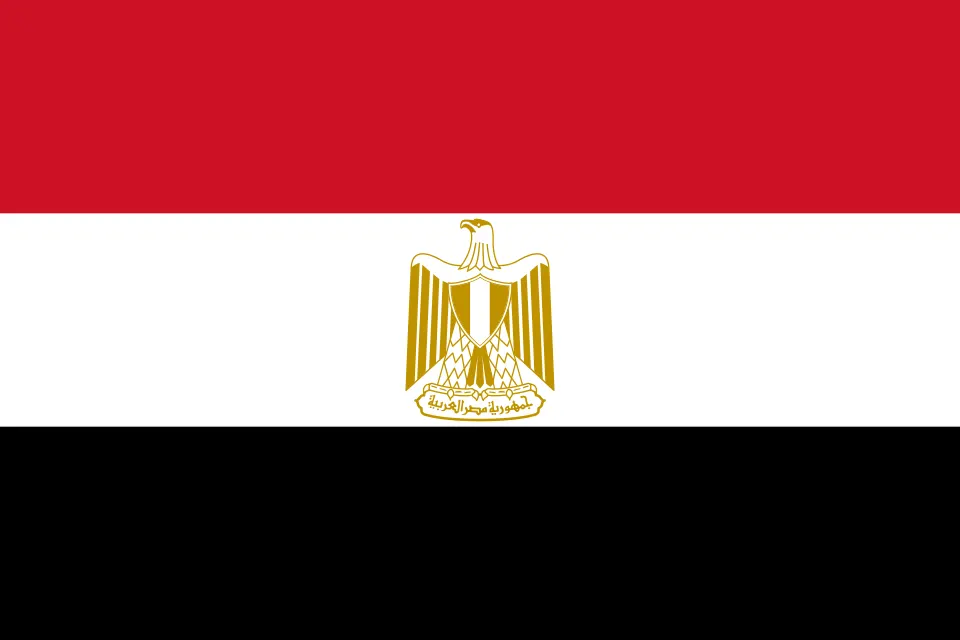
Egyptian Health Minister Khaled Abdel Ghaffar met Huma chief Dan Vahdat to discuss digital health and artificial intelligence cooperation, according to the ministry account reported on 16 November 2026.
The United States and nine partners signed a declaration in San Francisco on 15 November 2026 on protecting sensitive technologies and infrastructure underpinning AI, under the Pax Silica initiative.
Egyptian Industry Minister Khaled Hashem visited five factories in the Third Settlement industrial zone and inaugurated new lines at Multi Care Egypt, according to reports published on 15 November 2026.
Saudi Arabia’s Sport Ministry announced on 15 November 2026 an accreditation service for platforms selling and reselling tickets to sports competitions and events through its Riyadhi portal.
This dossier traces the Russia–Ukraine war from the seizure of Crimea and the start of fighting in the Donbas in 2014, through the full-scale invasion of 24 February 2022 and its military, diplomatic, economic and humanitarian consequences. It distinguishes recognised sovereignty, claimed annexations and actual military control.
Earlier milestones explain relations between the two states since Ukrainian independence in 1991: the 1994 Budapest security assurances, the 1997 friendship treaty, the 2003 Tuzla crisis, gas disputes and the 2010 Kharkiv agreements. The suspension of preparations for the European Union agreement in November 2013 opens the Euromaidan crisis. These antecedents are distinguished from the war that began in 2014; each entry links to its sources.
The timeline follows Ilovaisk, Donetsk airport, Debaltseve, the Minsk agreements, disengagement attempts, fighting and the humanitarian crisis in Avdiivka in 2017, the trade blockade, detainee exchanges and the Kerch maritime crisis. It then documents the war’s expansion, Ukrainian territorial recaptures, Bakhmut, international justice, grain, energy, external assistance and negotiations. Retrospective investigations are identified and claims remain attributed.
This selection of turning points includes canonical occurrences from the archived energy dossier. It expands previously sparse years without providing an exhaustive daily record: local fighting, successive sanctions, all weapons deliveries and population displacement are not detailed. Cumulative military losses and complete territorial control remain coverage limitations.
This dossier traces the Islamic Republic of Iran from Ruhollah Khomeini’s return in February 1979: the monarchy’s overthrow, the hostage crisis, the Iran-Iraq War, Ali Khamenei’s succession, sanctions, domestic protests and nuclear negotiations. It also follows regional confrontation through Tehran’s allies, rapprochement with Saudi Arabia and the transition to direct Iran-Israel attacks in 2024.
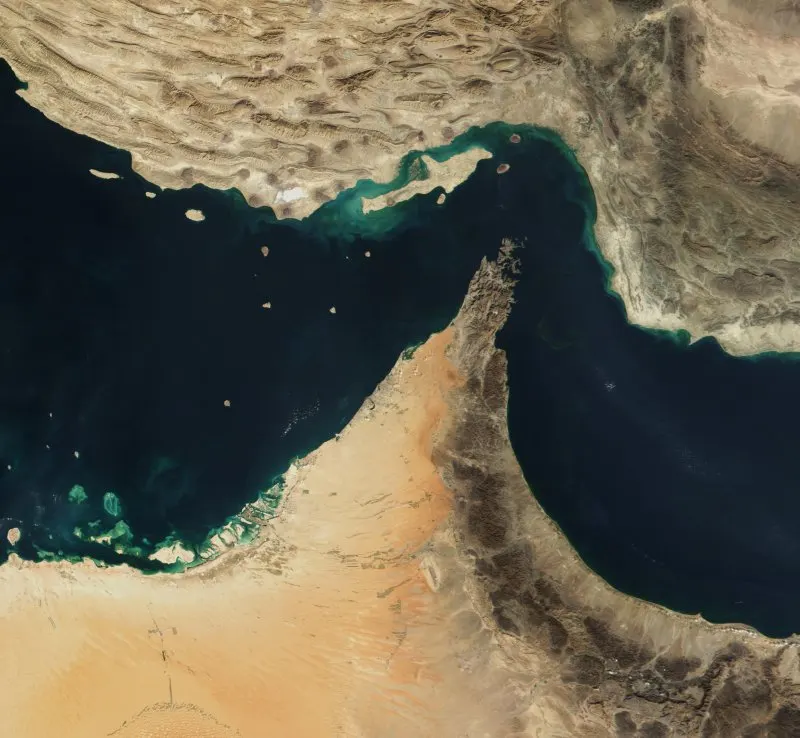
The twelve-day war of June 2025 is distinguished from the conflict opened on 28 February 2026 by US and Israeli strikes. The chronology examines Ali Khamenei’s killing and Mojtaba Khamenei’s succession, civilian victims, regional fronts, energy infrastructure, Hormuz, blockades and attempts at agreement. The Qatari consultations that originally defined this dossier remain integrated into the expanded history.
Sourced entries distinguish established facts, announcements, attributed responsibility and unverified outcomes. The reconstruction selects principal milestones rather than recording every military operation. No final, consistent human toll across all theatres is established here. Dates without a known time are ordered by calendar day.
This dossier follows the International Telecommunication Union’s plenipotentiary conference in Doha, including elections, strategy and financing. It distinguishes the opening of proceedings from adopted decisions.
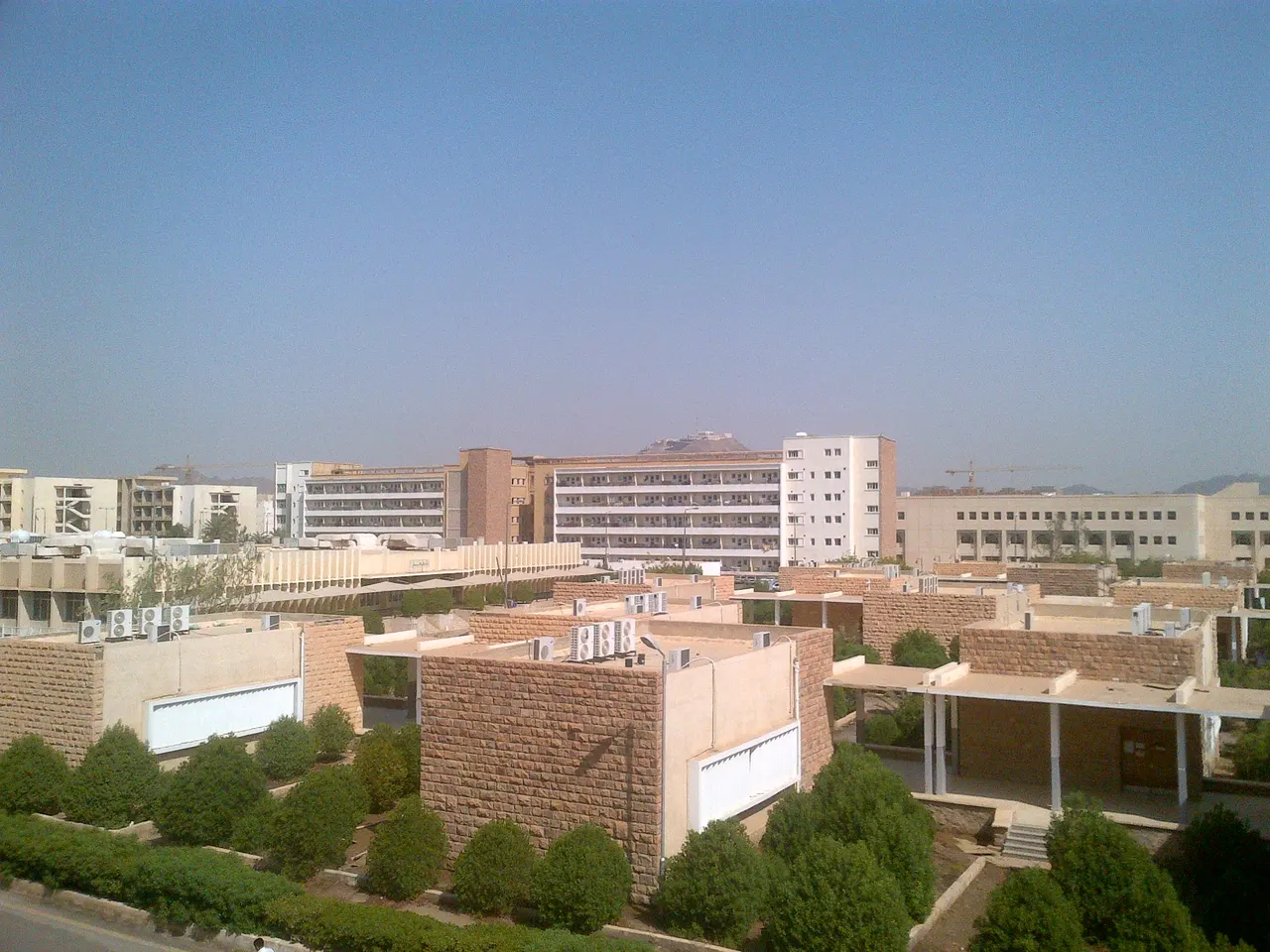
This dossier follows research training and support programmes at the Islamic University of Madinah, distinguishing scheduled activities from published scientific findings.