
Saudi Arabia adopts 2027 budget with projected 190.56 billion riyal deficit
Saudi Arabia adopted its 2027 budget on 24 November, projecting spending of 1,392.1 billion riyals and a deficit of 190.56 billion.
Middle East · Economy
Latest economy news concerning Middle East.
Newest to oldest
Saudi Arabia adopted its 2027 budget on 24 November, projecting spending of 1,392.1 billion riyals and a deficit of 190.56 billion.
On 23 November, the European Commission proposed further sanctions against Russia, targeting banks, cryptocurrency and participation under the Russian flag at sporting events in the European Union.
The US Treasury announced sanctions on November 23 targeting more than two dozen exchange houses, front companies and individuals associated with Iranian financial networks.
The Houthis said on November 22 that they had targeted Saudi Arabia’s Rabigh refinery and scored a direct hit, a claim that could not be independently verified.
Iraqi emergency crews responded on Saturday morning to a fire at Al-Hartha power station north of Basra. The Security Media Cell reported a preliminary toll of four dead and 35 injured.
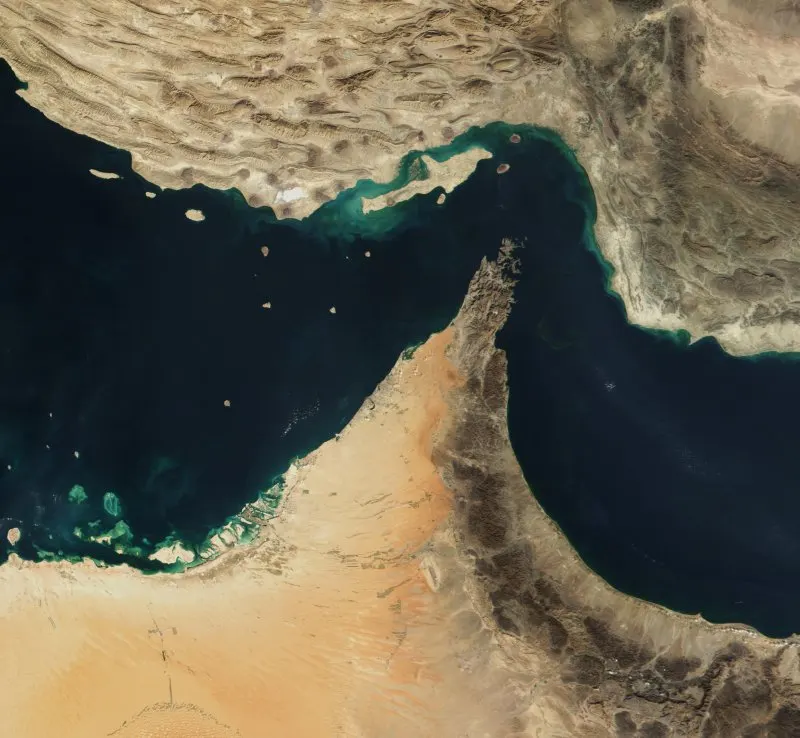
ADNOC Logistics and Services said on 18 November that one crew member remained missing and 11 others were injured after one of its vessels was attacked in the Strait of Hormuz the previous evening.
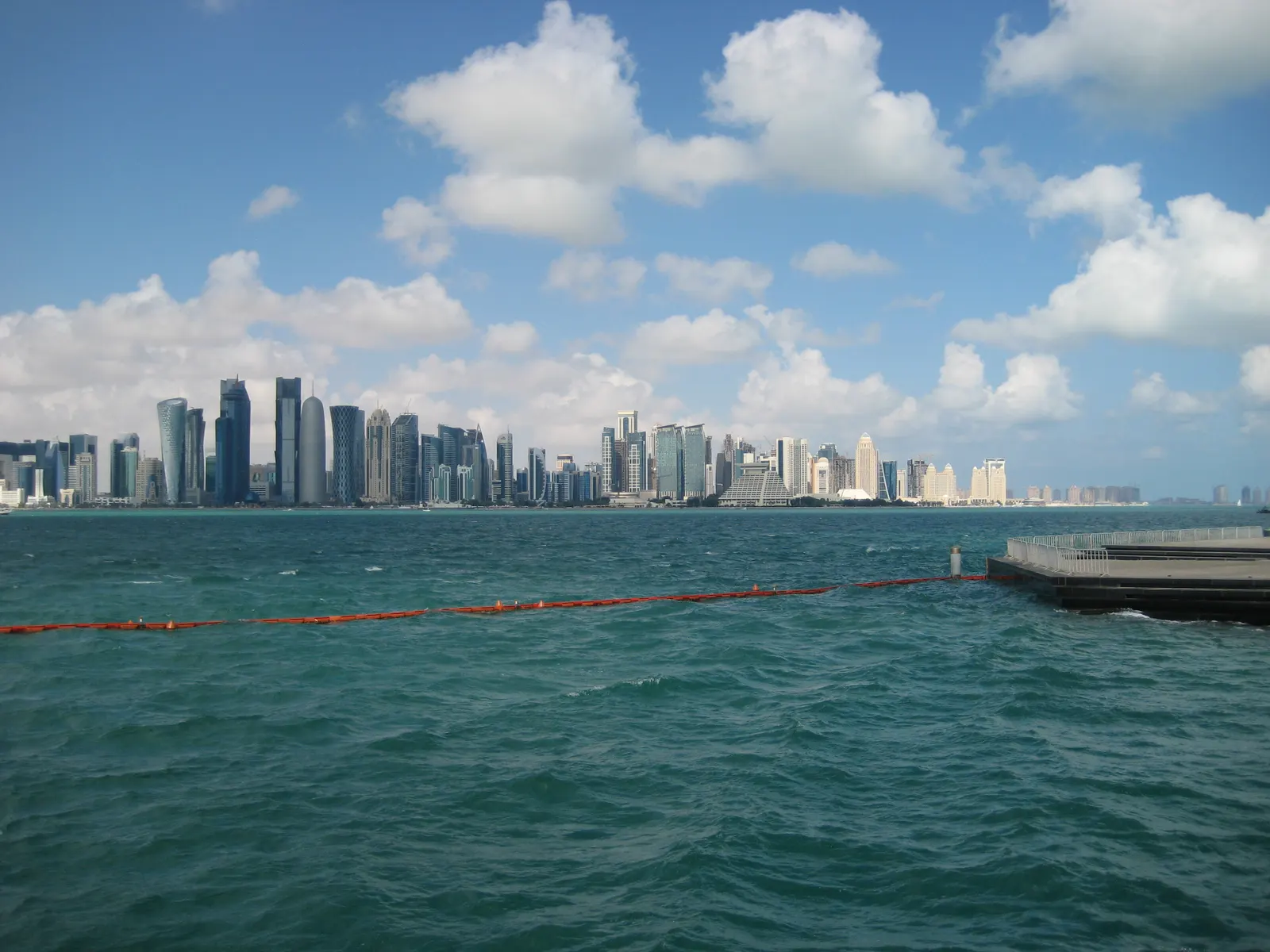
The International Monetary Fund forecasts that Qatar’s real GDP will contract by about 14.5% in 2026, in an assessment published on 17 November after a visit to Doha.
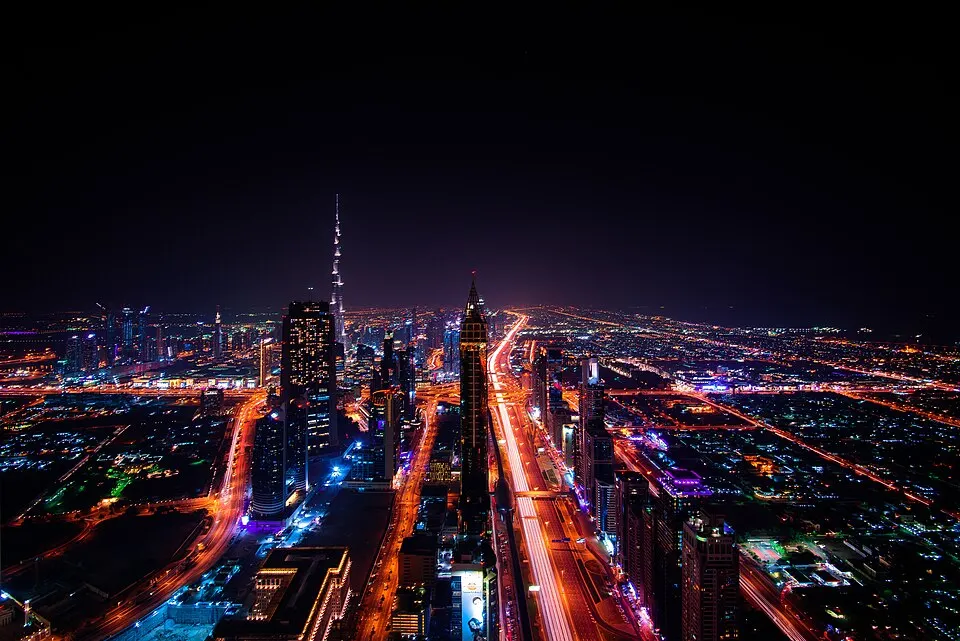
Dubai and Abu Dhabi indices gained 0.6% and 0.9% respectively at the 17 November close, while Saudi and Qatari markets fell by about 0.1% and 0.3%.
Iraq announced on 17 November that it had resumed pumping crude for export through the old Kirkuk–Ceyhan pipeline at an initial capacity of 120,000 barrels a day, according to its oil minister.
Omani and Iranian foreign ministers Badr Albusaidi and Abbas Araghchi met in Muscat on 17 November 2026, according to Oman’s Foreign Ministry. Maritime corridor security and ways to revive negotiations were on the agenda.
The UK announced sanctions on 17 November 2026 against eight companies linked to Israeli settlements in the occupied West Bank and Tzav 9, which London accuses of obstructing aid to Gaza. The official statement and Reuters confirm the announcement.
Abdel Fattah el-Sisi met World Economic Forum CEO Alois Zwinggi on 17 November 2026 during the strategic meeting on Egypt. According to the presidency, discussions addressed investment and the private sector’s role.
This dossier traces the Russia–Ukraine war from the seizure of Crimea and the start of fighting in the Donbas in 2014, through the full-scale invasion of 24 February 2022 and its military, diplomatic, economic and humanitarian consequences. It distinguishes recognised sovereignty, claimed annexations and actual military control. Earlier milestones explain relations between the two states since Ukrainian independence in 1991: the 1994 Budapest security assurances, the 1997 friendship treaty, the 2003 Tuzla crisis, gas disputes and the 2010 Kharkiv agreements. The suspension of preparations for the European Union agreement in November 2013 opens the Euromaidan crisis. These antecedents are distinguished from the war that began in 2014; each entry links to its sources. The timeline follows Ilovaisk, Donetsk airport, Debaltseve, the Minsk agreements, disengagement attempts, fighting and the humanitarian crisis in Avdiivka in 2017, the trade blockade, detainee exchanges and the Kerch maritime crisis. It then documents the war’s expansion, Ukrainian territorial recaptures, Bakhmut, international justice, grain, energy, external assistance and negotiations. Retrospective investigations are identified and claims remain attributed. This selection of turning points includes canonical occurrences from the archived energy dossier. It expands previously sparse years without providing an exhaustive daily record: local fighting, successive sanctions, all weapons deliveries and population displacement are not detailed. Cumulative military losses and complete territorial control remain coverage limitations.
View file →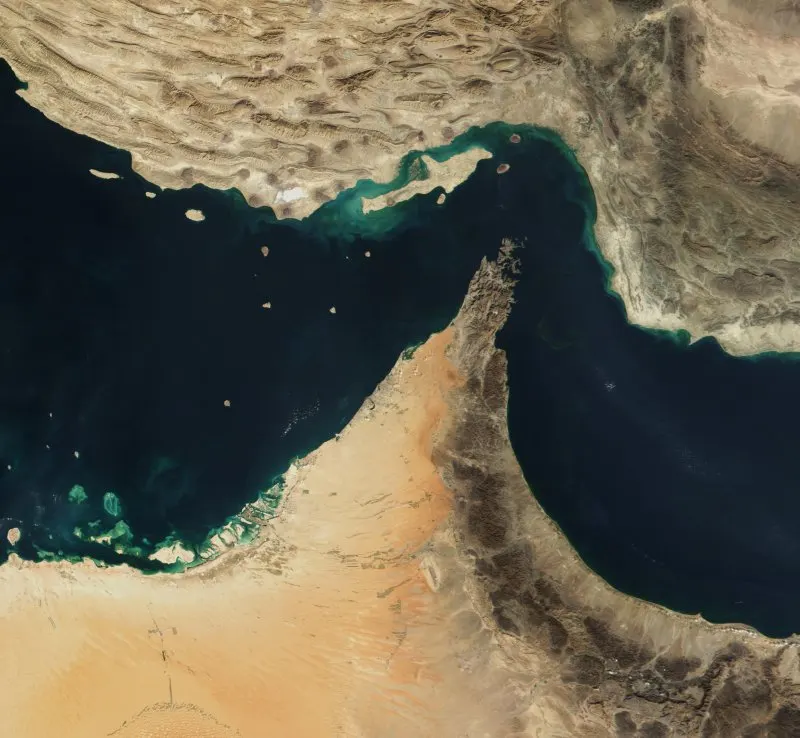
This dossier traces the Islamic Republic of Iran from Ruhollah Khomeini’s return in February 1979: the monarchy’s overthrow, the hostage crisis, the Iran-Iraq War, Ali Khamenei’s succession, sanctions, domestic protests and nuclear negotiations. It also follows regional confrontation through Tehran’s allies, rapprochement with Saudi Arabia and the transition to direct Iran-Israel attacks in 2024. The twelve-day war of June 2025 is distinguished from the conflict opened on 28 February 2026 by US and Israeli strikes. The chronology examines Ali Khamenei’s killing and Mojtaba Khamenei’s succession, civilian victims, regional fronts, energy infrastructure, Hormuz, blockades and attempts at agreement. The Qatari consultations that originally defined this dossier remain integrated into the expanded history. Sourced entries distinguish established facts, announcements, attributed responsibility and unverified outcomes. The reconstruction selects principal milestones rather than recording every military operation. No final, consistent human toll across all theatres is established here. Dates without a known time are ordered by calendar day.
View file →
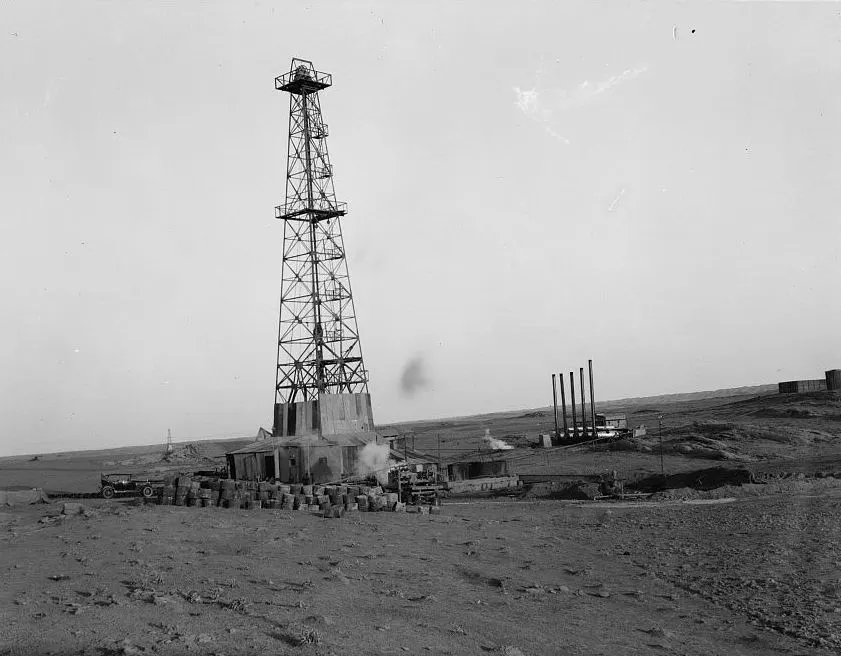
This dossier follows reported attacks on Aramco facilities in Saudi Arabia during the conflict with Yemen’s Houthis. It covers official statements, claims of responsibility and documented damage, distinguishing them from unverified effects on oil operations.
View file →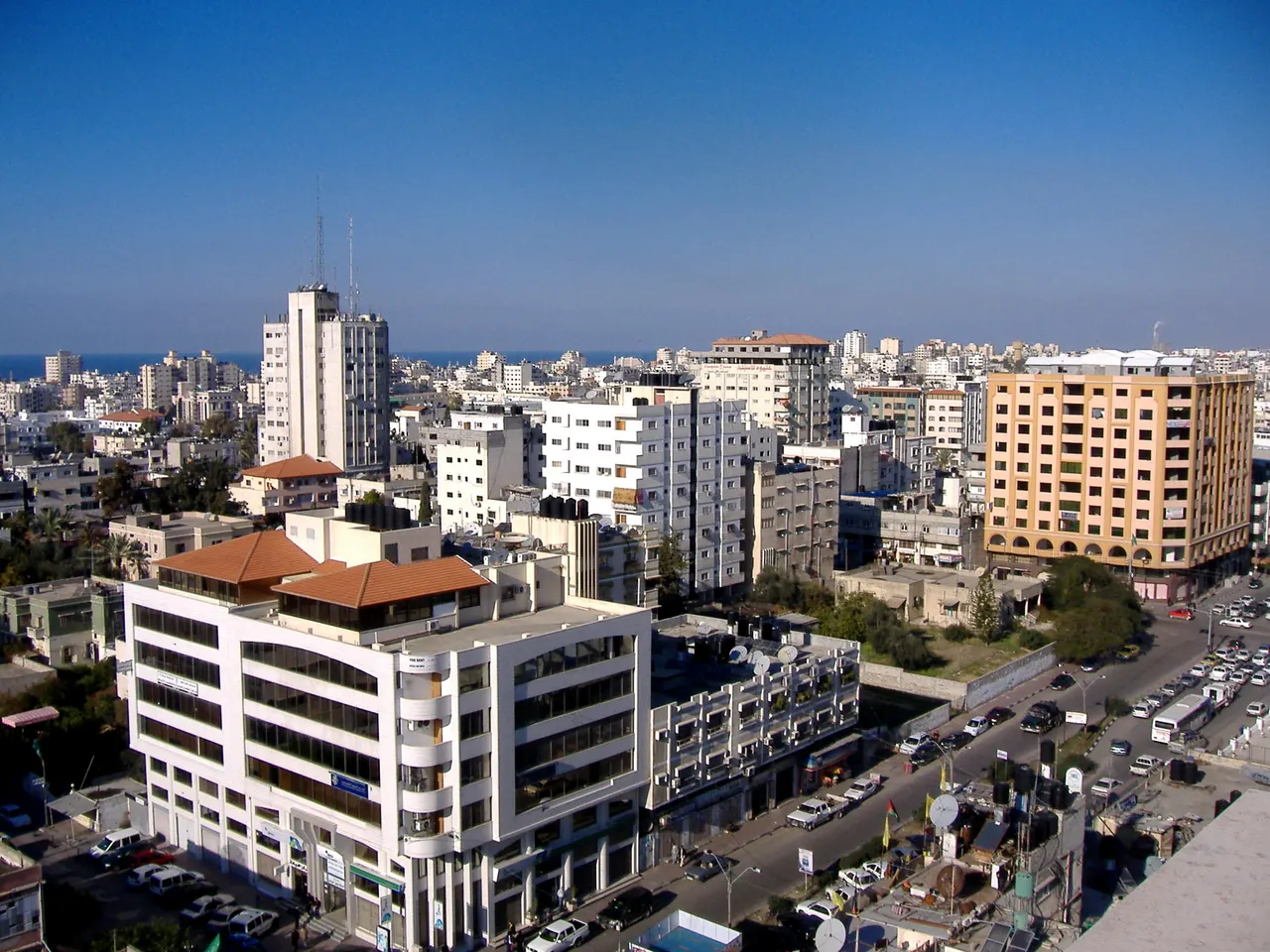
This dossier traces the modern origins and major stages of the Israeli–Palestinian conflict from the late nineteenth century to today: national movements, the British Mandate, Israel’s creation and the Nakba, wars, occupation and settlements, Palestinian mobilization, peace efforts, political divisions, humanitarian crises and international proceedings. Each published occurrence includes its sources and distinguishes established facts, attributed statements and judicial findings. The timeline needs further detail on local settlement developments, some regional episodes and negotiations; it does not claim to catalogue every incident.
View file →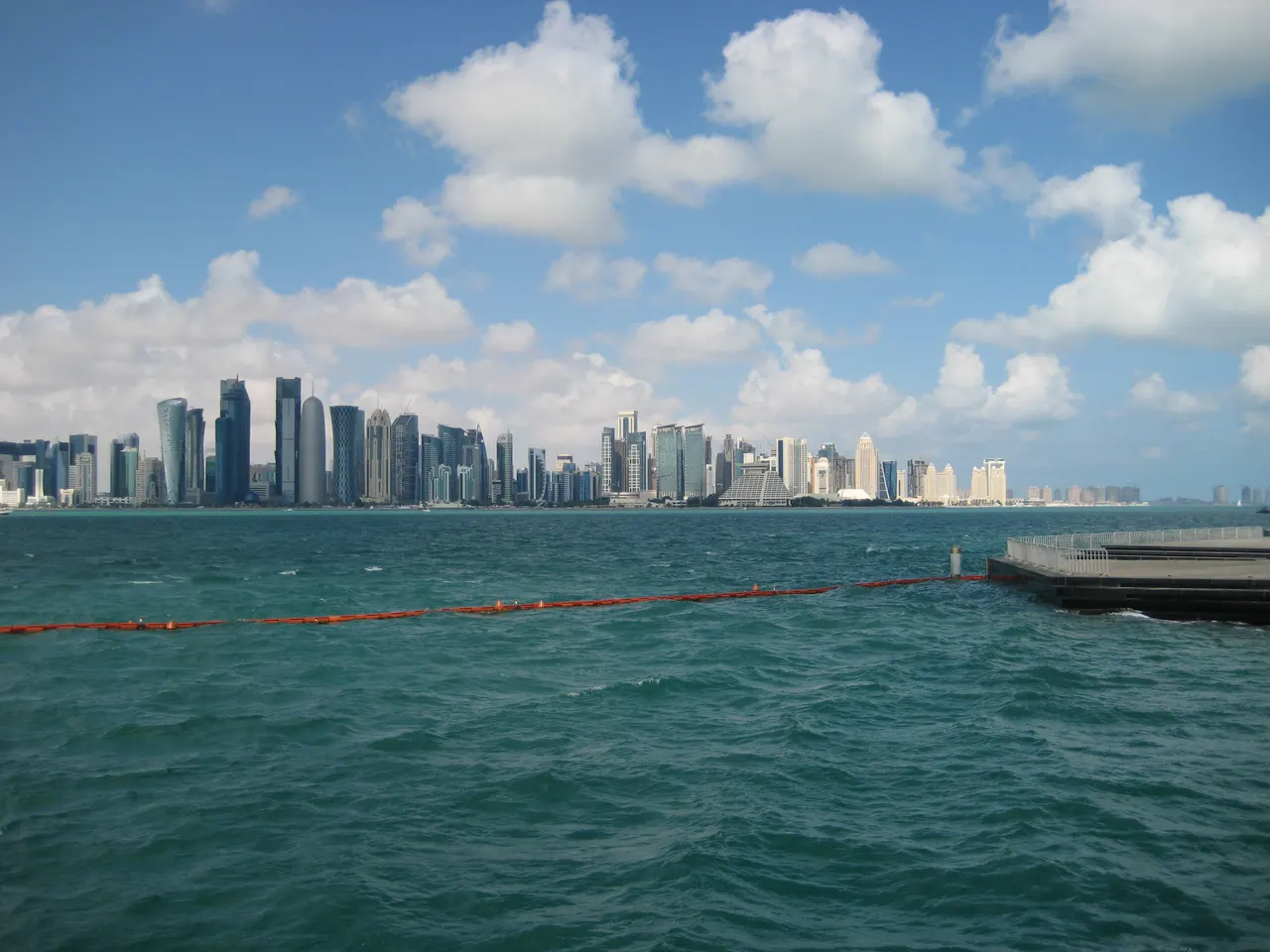
This dossier follows Qatar’s GDP estimates and revisions, distinguishing flash data from regular quarterly estimates and annual changes from sequential movements.
View file →
This dossier follows Gulf and Egyptian stock-market sessions, indices and documented sector movements. It separates observed price changes from attributed interpretations of their drivers.
View file →