South African producer inflation reaches 8.1%
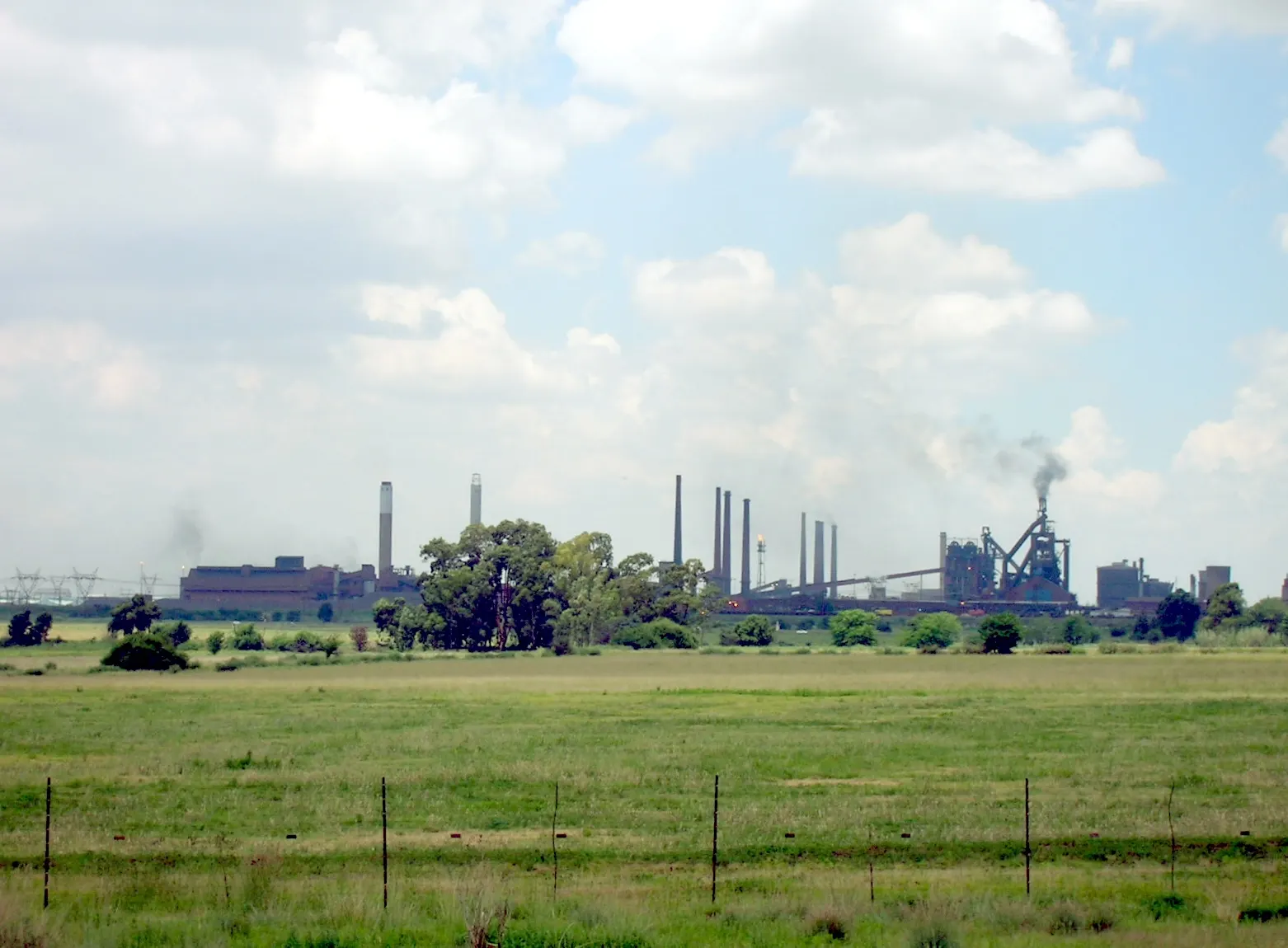
South Africa’s producer prices for final manufactured goods rose 8.1% year on year in October, up from 6.2% in September, according to data released by Stats SA on 26 November.
Africa · Economy
Latest economy news concerning Africa.
Newest to oldest
South Africa’s producer prices for final manufactured goods rose 8.1% year on year in October, up from 6.2% in September, according to data released by Stats SA on 26 November.
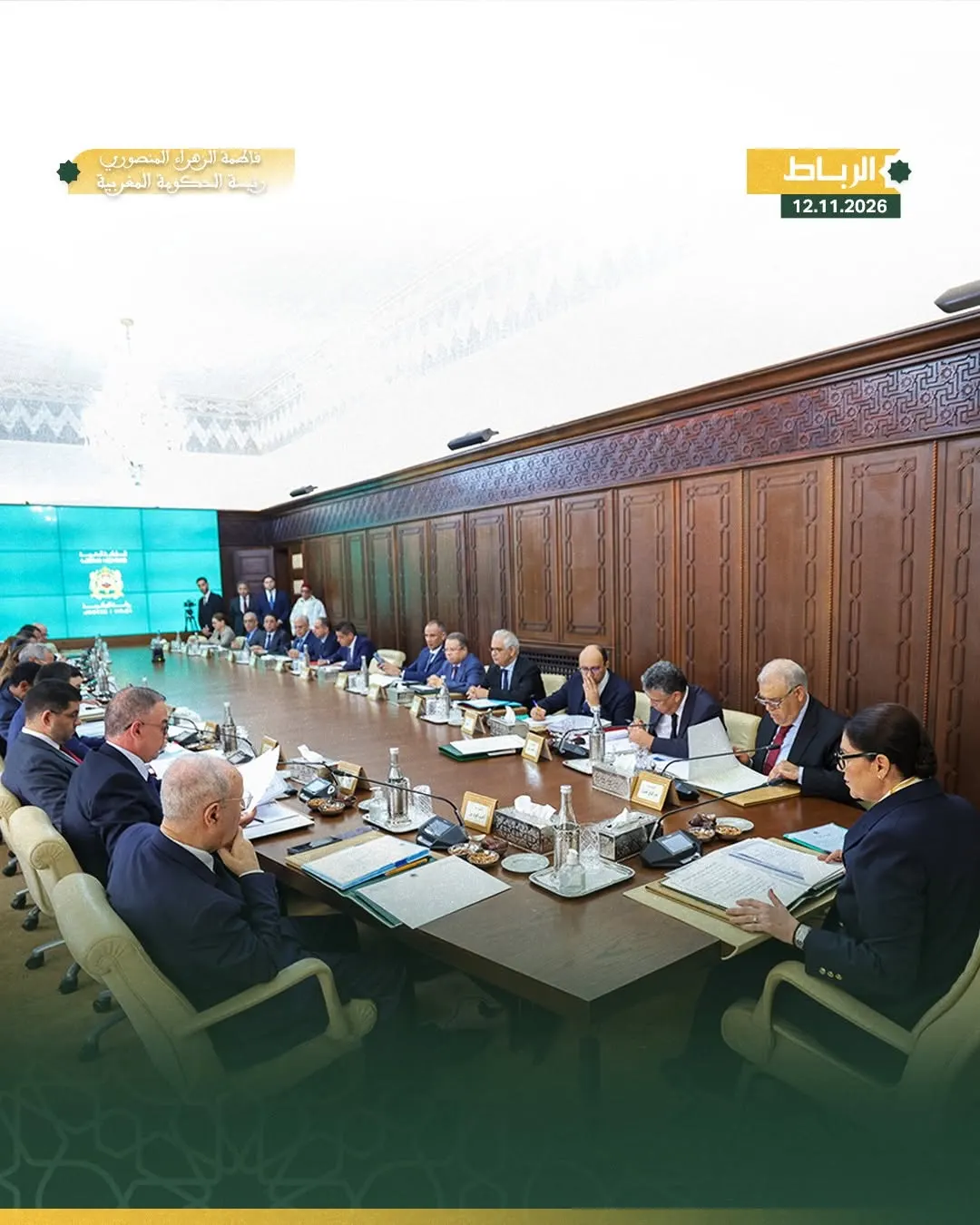
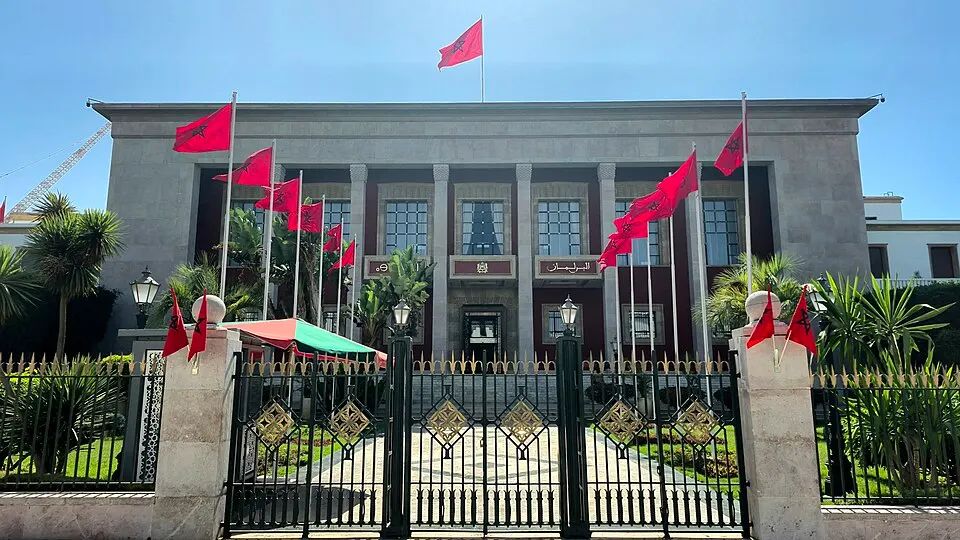
On 26 November, Morocco’s government council approved three draft decrees delegating Treasury financing powers to the finance minister for 2027.
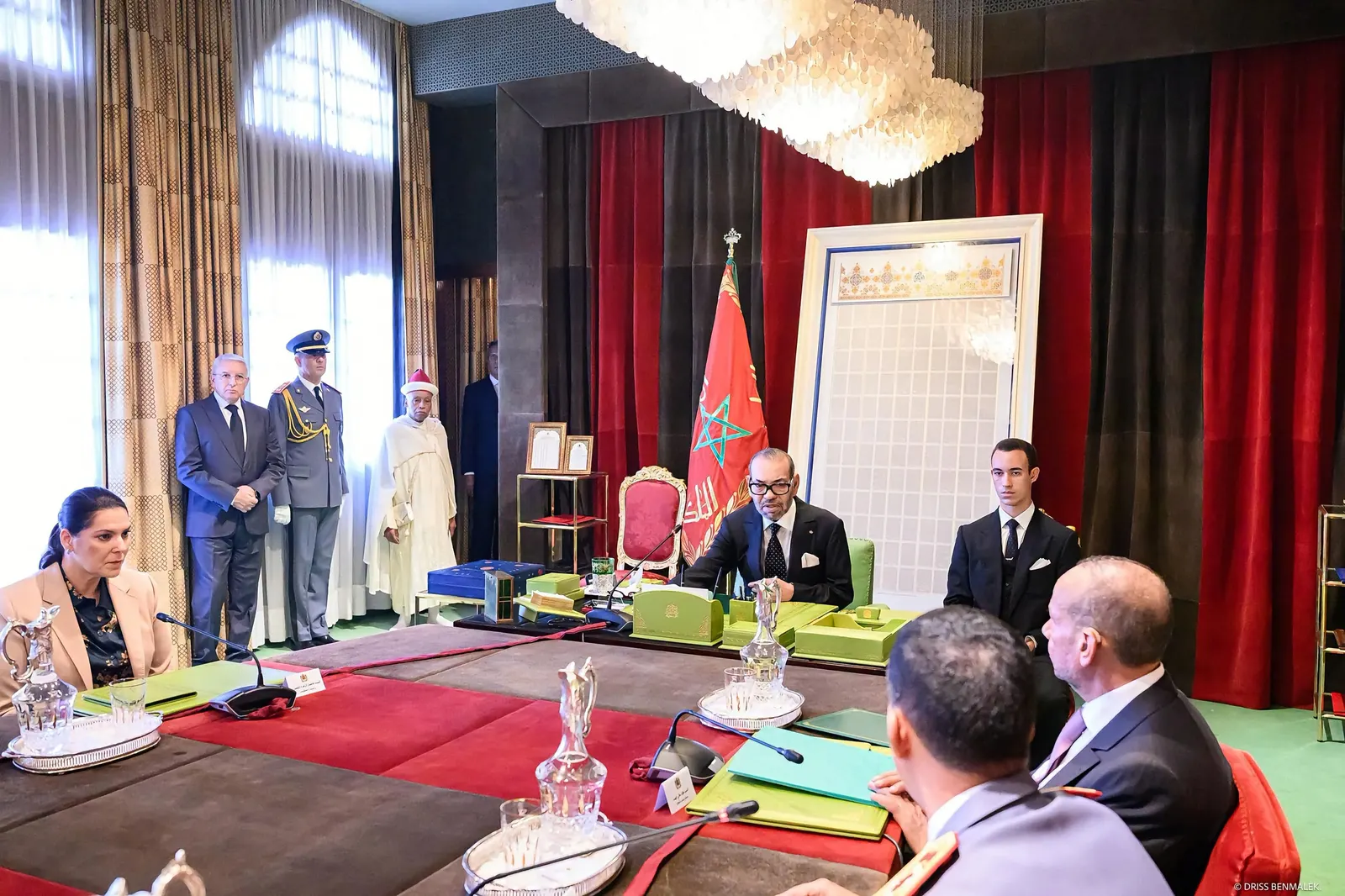
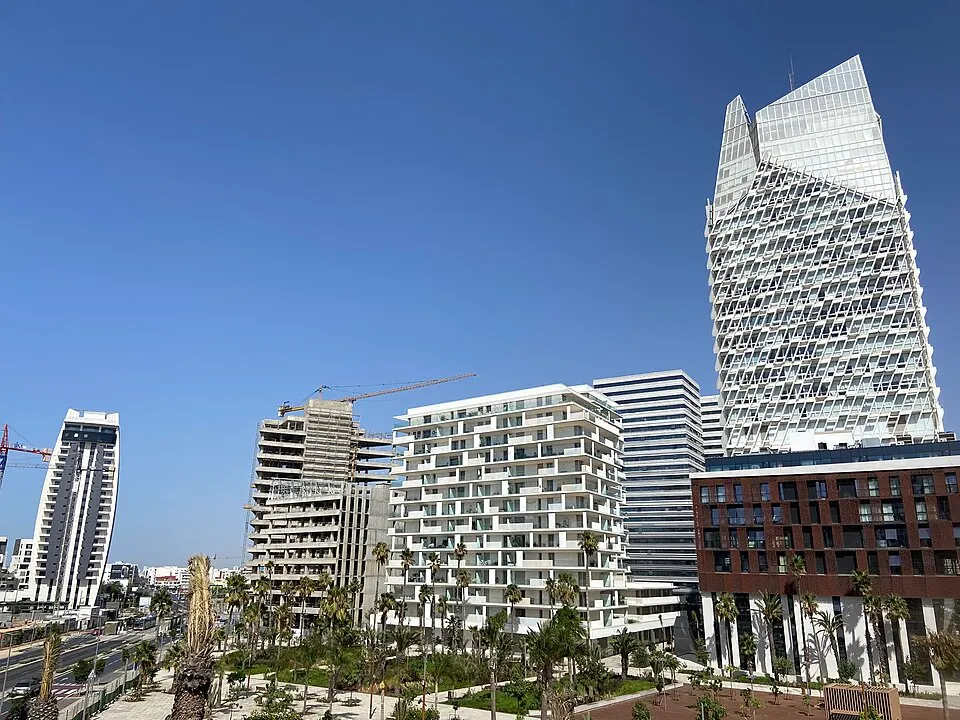
Two framework agreements to fund and deploy Morocco’s defence and security industry were signed in Rabat on 25 November at a ceremony chaired by King Mohammed VI.
Nigerian Treasury bill stop rates rose across all three maturities at the November 25 auction, reaching 16.60% for the 364-day bill.
Moroccan Head of Government Fatima Ezzahra El Mansouri began meetings with trade unions on 24 November ahead of the next round of social dialogue.
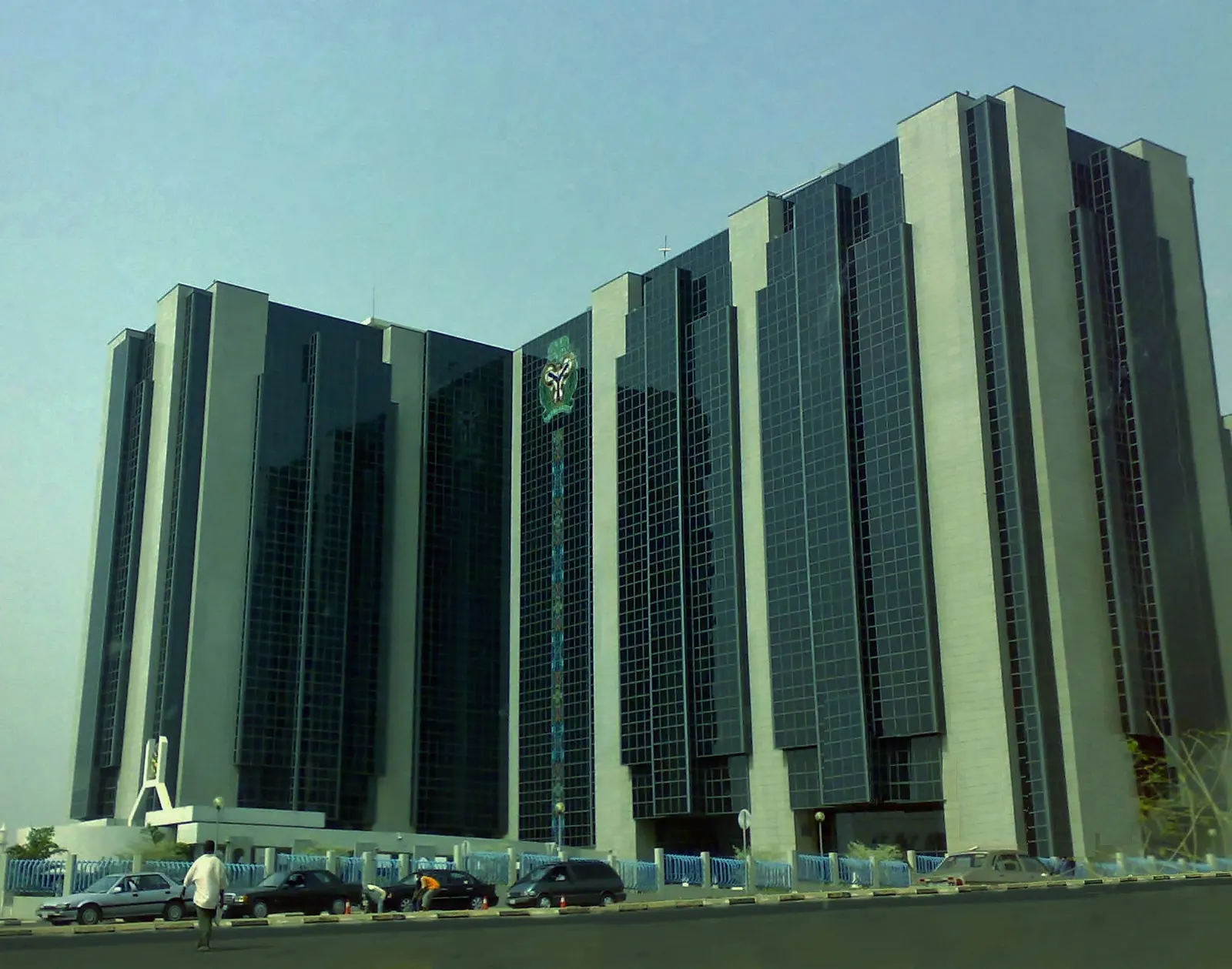
Nigeria’s central bank kept its benchmark interest rate at 23% on 24 November following a monetary policy committee meeting.
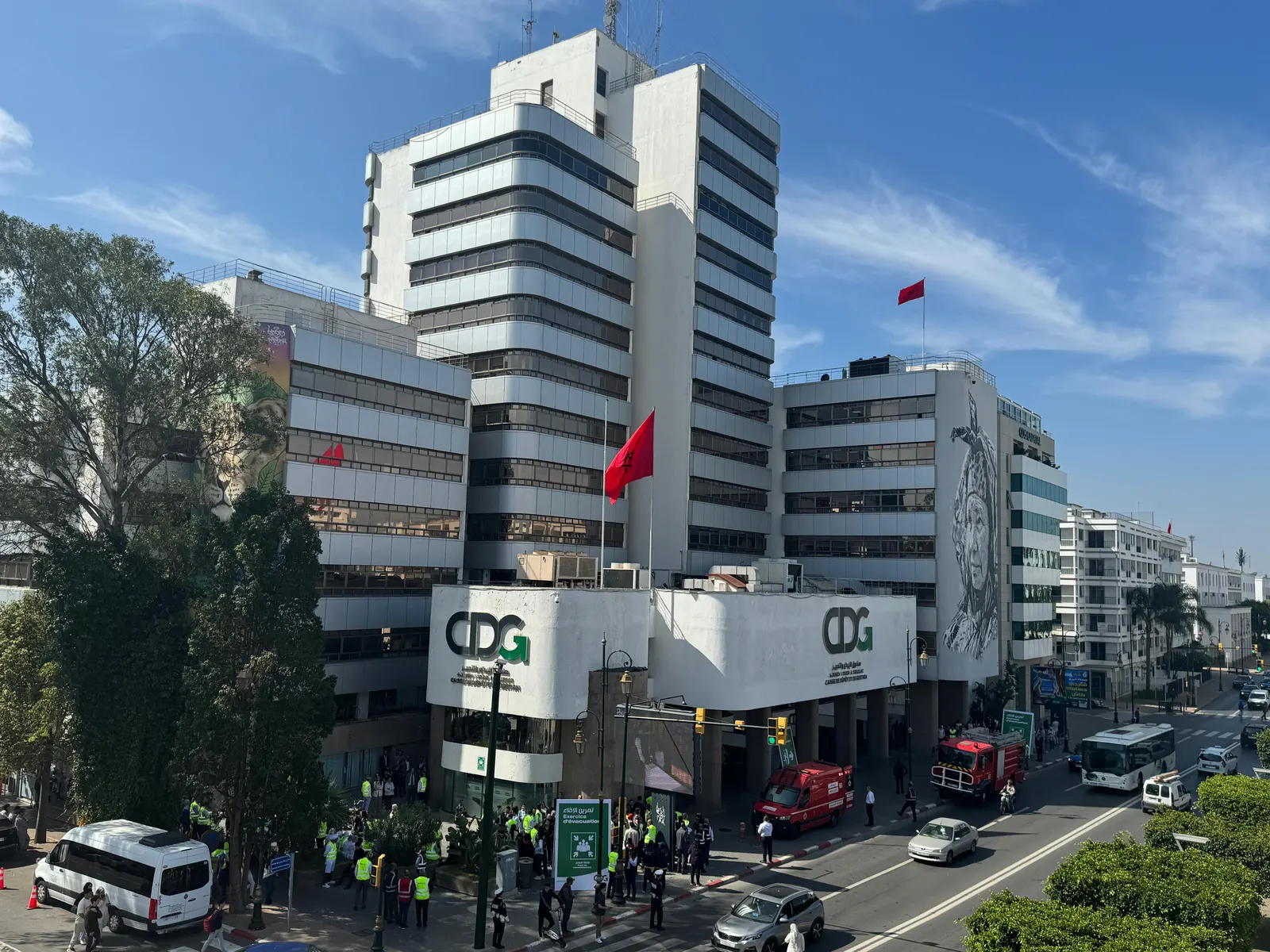
On 24 November, Morocco’s Caisse de dépôt et de gestion brought officials and experts together in Rabat to discuss mobilising national savings to finance investment.
Minister Fouzi Lekjaa told lawmakers on November 23 that the index used to determine eligibility for direct social assistance would be gradually revised to better account for households’ actual incomes.
The US Treasury announced sanctions on November 23 targeting more than two dozen exchange houses, front companies and individuals associated with Iranian financial networks.
The Houthis said on November 22 that they had targeted Saudi Arabia’s Rabigh refinery and scored a direct hit, a claim that could not be independently verified.
Prime Minister Fatima Ezzahra El Mansouri has invited major trade unions to a preparatory meeting ahead of the next round of social dialogue, according to reports published on November 20.
On 19 November in Casablanca, Tamwilcom launched Tamwil Moumtaz, a co-financing offer for women business leaders, Moroccan investors living abroad and companies pursuing green projects.
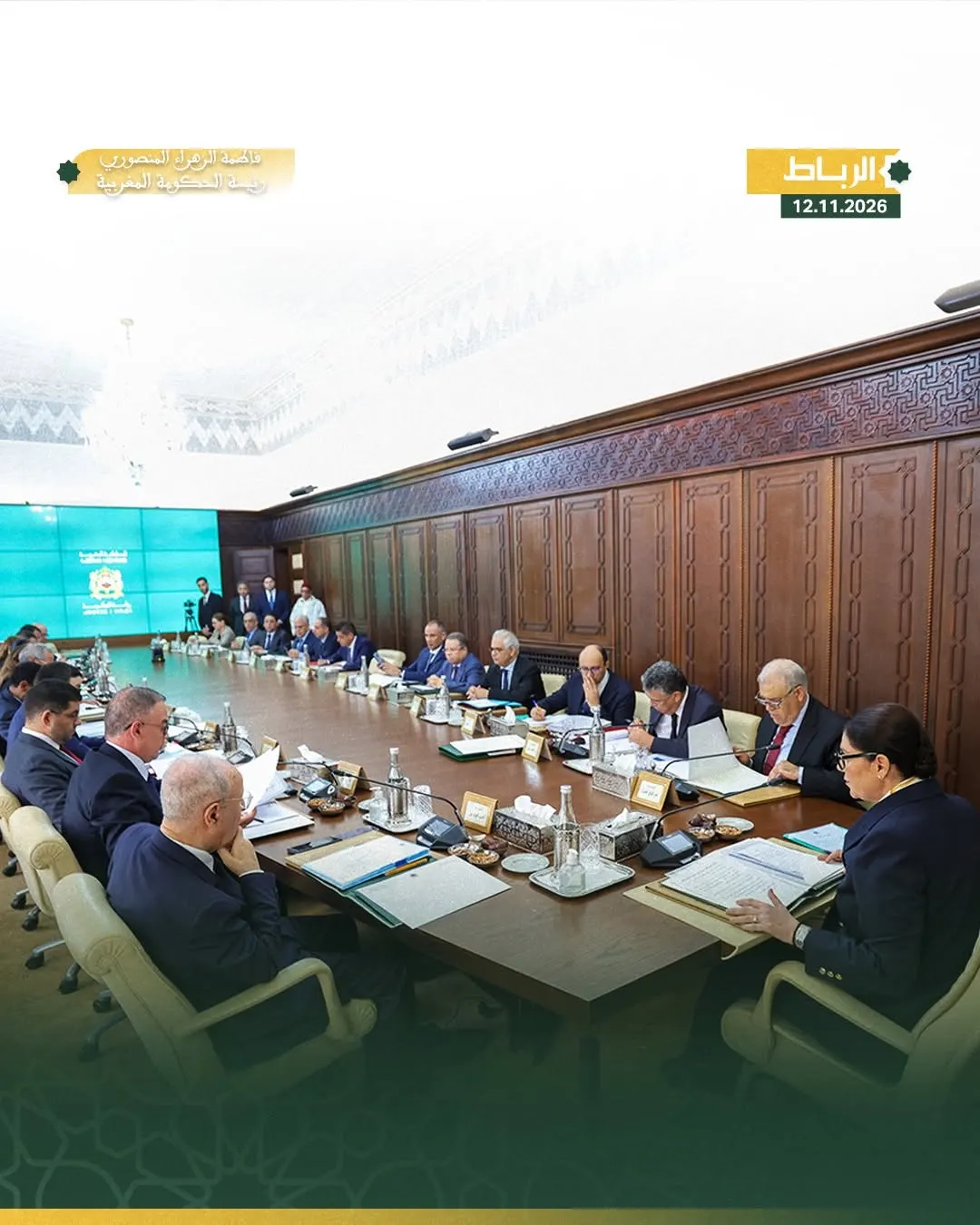
This dossier follows borrowing authorisations and debt management instruments for Morocco’s Treasury. It distinguishes delegated powers, their entry into force and transactions actually carried out.
View file →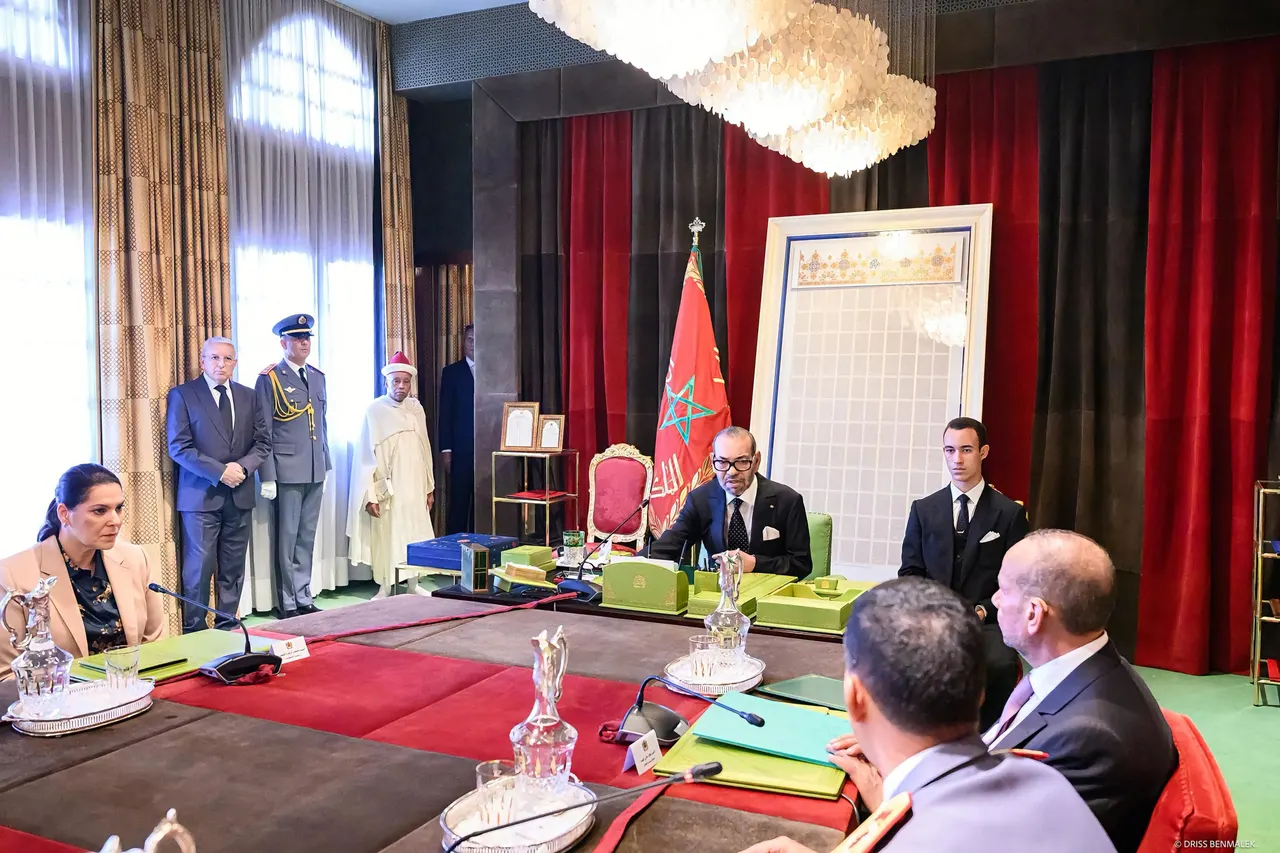
This dossier follows Morocco's strategy for developing its defence and security industries.
View file →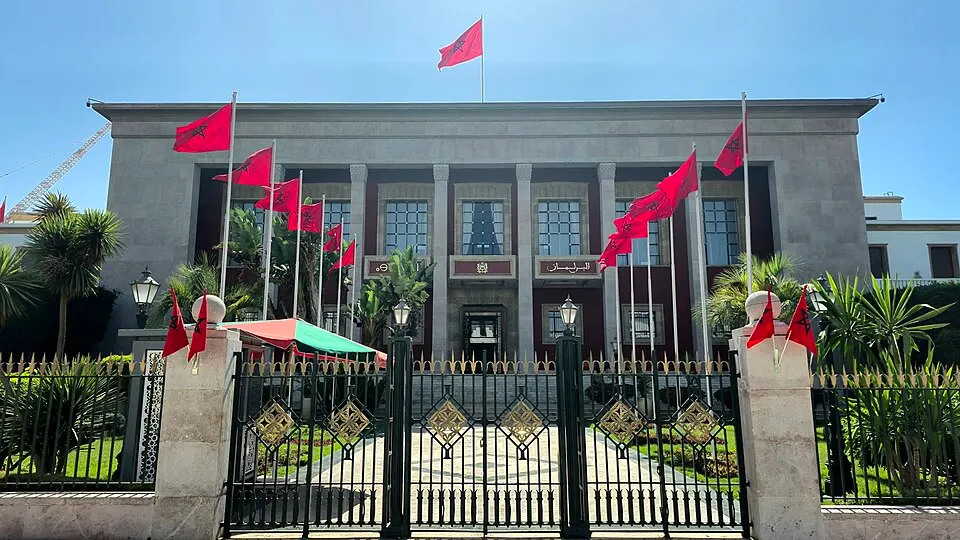
This dossier follows consultations between the Moroccan government and representative trade unions and their documented outcomes.
View file →This dossier follows the planning, funding and implementation of the Moroccan government’s 2026–2031 commitments, distinguishing targets from outcomes.
View file →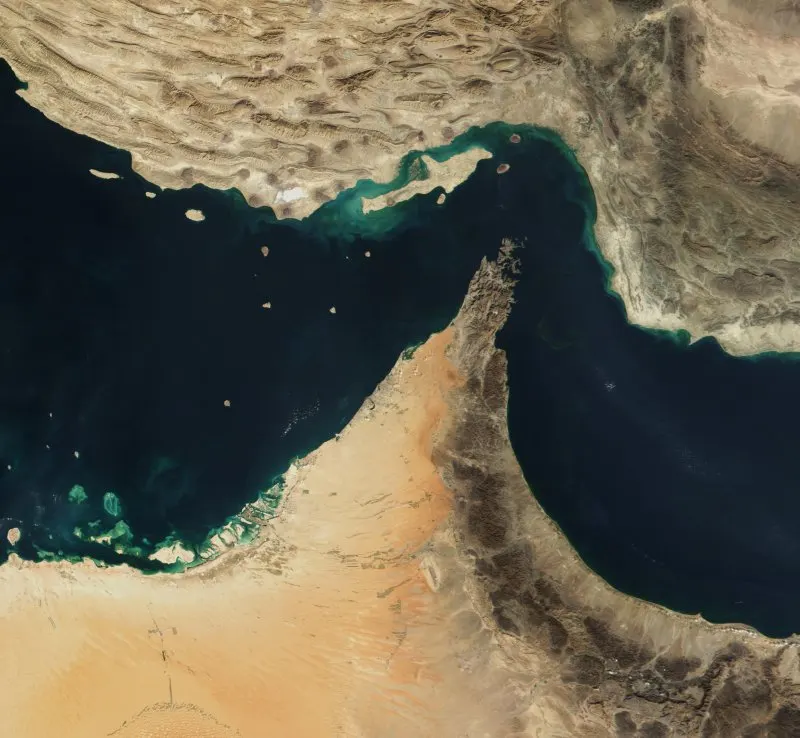
This dossier traces the Islamic Republic of Iran from Ruhollah Khomeini’s return in February 1979: the monarchy’s overthrow, the hostage crisis, the Iran-Iraq War, Ali Khamenei’s succession, sanctions, domestic protests and nuclear negotiations. It also follows regional confrontation through Tehran’s allies, rapprochement with Saudi Arabia and the transition to direct Iran-Israel attacks in 2024. The twelve-day war of June 2025 is distinguished from the conflict opened on 28 February 2026 by US and Israeli strikes. The chronology examines Ali Khamenei’s killing and Mojtaba Khamenei’s succession, civilian victims, regional fronts, energy infrastructure, Hormuz, blockades and attempts at agreement. The Qatari consultations that originally defined this dossier remain integrated into the expanded history. Sourced entries distinguish established facts, announcements, attributed responsibility and unverified outcomes. The reconstruction selects principal milestones rather than recording every military operation. No final, consistent human toll across all theatres is established here. Dates without a known time are ordered by calendar day.
View file →
This dossier follows reported attacks on Aramco facilities in Saudi Arabia during the conflict with Yemen’s Houthis. It covers official statements, claims of responsibility and documented damage, distinguishing them from unverified effects on oil operations.
View file →