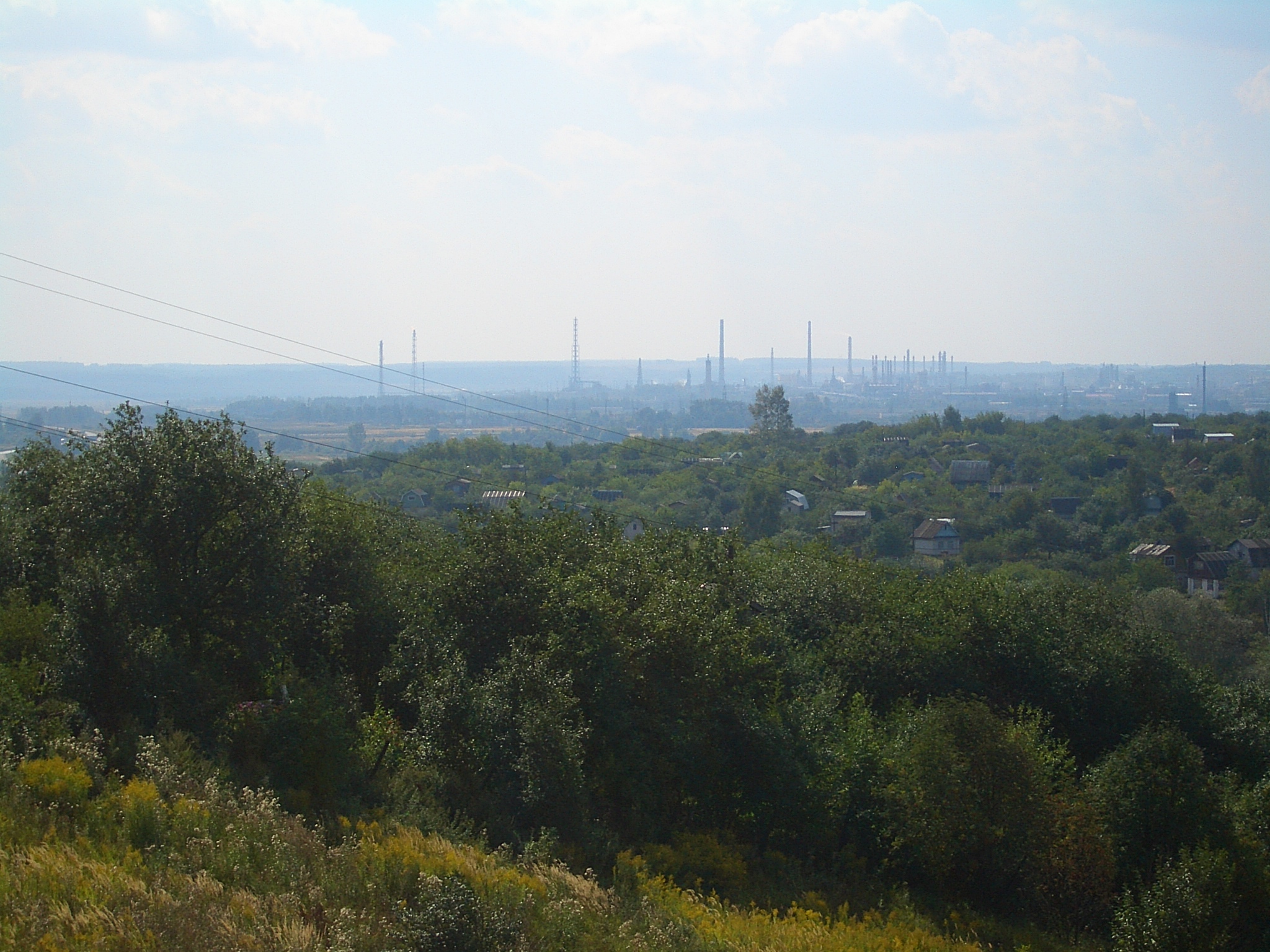
An industrial site in Russia's Kstovo district sustained significant damage in a drone attack overnight into 1 November 2026, according to Nizhny Novgorod governor Gleb Nikitin. Ukrainian sources identify a Lukoil refinery, but that identification has not been independently confirmed.
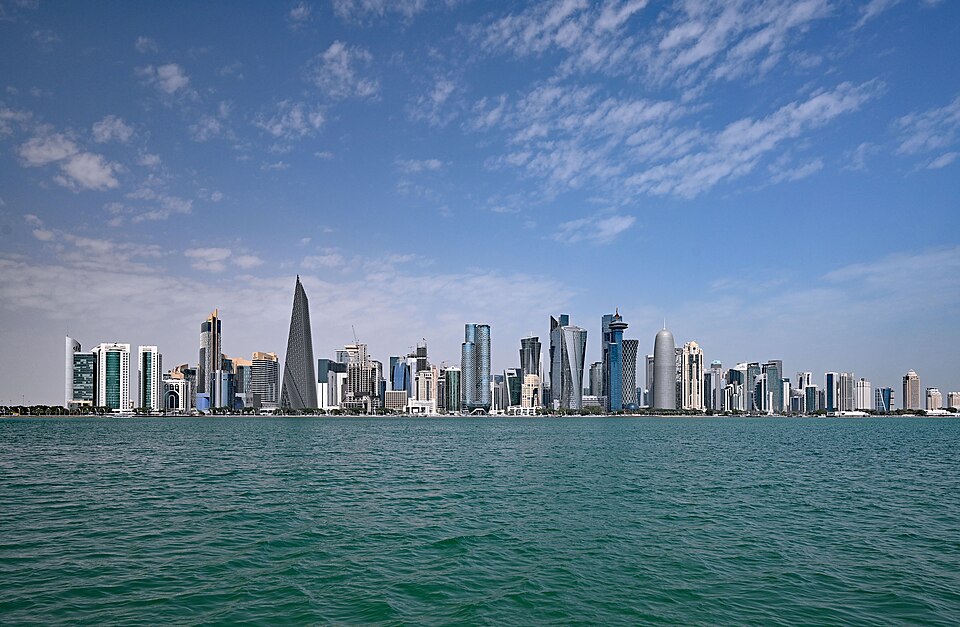
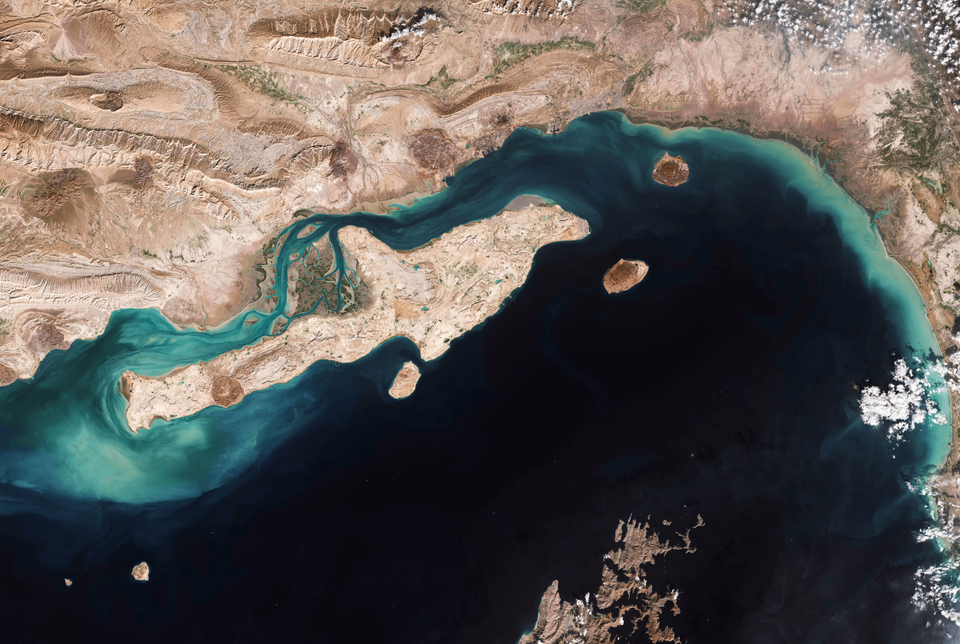
Iranian negotiators continued consultations with Qatari mediators in Doha on 1 November 2026. Abbas Araghchi described a proposal to reopen the Strait of Hormuz within two days of a possible agreement, while stressing that no final conclusion had been reached.
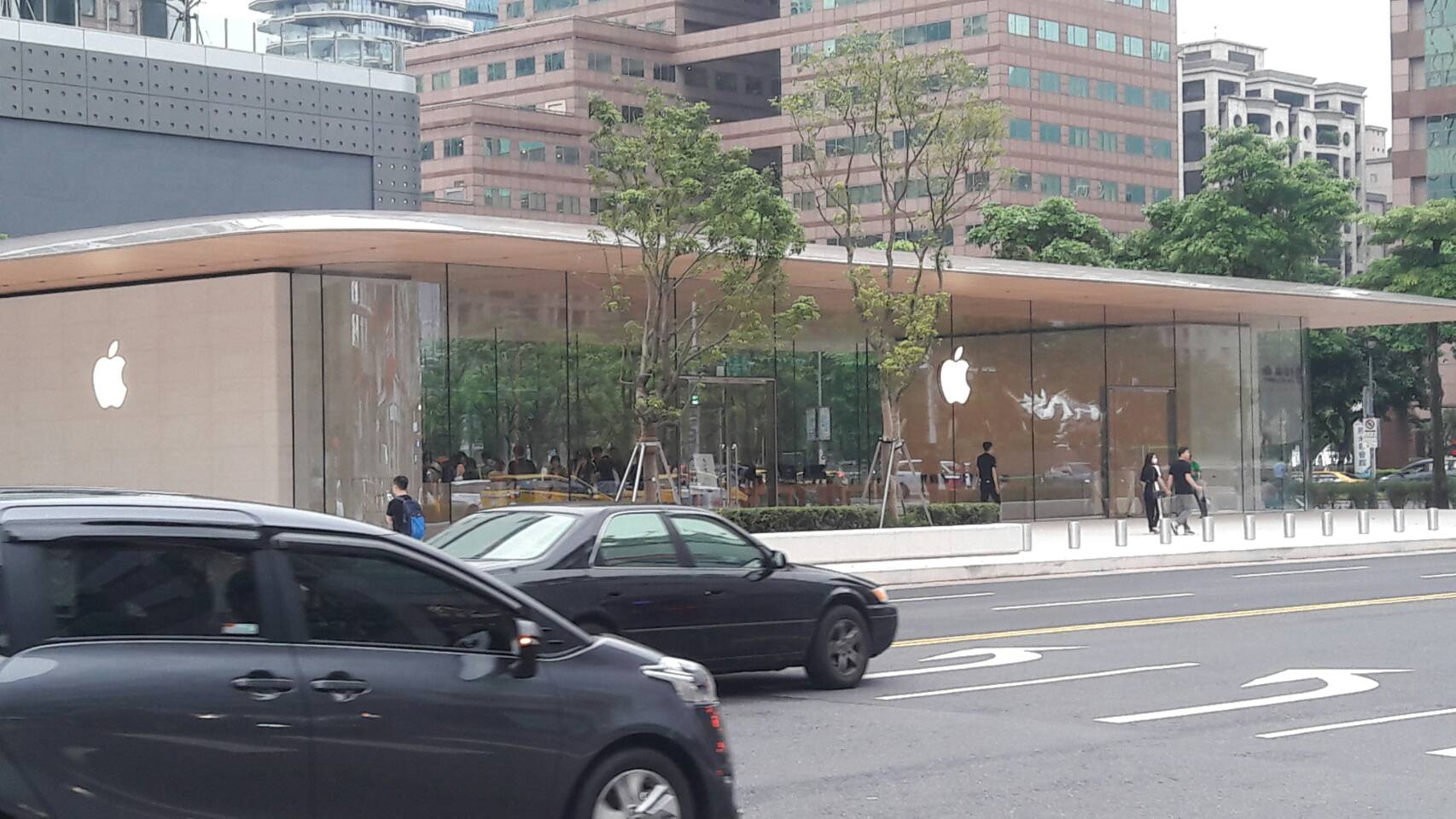
Apple set 31 October 2026 as the start date for reducing its standard commission on paid apps and in-app purchases in Taiwan's iOS and iPadOS App Store from 30% to 26%. The change follows discussions with Taiwan's Fair Trade Commission.
The United States, Japan, India and Australia announced in Atlanta on 31 October 2026 their intention to provide over $85 million in technical and financial assistance to expand access to what they describe as trusted AI in the Indo-Pacific.
OpenAI is now seeking $20 billion, down from an initial $30 billion, at a $1.25 trillion valuation, the Financial Times reported, according to Reuters on 30 October 2026.
NIQ and Google announced a partnership on 30 October 2026 combining NIQ product and store data with Google’s commerce tools. Their stated aim is to improve AI agent recommendations and information on local availability.
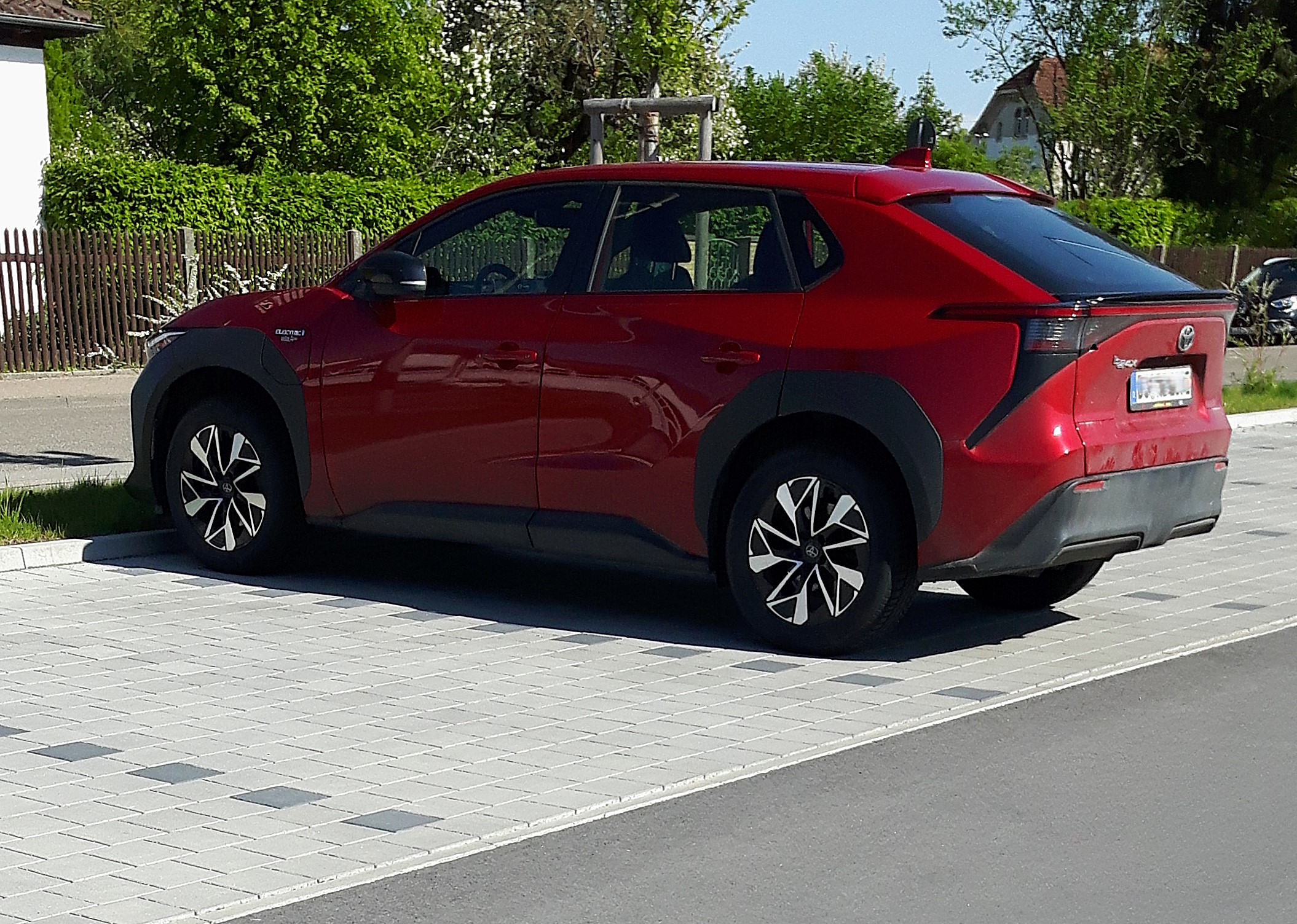
Toyota and Waymo announced a new phase of their collaboration on 30 October 2026: a fleet of Toyota bZ4X vehicles equipped for autonomous driving is scheduled to begin initial operations in Japan in 2027.
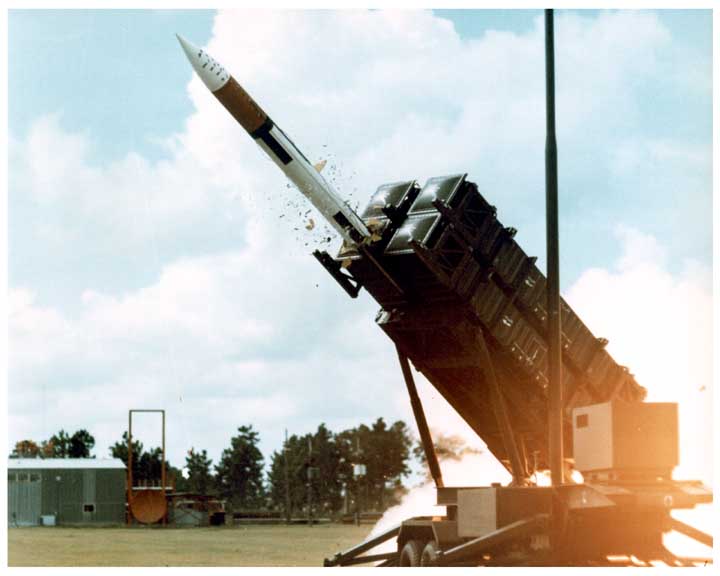
The United States approved a possible sale of 500 Patriot PAC-3 MSE interceptors to Ukraine on 30 October 2026, estimated at $2.1 billion. The authorisation does not mean the missiles have been delivered.
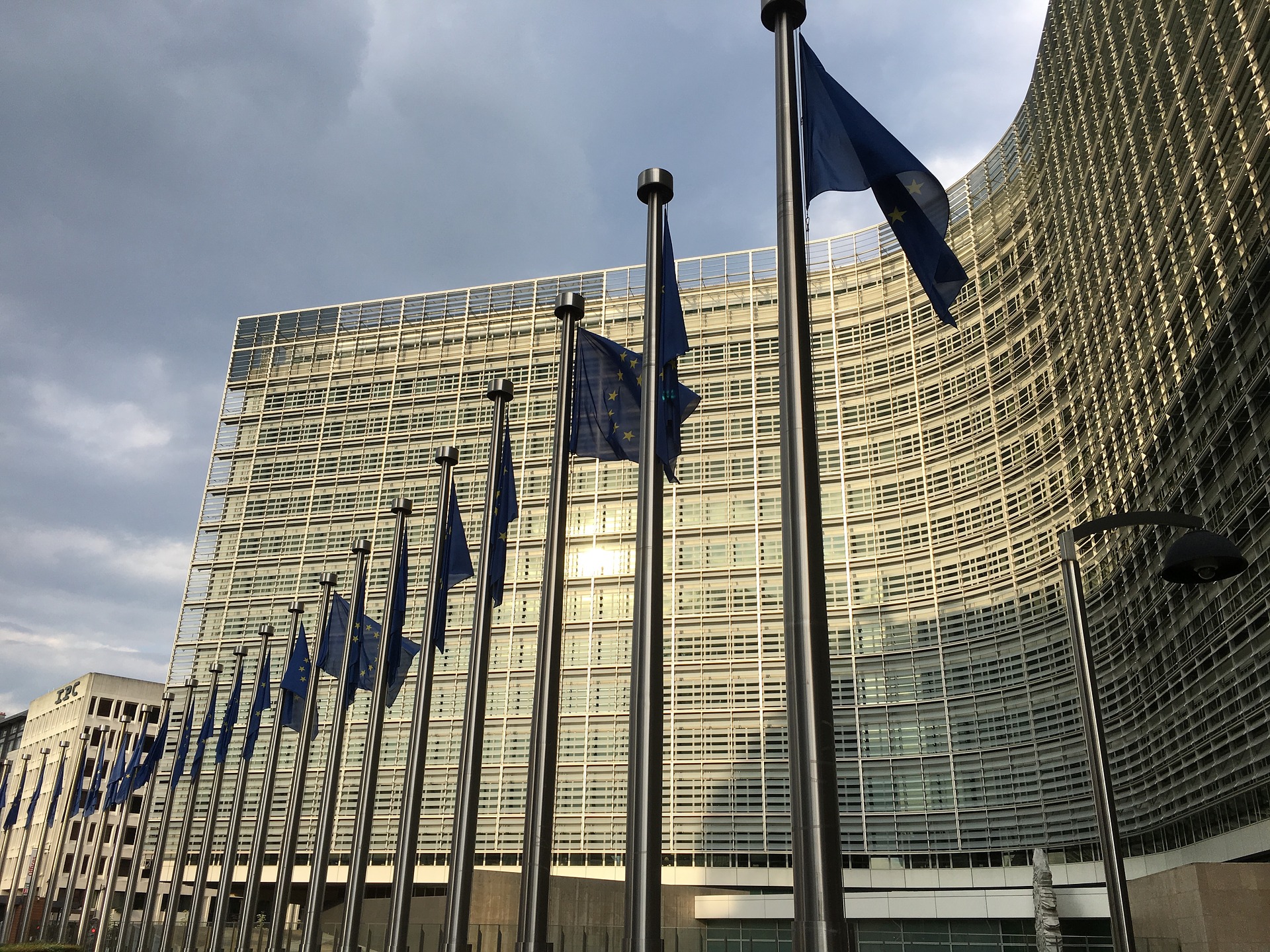
The European Union and Canada launched an Alliance for the Future on 30 October 2026 at the close of their Montreal summit. Their joint statement calls for a closer association, short of full EU membership, to be defined by the 2027 summit.
The European Commission proposed on 30 October 2026 the allocation of the remaining €45 billion of the European loan for Ukraine for 2027. The arrangement still requires adoption by the Council of the EU before disbursements.
Oman’s navy evacuated 25 crew members from the Panama-flagged RITI after an attack followed by a fire near Musandam on 30 October 2026, according to Oman’s Maritime Security Centre. AFP and Arabic-language outlets relayed the announcement.
Britain’s competition authority opened an investigation into Meta’s commercial terms on 30 October 2026. It will examine whether they impose unfair conditions on publishers and advertisers allowing website content reuse, including for AI features.
This dossier traces the Russia–Ukraine war from the seizure of Crimea and the start of fighting in the Donbas in 2014, through the full-scale invasion of 24 February 2022 and its military, diplomatic, economic and humanitarian consequences. It distinguishes recognised sovereignty, claimed annexations and actual military control.
Earlier milestones explain relations between the two states since Ukrainian independence in 1991: the 1994 Budapest security assurances, the 1997 friendship treaty, the 2003 Tuzla crisis, gas disputes and the 2010 Kharkiv agreements. The suspension of preparations for the European Union agreement in November 2013 opens the Euromaidan crisis. These antecedents are distinguished from the war that began in 2014; each entry links to its sources.
The timeline follows Ilovaisk, Donetsk airport, Debaltseve, the Minsk agreements, disengagement attempts, fighting and the humanitarian crisis in Avdiivka in 2017, the trade blockade, detainee exchanges and the Kerch maritime crisis. It then documents the war’s expansion, Ukrainian territorial recaptures, Bakhmut, international justice, grain, energy, external assistance and negotiations. Retrospective investigations are identified and claims remain attributed.
This selection of turning points includes canonical occurrences from the archived energy dossier. It expands previously sparse years without providing an exhaustive daily record: local fighting, successive sanctions, all weapons deliveries and population displacement are not detailed. Cumulative military losses and complete territorial control remain coverage limitations.
This dossier traces the Islamic Republic of Iran from Ruhollah Khomeini’s return in February 1979: the monarchy’s overthrow, the hostage crisis, the Iran-Iraq War, Ali Khamenei’s succession, sanctions, domestic protests and nuclear negotiations. It also follows regional confrontation through Tehran’s allies, rapprochement with Saudi Arabia and the transition to direct Iran-Israel attacks in 2024.
The twelve-day war of June 2025 is distinguished from the conflict opened on 28 February 2026 by US and Israeli strikes. The chronology examines Ali Khamenei’s killing and Mojtaba Khamenei’s succession, civilian victims, regional fronts, energy infrastructure, Hormuz, blockades and attempts at agreement. The Qatari consultations that originally defined this dossier remain integrated into the expanded history.
Sourced entries distinguish established facts, announcements, attributed responsibility and unverified outcomes. The reconstruction selects principal milestones rather than recording every military operation. No final, consistent human toll across all theatres is established here. Dates without a known time are ordered by calendar day.
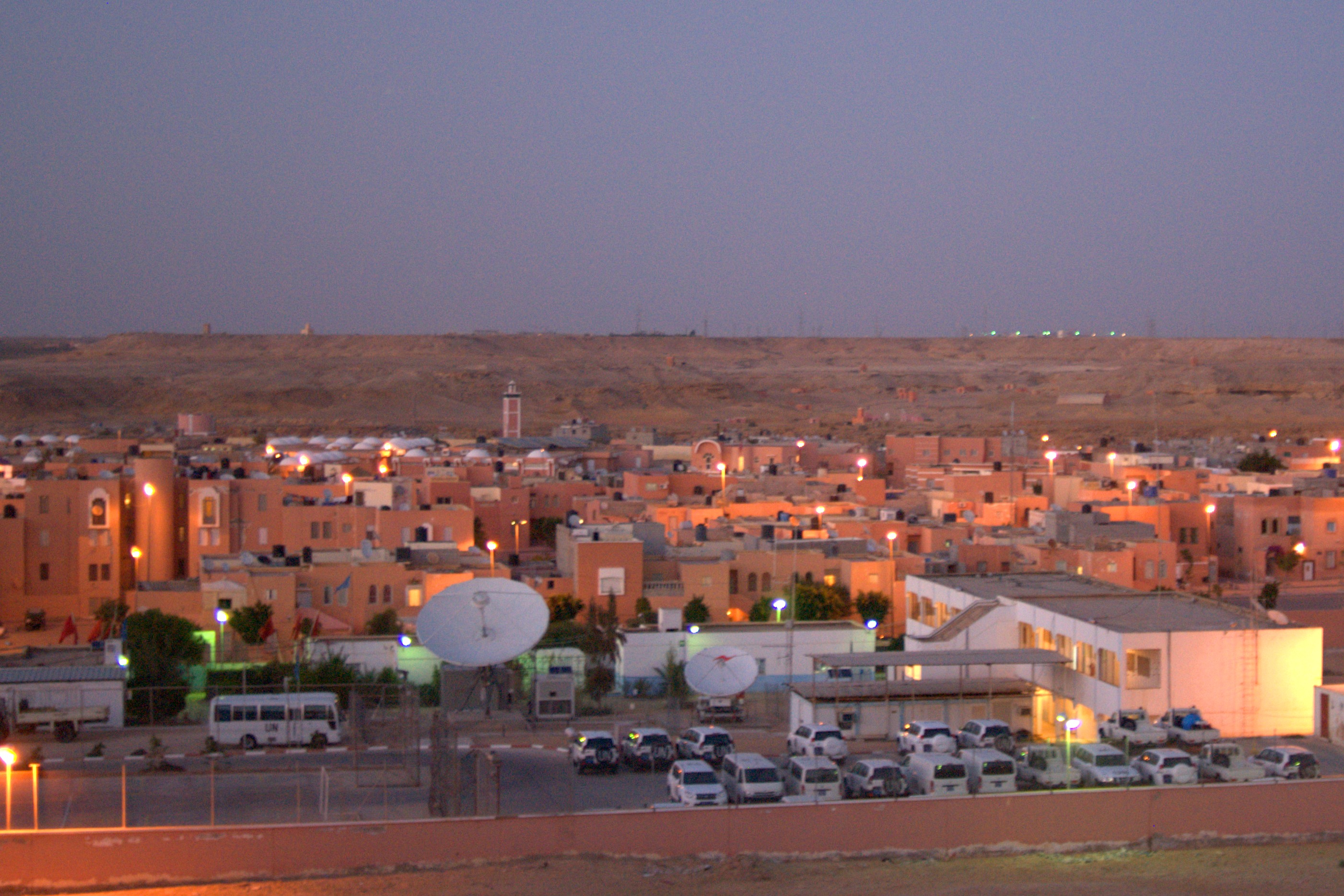
This dossier traces the origins and transformation of the Moroccan Sahara conflict: historical ties and allegiances, Spanish colonial rule from 1884, decolonisation, war, the referendum process, the autonomy proposal and diplomacy through 17 October 2026. It also covers populations, Hassani culture, Tindouf refugees, prisoners and missing persons, human rights, resources and trade agreements.
Morocco claims the territory on grounds of territorial integrity and historical ties; the Polisario Front seeks independence through self-determination, with Algerian support. Mauritania withdrew from the territorial conflict in 1979 but remains involved through neighbourhood interests and negotiations. Morocco administers the principal cities and Atlantic coast; the military berm is not an agreed international border. The dossier distinguishes effective control, sovereignty claims, bilateral recognition and status in international institutions.
In 1975, the ICJ recognised allegiance ties with certain tribes without finding territorial sovereignty that would exclude self-determination. The settlement plan accepted in 1988 and MINURSO established in 1991 did not deliver the planned referendum. The Baker initiatives and Morocco’s 2007 autonomy plan shifted negotiations towards institutions, safeguards and consent. US, Spanish, French and British positions use different wording and should not be counted as identical acts.
Sources accompany each milestone. “Moroccan Sahara” is the editorial designation; UN and court documents generally use “Western Sahara.” Their substantive qualifications are preserved. No map is used. Day-level dates do not imply a known time of day.
This dossier traces Mohammed VI’s public activities since his accession on 23 July 1999: speeches, decisions and audiences, visits within Morocco and abroad, institutional and social reforms, major projects and Royal Office statements. It distinguishes announced directions, decisions and documented delivery.
Full speeches and messages: the Communication Ministry’s six official collections provide access to archives from July 1999 to June 2024: 1999–2001 · 2002–2005 · 2006–2009 · 2010–2014 · 2015–2019 · 2019–June 2024. Maroc.ma’s archive extends access to recent speeches, including 2026. Each selected speech entry links to an official document or identified transcript. Full texts are available at the linked sources; they are not reproduced in full on Moojaz. The 2026 edition of the official collection adds further documents. Landmark readings include the 31 January 2017 Addis Ababa address and the 31 October 2025 address, both linked in French.