Morocco: implementing the 2026–2031 government programme
Published Updated
This dossier follows the planning, funding and implementation of the Moroccan government’s 2026–2031 commitments, distinguishing targets from outcomes.
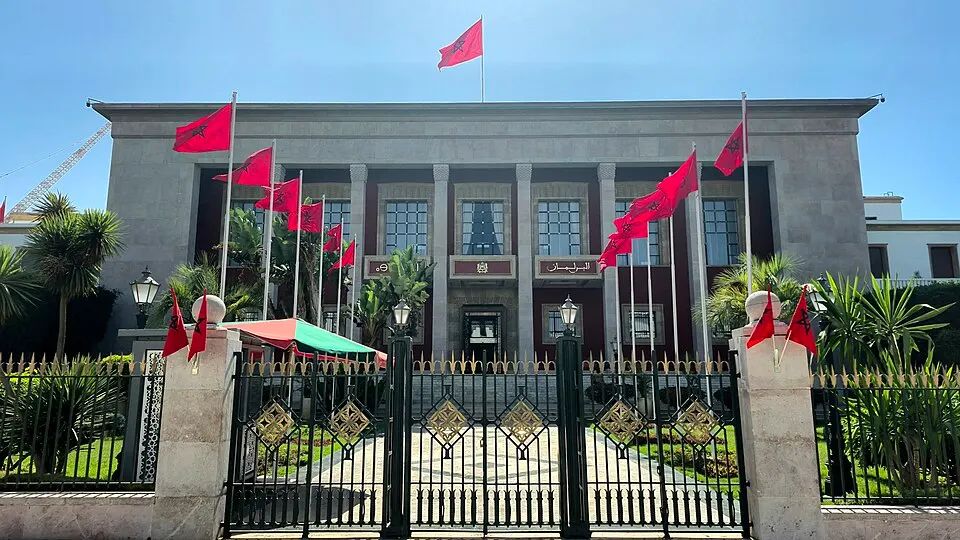
Parliament in Rabat, archive photograph, August 2025. Taha ahh / Wikimedia Commons, CC0. — Taha ahh / Wikimedia Commons — CC0 1.0 https://creativecommons.org/publicdomain/zero/1.0/ — photo du 8 août 2025, redimensionnement uniquement.
Where things stand
As of 16 November 2026, Feitah reaffirms six-monthly publication of ministers’ attendance. The first release remains to be documented. The 600-dirham flat-rate assistance proposal approved on 12 November remains scheduled for January 2027, with a 1,000-dirham target in 2031.
Six parties sign charter to coordinate Morocco’s governing majority
Six parties in Morocco’s governing majority signed a political and ethical charter in Rabat on 24 November for the 2026–2031 parliamentary term.
Parliament in Rabat, archive photograph, August 2025. Taha ahh / Wikimedia Commons, CC0. — Taha ahh / Wikimedia Commons — CC0 1.0 https://creativecommons.org/publicdomain/zero/1.0/ — photo du 8 août 2025, redimensionnement uniquement.
The text establishes coordination between the government and parliament. It provides for a majority leadership body to meet every two months to monitor the government programme and coordinate parliamentary initiatives.
Four parties serve in government: PAM, Istiqlal, USFP and PPS. The Constitutional Union and the Democratic and Social Movement support the majority. The charter sets a framework for cooperation; its commitments remain to be implemented.
Social assistance: Lekjaa announces gradual review of targeting
Minister Fouzi Lekjaa told lawmakers on November 23 that the index used to determine eligibility for direct social assistance would be gradually revised to better account for households’ actual incomes.
Parliament in Rabat, August 2025 file photo. Taha ahh / Wikimedia Commons, CC0. — Taha ahh / Wikimedia Commons — CC0 1.0 https://creativecommons.org/publicdomain/zero/1.0/ — photo du 8 août 2025, redimensionnement uniquement.
According to the minister, some expenditure criteria can exclude families without reflecting their financial circumstances. Meetings on the formula have begun, and the current index will remain in use during the work.
Lekjaa said the scheme covers around 4.07 million households. The new formula and its implementation timetable remain to be specified.
Parliament: government pledges to publish ministers’ attendance every six months
Qoloub Feitah reaffirmed to MPs on 16 November 2026 the commitment to measure ministers’ parliamentary attendance and publish the rates every six months, according to Hespress and Fes News.
Archive, August 2025; not the sitting. Taha ahh / Commons, CC0 1.0. — Taha ahh / Wikimedia Commons — CC0 1.0 https://creativecommons.org/publicdomain/zero/1.0/ — photo du 8 août 2025, redimensionnement uniquement.
Monitoring is to cover plenary sittings and standing committees. The minister also refers to a maximum deadline for answering written questions and quarterly publication of responses.
These are commitments restated in the chamber, not results already published. The reports give neither a first release date for attendance figures nor a detailed calculation method. The system’s effectiveness will need to be assessed against those publications.
Morocco approves draft raising minimum direct social aid to MAD 600 from January 2027
Morocco’s Government Council approved a draft decree on 12 November 2026 raising the minimum flat-rate social benefit from MAD 500 to MAD 600 from 1 January 2027, according to its spokesperson.
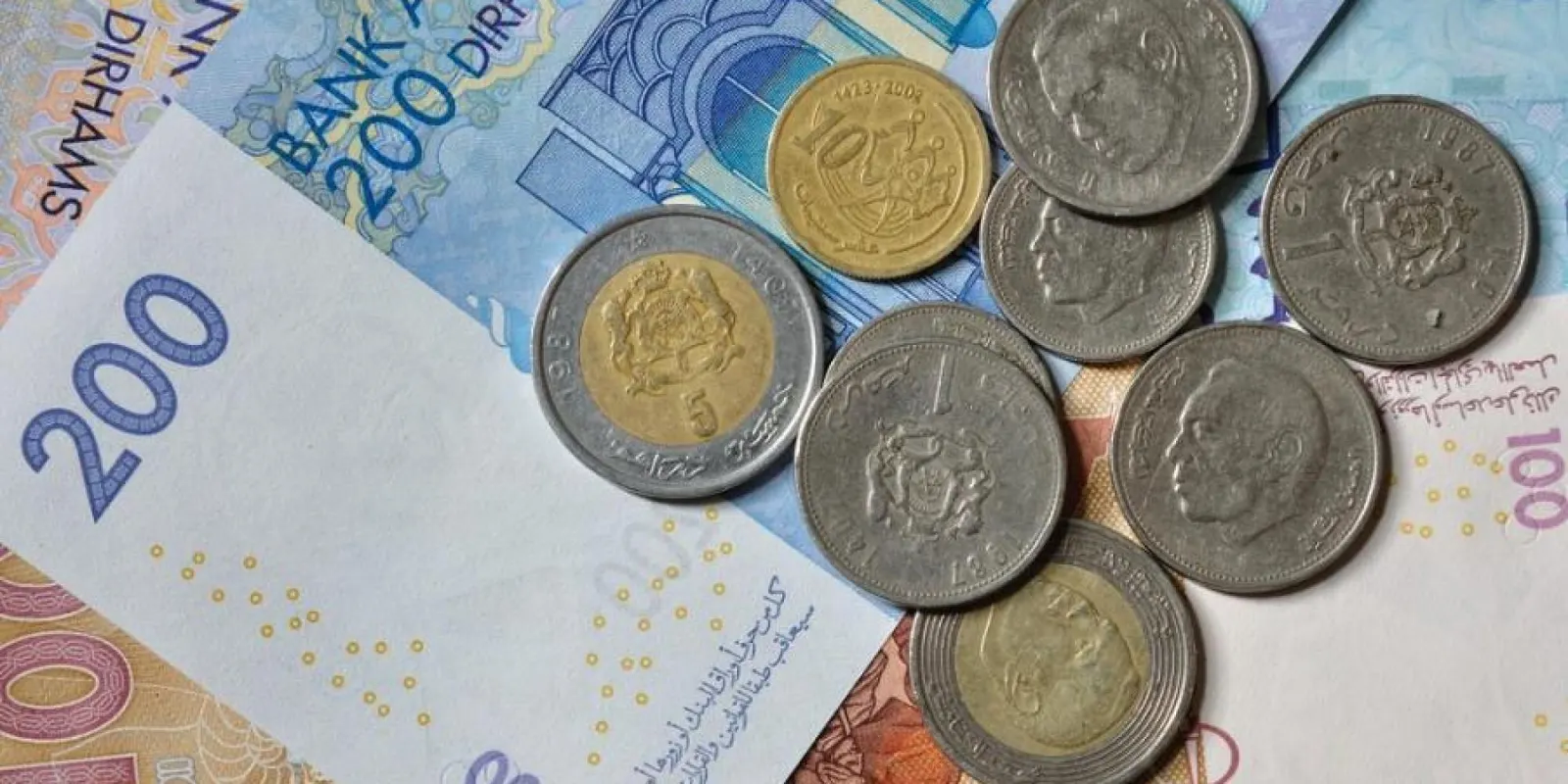
Archive illustration, 2021. Maroc 2022 / Wikimedia Commons, CC BY-SA 4.0 https://creativecommons.org/licenses/by-sa/4.0/ ; unchanged. — Maroc 2022 / Wikimedia Commons — CC BY-SA 4.0 https://creativecommons.org/licenses/by-sa/4.0/ — 21 décembre 2021, sans modification.
The text amends the implementing rules for Law 58.23 on direct social assistance. Samir Belfkih also announced subsequent increases targeting MAD 1,000 by 2031.
Approval of the draft does not mean the higher amount is being paid in November. January 2027 is the announced starting date; the reports do not specify a detailed schedule for the later increases.
El Mansouri asks ministers to set first-100-day priorities
A 9 November 2026 circular described by Le Matin on 10 November asks Moroccan ministers for five to ten measures deliverable within 100 days. Proposals are due on 13 November.
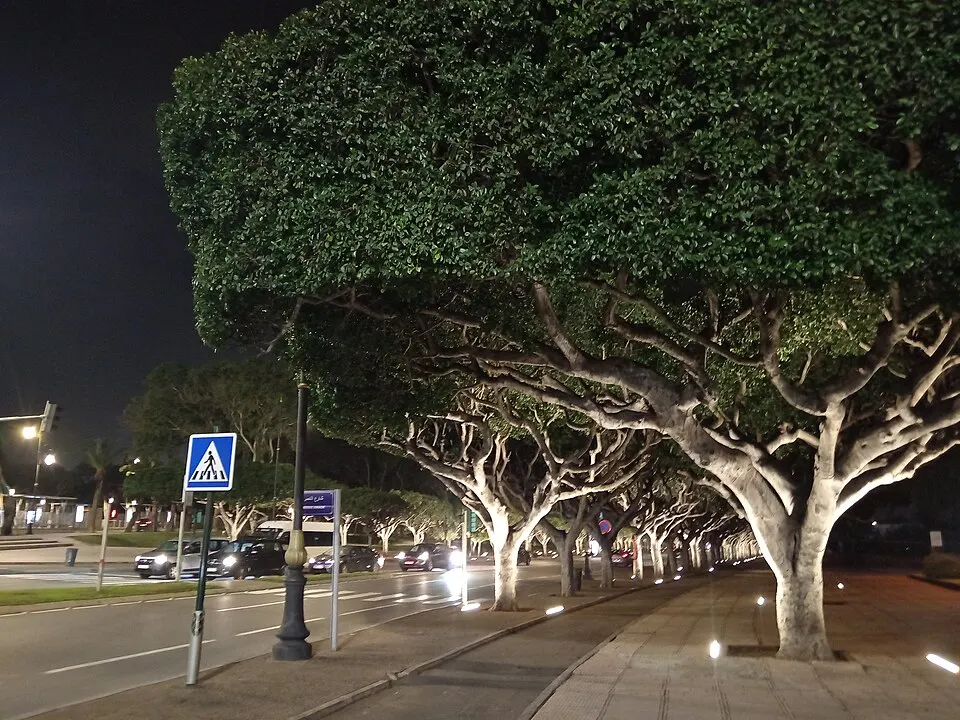
Rabat, January 2026. Archive illustration; does not show the meeting. CAPTAIN RAJU / Wikimedia Commons, CC0; resized. — CAPTAIN RAJU / Wikimedia Commons — CC0 https://creativecommons.org/publicdomain/zero/1.0/ ; 31 janvier 2026, redimensionnée.
Each measure must identify responsibility, a deadline and verifiable results. Ministries must use available or planned appropriations, without treating the circular as grounds for extra funding.
Sector plans for 2027–2031 are due on 20 November. Fortnightly monitoring is to begin on 30 November. The final selection of measures and their results have yet to be established.