Where things stand
As of 13 November 2026, Washington disputes Iran’s claim to have destroyed a US radar in Bahrain and says it intercepted two drones, with no injuries or damage. These assertions have not been verified on site in the selected sources. Separately, an IAEA report covered in the press highlights the lack of access to the Isfahan enrichment facility; no actual return of inspectors is established. On the same day, the UN warned the Security Council about maritime risks; the GCC demanded compensation from Iran, which disputed Gulf states’ account.
On 15 November, Bahrain announced the end of its alert after threat warnings. State television reported interceptions of Iranian drones; operational details have not been independently verified in the material retained.
A US official told ABC News that the USS Theodore Roosevelt group entered the Central Command area on 15 November, bringing the number of US aircraft carriers present to three. This information establishes no new strike order.
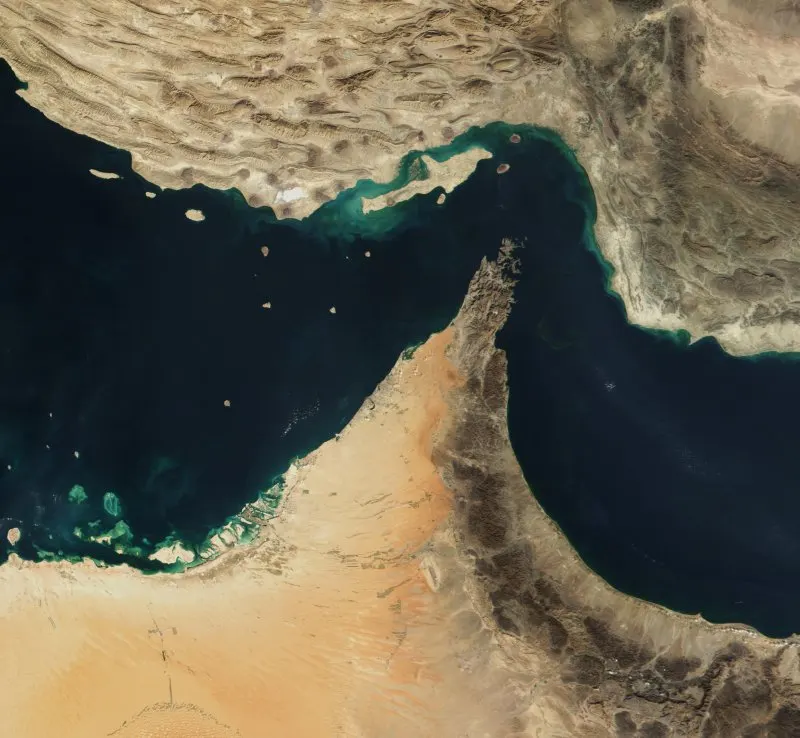
On 16 November 2026, Araghchi says in Islamabad that regional countries support Iran's two-day Hormuz reopening plan. US acceptance and implementation of this scenario are unestablished. UKMTO also reports a tanker disabled after an attack north of Khasab on 16 November; the crew is reported safe, while damage and environmental impact remain unknown.
On 17 November 2026, Iran claimed a new drone attack on a US radar at Sheikh Isa in Bahrain. Manama reported interceptions and later an all-clear; damage is not independently verified.
The same day in Muscat, the Omani and Iranian ministers discussed maritime security and renewed negotiations, according to Oman. No ceasefire agreement or actual reopening of Hormuz was announced.