United Kingdom · Israel · Iraq · Islamic Republic of Iran · Kuwait · Lebanon · Sri Lanka · Oman · Panama · Pakistan · Qatar · Russian Federation · Saudi Arabia · United States of America
File
Iran since 1979: revolution, crises and wars with Israel and the United States
This dossier traces the Islamic Republic of Iran from Ruhollah Khomeini’s return in February 1979: the monarchy’s overthrow, the hostage crisis, the Iran-Iraq War, Ali Khamenei’s succession, sanctions, domestic protests and nuclear negotiations. It also follows regional confrontation through Tehran’s allies, rapprochement with Saudi Arabia and the transition to direct Iran-Israel attacks in 2024.
The twelve-day war of June 2025 is distinguished from the conflict opened on 28 February 2026 by US and Israeli strikes. The chronology examines Ali Khamenei’s killing and Mojtaba Khamenei’s succession, civilian victims, regional fronts, energy infrastructure, Hormuz, blockades and attempts at agreement. The Qatari consultations that originally defined this dossier remain integrated into the expanded history.
Sourced entries distinguish established facts, announcements, attributed responsibility and unverified outcomes. The reconstruction selects principal milestones rather than recording every military operation. No final, consistent human toll across all theatres is established here. Dates without a known time are ordered by calendar day.
Last updated : 66 key moments
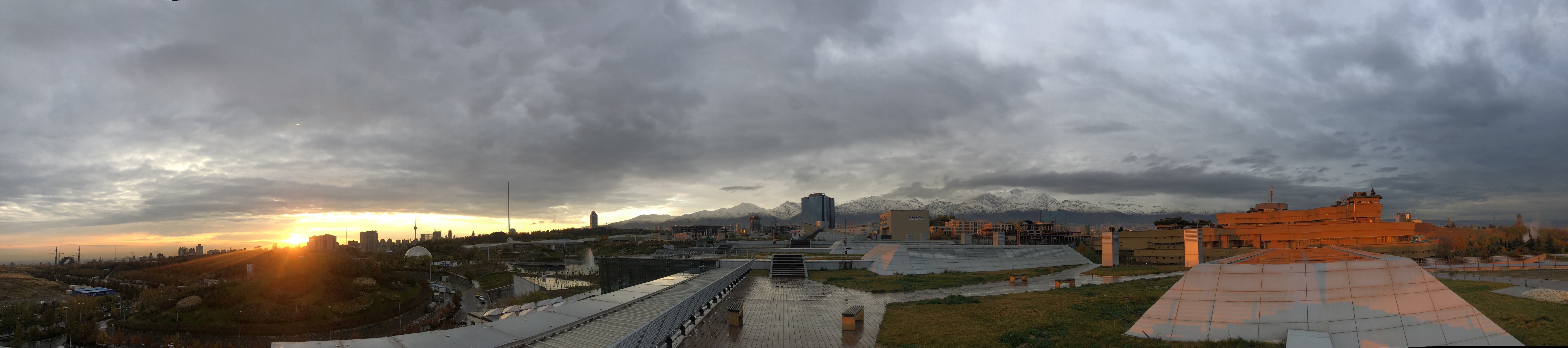
Tehran, 3 December 2019. Illustrative archive photograph for the dossier; it does not show the 2025 or 2026 strikes. — GTVM92 — CC BY-SA 4.0 https://creativecommons.org/licenses/by-sa/4.0/ — 3 décembre 2019, sans modification.
Where things stand
As of 1 November 2026, the available sources establish no Hormuz reopening agreement from the Doha consultations. Tehran also announced terrorist designations for the Royal Navy and RAF and a hostile-group designation for MI6; the decision's practical effects are not established.
Reported information
Reuters reports Iranian-funded Hezbollah military preparations
Hezbollah reportedly received tens of millions of dollars from Iran to rebuild its military capabilities, according to a Reuters investigation published on 26 October 2026. The agency cites Lebanese security sources and a source close to the group.
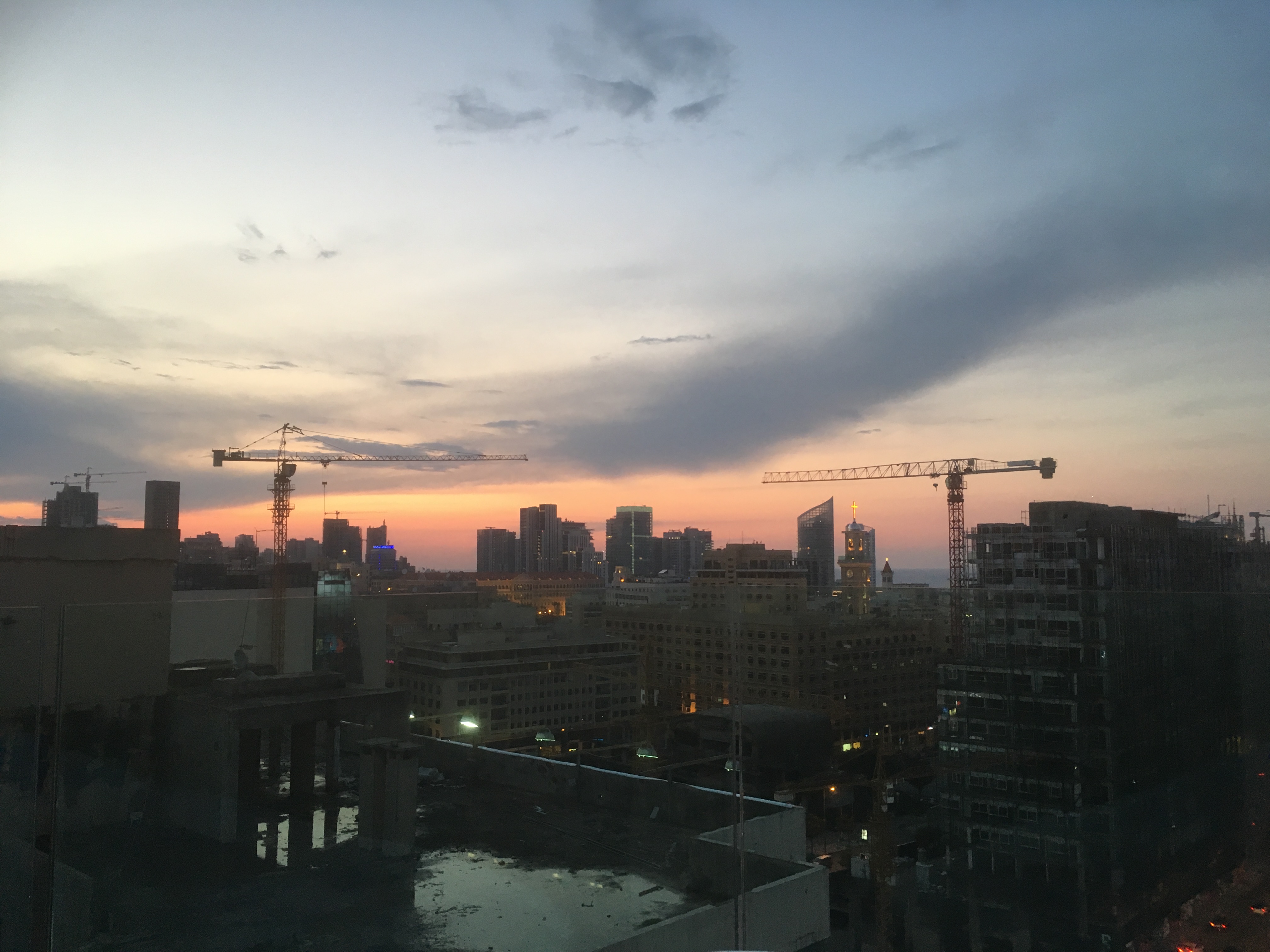
General view of Beirut in April 2019. Archive photograph, showing neither military facilities nor a transfer of funds. — Laura C Ellis / Wikimedia Commons — CC BY-SA 4.0 https://creativecommons.org/licenses/by-sa/4.0/ — 18 avril 2019 ; sans modification.
Two security sources describe purchases of explosives and drone production in preparation for a possible resumption of fighting with Israel. Other testimony concerns rebuilding damaged command structures.
Responding to Reuters, Hezbollah’s media office disputed the suggestion that its command systems had collapsed and invoked Israeli occupation to defend the legitimacy of its resistance. The described financing and preparations rely on testimony gathered by the agency; the versions consulted in other languages do not provide additional independent corroboration.
Tehran: Iran, Saudi Arabia, Pakistan and Türkiye agree to continue security consultations
Iran, Saudi Arabia, Pakistan and Türkiye agreed in Tehran on 26 October 2026 to continue consultations on regional peace and security, according to their meeting’s joint statement.
Tehran in December 2019. Archive photograph; it does not show the meeting on 26 October 2026. — GTVM92 — CC BY-SA 4.0 https://creativecommons.org/licenses/by-sa/4.0/ — 3 décembre 2019, sans modification.
The talks brought together Iranian security chief Mohsen Rezaei, Saudi Defence Minister Khalid bin Salman, Pakistani army chief Asim Munir and Turkish intelligence chief Ibrahim Kalin.
The statement commits the countries to continued dialogue. It does not announce a settlement of the conflict or an already operational security mechanism. The timing of another meeting remains to be specified.
On 22 October 2026, Iran reported seven tankers hit or damaged overnight in Hormuz amid renewed fears of escalation.
The seven-vessel count came from Tehran and is not presented as independent verification of every incident. Press reporting nevertheless indicated a renewed rise in shipping risks.
Vessel attacks and threats of further strikes sustained uncertainty over access to the strait. Limited transits meant neither guaranteed safety nor a return of flows to their pre-war level.
On 29 September 2026, UN Resident Coordinator in Iran Christine Weigand described a country enduring loss of life, infrastructure damage and economic pressure.
In the UN-published interview, she said 30 of 31 provinces had been affected and cited more than 3,400 civilian deaths and over 33,000 injured people. These figures were communicated in that interview, without full independent verification presented here.
September counts do not necessarily represent the final October situation. Civilian deaths, military losses and regional totals must remain separate to avoid double counting and misleading comparisons.
On 1 September 2026, US forces again struck Revolutionary Guard targets in Iran during a renewed military exchange.
CENTCOM listed air-defence sites, radars, maritime assets and mine-laying capabilities. Washington presented the operation as a response to attempted attacks on its forces and commercial shipping.
Iran retaliated and both sides threatened further action. The US command’s target lists and justifications remain attributed to it. The renewed fighting confirmed that the June memorandum had not durably ended the war.
Six months into war, mediation has not restored normal Hormuz traffic
As of 27 August 2026, regional diplomacy continued but shipping through Hormuz remained far below its pre-war level.
The Associated Press reported renewed Qatari initiatives and limited vessel movements. A British parliamentary briefing noted that the June memorandum had not produced the expected permanent settlement and maritime restrictions persisted.
It would therefore be inaccurate to describe the strait as normally reopened merely because the June document was signed. Mediation and economic restrictions continued in a confrontation that had become intermittent.
Washington announces reinstatement of Iranian port blockade
On 13 July 2026, Donald Trump announced the reinstatement of a naval blockade of Iranian ports, to be enforced from 14 July.
Maritime command specified its scope and enforcement deadline. The president also proposed a 20% charge on cargo passing through Hormuz without immediately providing implementation details.
The proposed charge must be distinguished from the blockade announced and then reported as reimposed on 14 July. Renewed strikes and Iranian restrictions prolonged disruption in the strait despite the commitments made in June.
On 8 July 2026, Donald Trump declared the US-Iran memorandum over as exchanges of strikes resumed.
The US president spoke ahead of the NATO summit in Ankara. The June framework had been intended to provide sixty days of negotiations, but talks had not produced a permanent settlement.
The United States also revoked temporary permission for certain Iranian oil sales following further attacks on shipping. The rupture combined military escalation with renewed economic pressure; it was not a formal treaty ending all possible negotiations.
On 27 June 2026, Iran said it had struck US-linked targets following American strikes on its southern coast; Bahrain denounced an Iranian drone attack.
The statements followed attacks on vessels and military exchanges in preceding days. Each side accused the other of violating the interim agreement signed the previous week.
Reuters reported no immediate Washington confirmation of the American targets Tehran claimed to have hit. Strike announcements must therefore remain attributed. The renewed hostilities primarily establish the fragility of de-escalation, without validating every claimed military outcome.
On 17 June 2026, the United States and Iran remotely signed a memorandum intended to consolidate the ceasefire and reopen Hormuz, according to available reporting.
The document opened a sixty-day negotiating period for a permanent settlement. Shipping arrangements and the future of the nuclear programme were not fully resolved by the interim text.
Signing did not establish that all vessels could already transit normally. June reporting and the subsequent chronology show that implementation was a separate stage, soon undermined by renewed military exchanges.
Washington and Tehran announce a framework to halt the war
On 15 June 2026, the United States and Iran announced a preliminary agreement intended to halt the war and restore shipping through the Strait of Hormuz.
The framework provided a sixty-day negotiating period on unresolved issues, including the nuclear programme. Mediation involved Pakistan and Qatar; commitments concerning Lebanon remained important.
Initial statements about completion of the text preceded its formalised signing and implementation. This announcement must therefore be distinguished from the 17 June milestone and from subsequent shipping conditions.