United Kingdom · Israel · Iraq · Islamic Republic of Iran · Kuwait · Lebanon · Sri Lanka · Oman · Panama · Pakistan · Qatar · Russian Federation · Saudi Arabia · United States of America
File
Iran since 1979: revolution, crises and wars with Israel and the United States
This dossier traces the Islamic Republic of Iran from Ruhollah Khomeini’s return in February 1979: the monarchy’s overthrow, the hostage crisis, the Iran-Iraq War, Ali Khamenei’s succession, sanctions, domestic protests and nuclear negotiations. It also follows regional confrontation through Tehran’s allies, rapprochement with Saudi Arabia and the transition to direct Iran-Israel attacks in 2024.
The twelve-day war of June 2025 is distinguished from the conflict opened on 28 February 2026 by US and Israeli strikes. The chronology examines Ali Khamenei’s killing and Mojtaba Khamenei’s succession, civilian victims, regional fronts, energy infrastructure, Hormuz, blockades and attempts at agreement. The Qatari consultations that originally defined this dossier remain integrated into the expanded history.
Sourced entries distinguish established facts, announcements, attributed responsibility and unverified outcomes. The reconstruction selects principal milestones rather than recording every military operation. No final, consistent human toll across all theatres is established here. Dates without a known time are ordered by calendar day.
Last updated : 66 key moments
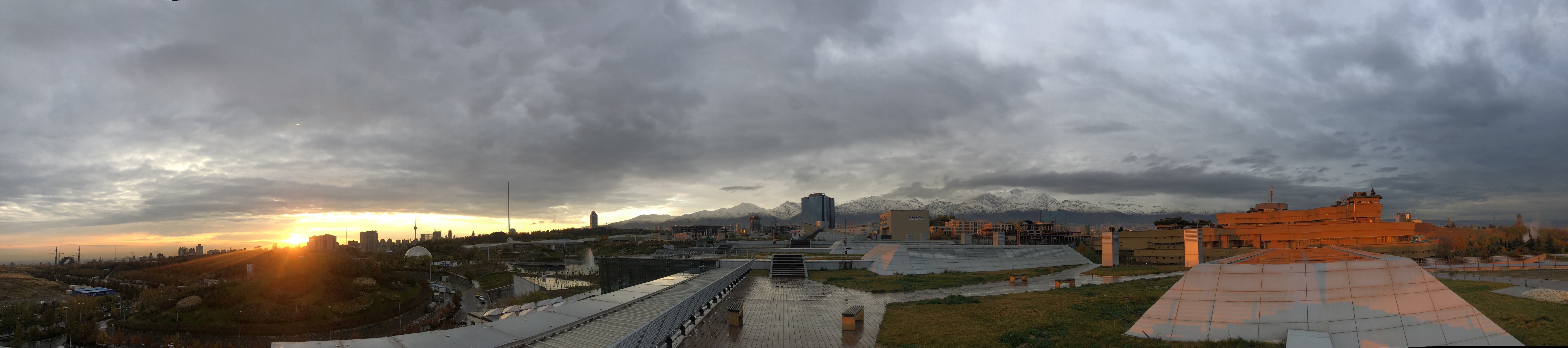
Tehran, 3 December 2019. Illustrative archive photograph for the dossier; it does not show the 2025 or 2026 strikes. — GTVM92 — CC BY-SA 4.0 https://creativecommons.org/licenses/by-sa/4.0/ — 3 décembre 2019, sans modification.
Where things stand
As of 1 November 2026, the available sources establish no Hormuz reopening agreement from the Doha consultations. Tehran also announced terrorist designations for the Royal Navy and RAF and a hostile-group designation for MI6; the decision's practical effects are not established.
Reported information
Iran: Rezaei says he has not replied to Vance's letter
Mohsen Rezaei, secretary of Iran's Supreme National Security Council, says he has read a letter from US Vice President JD Vance but has not replied. Accounts published on November 1, 2026 attribute to him a positive assessment of a change in US tone, without any agreement announced.
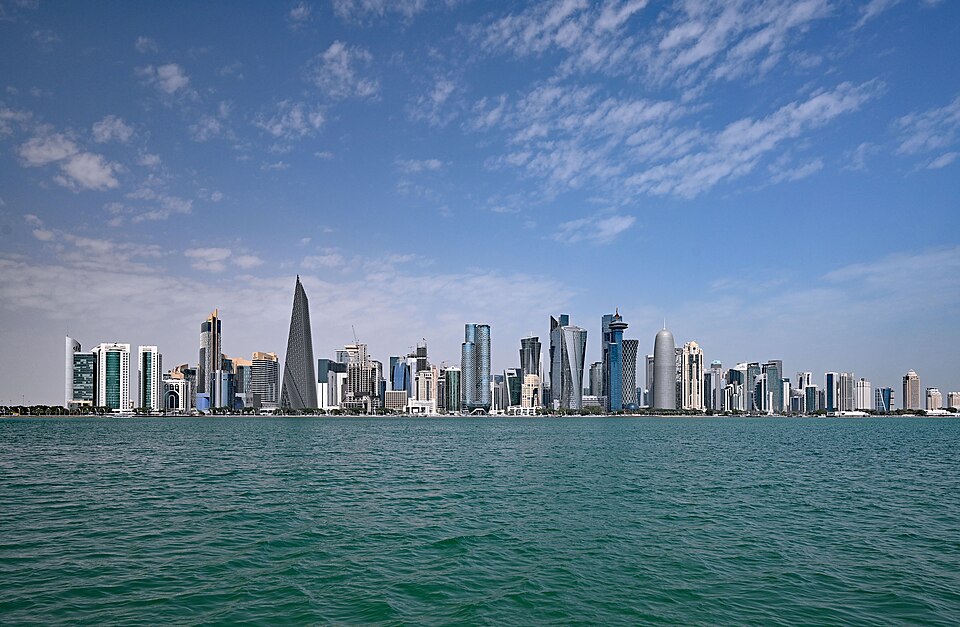
West Bay, Doha, February 2026. Geographic archive illustration; it does not show the event described. — P. Hughes / Wikimedia Commons — CC BY 4.0 https://creativecommons.org/licenses/by/4.0/ — 4 février 2026, taille réduite.
According to Al Jazeera, Rezaei maintains that opening the Strait of Hormuz depends on meeting Iran's conditions. Iranian radio also reports that the letter remains unanswered.
The scope of the correspondence remains disputed: Al Jazeera reports that Donald Trump publicly limited Vance's role to assistance involving medical supplies. These statements do not establish an agreement on negotiations or reopening the strait.
Kfar Tebnit explosion: Israeli army describes controlled demolition
An explosion was reported in Kfar Tebnit, southern Lebanon, on 31 October 2026. While media reports describe a strike, the Israeli army says its soldiers carried out a controlled demolition; the precise nature remains disputed in the reports consulted.
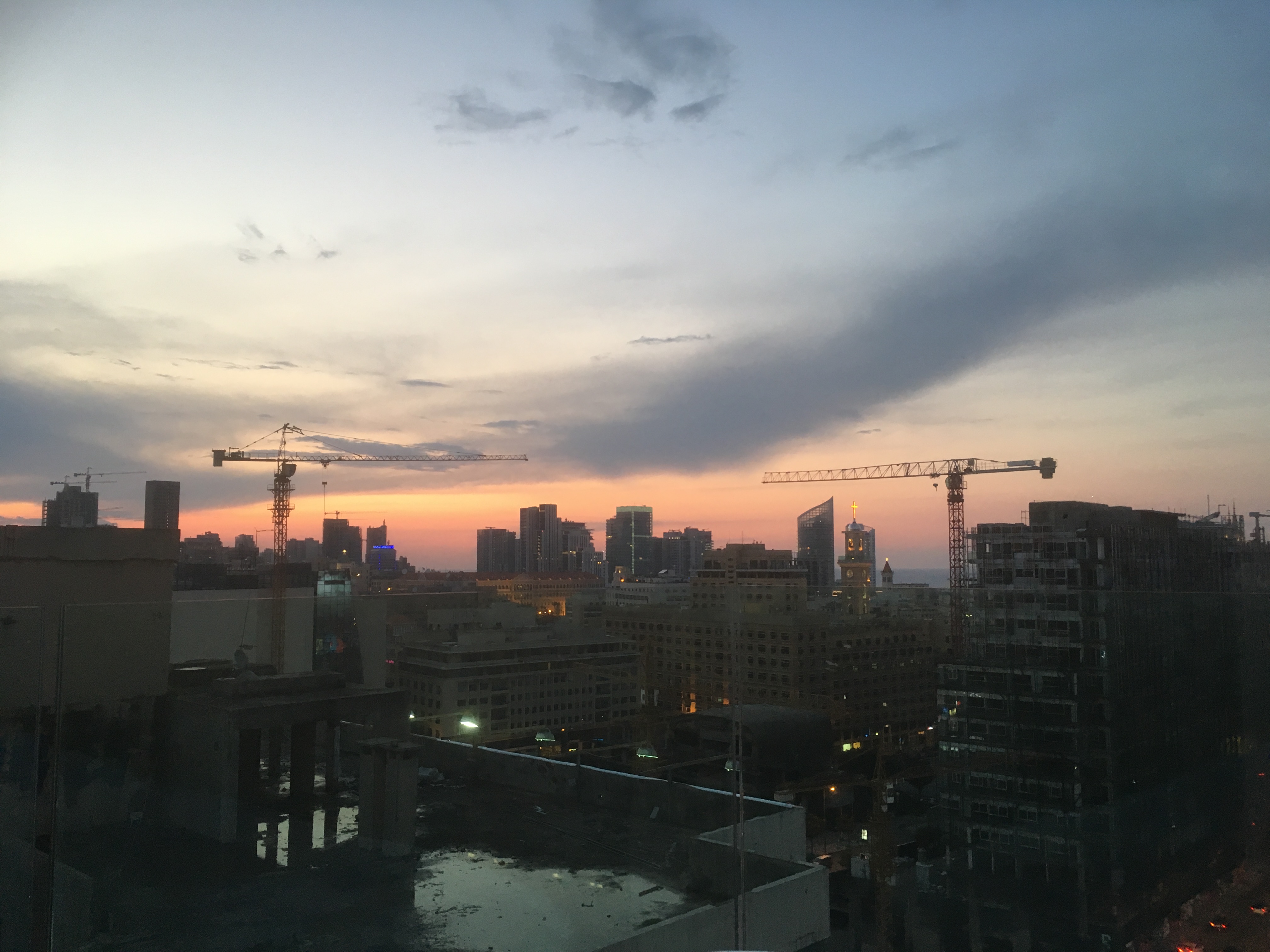
Beirut, April 2019. Archive view of Lebanon; it shows neither Kfar Tebnit nor the explosion. — Laura C Ellis / Wikimedia Commons — CC BY-SA 4.0 https://creativecommons.org/licenses/by-sa/4.0/ — 18 avril 2019 ; sans modification.
The Times of Israel relays the Israeli military's explanation: destruction of infrastructure described as a routine operation, without further details. Arabic-language Al-Jazeera and L'Orient-Le Jour report Israeli military activity in the south, carrying an AFP-credited image of smoke at Kfar Tebnit.
This material supports reporting the incident and the attributed accounts, but does not resolve its mechanism. The selected documents establish no precise casualty toll for this explosion. That distinction prevents a media description from being presented as an independent finding.
Iranian negotiators hold Doha talks with Qatari mediators, Reuters reports
Iranian negotiators held talks in Doha with Qatari mediators on 31 October 2026, Reuters reports, citing a source briefed on the discussions. The exchanges follow the previous day's Tehran talks and do not amount to an announced agreement.
Doha, February 2026. Archive image; this view does not show the negotiations. — P. Hughes / Wikimedia Commons — CC BY 4.0 https://creativecommons.org/licenses/by/4.0/ — 4 février 2026, taille réduite.
Reuters' source said the contacts were coordinated with Washington. Axios also described Qatari efforts to enable renewed direct US-Iran dialogue, citing diplomatic sources. Both outlets rely on unnamed interlocutors; their personal independence cannot be established.
Disagreement concerns the sequence of confidence-building steps and conditions for renewed talks. A possible US visit to Doha, described by officials quoted by Al-Arabiya via Ajel, remains conditional on progress. No timetable accepted by the parties or operational outcome is established.
Qatari mediators return to Tehran, Reuters reports
Qatari mediators returned to Tehran on 30 October 2026 to pursue an agreement between the United States and Iran, Reuters reported, citing an official briefed on the talks.
Tehran in December 2019. Archive photograph; it does not show the 2026 delegation. — GTVM92 — CC BY-SA 4.0 https://creativecommons.org/licenses/by-sa/4.0/ — 3 décembre 2019, sans modification.
According to that source, mediation is coordinated with Washington. Reuters describes a disagreement over sequencing: the United States wants nuclear issues addressed at the outset, while Tehran first demands an end to the blockade of its ports and the lifting of oil sanctions.
An Anadolu dispatch citing Iranian media also reports the arrival of a Qatari delegation. The visit does not constitute an announcement of an agreement accepted by both sides.
Oman says it evacuated 25 crew from burning ship off Musandam
Oman’s navy evacuated 25 crew members from the Panama-flagged RITI after an attack followed by a fire near Musandam on 30 October 2026, according to Oman’s Maritime Security Centre. AFP and Arabic-language outlets relayed the announcement.
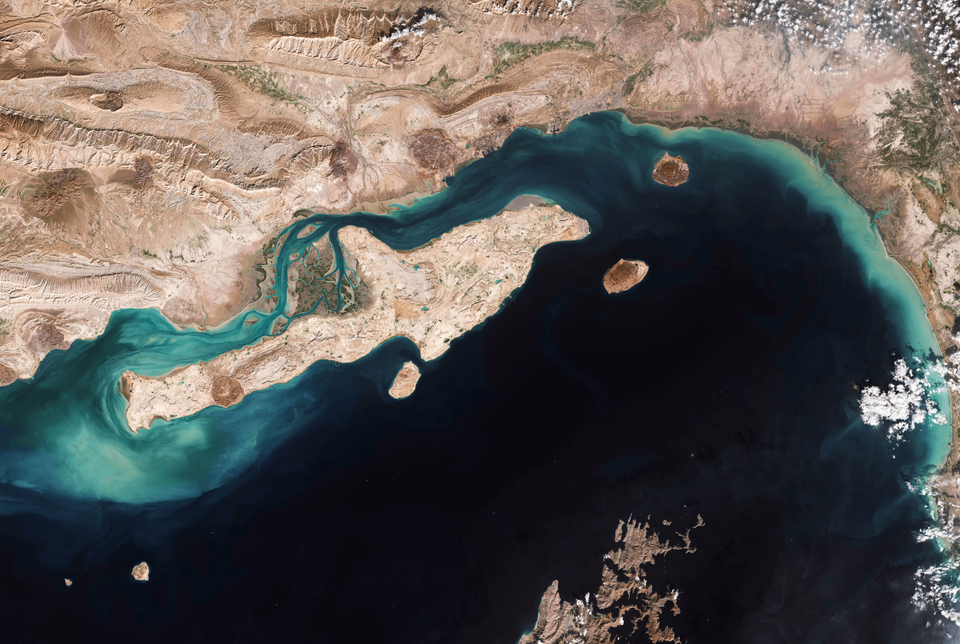
Satellite view of Hormuz published in 2021, using 2020 data. Illustration; it shows neither the RITI nor the rescue. — ESA / Wikimedia Commons — CC BY-SA 3.0 IGO https://creativecommons.org/licenses/by-sa/3.0/igo/ ; Contains modified Copernicus Sentinel data 2020 ; suppression de nuages préexistante, taille réduite.
The centre placed the ship 1.6 nautical miles off the Musandam coast and said the crew received medical care, without detailing their condition. The number evacuated and the reported circumstances remain attributed to Omani authorities.
The available evidence does not identify the attacker or the method used. This evacuation should not be conflated with a separate report of explosives attached to another tanker’s hull near Khasab; it also does not confirm Iranian claims about mines in the strait.
Hormuz: tanker resumes voyage after explosive-device attack, UKMTO says
A tanker attacked northeast of Oman's Khasab on 29 October 2026 resumed its voyage after a fire, the British maritime security body UKMTO said on 30 October.
Satellite view of Hormuz published in 2021 using 2020 data. Illustration; it identifies no vessel attacked in October 2026. — ESA / Wikimedia Commons — CC BY-SA 3.0 IGO https://creativecommons.org/licenses/by-sa/3.0/igo/ ; Contains modified Copernicus Sentinel data 2020 ; suppression de nuages préexistante, taille réduite.
According to UKMTO, a small boat attached two explosive devices to the hull above the waterline. The blasts caused an engine-room fire and temporarily disabled the vessel as it sailed out of the Strait of Hormuz.
The body says the fire is extinguished, the crew are safe and no environmental impact has been reported. Responsibility for the attack has not been established. This incident should be distinguished from other alerts that day, including a tanker struck by a projectile; it does not confirm Iranian claims about mines.
Trump describes Vance medical-supplies outreach without announcing a peace deal
In remarks reported on 28–29 October 2026, Donald Trump said he had authorised JD Vance to approach Iran about medical supplies.
The US president disputed characterising the outreach as an instruction to restart peace negotiations. Axios separately described a letter also addressing the nuclear issue; that description of its contents remains attributed to the outlet.
On the Iranian side, Araghchi said contacts continued over the seven-day plan. These exchanges indicated active communications channels without establishing a new truce, actual medical deliveries or normal reopening of Hormuz.
Reports describe US military preparations as mediators negotiate
On 28 October 2026, the Associated Press and Axios reported that Washington was preparing allies for possible renewed strikes while regional mediators sought a diplomatic way forward.
The reports relied on officials and informed sources, several unnamed. They described preparations and possible scenarios after the US elections without establishing that a final attack order had been issued.
Mediation involving Qatar sought to restart discussions and reduce escalation risks. Military preparations and diplomatic exchanges coexisted; these reports established no final settlement.
Iran: Araghchi says contacts continue over seven-day plan
Iranian Foreign Minister Abbas Araghchi said on 28 October 2026 that Tehran remained in close contact with mediators to discuss implementation of its seven-day plan aimed at ending the war.
Tehran in December 2019. Archive image; it does not show the 2026 consultations. — GTVM92 — CC BY-SA 4.0 https://creativecommons.org/licenses/by-sa/4.0/ — 3 décembre 2019, sans modification.
In his message reported by Reuters and Al Hadath, he says diplomacy is still being given a chance and considers the plan executable in less than a week if its provisions are implemented. That duration is the minister's assessment, with no concluded agreement established.
Iran's proposal links reopening the Strait of Hormuz to Tehran's conditions. The accounts describe continued Qatari mediation after Donald Trump rejected an earlier proposal. They establish neither an actual reopening nor a timetable accepted by the parties.
On 27 October 2026, Rafael Grossi told the Security Council that Iran needed to provide information and access to verify its declared nuclear material.
The IAEA director general said no reconstruction activity had been identified at facilities damaged in the 2025 and 2026 attacks. He nevertheless stressed that insufficient access constrained verification of enriched uranium stocks.
The absence of detected reconstruction therefore did not prove that material or all capabilities had disappeared. Tehran maintained that its programme was peaceful and condemned the attacks; the safeguards dispute remained unresolved.
Qatar’s emir and Iran’s president discuss Hormuz and energy in Moscow
Qatar’s emir, Sheikh Tamim bin Hamad Al Thani, met Iranian President Masoud Pezeshkian in Moscow on 27 October 2026 ahead of the Gas Exporting Countries Forum summit. Doha said their discussions included regional negotiations, the Strait of Hormuz and energy supplies.
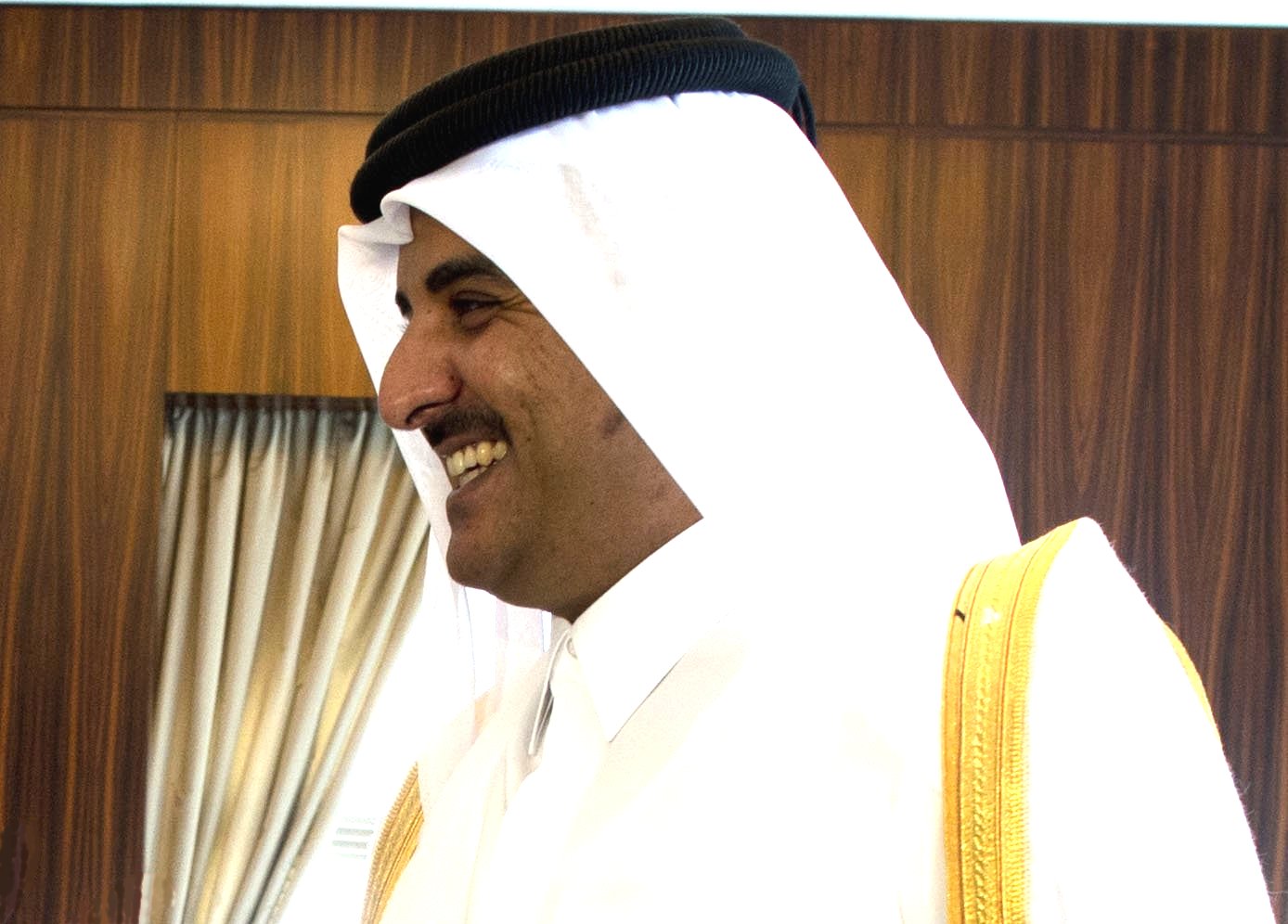
Tamim bin Hamad Al Thani in 2013. Archive portrait; it does not show the 2026 Moscow meeting. — Erin A. Kirk-Cuomo / Wikimedia Commons — CC BY 2.0 https://creativecommons.org/licenses/by/2.0/ ; portrait de 2013, recadrage préexistant.
Iranian Foreign Minister Abbas Araghchi and other officials from both delegations attended. Iranian state media also reported discussions on strengthening bilateral political and economic relations.
Qatar’s readout provides neither an operational commitment on navigation through the strait nor a timetable for renewed negotiations. The meeting establishes that contacts are continuing; it does not announce a regional agreement.