Belarus · Canada · Germany · Norway · Russian Federation · Ukraine · United States of America
File
Russia–Ukraine: origins, war since 2014 and timeline
This dossier traces the Russia–Ukraine war from the seizure of Crimea and the start of fighting in the Donbas in 2014, through the full-scale invasion of 24 February 2022 and its military, diplomatic, economic and humanitarian consequences. It distinguishes recognised sovereignty, claimed annexations and actual military control.
Earlier milestones explain relations between the two states since Ukrainian independence in 1991: the 1994 Budapest security assurances, the 1997 friendship treaty, the 2003 Tuzla crisis, gas disputes and the 2010 Kharkiv agreements. The suspension of preparations for the European Union agreement in November 2013 opens the Euromaidan crisis. These antecedents are distinguished from the war that began in 2014; each entry links to its sources.
The timeline follows Ilovaisk, Donetsk airport, Debaltseve, the Minsk agreements, disengagement attempts, fighting and the humanitarian crisis in Avdiivka in 2017, the trade blockade, detainee exchanges and the Kerch maritime crisis. It then documents the war’s expansion, Ukrainian territorial recaptures, Bakhmut, international justice, grain, energy, external assistance and negotiations. Retrospective investigations are identified and claims remain attributed.
This selection of turning points includes canonical occurrences from the archived energy dossier. It expands previously sparse years without providing an exhaustive daily record: local fighting, successive sanctions, all weapons deliveries and population displacement are not detailed. Cumulative military losses and complete territorial control remain coverage limitations.
Last updated : 80 key moments
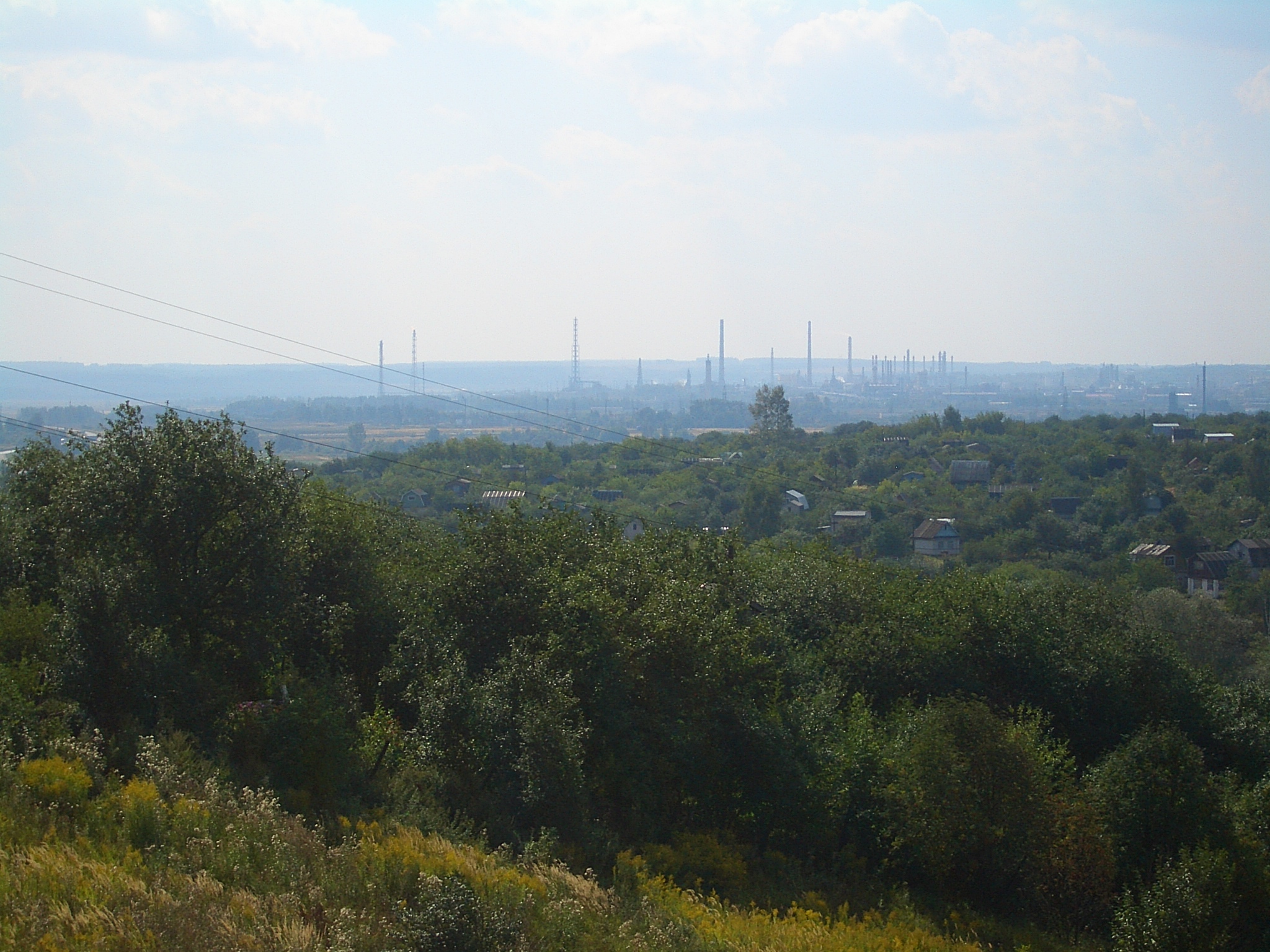
Kstovo industrial area, 29 August 2007. Archive image; it does not show the attack. Vmenkov, CC BY-SA 3.0 https://creativecommons.org/licenses/by-sa/3.0/, unchanged. — Vmenkov / Wikimedia Commons — CC BY-SA 3.0 https://creativecommons.org/licenses/by-sa/3.0/ — 29 août 2007, sans modification.
Where things stand
On 31 October 2026, residents evacuated from Russian-occupied Oleshky reached Kyiv-controlled territory after travelling through Russia and Belarus. The exact number arriving has not been published. The truce remains local. Washington has authorised a potential sale of 500 Patriot interceptors, with no evidence of delivery; the proposed €45 billion in EU loans for 2027 remains subject to adoption.
Reported information
New Russian strikes hit nine Ukrainian regions
On 16 October 2026, AP reports, citing officials, Russian strikes across nine Ukrainian regions, with at least fifteen people injured and emergency power outages.
The report describes damaged homes and hundreds of thousands of households affected by outages. This toll remains attributed to the officials cited and may be revised.
The attacks continue the sequence already documented in this dossier on 14–15 October. Their immediate damage does not establish the condition of the entire energy network or a change in the frontline.
Zelensky ends pause on Russian refinery strikes; fire reported in Ryazan
Volodymyr Zelensky announced the resumption of Ukrainian strikes on Russian refineries in a Financial Times interview published on October 15, 2026. Reuters reports a refinery fire in Russia’s Ryazan region the same day, citing its governor.
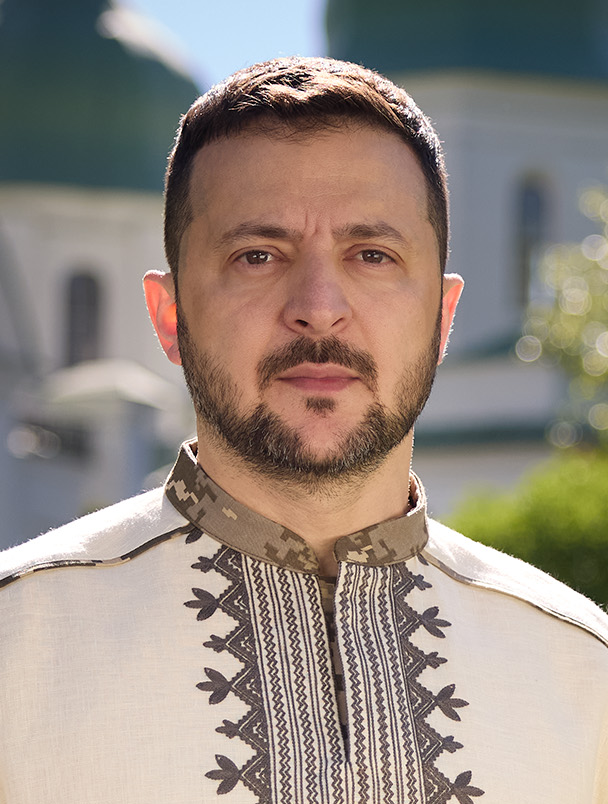
Archive portrait of Volodymyr Zelensky from the May 2024 Easter greetings, cropped in 2025. Presidency of Ukraine / Wikimedia Commons, CC0. — Présidence de l’Ukraine / Wikimedia Commons — CC0 1.0 (https://creativecommons.org/publicdomain/zero/1.0/). Portrait d’archives de mai 2024, recadré par Ooligan en 2025 ; aucune modification supplémentaire.
The Ukrainian president says he suspended energy strikes for three days in response to US requests. He accuses Russia of continuing to attack Ukrainian infrastructure during the pause. These details remain attributed to his account.
According to Reuters, Governor Pavel Malkov attributes the Ryazan fire to a Ukrainian drone attack and says emergency services are responding. He says material damage is being assessed.
Zelensky’s announcement and the Russian report are distinct elements: the sources consulted do not independently establish the damage or consequences for refinery production.
Ukraine: Starshield service on the move reportedly restored, with limits still unclear
On 15 October 2026, a Ukrainian Defense Ministry source told the Kyiv Independent that Starshield service on the move had been restored. The military version of SpaceX’s satellite connection had faced restrictions the previous day.
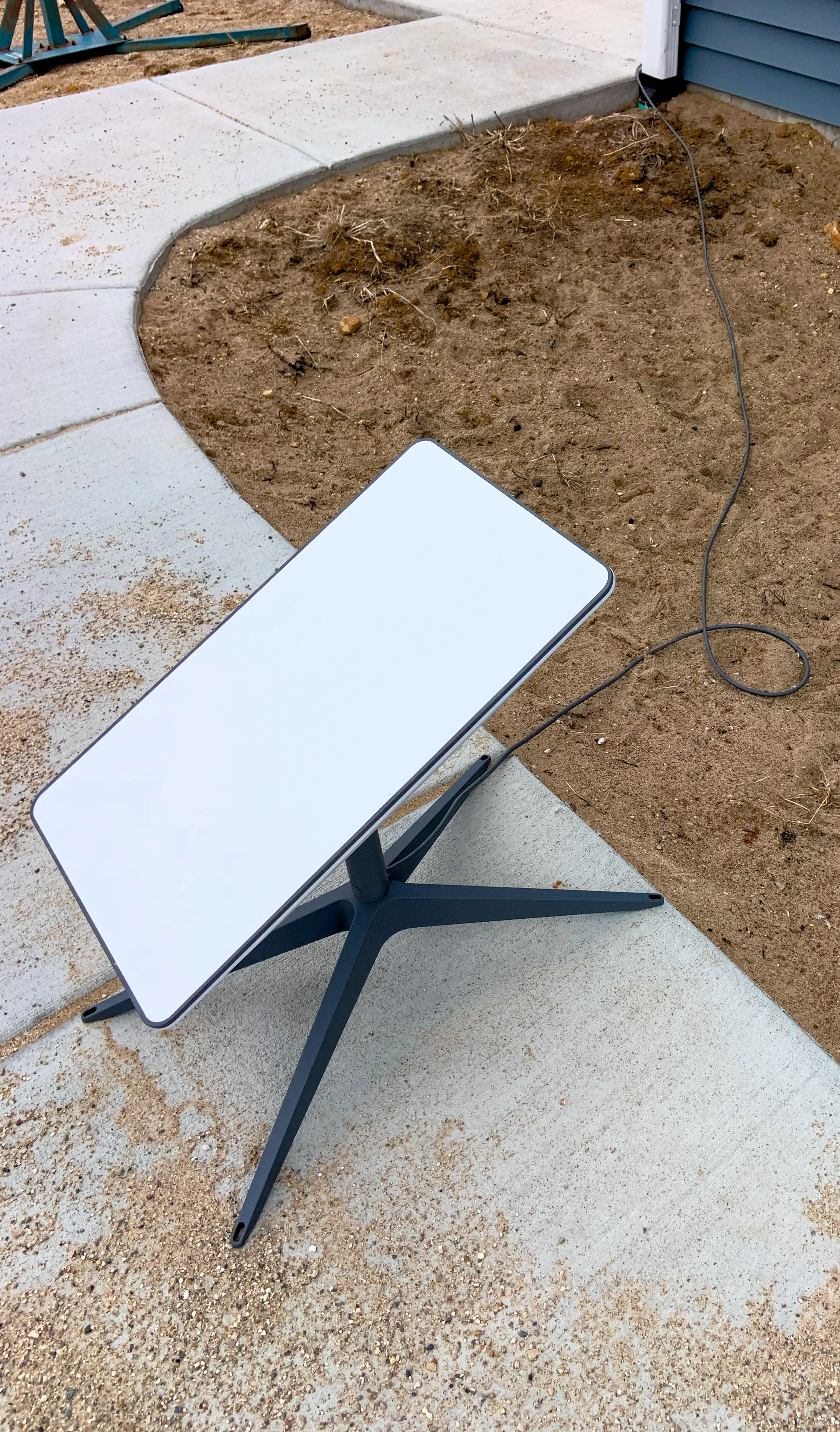
Archive image: Starlink dish beside a home, 29 January 2024. Civilian equipment shown for illustration, with no established link to Ukrainian units. Wikideas1, CC0. — Wikideas1 / Wikimedia Commons — CC0 1.0, https://creativecommons.org/publicdomain/zero/1.0/. Photo d’archives du 29 janvier 2024, sans modification.
According to Reuters, restrictions above 160 km/h had disrupted drone missions along the frontline. The ministry is still seeking to establish their causes and circumstances.
The Kyiv Independent nevertheless reports that a Ukrainian drone industry source describes performance varying between cases. Its ministry source did not specify whether every restriction had been removed. The announced restoration therefore does not establish a uniform return of all capabilities.
Reuters has no independent confirmation of a White House order imposing the restrictions. The origin of the decision remains separate from the resumption reported by Ukrainian officials.
UN publishes a toll of 328 civilians killed in September 2026
On 15 October 2026, the UN Human Rights Monitoring Mission publishes its verified September toll: at least 328 civilians killed and 2,105 injured in Ukraine.
The figures concern September, not the publication day alone. The mission also records renewed coordinated attacks on electricity and heating infrastructure.
These are verified minimum figures. Limited access and a lack of independent sources prevent verification of many allegations concerning occupied territory and Russia; figures announced by Russian authorities are therefore not added to this total.
Frozen Russian assets: Merz and Orpo defend European control
In Brussels on 15 October 2026, Friedrich Merz said Russian assets frozen in Europe should remain under European control, Reuters reports. Petteri Orpo also rejected releasing them, according to the Kyiv Independent.
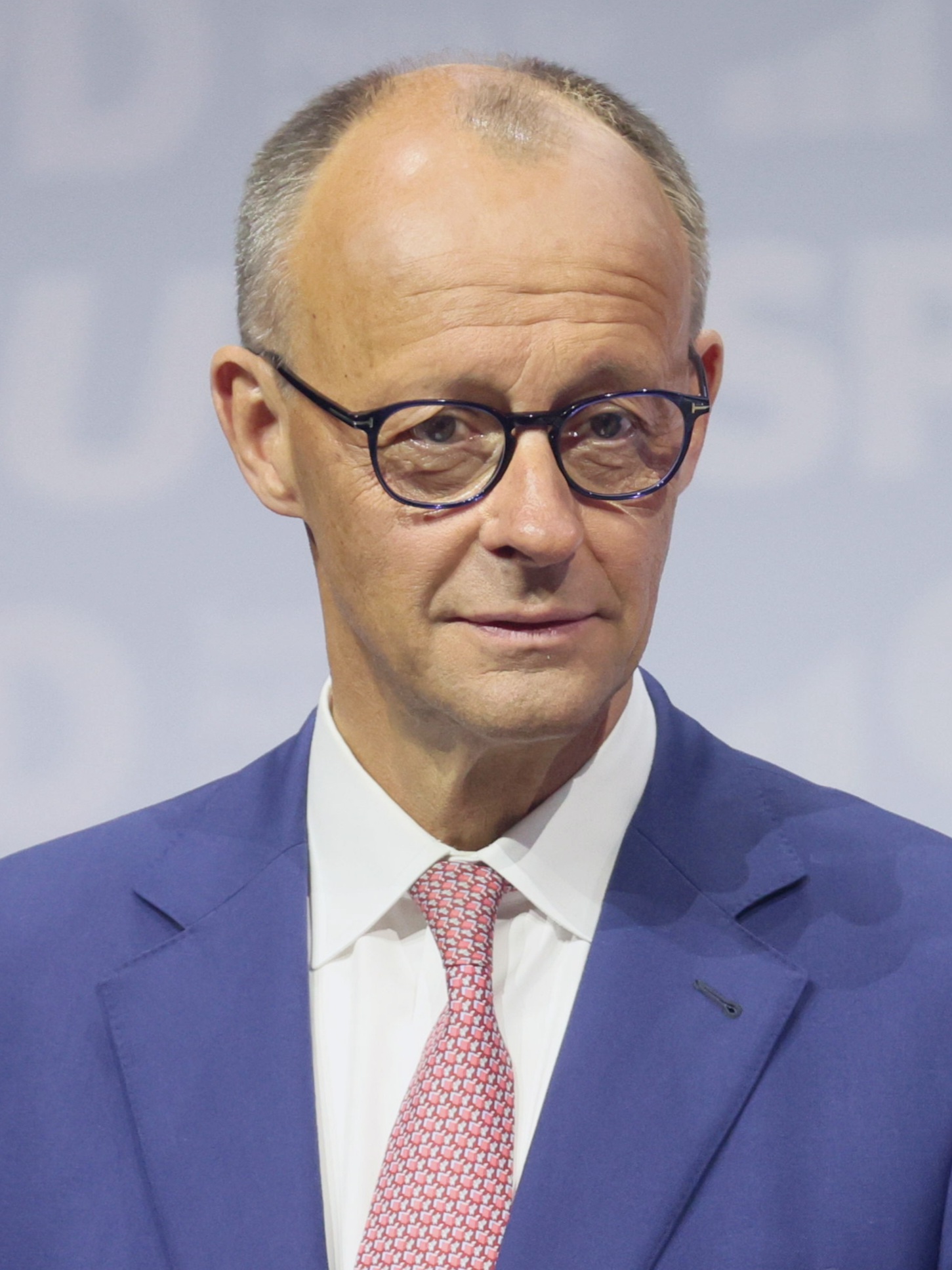
Archive portrait of Friedrich Merz, 5 May 2025, at the signing of Germany’s coalition agreement. Sandro Halank / Wikimedia Commons, CC BY-SA 4.0. — Sandro Halank, Wikimedia Commons, CC BY-SA 4.0 — https://creativecommons.org/licenses/by-sa/4.0/. Portrait du 5 mai 2025, recadrage et ajustement préexistants par TDKR Chicago 101 et Nagae Iku ; aucune modification supplémentaire.
The Finnish prime minister wants work to continue on ways to use the assets to support Ukraine. He was speaking as European leaders gathered for a two-day summit.
These positions respond to Financial Times reporting about a US proposal to transfer some assets to a Washington-supervised mechanism. Reuters says it could not independently verify that proposal.
The statements establish these leaders’ positions. They do not demonstrate a transfer of funds or a new collective European Union decision on their use.
Ukraine: Russian strikes damage energy network and hit residential buildings
Russian strikes hit Kyiv and Ukrainian energy facilities overnight on 13–14 October 2026. Volodymyr Zelensky reported 600,000 people without electricity, according to Reuters and AFP.
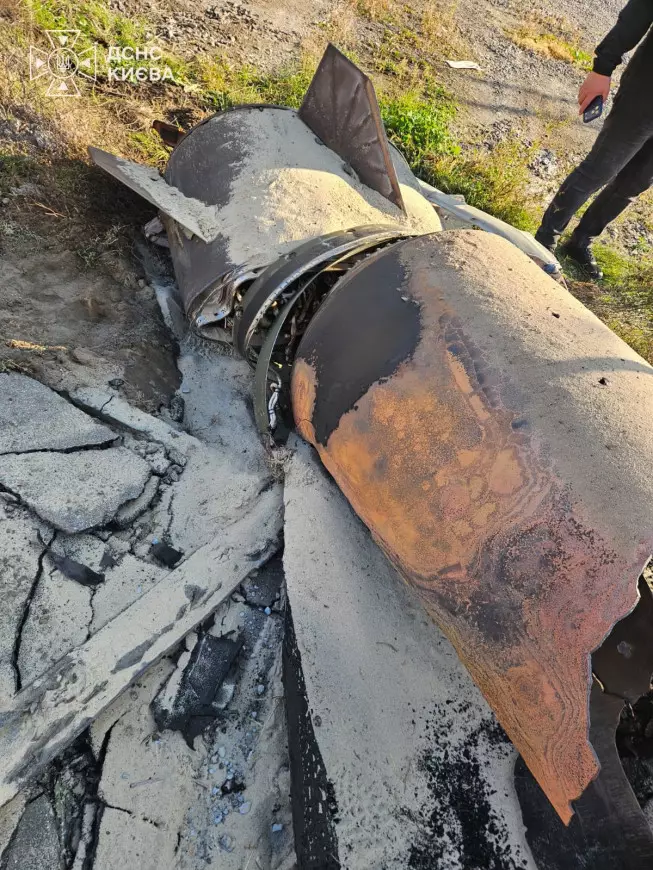
Archive, 7 October 2026: remains of an unexploded missile in Kyiv, according to Ukraine’s emergency service. This image does not show the 14 October strikes. DSNS, CC BY 4.0. — State Emergency Service of Ukraine / dsns.gov.ua / Wikimedia Commons — CC BY 4.0, https://creativecommons.org/licenses/by/4.0/. Archives du 7 octobre 2026 ; aucune modification.
Kyiv Independent journalists in the capital reported explosions, power outages and the temporary suspension of all three metro lines. Their reporting also documents rescue efforts at a damaged residential building.
Death tolls remain provisional: the Kyiv Independent reports five deaths in Kyiv, while AFP’s wider account mentions at least seven deaths in overnight attacks across the country. These different geographic totals must not be added together.
Reuters reports that Russia’s Defense Ministry claimed strikes against seven energy facilities. This claim does not independently verify each target or the damage it sustained.
Sberbank acknowledges attack on its Balakovo data center
On 14 October 2026, Sberbank acknowledged an attack on its data center in Balakovo, in Russia’s Saratov region, according to AFP. The bank says its systems continue to operate normally.
AFP relays a statement by bank executive Alexander Vedyakhin quoted by Russian news agency TASS. The company’s account establishes its acknowledgment of the attack without quantifying the damage.
Meduza separately reports a rise in outage reports on Sboi.rf and Downdetector: users describe difficulties with payments and access to online services. These reports are not an exhaustive measurement of interruptions.
CNews says the bank is not disclosing the scale of physical consequences. The material consulted does not establish the precise duration of disruptions or link every reported incident to this attack.
London announces faster air defense deliveries to Ukraine
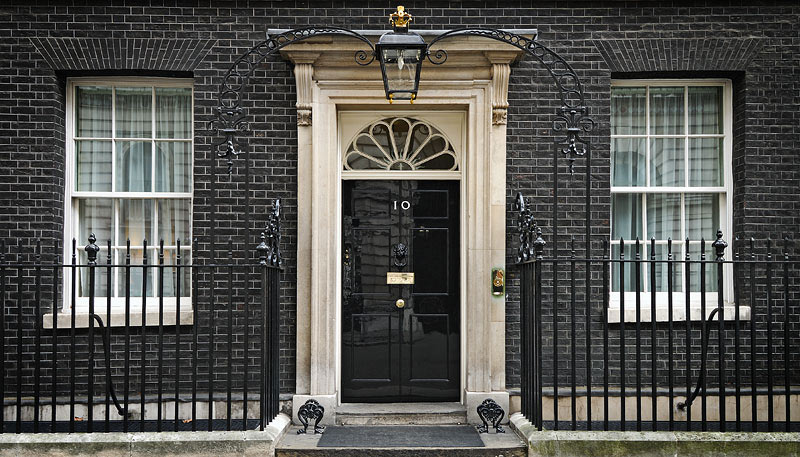
In London on 14 October 2026, Andy Burnham announced faster deliveries of British air defense equipment to Ukraine, according to the Ukrainian presidency. He was hosting Volodymyr Zelensky at Downing Street.
The British statement mentions a new package of Lightweight Multirole Missiles, presented as a response to Russian jet-powered drones. London also says it will continue adapting British capabilities to equipment supplied by other partners.
The Ukrainian presidency describes stronger air defenses as a priority following Russian infrastructure attacks. Both accounts describe an announcement of support: they provide no detailed timetable establishing when this equipment will be delivered or operational.
Lyman: Ukraine’s Third Army Corps claims another 101 square kilometers retaken
On 14 October 2026, Ukraine’s Third Army Corps announced it had retaken another 101 square kilometers in the Lyman sector of Donetsk Oblast, the Kyiv Independent reports. The figure remains attributed to Ukrainian command.
The corps names Zelena Dolyna, Lypove and Kolodiazi among the villages retaken in this fourth phase of Operation Vivaldi. The announcement summarizes an operation and does not precisely date every change of control.
In its 14 October assessment, the Institute for the Study of War repeats that claim and analyzes the effects of Ukrainian counterattacks on neighboring sectors. It nevertheless says it observed no new advance by either side that day.
These sources therefore do not provide two independent verifications of the claimed area. The corps’ operational tally and the daily frontline assessment cover different periods.
Black Sea ship attacks: Sofia seeks help, with responsibility still unproven
On 14 October 2026, Bulgaria requested international help to investigate attacks on Black Sea merchant vessels, according to the Associated Press. Sofia suspects Russia but acknowledges it cannot prove responsibility.
The Kyiv Independent reports that all fifteen crew members of Chelsea 3, a Maltese-flagged ship owned by a Ukrainian company, were evacuated after the 13 October attack. Five received medical assistance, according to Bulgaria’s prime minister.
Ukrainian Foreign Minister Andrii Sybiha thanked Bulgarian rescuers and blamed Russia in a statement carried by Nova. That Ukrainian attribution does not remove Sofia’s stated reservation.
AP also reports a request for NATO support to improve surveillance and responses to drones. This is not an announcement that a deployment has already taken place.
UN launches a $2.3 billion humanitarian appeal for 2026
On 13 January 2026, the UN and partners present a $2.3 billion plan to assist 4.1 million of the most vulnerable people in Ukraine.
The plan estimates that 10.8 million people in the country will require humanitarian assistance during the year. Frontline areas and northern border regions face the greatest needs, according to the UN.
The requested amount is not funding already received. The 4.1 million people targeted are distinct from the total population estimated to need assistance.