Skip to content
United Arab Emirates · Belgium · Belarus · Canada · Germany · Spain · France · United Kingdom · Norway · Russian Federation · Ukraine · United States of America
File

Russia–Ukraine: origins, war since 2014 and timeline

Published Updated

This dossier traces the Russia–Ukraine war from the seizure of Crimea and the start of fighting in the Donbas in 2014, through the full-scale invasion of 24 February 2022 and its military, diplomatic, economic and humanitarian consequences. It distinguishes recognised sovereignty, claimed annexations and actual military control. Earlier milestones explain relations between the two states since Ukrainian independence in 1991: the 1994 Budapest security assurances, the 1997 friendship treaty, the 2003 Tuzla crisis, gas disputes and the 2010 Kharkiv agreements. The suspension of preparations for the European Union agreement in November 2013 opens the Euromaidan crisis. These antecedents are distinguished from the war that began in 2014; each entry links to its sources. The timeline follows Ilovaisk, Donetsk airport, Debaltseve, the Minsk agreements, disengagement attempts, fighting and the humanitarian crisis in Avdiivka in 2017, the trade blockade, detainee exchanges and the Kerch maritime crisis. It then documents the war’s expansion, Ukrainian territorial recaptures, Bakhmut, international justice, grain, energy, external assistance and negotiations. Retrospective investigations are identified and claims remain attributed. This selection of turning points includes canonical occurrences from the archived energy dossier. It expands previously sparse years without providing an exhaustive daily record: local fighting, successive sanctions, all weapons deliveries and population displacement are not detailed. Cumulative military losses and complete territorial control remain coverage limitations.

Latest event : 85 key moments

Where things stand

Volodymyr Zelensky said on 4 November 2026 that he had spoken for 90 minutes with Steve Witkoff and Jared Kushner. Speaking from Madrid, Ukraine's president was preparing for the next planned trilateral discussions in Abu Dhabi.
Ukraine: Zelensky prepares Abu Dhabi talks with US envoys

Volodymyr Zelensky said on 4 November 2026 that he had spoken for 90 minutes with Steve Witkoff and Jared Kushner. Speaking from Madrid, Ukraine's president was preparing for the next planned trilateral discussions in Abu Dhabi.

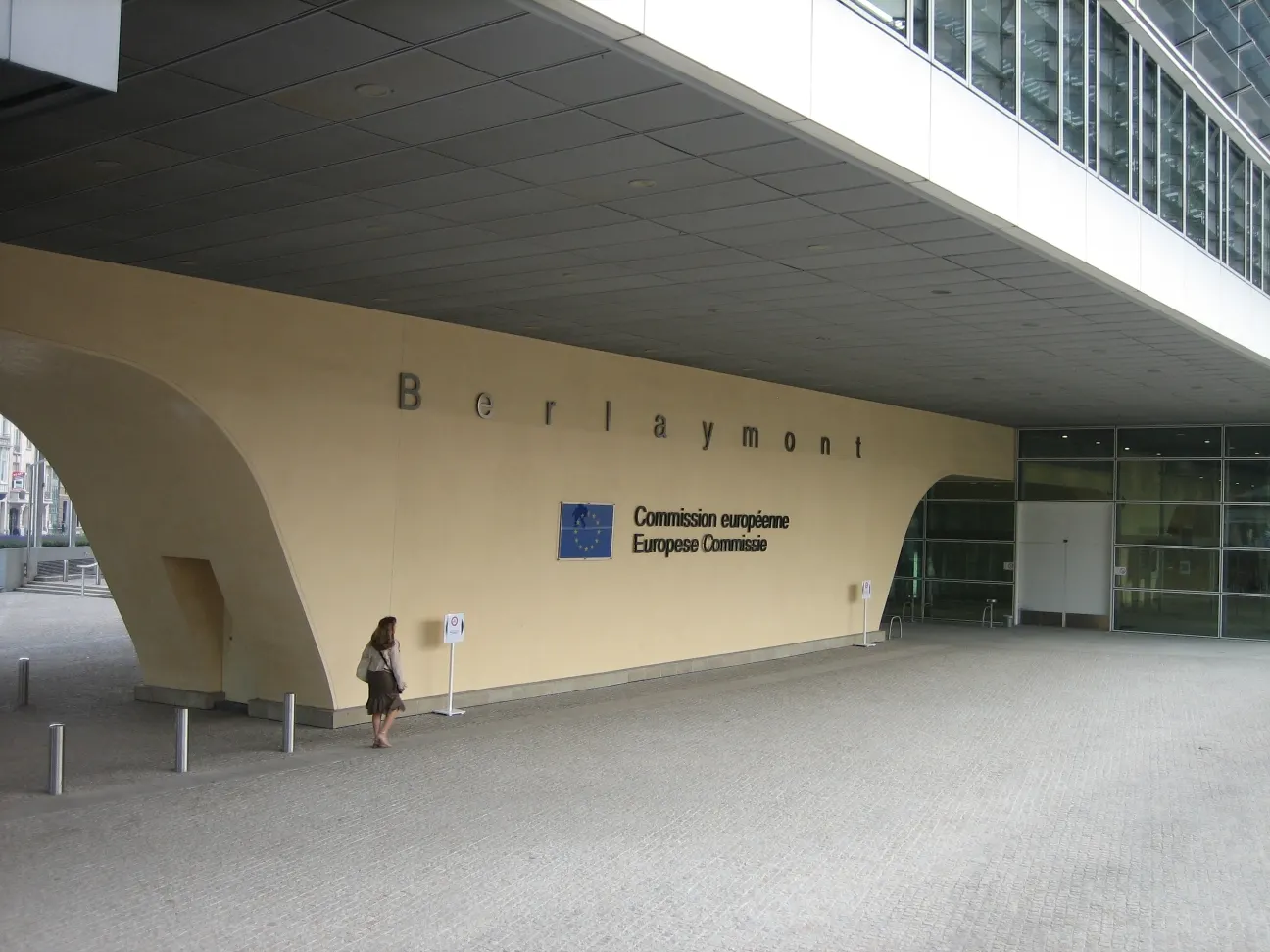
The Berlaymont in Brussels in July 2006.
Archive image, not the 4 November discussions. JLogan, CC BY 3.0; unchanged. — JLogan / Wikimedia Commons — CC BY 3.0 https://creativecommons.org/licenses/by/3.0/ ; juillet 2006 ; sans modification.

According to the Ukrainian account, the call covered air defence munitions, the drone agreement with the United States and post-war security guarantees. These topics describe discussions; no completed peace agreement was announced.

The same day, the European Commission hosted Ukrainian, US, NATO and European national representatives in Brussels to coordinate positions. The Abu Dhabi meetings announced for 10–11 November remain ahead.

Sources 4

Ukraine: Brussels announces meeting with Washington and allies on 4 November

The European Commission announced on 3 November 2026 that it would host representatives of Ukraine, the United States, France, Germany, the UK, NATO and the World Bank in Brussels the following day.

Flag of Ukraine.
Symbolic illustration; not the meetings. Ukrainian government / Wikimedia Commons, public domain; PNG rendering. — Gouvernement ukrainien / Wikimedia Commons — domaine public, drapeau, rendu PNG.

Spokesperson Paula Pinho said the consultations would build on the Miami discussions. The announcement concerns a meeting, with no diplomatic outcome or new financing established at this stage.

Separately, US envoy Steve Witkoff announced talks between Ukrainian and Russian delegations, mediated by the US, in Abu Dhabi on 10–11 November. He said post-war security and de-escalation would be discussed. Both meetings remain announced steps with unknown outcomes.

Sources 3

Komyshuvakha: Zelensky raises reported strike death toll to 33

Volodymyr Zelensky raised the reported death toll from the previous day’s Russian strikes on Komyshuvakha in Zaporizhzhia Oblast to 33 on the afternoon of 3 November 2026. The Ukrainian president said more than 50 people could still be under the rubble.

Flag of Ukraine.
Symbolic illustration; does not show the strikes or victims. Government of Ukraine / Wikimedia Commons, public domain; PNG rendering. — Gouvernement ukrainien / Wikimedia Commons — domaine public, drapeau, rendu PNG.

The figure replaces a toll of 29 reported on the morning of 3 November, then 31 later that morning. It remains provisional: searches continue in the damaged building, a school used for humanitarian aid and shelter according to Ukrainian authorities.

Ukrainian public broadcaster Suspilne documents the successive updates and reports that residents of nearby villages had come to collect aid. People potentially trapped under the rubble are not added to the number of deaths established by the authorities.

Sources 3

Komyshuvakha: Ukrainian authorities raise strike death toll to 29

Ukrainian authorities raised the death toll from Russian strikes on Komyshuvakha in Zaporizhzhia region to 29 on the morning of 3 November 2026, according to Suspilne and UNN news agency. The 2 November attack hit a school being used to distribute humanitarian aid.

Flag of Ukraine.
Symbolic illustration; does not show the strikes. Government of Ukraine / Wikimedia Commons, public domain. — Gouvernement ukrainien / Wikimedia Commons — domaine public, drapeau, rendu PNG.

Rescuers continue searching the rubble. Regional authorities also report missing people; these reports should not be added to the deaths as though they constituted a final toll.

Emergency services had announced 26 deaths the previous evening, including two rescuers and four police officers. The revision to 29 was reported the following morning. The toll remains attributed to Ukrainian authorities and may change as victims are identified; the consulted sources do not establish a final independent count.

Sources 3

Ukraine and Russia report hacks of emergency alert apps

Ukrainian and Russian authorities reported cyberattacks against their emergency alert apps overnight on 1–2 November 2026. In Ukraine, false messages included warnings of a nuclear threat.

Flag of Ukraine.
Symbolic illustration; does not depict the cyberattack. Ukrainian flag, public domain. — Gouvernement ukrainien / Wikimedia Commons — domaine public, drapeau, rendu PNG.

The Ukrainian app was temporarily suspended after unauthorised interference, according to its official channel. The air force said there was no radiation threat corresponding to the notifications.

Russia’s Emergency Ministry also reported false alerts. The two countries’ announcements do not independently identify those responsible or establish coordination between the incidents.

Sources 3

Kstovo: Russia reports industrial damage after drone attack

An industrial site in Russia's Kstovo district sustained significant damage in a drone attack overnight into 1 November 2026, according to Nizhny Novgorod governor Gleb Nikitin. Ukrainian sources identify a Lukoil refinery, but that identification has not been independently confirmed.

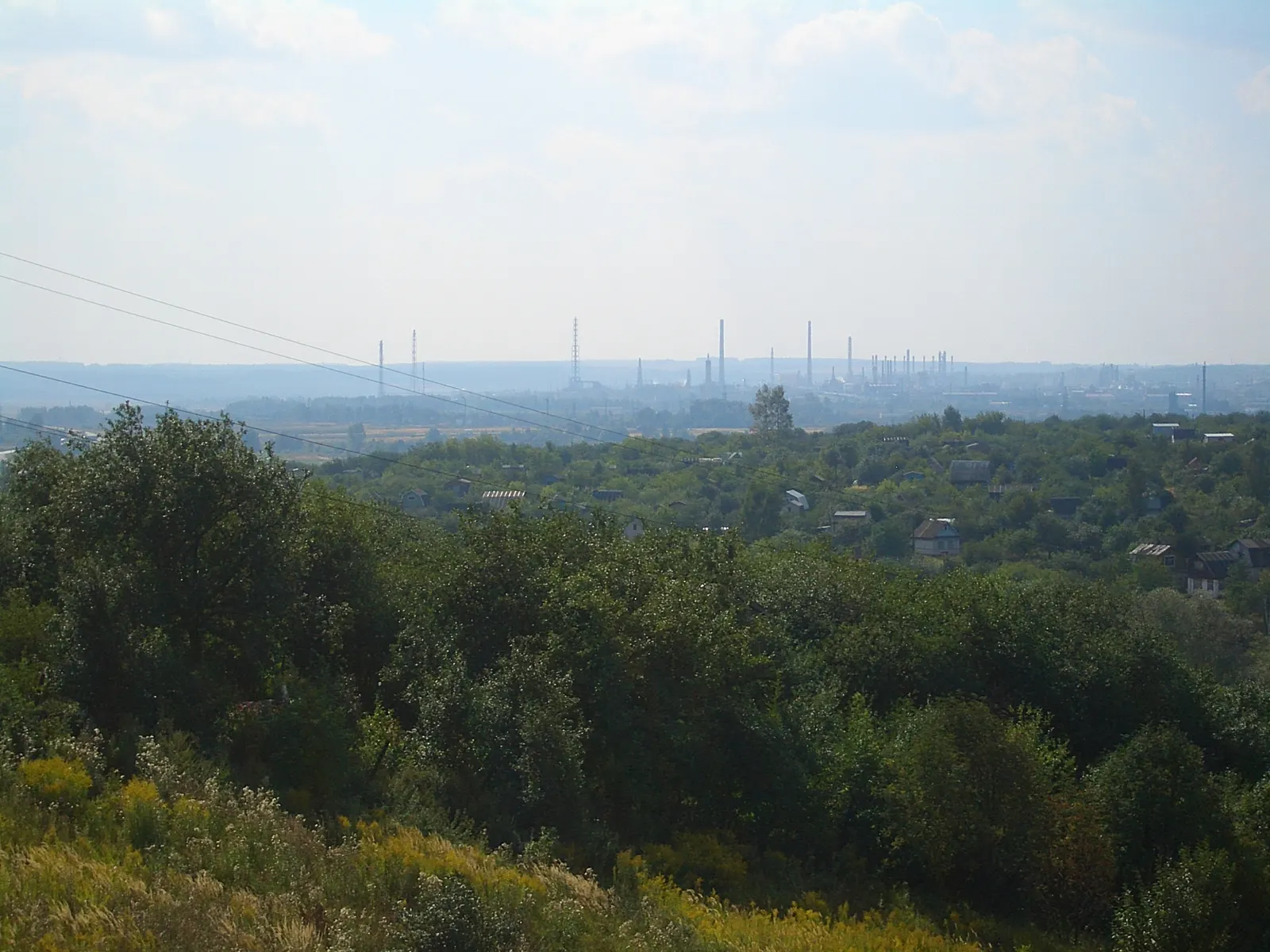
Panorama of Kstovo's industrial area in 2007.
Kstovo industrial area, 29 August 2007. Archive image; it does not show the attack. Vmenkov, CC BY-SA 3.0 https://creativecommons.org/licenses/by-sa/3.0/, unchanged. — Vmenkov / Wikimedia Commons — CC BY-SA 3.0 https://creativecommons.org/licenses/by-sa/3.0/ — 29 août 2007, sans modification.

The governor says more than 100 drones were destroyed and reports no casualties in a preliminary assessment. Those figures remain attributed to Russian authorities. He refers to emergency repairs and possible disruption to heating and hot water.

AFP reports that Russian authorities did not specify the damaged enterprise's activity. War-monitoring channels and Ukrainian media say the Kstovo refinery was hit. These reports must be distinguished from the Russian announcement, which does not name the site.

The sources consulted do not establish the extent of damage to the refinery or its production level after the attack. A complete shutdown has not been confirmed.

Sources 3
Show older developments