
Skip to content
People's Republic of China · United Kingdom
File

Oxford: semiconductors and solar energy

This dossier follows Oxford research into solar-conversion materials, distinguishing experimental findings from industrial applications.

Last updated : 1 key moments

Where things stand

On 28 October 2026, a Nature study describes a mechanism delaying electrical charge loss in bismuth sulfide.

Oxford study explores a material that could limit solar-energy losses

A team led by Oxford reports in Nature on 28 October 2026 that bismuth sulfide combines strong light absorption with delayed electrical charge recombination.
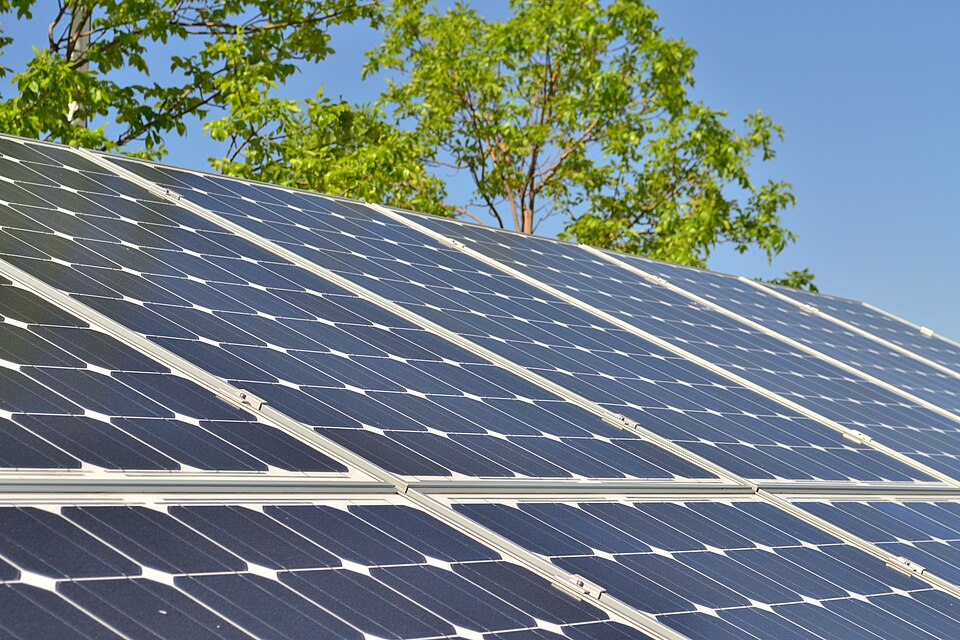
Solar panel photographed in June 2011. Archive illustration; it does not necessarily contain the studied material and does not show the experiment. Raysonho, CC0.
Solar panel photographed in June 2011. Archive illustration; it does not necessarily contain the studied material and does not show the experiment. Raysonho, CC0. — Raysonho @ Open Grid Scheduler / Grid Engine / Wikimedia Commons — CC0 1.0 https://creativecommons.org/publicdomain/zero/1.0/ — 2 juin 2011, redimensionnement.

Researchers examined thin films with laser pulses and modelled their electronic structure. Closely spaced energy states would allow charges to persist longer before cancelling each other out.

The authors say this mechanism could guide the design of better solar materials. However, the study establishes a physical principle: it presents neither a commercial panel nor demonstrated industrial efficiency. Translation into improved solar cells remains to be established.

Sources 2