
Skip to content
Canada · Germany
File

EU–Canada: towards closer association

This dossier follows closer EU–Canada relations, proposed diplomatic formulations and agreements actually concluded.

Last updated : 5 key moments

Where things stand

As of 30 October 2026, the Alliance for the Future is launched, substantive digital trade talks are concluded and Canada joins EuroHPC. A signed EIB framework agreement opens the way to financing Canadian projects, subject to appraisal and approval; no individual loan is established here.

Canada becomes EuroHPC’s 39th participating state

Canada officially joined EuroHPC at the Montreal summit on 30 October 2026, the European joint undertaking announces. Membership opens cooperation on supercomputing, AI resources and quantum computing.
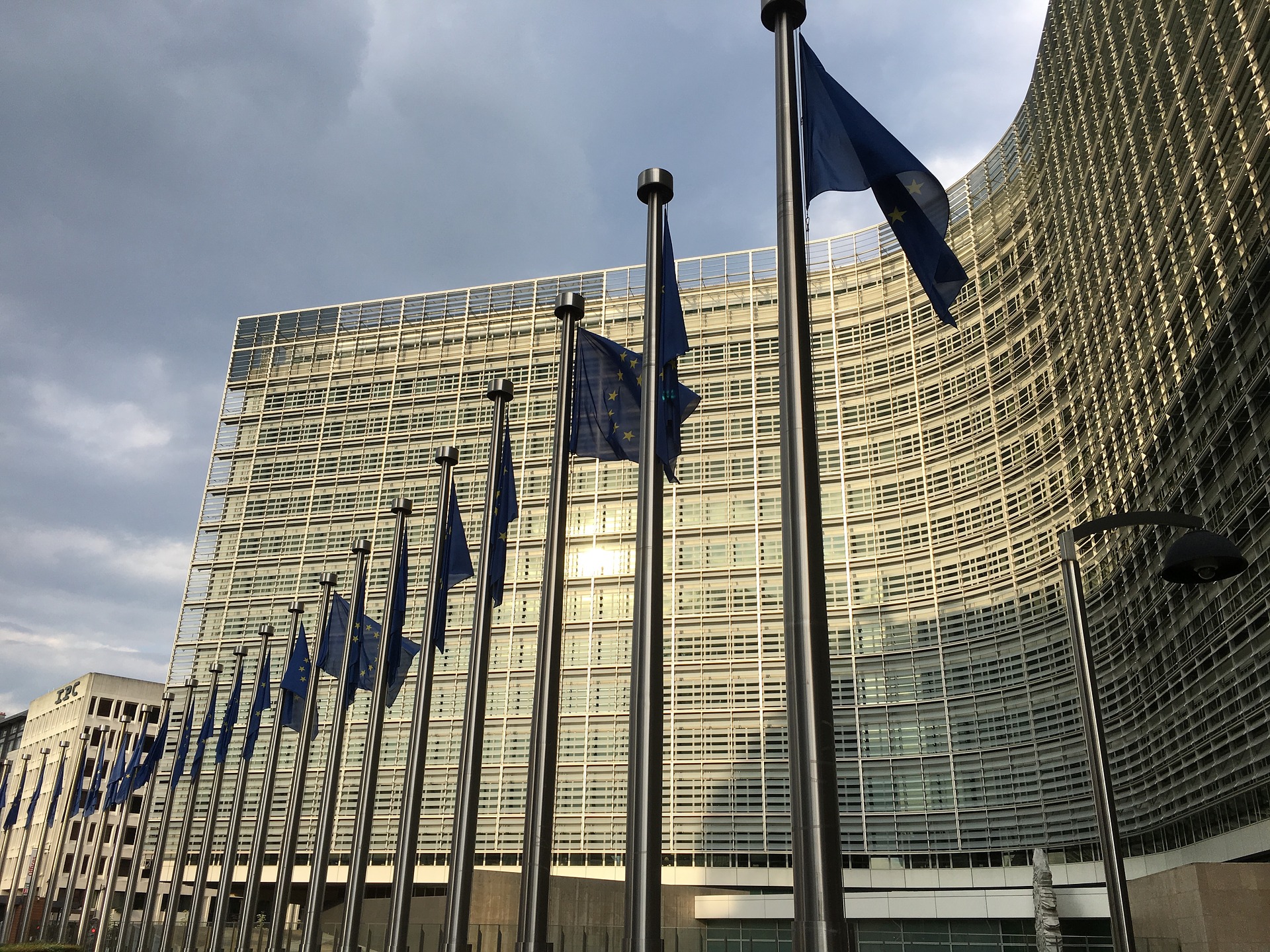
The Berlaymont in Brussels.
Brussels, May 2016. Archive illustration, not a supercomputer. almathias, CC0. — almathias / Pixabay / Wikimedia Commons — CC0 1.0 https://creativecommons.org/publicdomain/zero/1.0/ — 7 mai 2016, sans modification.

Canadian researchers will be able to work with European counterparts and access programme resources through its mechanisms. Membership does not automatically assign computing capacity to every team.

EuroHPC pools funding for infrastructure, software and skills. This step specifies the technological strand of the already announced EU–Canada alliance; the scientific projects actually selected and capacities allocated remain to be documented.

Sources 3

EU and Canadian leaders open talks on a closer alliance in Montreal

Mark Carney, António Costa and Ursula von der Leyen opened their trilateral meeting in Montreal on 30 October 2026 with the aim of building a closer Canada–EU relationship. Their opening statements put AI, critical raw materials and resilient supply chains at the centre of discussions.

Berlaymont in Brussels, May 2016. Archive illustration, not the Montreal summit. almathias, CC0.
Berlaymont in Brussels, May 2016. Archive illustration, not the Montreal summit. almathias, CC0. — almathias / Pixabay / Wikimedia Commons — CC0 1.0 https://creativecommons.org/publicdomain/zero/1.0/ — 7 mai 2016, sans modification.

The official recording shows all three leaders together at the opening. Costa describes an Alliance for the Future, while von der Leyen seeks the closest possible relationship with Canada without full EU membership.

The Canadian schedule lists a signing ceremony at 12:15 Montreal time, followed by a press conference. At the time of this check, before those events, final texts and operating arrangements have not been established. Preparatory announcements on supercomputers therefore do not establish that access is already available.

Sources 4

EU and Canada launch Alliance for the Future in Montreal

The European Union and Canada launched an Alliance for the Future on 30 October 2026 at the close of their Montreal summit. Their joint statement calls for a closer association, short of full EU membership, to be defined by the 2027 summit.

The Berlaymont in Brussels.
The Berlaymont, May 2016. Archive illustration, not the summit. almathias, CC0. — almathias / Pixabay / Wikimedia Commons — CC0 1.0 https://creativecommons.org/publicdomain/zero/1.0/ — 7 mai 2016, sans modification.

The leaders also announced the conclusion of substantive negotiations on a digital trade agreement. This step does not mean the agreement has already entered into force. Planned cooperation also covers AI, high-performance computing and critical raw materials.

The Canadian Press reports that Mark Carney described the initiative as a move towards associate membership. The joint text instead provides for an association whose details remain to be defined. The Canadian political description should therefore be distinguished from the institutional framework actually agreed.

Launching the alliance closes the discussions opened the previous day; it does not yet establish that the announced projects have been implemented.

Sources 3

EIB and Canada sign framework for financing Canadian projects

The European Investment Bank and Canada’s government signed a framework agreement in Montreal on 30 October 2026, paving the way for financing in Canada. Critical raw materials are among the announced initial priorities.

The Berlaymont in Brussels.
Brussels, May 2016. Archive illustration, not a supercomputer. almathias, CC0. — almathias / Pixabay / Wikimedia Commons — CC0 1.0 https://creativecommons.org/publicdomain/zero/1.0/ — 7 mai 2016, sans modification.

The framework allows consideration of loans, guarantees, equity investments and technical assistance. Each operation remains subject to the bank’s normal appraisal and approval procedures.

The agreement therefore provides a legal basis for European investment in Canadian supply chains. It does not automatically approve a mining project or establish that money has already been paid to a specific recipient.

Sources 3

EU–Canada summit draft drops “associate member” wording

Diplomats cited by AFP on 28 October 2026 describe an EU–Canada draft declaration favouring “ever closer association” over “associate member” status. The Montreal summit is scheduled for 29–30 October.

The Berlaymont in Brussels, May 2016. Archive photograph; it does not show the Montreal summit. almathias, CC0.
The Berlaymont in Brussels, May 2016. Archive photograph; it does not show the Montreal summit. almathias, CC0. — almathias / Pixabay / Wikimedia Commons — CC0 1.0 https://creativecommons.org/publicdomain/zero/1.0/ — 7 mai 2016, sans modification.

Germany is among the member states seeking this change of terminology. Brussels and Ottawa still intend to deepen relations, but the proposed institutional framework cannot be treated as an already adopted status.

The Canadian Press also reports that the alliance’s next steps are to be finalised during the summit. The wording described therefore belongs to a preparatory document: the final declaration and agreements actually concluded remain to be checked after the meetings.

Sources 3

EU–Canada: towards closer association · Moojaz