
Skip to content
Morocco
File

Transparency Maroc and anti-corruption commitments

This dossier follows Transparency Maroc’s demands concerning government anti-corruption commitments and documented official responses.

Last updated : 2 key moments

Where things stand

In a statement dated 28 October 2026, Transparency Maroc urges the government to turn its anti-corruption commitments into concrete reforms.

Ouahbi pledges bills on illicit enrichment and conflicts of interest

Speaking in Morocco’s House of Representatives on 2 November 2026, Justice Minister Abdellatif Ouahbi pledged legislation on illicit enrichment, conflicts of interest and money laundering. He stressed the need to safeguard fair-trial rights.
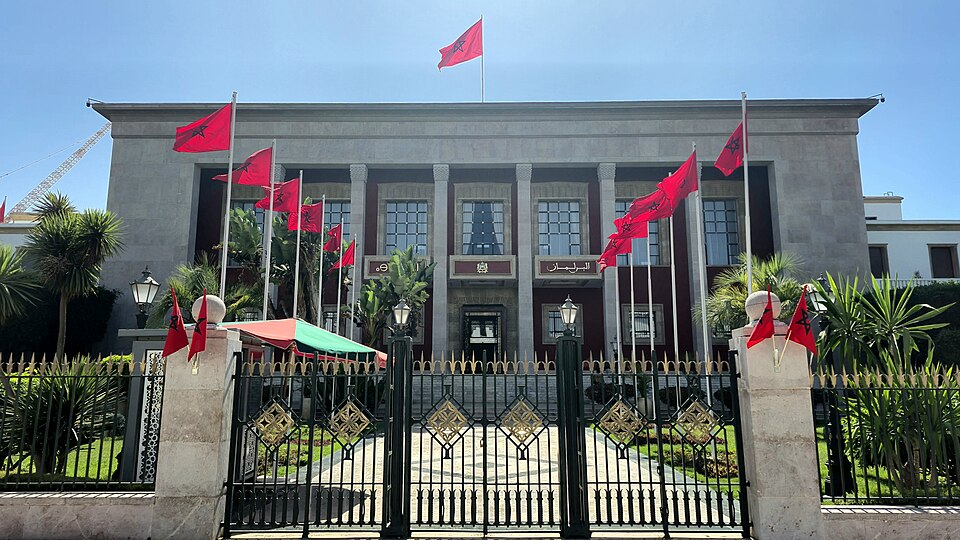
Parliament in Rabat.
Parliament, August 2025. Illustrative archive, not the 2 November sitting. Taha ahh / Wikimedia Commons, CC0. — Taha ahh / Wikimedia Commons — CC0 1.0 https://creativecommons.org/publicdomain/zero/1.0/ — photo du 8 août 2025, redimensionnement uniquement.

According to reports by Hespress and Sawt Al Maghrib, the minister also raised the possibility of a separate anti-corruption code with a dedicated procedure. This remains an option under government discussion; the reports do not provide final legislative provisions.

Lawmakers called for rules on asset declarations and protection for people reporting corruption. Ouahbi emphasised the presumption of innocence and the risk of abuses of power. These announcements establish neither the documented tabling of bills nor their parliamentary adoption.

Sources 2

Transparency Maroc seeks a timetable for anti-corruption laws

In a statement dated 28 October 2026, Transparency Maroc urges the government to turn its anti-corruption commitments into concrete reforms.

Morocco’s Parliament in Rabat.
Parliament in Rabat, August 2025. Archive illustration. Taha ahh, CC0. — Taha ahh / Wikimedia Commons — CC0 1.0 https://creativecommons.org/publicdomain/zero/1.0/ — photo du 8 août 2025, redimensionnement uniquement.

The association welcomes the announced direction but seeks legislation on illicit enrichment, conflicts of interest, asset declarations and whistleblower protection. It wants assigned responsibilities, deadlines and measurable results.

It also calls for repeal of amendments to articles 3 and 7 of the criminal procedure code, which it considers restrictive of civil society’s ability to report offences involving public funds. That assessment is the association’s position. The statement calls for reform and does not establish that these laws have been adopted.

Sources 3