
Skip to content
Germany · France · South Africa
File

Florisbad: research into early human environments

This dossier follows research on Florisbad’s ancient landscapes and proposed links with human behaviour.

Last updated : 1 key moments

Where things stand

A study published on 30 October 2026 by a team including CNRS and Kiel University reconstructs environments from around 200,000 years ago.

French and German researchers reconstruct early human landscapes at Florisbad

An international team including CNRS and Kiel University researchers published a study on 30 October 2026 of ancient environments at Florisbad and Lombard’s Drift in South Africa. The authors describe ecosystems around 200,000 years ago with no present-day equivalent in the region.
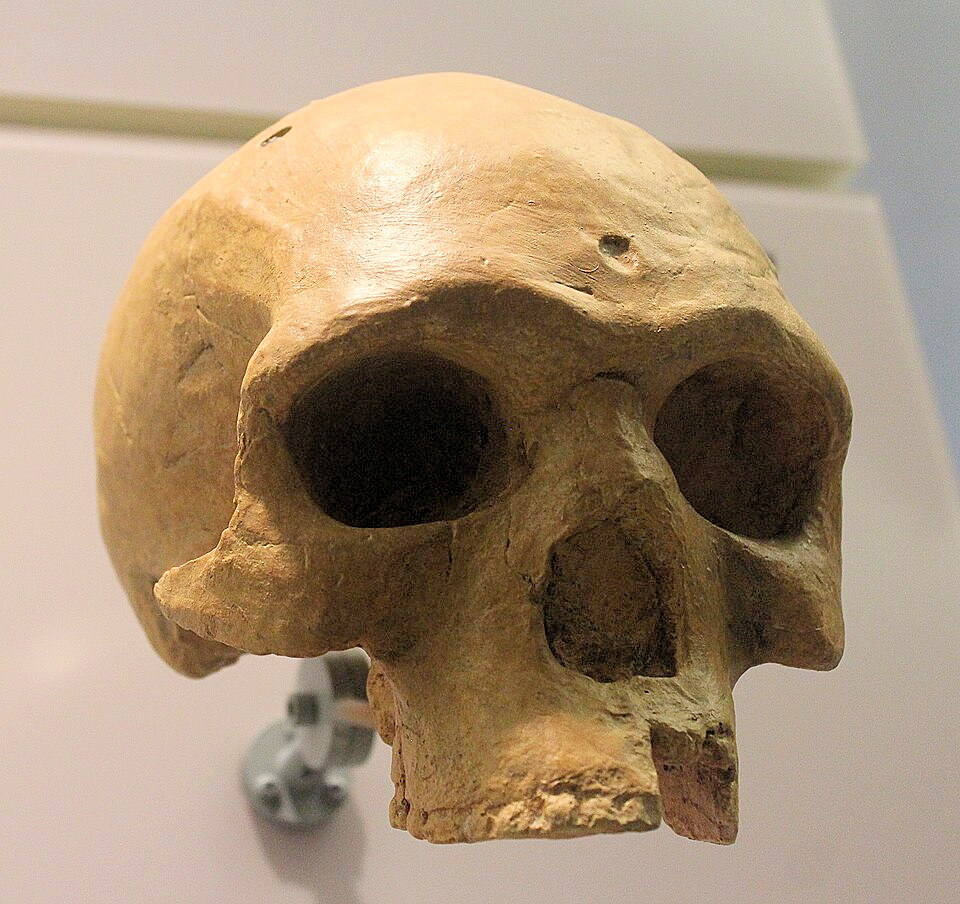
Cast of the Florisbad skull displayed at the Smithsonian, July 2024. Archive photograph, not the sediment analyses. Jonathan Chen / Gerbil version, CC BY-SA 4.0.
Cast of the Florisbad skull displayed at the Smithsonian, July 2024. Archive photograph, not the sediment analyses. Jonathan Chen / Gerbil version, CC BY-SA 4.0. — Jonathan Chen, version Gerbil / Wikimedia Commons — CC BY-SA 4.0 https://creativecommons.org/licenses/by-sa/4.0/ — photo du 31 juillet 2024, ombres atténuées dans la version existante de 2025, sans nouvelle modification.

The study in Communications Earth & Environment combines chemical markers preserved in sediments with luminescence dating. Researchers compare these records with stone tools and animal remains.

They suggest that changing resources may have influenced toolmaking and tool reuse. This is an archaeological interpretation based on several indicators, rather than direct observation of behaviour. The CNRS release describes the same research and is not an independent replication.

Sources 2