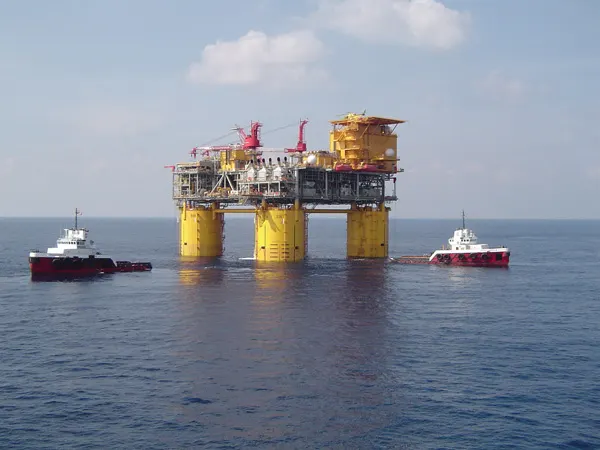
Magnolia platform, Gulf of Mexico. Generic oil-sector archive; does not show the Middle East Gulf. NOAA, public domain; unmodified. — NOAA / Wikimedia Commons — Public domain; archival Magnolia platform, Gulf of Mexico; unmodified.
Where things stand
At 04:28 UTC on 12 November 2026, Gulf News quotes January Brent at US$91.22 and December WTI at US$85.26 intraday. These are not closing prices.
Brent falls towards US$91 intraday amid recovering regional supply
January Brent was quoted at US$91.22 a barrel at 04:28 UTC on 12 November 2026, down 1.54%, according to Gulf News. December WTI fell 1.5% to US$85.26.
Magnolia platform, Gulf of Mexico. Generic oil-sector archive; does not show the Middle East Gulf. NOAA, public domain; unmodified. — NOAA / Wikimedia Commons — Public domain; archival Magnolia platform, Gulf of Mexico; unmodified.
The report links the decline to higher Middle East production and less intense hostilities between Iran and the United States. This is market analysis, rather than proof of a single cause for trading.
The Financial Times series subsequently quoted Brent at US$91.79 at 05:22 GMT. The observations have different timestamps and should not be presented as contradictory or as closing prices.
Falling prices alone do not establish that all Gulf export routes have returned to normal. The quoted prices are intraday snapshots.
Oil rebounds in Asia, Brent at $92.20 in early trading
Oil futures rose in early Asian trading on 11 November 2026. At 01:19 UTC, Reuters quoted Brent at $92.20 a barrel, up 0.78%, and WTI at $86.53, up 0.57%.
South Pars, 2017. Energy-sector archive illustration; does not show Hormuz. Dana Energy, CC BY-SA 4.0; unmodified. — Dana Energy / Wikimedia Commons — CC BY-SA 4.0 https://creativecommons.org/licenses/by-sa/4.0/ ; 1 October 2017; unmodified.
The rebound followed two-month lows reached in the previous session. Reuters described a market weighing hopes of de-escalation with Iran against risks to ships in the Strait of Hormuz.
These quotations are an intraday snapshot and should not be read as the 11 November closing prices. The Arabic and English reports consulted carry the same Reuters update; they do not represent two independent price observations.
Oil falls on Monday amid diplomatic expectations over Iran
Brent traded at $97.67 a barrel and WTI at $90.51 in Reuters’ market report for 9 November 2026. Prices fell after Donald Trump’s conditional remarks about the likelihood of fresh strikes against Iran.
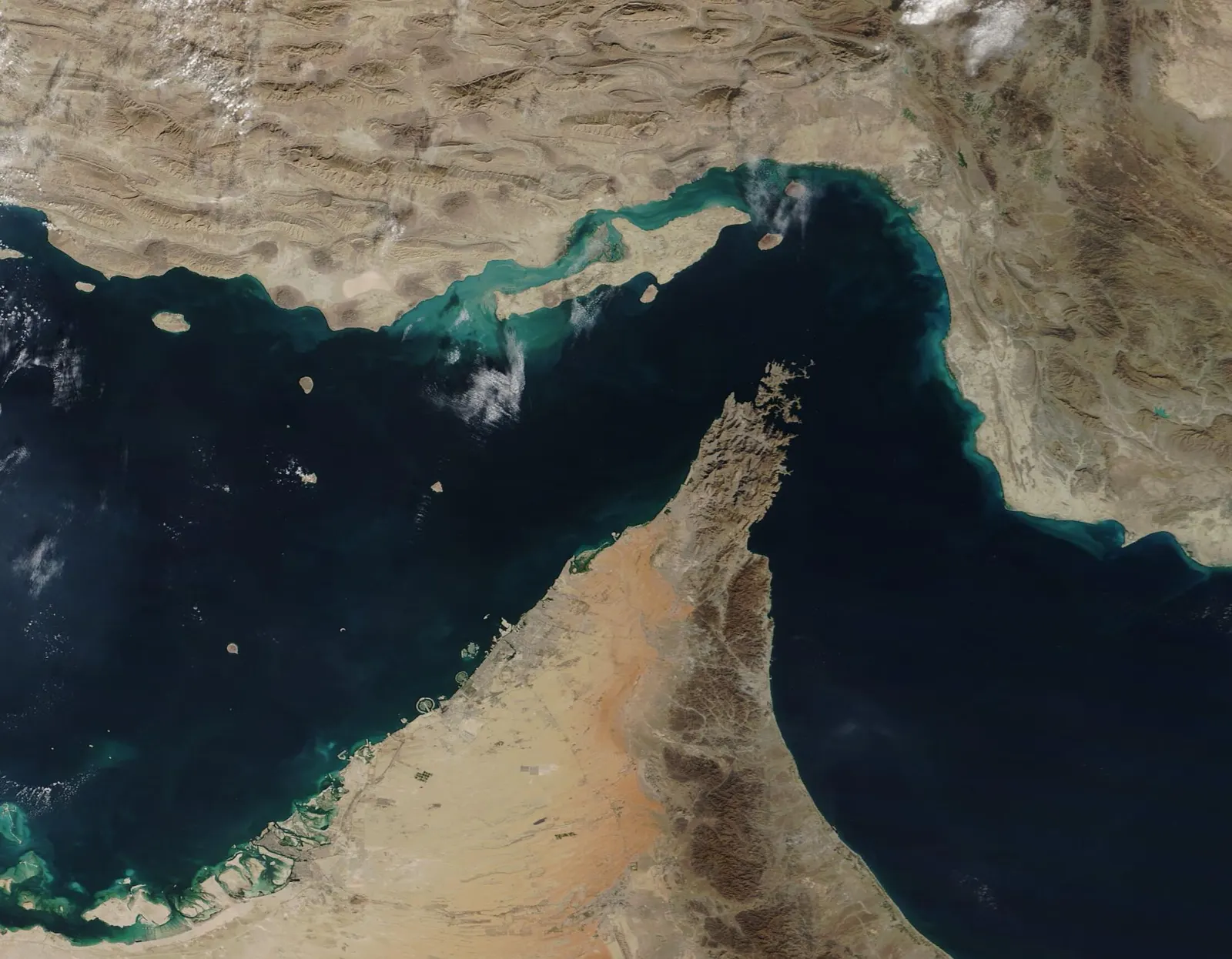
2 December 2020 archive image; geographic illustration, not current traffic. NASA GSFC, public domain; unmodified. — MODIS Land Rapid Response Team / NASA GSFC — Public domain. Acquired 2 December 2020; unmodified.
Reuters put the decline at 64 cents for Brent and 35 cents for WTI. These intraday quotations are not Monday’s settlement prices. Brent briefly lost more than a dollar, the agency reported.
In Trump’s remarks, avoiding further attacks depends on progress in talks and the strength of an agreement. The price decline represents a market reaction described by the agency, without establishing that an agreement has been signed or maritime disruptions have ended.
Brent falls below $93 during a sharper intraday sell-off
Oil prices extended their decline on 9 November 2026 beyond the limited losses seen earlier in the day. Al Jazeera cited Brent at $92.17 a barrel, down 6.26%, in an intraday quotation.
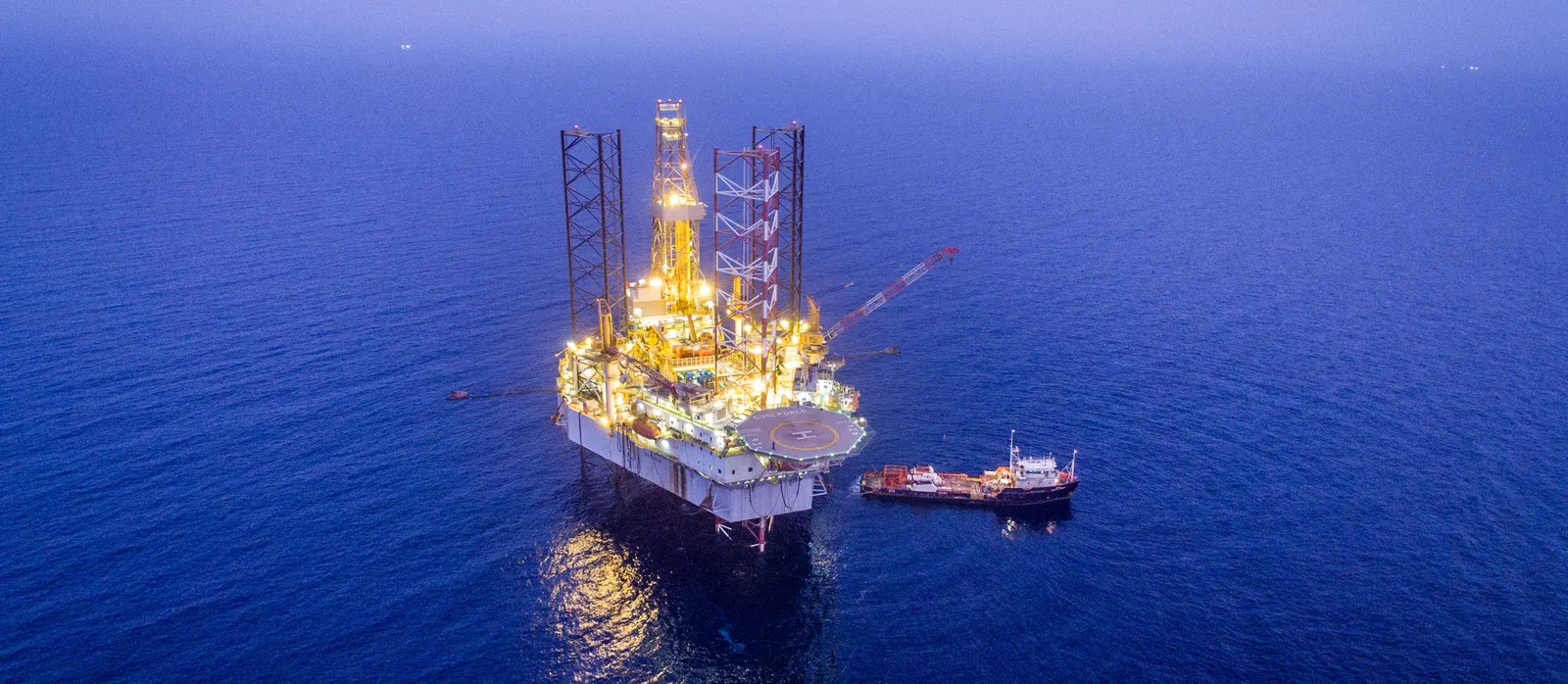
Magnolia platform, Gulf of Mexico. Generic offshore archive, not PEL82 or the rigs planned for Kuwait. NOAA, public domain; unmodified. — NOAA / Wikimedia Commons — Public domain; archival Magnolia platform, Gulf of Mexico; unmodified.
That snapshot uses Oilprice data cited by the broadcaster. At a different point, The National reported Brent at $92.77 and WTI at $86.87 at 1am on 10 November in the UAE, or 21:00 UTC on 9 November. These separate snapshots should not be presented as a single settlement price.
The National links the fall to reduced expectations of fresh US strikes against Iran and diplomatic hopes. That market interpretation does not establish a political agreement or the removal of supply risks in the Strait of Hormuz.
Brent rebounds towards $100 as maritime risks persist
January Brent gained 1.31% to $99.58 a barrel at 05:04 GMT on 6 November 2026, Reuters reported. WTI rose 0.95% to $91.38.
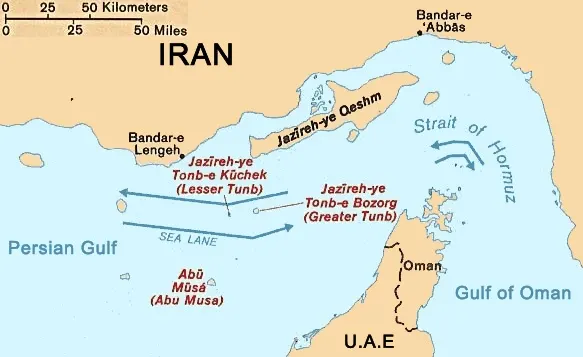
Archive map for geographic illustration; does not depict the attacks. Pascal / CIA, public domain. — Pascal / Wikimedia Commons, carte dérivée CIA 1980, domaine public ; sans modification.
Both contracts were rising for a second session after their sharp midweek losses. Reuters linked the recovery to supply concerns following fresh reported tanker attacks in the Gulf.
Prospects of de-escalation remain market expectations. They establish neither an agreement between Washington and Tehran nor a return to normal maritime traffic.
Oil: Brent finishes Friday at $98.32, WTI at $90.83
Brent for January delivery settled on 6 November 2026 at $98.32 a barrel, while December WTI settled at $90.83, according to Bloomberg and EnergyNow. Both contracts rose slightly from the previous day despite a sharply lower week.
Geographic illustration; does not show current shipping. Pascal / CIA and Wikimedia contributors, public domain; unmodified. — Pascal / Wikimedia Commons, carte dérivée CIA 1980, domaine public ; sans modification.
Brent gained three cents, or 0.03%, while WTI added 31 cents, approximately 0.34%. These are settlement prices for the specified contracts, not live Saturday 7 November quotations.
Bloomberg reports that traders weighed prospects for Washington–Tehran negotiations against recovering Gulf crude exports and continuing risks to vessels. Diplomatic expectations are interpretations of market conditions: the oil settlement does not demonstrate either an agreement or a return to normal maritime traffic.