
Skip to content
Islamic Republic of Iran · Saudi Arabia
File

Oil: prices and Middle East supply risks

Published Updated

This dossier follows oil prices and supply risks linked to the Middle East, identifying contracts and comparison periods.

Latest event : 4 key moments

Where things stand

At the 6 November 2026 settlement, January Brent stood at $98.32 a barrel and December WTI at $90.83. These settlements supersede the morning market snapshot; diplomatic expectations do not demonstrate normal Gulf shipping.

Brent rebounds towards $100 as maritime risks persist

January Brent gained 1.31% to $99.58 a barrel at 05:04 GMT on 6 November 2026, Reuters reported. WTI rose 0.95% to $91.38.
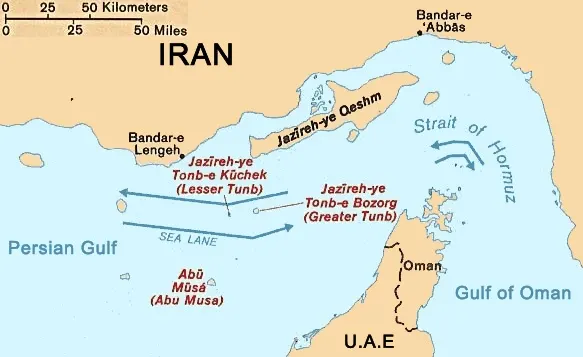
Map of the Strait of Hormuz.
Archive map for geographic illustration; does not depict the attacks. Pascal / CIA, public domain. — Pascal / Wikimedia Commons, carte dérivée CIA 1980, domaine public ; sans modification.

Both contracts were rising for a second session after their sharp midweek losses. Reuters linked the recovery to supply concerns following fresh reported tanker attacks in the Gulf.

Prospects of de-escalation remain market expectations. They establish neither an agreement between Washington and Tehran nor a return to normal maritime traffic.
Sources 2

Oil: Brent finishes Friday at $98.32, WTI at $90.83

Brent for January delivery settled on 6 November 2026 at $98.32 a barrel, while December WTI settled at $90.83, according to Bloomberg and EnergyNow. Both contracts rose slightly from the previous day despite a sharply lower week.

Archive map of the Strait of Hormuz.
Geographic illustration; does not show current shipping. Pascal / CIA and Wikimedia contributors, public domain; unmodified. — Pascal / Wikimedia Commons, carte dérivée CIA 1980, domaine public ; sans modification.

Brent gained three cents, or 0.03%, while WTI added 31 cents, approximately 0.34%. These are settlement prices for the specified contracts, not live Saturday 7 November quotations.

Bloomberg reports that traders weighed prospects for Washington–Tehran negotiations against recovering Gulf crude exports and continuing risks to vessels. Diplomatic expectations are interpretations of market conditions: the oil settlement does not demonstrate either an agreement or a return to normal maritime traffic.

Sources 3

Brent falls 8.7% at settlement amid hopes of Iran de-escalation

Brent ended the 4 November 2026 session at $94.62 a barrel, down 8.7%, while WTI fell 8.3% to $88.12. Reuters and CNN describe a sharp reaction to US political prospects and the conflict with Iran.

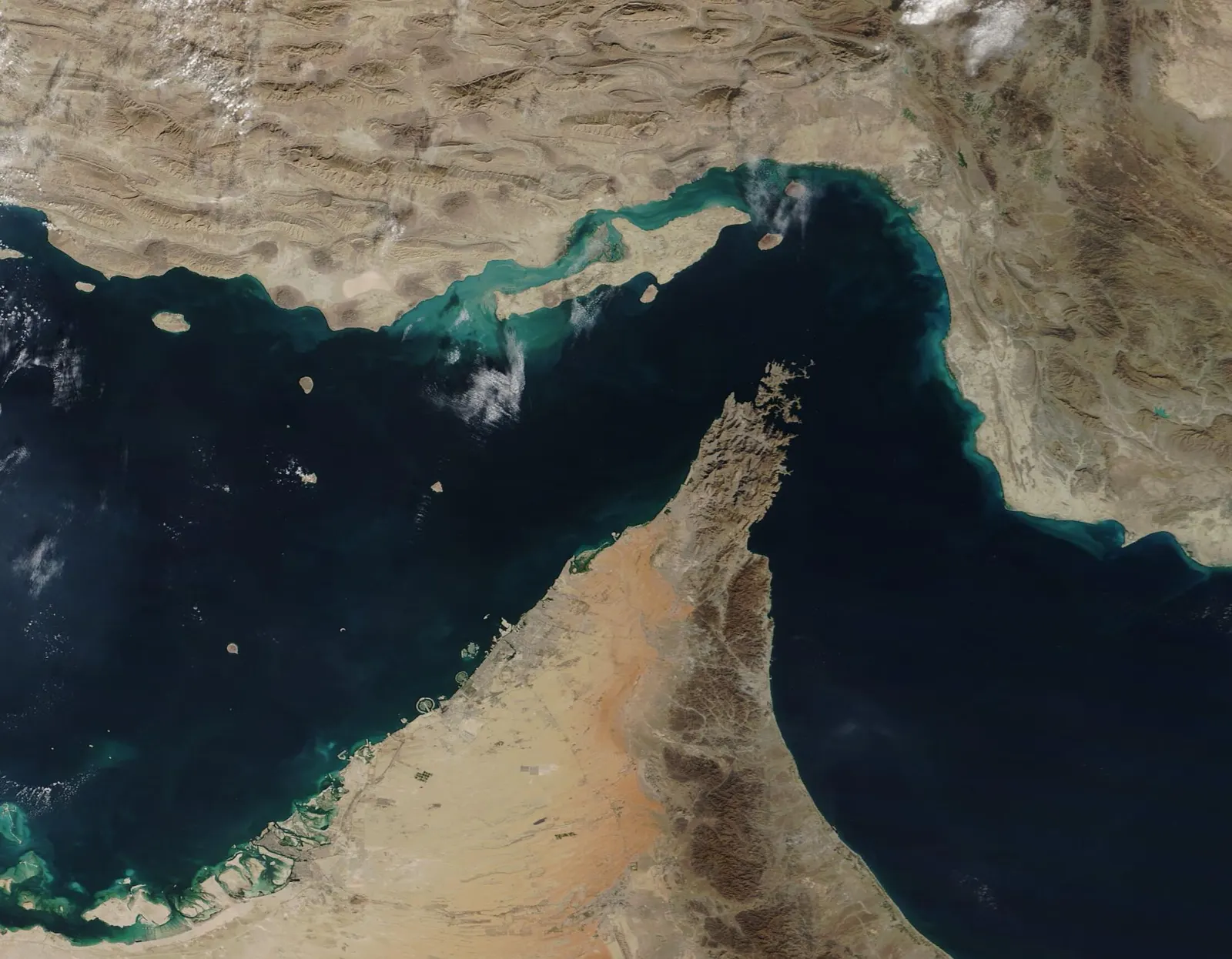
Strait of Hormuz, December 2020. Archive illustration; does not show the trading session. NASA GSFC, public domain.
Strait of Hormuz, December 2020. Archive illustration; does not show the trading session. NASA GSFC, public domain. — MODIS Land Rapid Response Team / NASA GSFC — Public domain. Acquired 2 December 2020; unmodified.

The losses amount to $8.98 for Brent and $7.97 for WTI. These are settlement figures for November 4 and should not be presented as live November 5 quotations.

Reuters links the selling to investors' expectations that US election results could increase pressure for an end to the war. This market interpretation does not establish that a peace agreement has been concluded or that supply risks in the Strait of Hormuz have disappeared.

Sources 3

Oil gains more than 2% amid Middle East supply concerns

Oil futures finished 30 October 2026 more than 2% higher. December Brent settled at $117.64 a barrel and WTI at $104.12, according to market reports, against a backdrop of concerns about Middle East supplies.

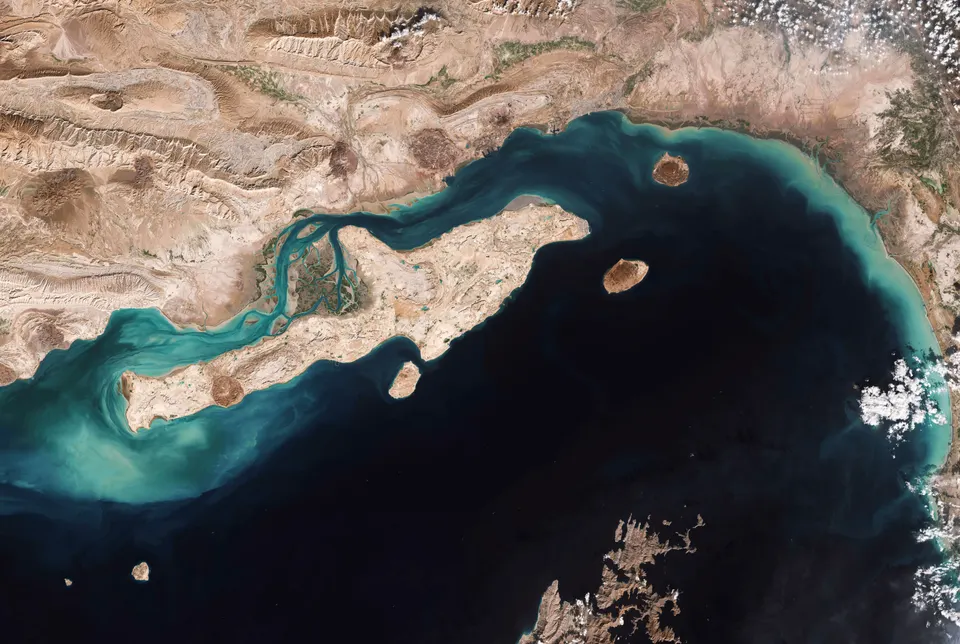
Hormuz: satellite image published in 2021 using 2020 data, with some clouds removed. Illustration; no October 2026 incident is shown.
Hormuz: satellite image published in 2021 using 2020 data, with some clouds removed. Illustration; no October 2026 incident is shown. — ESA / Wikimedia Commons — CC BY-SA 3.0 IGO https://creativecommons.org/licenses/by-sa/3.0/igo/ ; Contains modified Copernicus Sentinel data 2020 ; suppression de nuages préexistante, taille réduite.

The daily gains were 2.40% for December Brent and 2.08% for WTI. The December Brent contract was expiring; the more actively traded January contract finished at $113.43, up $2.63. These quotes concern two different delivery months.

EnergyNow and PFL associate the rise with risks around Hormuz and fears of renewed escalation involving Iran. This market interpretation does not quantify an additional interruption to deliveries: prices and physical damage must be distinguished.

Sources 4