
Reported information
Aditya-L1 sheds light on asymmetric solar-eruption expansion
India’s science ministry and ISRO presented a study on 3 November 2026 using Aditya-L1 to reconstruct the asymmetric expansion of a coronal mass ejection. The announcement concerns analysis of observations from 5 August 2024, rather than a new eruption.
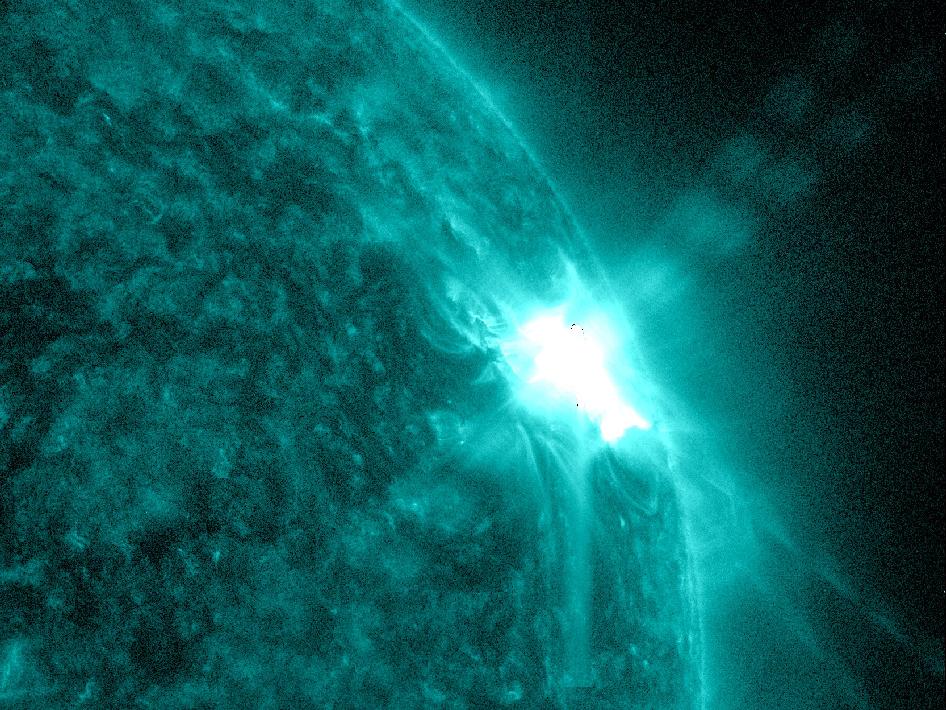
The Indian Institute of Astrophysics team combined VELC spectroscopy, images from NASA’s SDO observatory and a three-dimensional model. Uniform expansion did not reproduce the measured signatures, whereas uneven lateral expansion with a tilted axis did.
The study appears in The Astrophysical Journal Letters. Researchers intend to apply the method to other ejections. It could assist space-weather research, but an operational forecasting improvement has not been established.