
England announces multi-cancer blood-test trial for more than 20,000 patients
The UK government announced the launch of STRIDE-RCT on 4 November 2026, a trial of blood tests intended to identify several cancers in patients with abdominal symptoms. More than 20,000 people are expected to participate across at least 200 GP practices in England.
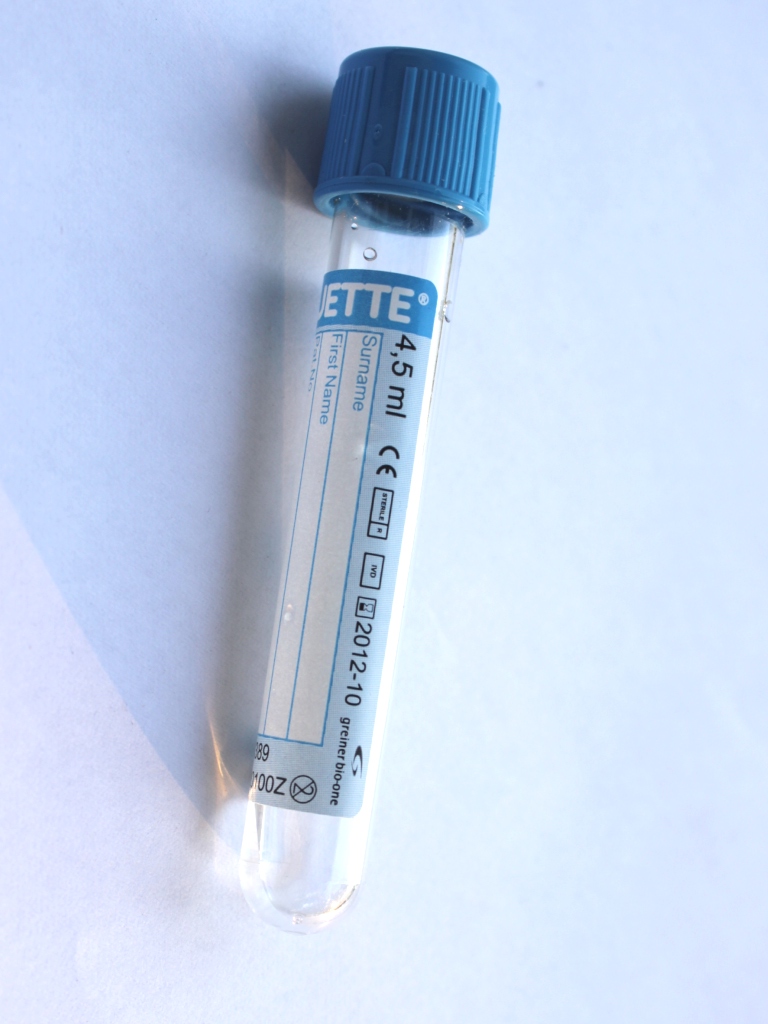
The study targets people aged 45 or over consulting for symptoms such as persistent pain or bloating. The tests look for cancer-related signals, including blood markers assessed using different technologies, among them artificial intelligence.
The University of Birmingham says the trial will receive up to £8.49 million in public funding. Blood sampling is intended to complement routine investigations and the doctor’s judgement when deciding on further tests.
A positive result does not by itself constitute a cancer diagnosis. The purpose is to establish whether these tools are useful enough to consider wider NHS deployment; no clinical benefit from this trial has yet been established.