
Skip to content
India
File

Delhi: air pollution and restrictions

Published Updated

This dossier follows air pollution in the Delhi region and measures to reduce emissions, distinguishing measured indices from observed effects of restrictions.

Latest event : 2 key moments

Where things stand

On the morning of 9 November 2026, smog persists; ITO records 406 at 4:20 a.m. and Delhi's average is 366 at 6 a.m. GRAP Stage III remains in force.

Post-Diwali smog persists in Delhi as ITO air-quality index reaches 406

Several Delhi neighbourhoods recorded air quality in the severe category on the morning of 9 November 2026 after Diwali celebrations. The ITO station's index reached 406 at 4:20 a.m., according to CPCB data reported by ANI.
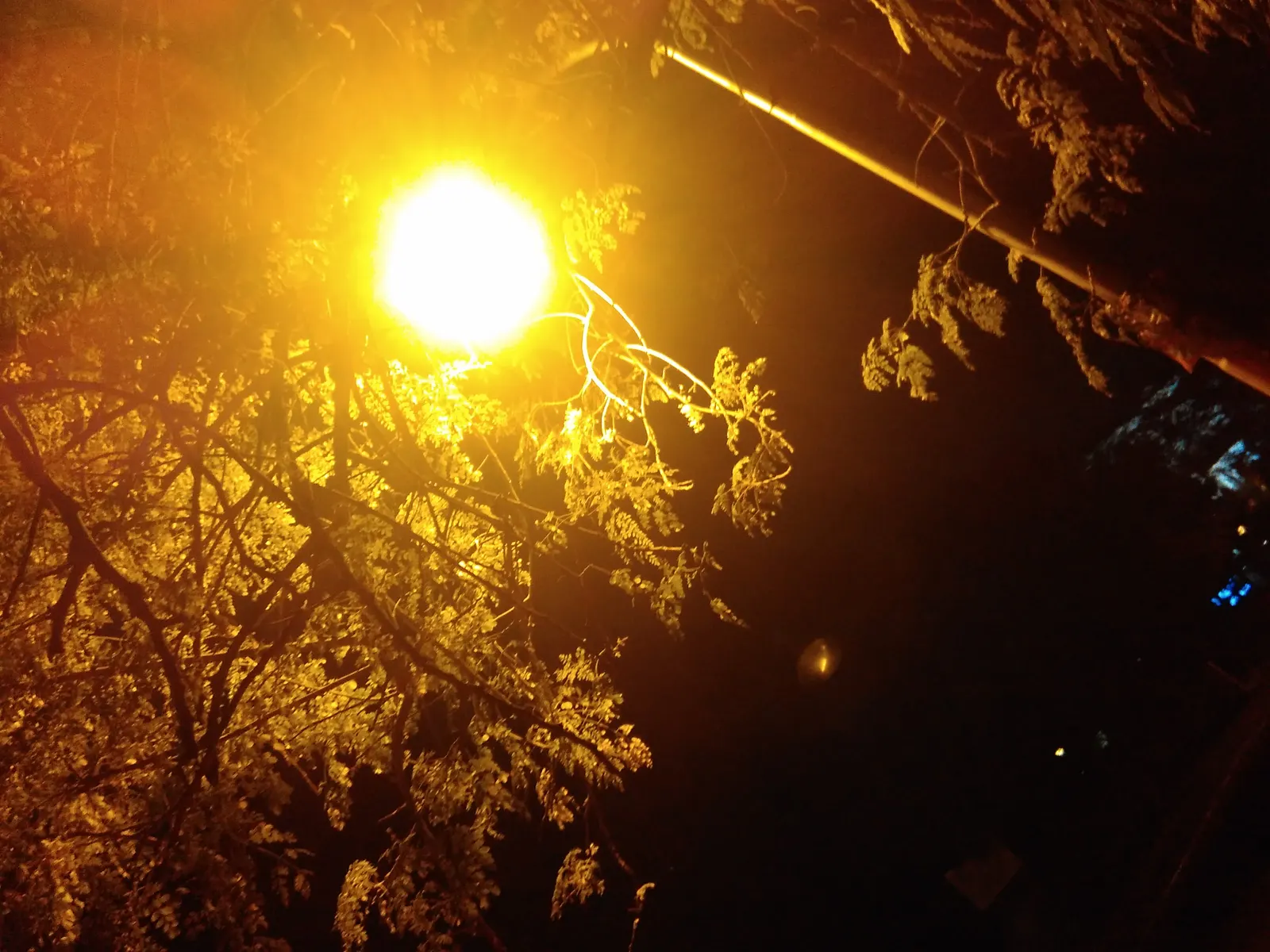
Night-time smog in Delhi in 2016.
11 November 2016 archive; not the 2026 episode. AnkClix, CC BY-SA 4.0 https://creativecommons.org/licenses/by-sa/4.0/ ; unmodified. — AnkClix / Wikimedia Commons — CC BY-SA 4.0 https://creativecommons.org/licenses/by-sa/4.0/ ; 11 November 2016; unmodified.

The citywide average was 366 at 6 a.m., in the very poor category, according to Hindi-language reports. That overall index should be distinguished from higher readings at individual stations: figures depend on location and observation time.

Thick smog was observed across the capital. Stage III restrictions under the GRAP pollution plan, activated on 6 November, remain in force. These measures and high local readings describe the observed situation but do not by themselves establish the precise share of pollution caused by fireworks.

Sources 3

Delhi-NCR activates Stage III pollution restrictions

The Commission for Air Quality Management activated Stage III of the GRAP response plan across Delhi-NCR on 6 November 2026. The decision tightens restrictions as air quality deteriorates ahead of Diwali.

Night-time smog in Delhi.
Delhi, 11 November 2016. Archive image; not the 2026 episode. AnkClix, CC BY-SA 4.0 https://creativecommons.org/licenses/by-sa/4.0/ ; unmodified. — AnkClix / Wikimedia Commons — CC BY-SA 4.0 https://creativecommons.org/licenses/by-sa/4.0/ ; 11 November 2016; unmodified.

The Indian Express reports a 24-hour average air quality index of 382, in the “very poor” category and close to the threshold of 400 for “severe” air quality. That regional measure should be distinguished from individual monitoring stations’ readings.

The response includes restrictions on construction and certain vehicles, as well as hybrid schooling arrangements through Class 5. It aims to curb emissions across the capital region; activating it does not yet demonstrate an improvement in air quality.

Sources 2