Morocco · Algeria · Germany · Spain · France · United Kingdom · Mauritania · United States of America · Ecuador · Russian Federation · Sierra Leone
File
Moroccan Sahara: from the roots of the conflict to the 2026 negotiations
Published Updated
This dossier traces the origins and transformation of the Moroccan Sahara conflict: historical ties and allegiances, Spanish colonial rule from 1884, decolonisation, war, the referendum process, the autonomy proposal and diplomacy through 17 October 2026. It also covers populations, Hassani culture, Tindouf refugees, prisoners and missing persons, human rights, resources and trade agreements.
Morocco claims the territory on grounds of territorial integrity and historical ties; the Polisario Front seeks independence through self-determination, with Algerian support. Mauritania withdrew from the territorial conflict in 1979 but remains involved through neighbourhood interests and negotiations. Morocco administers the principal cities and Atlantic coast; the military berm is not an agreed international border. The dossier distinguishes effective control, sovereignty claims, bilateral recognition and status in international institutions.
In 1975, the ICJ recognised allegiance ties with certain tribes without finding territorial sovereignty that would exclude self-determination. The settlement plan accepted in 1988 and MINURSO established in 1991 did not deliver the planned referendum. The Baker initiatives and Morocco’s 2007 autonomy plan shifted negotiations towards institutions, safeguards and consent. US, Spanish, French and British positions use different wording and should not be counted as identical acts.
Sources accompany each milestone. “Moroccan Sahara” is the editorial designation; UN and court documents generally use “Western Sahara.” Their substantive qualifications are preserved. No map is used. Day-level dates do not imply a known time of day.
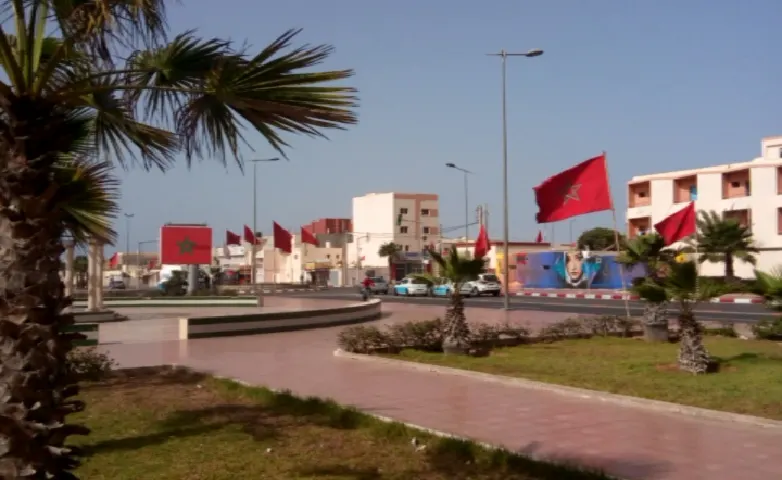
Dakhla, Moroccan Sahara, 5 September 2016. Illustrative view, no map. hamza / Hamiz11, CC BY-SA 4.0. — hamza / Hamiz11 — Wikimedia Commons — CC BY-SA 4.0, https://creativecommons.org/licenses/by-sa/4.0/ — photographie non modifiée
Where things stand
As of 11 November 2026, General Assembly reports describe support for autonomy, including from Togo, Liberia and Senegal, alongside differences over self-determination and MINURSO’s withdrawal. No new settlement agreement is established.
Viewpoints
Attributed and documented positions
Where do positions converge and diverge in seeking a settlement?
Common facts
UN texts seek a lasting, mutually acceptable political solution. Resolution 2797 gives Morocco’s autonomy proposal a central place. Sources establish no final agreement.
Main disagreement
Disagreement concerns sovereignty, the choices offered to the population and implementation guarantees. Algeria disputes being a party to the conflict; Morocco stresses its role. Protection of people remains a requirement distinct from status.
View detailed positionsHide detailed positions6
Kingdom of Morocco
summary
Morocco proposes negotiated autonomy under its sovereignty, with regional institutions and retention of sovereign state powers. The 2007 text provides consultation on the negotiated statute, not independence as an option. Rabat links this position to territorial integrity.
The Security Council supports negotiations based on Morocco’s autonomy proposal, without preconditions, towards a mutually acceptable solution providing for self-determination. It identifies genuine autonomy as a possible outcome and welcomes constructive suggestions. It does not find that a final agreement exists.
Mauritania describes its position in the UN report as positive neutrality and support for the political process. Its 1979 withdrawal distinguishes this from its former territorial claim. Border security and neighbourhood stability are direct interests.
HRW calls for safeguards for free and genuine choice, return and reparations. It says it takes no position on independence. Its criticism concerns rights and process safeguards; it is neither a court judgment nor the voice of every Sahrawi.
In positions recorded by the UN, Polisario demands that Sahrawis decide territorial status with independence among the options. It rejects fixing Moroccan sovereignty before that choice. Its willingness to talk does not establish acceptance of Rabat’s proposed outcome.
Algeria supports Polisario and self-determination while telling the UN envoy it does not consider itself a party to the conflict. It supports direct Morocco–Polisario talks with neighbouring states present. Participation does not resolve disagreement over its formal role.
Moroccan Sahara: Togo, Liberia and Senegal back autonomy at the UN
Togo, Liberia and Senegal defended Morocco’s autonomy initiative before the General Assembly on 11 November 2026, according to MAP and a Spanish account of the session.
Dakhla, 2016. Archive illustration, not the UN session. hamza / Hamiz11, CC BY-SA 4.0 https://creativecommons.org/licenses/by-sa/4.0/ ; unmodified. — hamza / Hamiz11 — Wikimedia Commons — CC BY-SA 4.0, https://creativecommons.org/licenses/by-sa/4.0/ — photographie non modifiée
Liberia explained its support for the US draft and said the end of the UN mission should not end international engagement. Senegal regretted the use of the veto and called for Security Council reform.
Differences remain: Angola warned about the security consequences of MINURSO’s departure and defended self-determination. These interventions express diplomatic positions; they do not establish a new agreement on the Moroccan Sahara.
Moroccan Sahara: SMACO warns of consequences of halted mine clearance
In a statement issued on the evening of 11 November and relayed by APS on 12 November 2026, SMACO warned of humanitarian consequences from the cessation of MINURSO-related mine-clearance operations in the Moroccan Sahara.
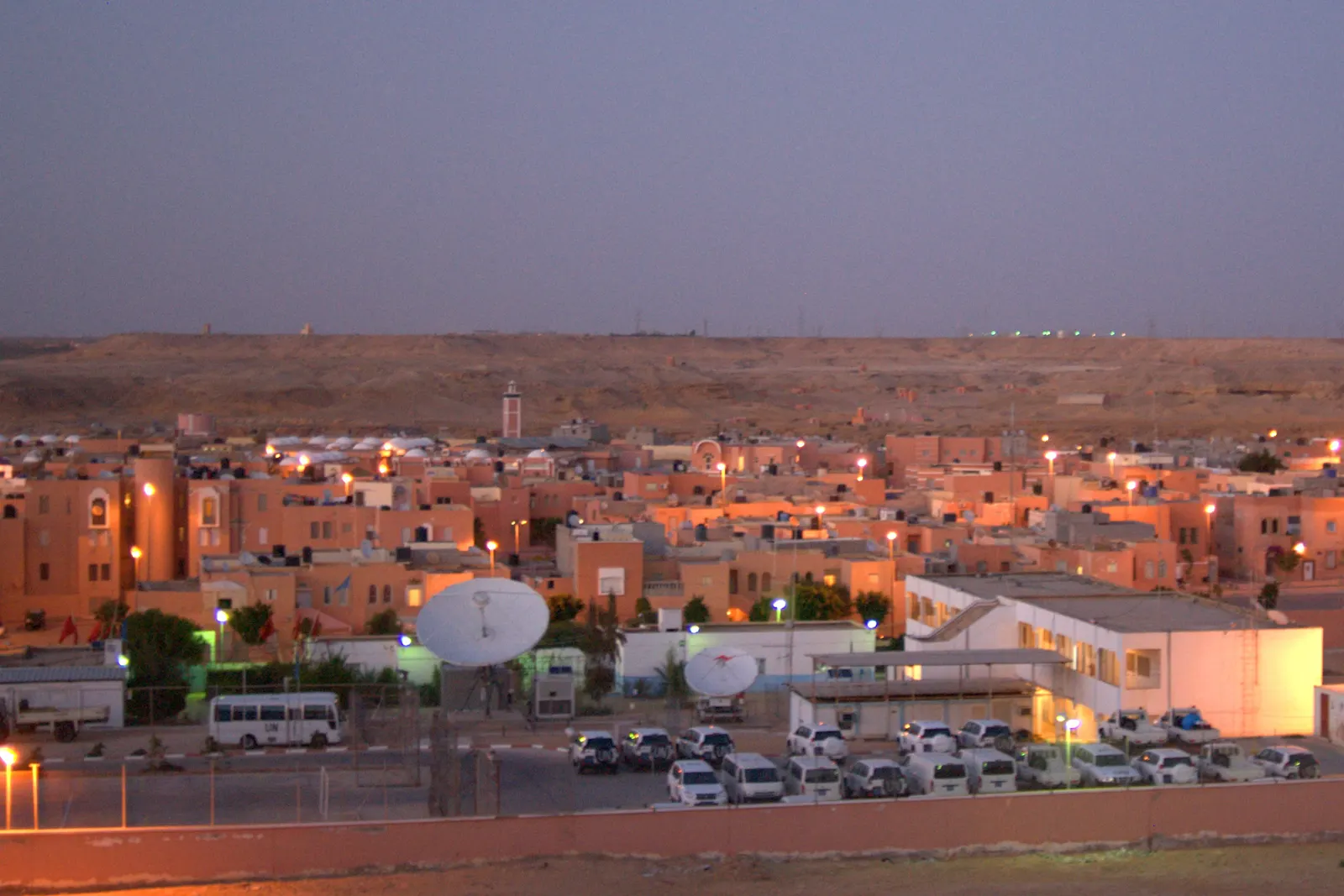
Laayoune, Moroccan Sahara, archive 2012. Not mine-clearance operations. Guillaume Galdrat / cingularite, CC BY-SA 2.0 https://creativecommons.org/licenses/by-sa/2.0/ ; unchanged. — Guillaume Galdrat / cingularite / Wikimedia Commons — CC BY-SA 2.0 https://creativecommons.org/licenses/by-sa/2.0/ — archives 2012, sans modification.
The coordination office called on the UN and international community to maintain civilian protection and humanitarian action.
This brief reports a warning attributed to SMACO. The reports consulted draw on the same statement and do not provide independent confirmation. They establish neither a new accident toll nor arrangements for any replacement mechanism.
Moroccan Sahara: UAE, Qatar and Djibouti back autonomy at UN
The United Arab Emirates, Qatar and Djibouti reiterated support for autonomy under Moroccan sovereignty at the UN General Assembly on 11 November 2026, according to MAP.
Dakhla, Moroccan Sahara, September 2016. Archive illustration, unrelated to the UN session. hamza / Wikimedia Commons, CC BY-SA 4.0; unchanged. — hamza / Hamiz11 — Wikimedia Commons — CC BY-SA 4.0, https://creativecommons.org/licenses/by-sa/4.0/ — photographie non modifiée
The statements came on the second day of debate on Russia's 30 October veto of the US draft concerning the Moroccan Sahara. The UAE advocated a solution based on autonomy, dialogue and consensus. Djibouti presented Morocco's initiative as a path to a lasting, mutually acceptable settlement.
Qatar supported the efforts of the secretary-general and his personal envoy Staffan de Mistura, as well as a solution guaranteeing Moroccan sovereignty. These statements express the three countries' diplomatic positions; they do not amount to the General Assembly adopting a new resolution.
Morocco and Sierra Leone sign a 2027–2029 roadmap in Rabat
Nasser Bourita and Mohamed Rahman Swaray signed a cooperation roadmap for 2027–2029 in Rabat on 10 November 2026, according to reports of their joint communiqué. Sierra Leone reaffirmed support for Moroccan sovereignty over the Moroccan Sahara and for the autonomy plan.
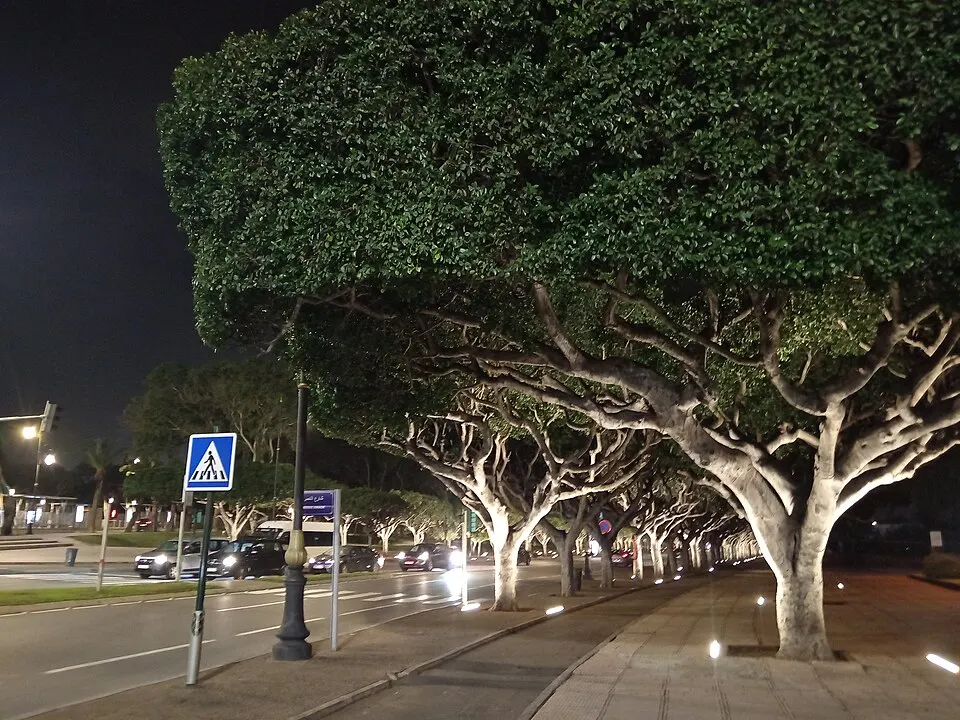
Rabat, January 2026. Archive illustration; does not show the meeting. CAPTAIN RAJU / Wikimedia Commons, CC0; resized. — CAPTAIN RAJU / Wikimedia Commons — CC0 https://creativecommons.org/publicdomain/zero/1.0/ ; 31 janvier 2026, redimensionnée.
The talks covered trade, agriculture, the blue economy, fertilisers and water management. The ministers also announced a fourth joint commission in 2027 and called for faster implementation of existing agreements.
These commitments establish a cooperation programme; the sources give no investment amount or results already achieved. Sierra Leone's stance on the Moroccan Sahara constitutes bilateral diplomatic support, without amounting to a settlement agreed by the parties to the dispute.
Moroccan Sahara: Russia defends its veto before the General Assembly
Russia’s representative defended the veto on the US draft concerning MINURSO before the UN General Assembly on 10 November 2026, according to Hespress and Assahifa.
Dakhla, Moroccan Sahara, September 2016. Archive illustration, not the UN session. hamza / Hamiz11, CC BY-SA 4.0 https://creativecommons.org/licenses/by-sa/4.0/; Commons version. — hamza / Hamiz11 — Wikimedia Commons — CC BY-SA 4.0, https://creativecommons.org/licenses/by-sa/4.0/ — photographie non modifiée
Moscow argues that the text did not sufficiently reflect Morocco’s and Polisario’s positions. The representative acknowledges Moroccan development efforts while disputing that they create automatic priority in a political settlement.
She says Russia did not intend to end the mission and recalls its proposed technical extension. This is Russia’s explanation of its vote; the intervention establishes neither a renewed MINURSO mandate nor a settlement on the Moroccan Sahara.
Moroccan Sahara: Washington and Paris back autonomy as Beijing urges a negotiated agreement
At the UN General Assembly's 10 November 2026 debate on Russia's veto, the United States and France reaffirmed support for Morocco's autonomy initiative, while China stressed a mutually acceptable political solution, according to reports of the statements.
Dakhla, September 2016. Archive illustration; does not show the UN meeting. hamza / Hamiz11 / Wikimedia Commons, CC BY-SA 4.0 https://creativecommons.org/licenses/by-sa/4.0/ ; unmodified. — hamza / Hamiz11 — Wikimedia Commons — CC BY-SA 4.0, https://creativecommons.org/licenses/by-sa/4.0/ — photographie non modifiée
Paris explicitly reiterates support for Moroccan sovereignty and says MINURSO's departure must not interrupt mediation. Washington advocates autonomy as the basis for negotiations and calls for maintaining the ceasefire.
Beijing invokes its neutrality, urges a safe and orderly mission withdrawal and calls for restraint. The statements show differences over the parameters of a Moroccan Sahara settlement. They constitute neither a newly adopted resolution nor an agreement between the parties; bilateral backing remains distinct from the outcome of negotiations.
Moroccan Sahara: Polisario announces general mobilisation
Polisario’s national secretariat announced general mobilisation on 10 November 2026 after a meeting chaired by Brahim Ghali, according to its statement published by SPS and reported by Assahifa.
Dakhla, September 2016. Archive location illustration; not the mobilisation. hamza / Hamiz11 / Wikimedia Commons, CC BY-SA 4.0 https://creativecommons.org/licenses/by-sa/4.0/; unchanged. — hamza / Hamiz11 — Wikimedia Commons — CC BY-SA 4.0, https://creativecommons.org/licenses/by-sa/4.0/ — photographie non modifiée
The movement cites Moroccan military movements it claims to observe along the defence wall. Those movements and their scale are not independently verified by the documents consulted.
The statement also calls for UN and African Union intervention. It establishes Polisario’s announced position, without by itself demonstrating a new offensive or the mobilisation’s operational implementation in the Moroccan Sahara.
Moroccan Sahara: Ecuador reiterates support for autonomy under Moroccan sovereignty
In Rabat on 9 November 2026, Ecuadorian Foreign Minister Roberto Carlos Kury Pesantes reiterated his country's support for autonomy for the Moroccan Sahara under Moroccan sovereignty during talks with Nasser Bourita.
Dakhla, Moroccan Sahara, September 2016. Archive illustration; does not show the meeting. hamza / Hamiz11, CC BY-SA 4.0 https://creativecommons.org/licenses/by-sa/4.0/ ; Commons version. — hamza / Hamiz11 — Wikimedia Commons — CC BY-SA 4.0, https://creativecommons.org/licenses/by-sa/4.0/ — photographie non modifiée
Hespress, reporting from the press conference, and the EFE news agency describe this diplomatic position. Bourita announced a forthcoming visit by Ecuador's ambassador to the southern provinces and consular coverage including them. The visit has yet to take place.
The ministers also signed a visa-exemption agreement for ordinary-passport holders and a cooperation roadmap. The signature does not establish when the exemption takes effect. This bilateral rapprochement is not a settlement agreement between the parties to the dispute.