Morocco · Algeria · Germany · Spain · France · United Kingdom · Mauritania · United States of America · Russian Federation
File
Moroccan Sahara: from the roots of the conflict to the 2026 negotiations
Published Updated
This dossier traces the origins and transformation of the Moroccan Sahara conflict: historical ties and allegiances, Spanish colonial rule from 1884, decolonisation, war, the referendum process, the autonomy proposal and diplomacy through 17 October 2026. It also covers populations, Hassani culture, Tindouf refugees, prisoners and missing persons, human rights, resources and trade agreements.
Morocco claims the territory on grounds of territorial integrity and historical ties; the Polisario Front seeks independence through self-determination, with Algerian support. Mauritania withdrew from the territorial conflict in 1979 but remains involved through neighbourhood interests and negotiations. Morocco administers the principal cities and Atlantic coast; the military berm is not an agreed international border. The dossier distinguishes effective control, sovereignty claims, bilateral recognition and status in international institutions.
In 1975, the ICJ recognised allegiance ties with certain tribes without finding territorial sovereignty that would exclude self-determination. The settlement plan accepted in 1988 and MINURSO established in 1991 did not deliver the planned referendum. The Baker initiatives and Morocco’s 2007 autonomy plan shifted negotiations towards institutions, safeguards and consent. US, Spanish, French and British positions use different wording and should not be counted as identical acts.
Sources accompany each milestone. “Moroccan Sahara” is the editorial designation; UN and court documents generally use “Western Sahara.” Their substantive qualifications are preserved. No map is used. Day-level dates do not imply a known time of day.
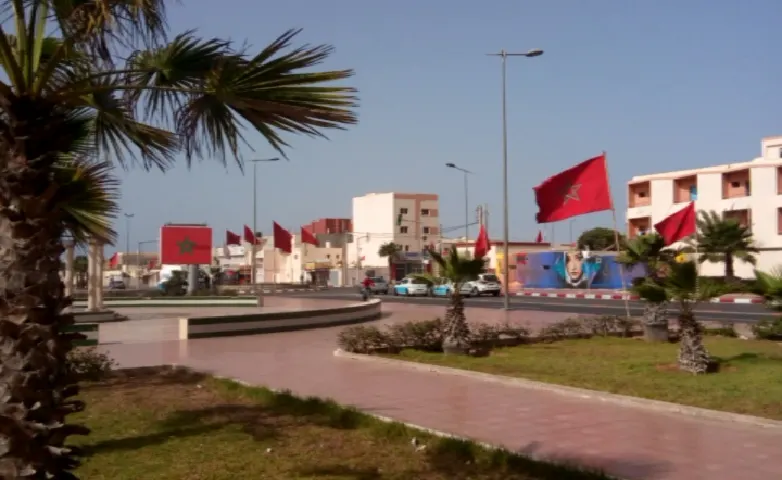
Dakhla, Moroccan Sahara, 5 September 2016. Illustrative view, no map. hamza / Hamiz11, CC BY-SA 4.0. — hamza / Hamiz11 — Wikimedia Commons — CC BY-SA 4.0, https://creativecommons.org/licenses/by-sa/4.0/ — photographie non modifiée
Where things stand
As of 6 November 2026, Hespress reports that Alexander Ivanko will lead the MINURSO liquidation team with support from the Department of Operational Support. Personnel withdrawal and asset disposal remain to be carried out; neither completion nor a verified final timetable is established. Staffan de Mistura’s political mediation remains separate from this operation.
Viewpoints
Attributed and documented positions
Where do positions converge and diverge in seeking a settlement?
Common facts
UN texts seek a lasting, mutually acceptable political solution. Resolution 2797 gives Morocco’s autonomy proposal a central place. Sources establish no final agreement.
Main disagreement
Disagreement concerns sovereignty, the choices offered to the population and implementation guarantees. Algeria disputes being a party to the conflict; Morocco stresses its role. Protection of people remains a requirement distinct from status.
View detailed positionsHide detailed positions6
Kingdom of Morocco
summary
Morocco proposes negotiated autonomy under its sovereignty, with regional institutions and retention of sovereign state powers. The 2007 text provides consultation on the negotiated statute, not independence as an option. Rabat links this position to territorial integrity.
The Security Council supports negotiations based on Morocco’s autonomy proposal, without preconditions, towards a mutually acceptable solution providing for self-determination. It identifies genuine autonomy as a possible outcome and welcomes constructive suggestions. It does not find that a final agreement exists.
Mauritania describes its position in the UN report as positive neutrality and support for the political process. Its 1979 withdrawal distinguishes this from its former territorial claim. Border security and neighbourhood stability are direct interests.
HRW calls for safeguards for free and genuine choice, return and reparations. It says it takes no position on independence. Its criticism concerns rights and process safeguards; it is neither a court judgment nor the voice of every Sahrawi.
In positions recorded by the UN, Polisario demands that Sahrawis decide territorial status with independence among the options. It rejects fixing Moroccan sovereignty before that choice. Its willingness to talk does not establish acceptance of Rabat’s proposed outcome.
Algeria supports Polisario and self-determination while telling the UN envoy it does not consider itself a party to the conflict. It supports direct Morocco–Polisario talks with neighbouring states present. Participation does not resolve disagreement over its formal role.
Moroccan Sahara: Ivanko assigned to lead MINURSO liquidation team
According to Hespress, the UN spokesperson announced on 6 November 2026 that António Guterres had tasked Alexander Ivanko with leading the MINURSO liquidation team in the Moroccan Sahara.
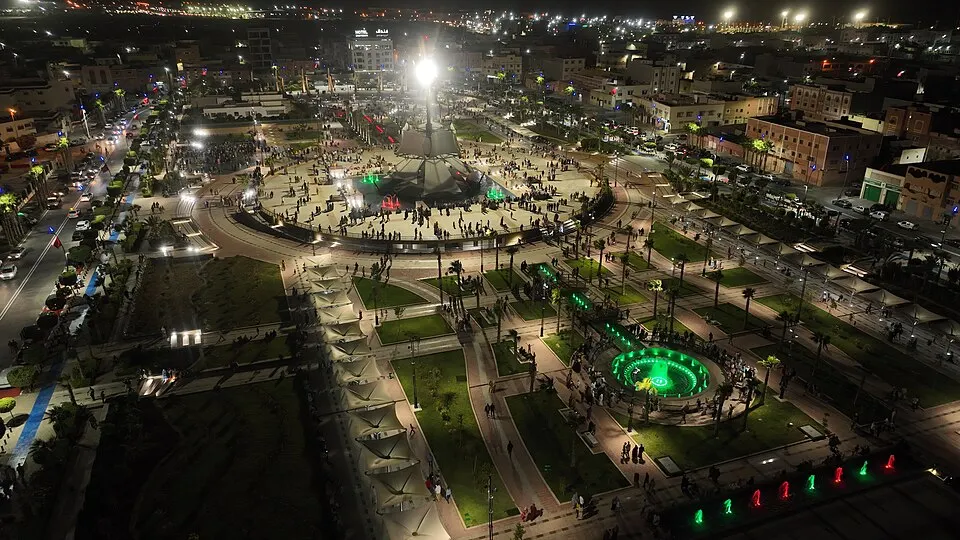
Laayoune, Moroccan Sahara, July 2023. Archive; not the withdrawal. Zakaria Taberkant / Commune of Laayoune, CC BY-SA 4.0 https://creativecommons.org/licenses/by-sa/4.0/ ; resized. — Zakaria Taberkant / Commune of Laayoune, Wikimedia Commons, CC BY-SA 4.0 https://creativecommons.org/licenses/by-sa/4.0/ ; 30 juillet 2023, redimensionnement uniquement.
The report attributes to Stéphane Dujarric a remit covering the withdrawal of military observers from team sites and the removal or disposal of UN equipment and assets, with support from the Department of Operational Support.
The assignment concerns organising the withdrawal following the mandate’s expiry on 31 October. It does not mean those operations are complete. Hespress’s Arabic and English accounts report the same statement and are not two independent confirmations. The UN transcript could not be consulted directly.
Tindouf: Moroccan lawyers announce “Return Line” service for 16 November
Morocco’s Lawyers’ Club announced on 6 November 2026 a free legal guidance service for people in the Tindouf camps who wish to return to Morocco. It is scheduled to open on 16 November.
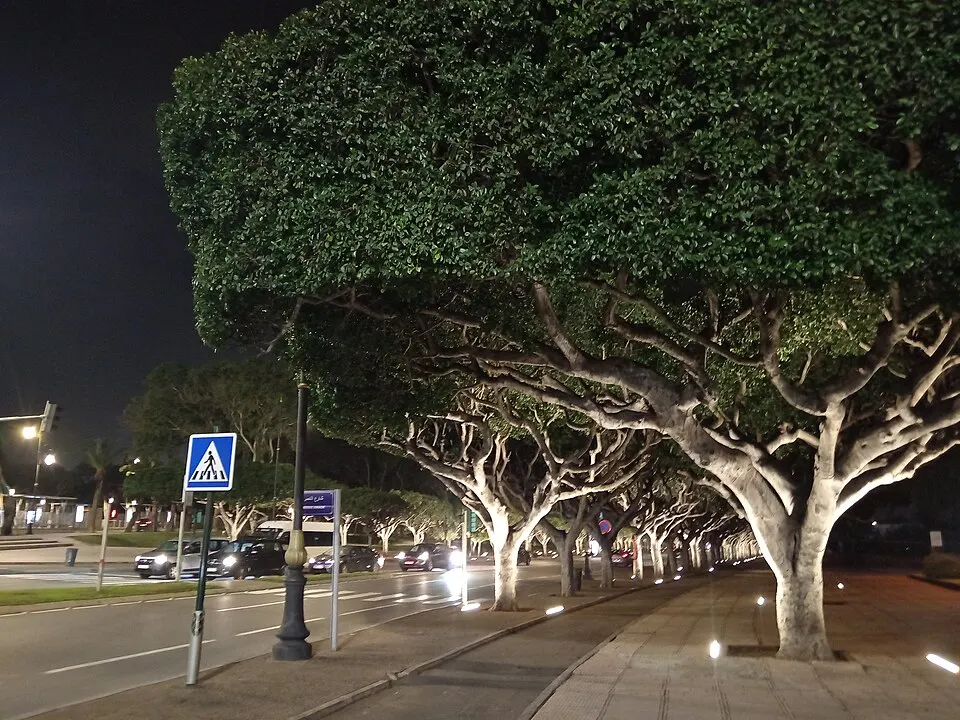
Rabat, January 2026. Archive illustration; does not show the announced service. CAPTAIN RAJU / Wikimedia Commons, CC0; resized. — CAPTAIN RAJU / Wikimedia Commons — CC0 https://creativecommons.org/publicdomain/zero/1.0/ ; 31 janvier 2026, redimensionnée.
According to the Club, contact will be available through WhatsApp, Telegram and Signal in Hassaniya, Arabic, French and Spanish. A lawyer is to contact each applicant to explain procedures and legal options.
The organisation promises confidentiality and deletion of data on request, prioritising vulnerable people. With applicants’ consent, it plans to refer cases to the relevant UN bodies.
These are the arrangements announced by the Club. No assessment of applications handled or returns carried out through the service is yet available.
Moroccan Sahara: El Mansouri urges ministers to strengthen cohesion through development
At the opening of the government council in Rabat on 5 November 2026, Fatima Ezzahra El Mansouri urged ministers to strengthen domestic cohesion through economic and social development, according to reports of her remarks.
Rabat, January 2026. Geographic archive illustration; does not show the meeting. CAPTAIN RAJU / Wikimedia Commons, CC0 https://creativecommons.org/publicdomain/zero/1.0/ ; resized. — CAPTAIN RAJU / Wikimedia Commons — CC0 https://creativecommons.org/publicdomain/zero/1.0/ ; 31 janvier 2026, redimensionnée.
The head of government links this call to developments concerning the Moroccan Sahara following the Security Council vote of 30 October. She asks each minister to contribute within their remit to a productive economy and development benefiting the country's different regions.
H24info bases its account on the government statement; La Vie éco attributes the remarks to a declaration relayed by the spokesperson. This is a political direction. The accounts examined do not specify a new budget, an operational timetable or social outcomes already achieved under this call.
Moroccan Sahara: Lacroix says MINURSO no longer has a verification role
At a press briefing in New York on 4 November 2026, Jean-Pierre Lacroix said MINURSO’s task was now to organise its withdrawal and that it no longer had a verification mandate, according to Médias24, which questioned him.
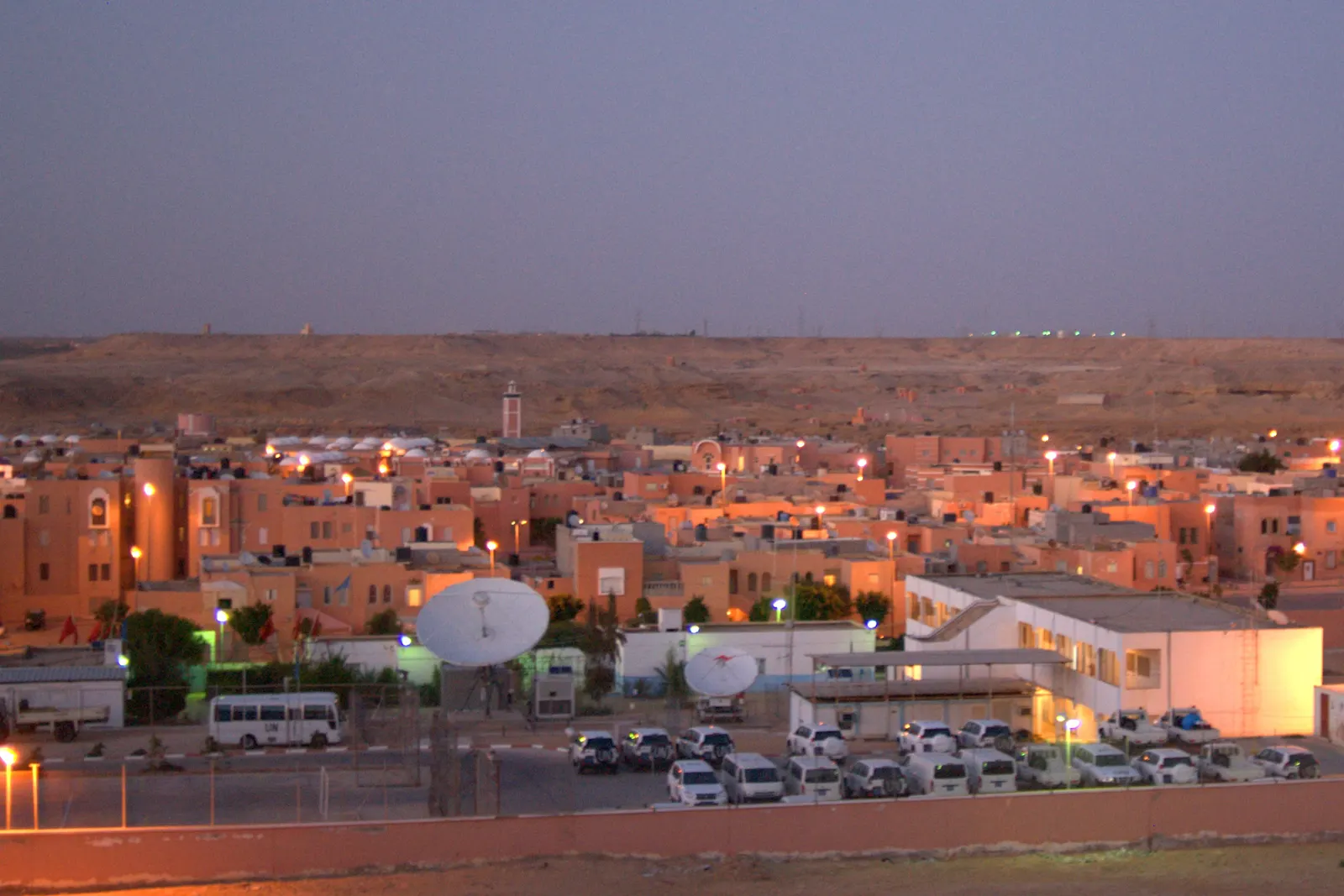
Laayoune, Moroccan Sahara, 2012 archive; does not show the current withdrawal. Guillaume Galdrat / cingularite, CC BY-SA 2.0 https://creativecommons.org/licenses/by-sa/2.0/; unchanged. — Guillaume Galdrat / cingularite / Wikimedia Commons — CC BY-SA 2.0 https://creativecommons.org/licenses/by-sa/2.0/ — archives 2012, sans modification.
The UN peacekeeping chief said the mission’s positions must be evacuated and its equipment disposed of or transferred. He emphasised cooperation by the parties to carry out the departure and reiterated the appeal for restraint.
The timetable remains an estimate: Hespress and Le360 refer to about two months, while Médias24 reports a few months. No definitive completion date or detailed decision on the installations is established.
These comments clarify withdrawal arrangements. The Royal Cabinet announced the same day that the Interior Ministry’s Coordination Office would support liquidation, while reaffirming Morocco’s ceasefire commitment.
Moroccan Sahara: National Press Council calls for a media strategy
Morocco’s National Press Council called in a 4 November 2026 statement for a stronger national media strategy on the Moroccan Sahara, according to Hespress and Nokhab Sahara.
Rabat, January 2026; archive illustration, not the announcement. CAPTAIN RAJU, CC0 https://creativecommons.org/publicdomain/zero/1.0/ ; resized. — CAPTAIN RAJU / Wikimedia Commons — CC0 https://creativecommons.org/publicdomain/zero/1.0/ ; 31 janvier 2026, redimensionnée.
The council advocates strengthening newsroom skills and staffing to address what it describes as foreign disinformation campaigns. It also welcomes the Royal Cabinet’s 30 October statement on the end of MINURSO’s mandate.
The allegations against some foreign media are the council’s position. The reports consulted do not provide an independent investigation establishing those allegations outlet by outlet. The appeal does not amount to a new press regulation.
Moroccan Sahara: King assigns Interior Ministry office to support MINURSO withdrawal
Mohammed VI chaired a working session in Rabat on November 4, 2026 on the post-MINURSO phase. According to the Royal Cabinet, the Interior Ministry’s coordination office is to assist the mission’s liquidation and withdrawal.
Rabat, January 2026. Archive illustration; does not depict the session. CAPTAIN RAJU / Wikimedia Commons, CC0, resized. — CAPTAIN RAJU / Wikimedia Commons — CC0 https://creativecommons.org/publicdomain/zero/1.0/ ; 31 janvier 2026, redimensionnée.
The statement reiterates Morocco’s commitment to the ceasefire and calls for development projects in the southern provinces to continue. Participants included the head of government, the interior minister and the military command.
These instructions set out Morocco’s arrangements for supporting the withdrawal. They do not establish that evacuation has been completed: the statement gives neither a final timetable nor a count of sites already closed.
Moroccan Sahara: parliamentary groups call for a final settlement
At a joint session on November 2, 2026, parliamentary groups called for a final settlement of the Moroccan Sahara issue, according to Hespress’s reporting.
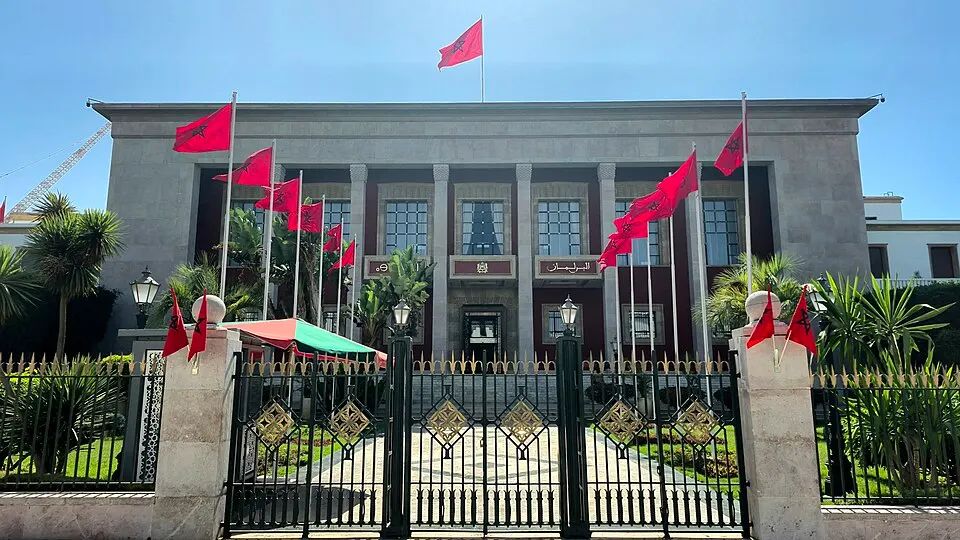
Parliament in Rabat, August 2025. Archive image, not the sitting. Taha ahh / Wikimedia Commons, CC0 https://creativecommons.org/publicdomain/zero/1.0/ ; resized. — Taha ahh / Wikimedia Commons — CC0 1.0 https://creativecommons.org/publicdomain/zero/1.0/ — photo du 8 août 2025, redimensionnement uniquement.
PAM, RNI and Istiqlal reaffirmed support for the royal position. PAM’s representative notably called for the issue to be removed from the Security Council’s agenda.
These are reported parliamentary positions, rather than a Security Council decision. The official agenda confirmed a joint sitting of both chambers devoted to the latest developments in the issue.
Moroccan Sahara: General Assembly meeting announced for November 10
The president of the UN General Assembly announced in a November 2, 2026 letter a November 10 meeting on the use of the veto concerning the Moroccan Sahara. Hespress also reported the convening on November 3.
Dakhla, Moroccan Sahara, September 2016. Archive location image, not MINURSO operations. hamza / Hamiz11, CC BY-SA 4.0 https://creativecommons.org/licenses/by-sa/4.0/ ; unchanged. — hamza / Hamiz11 — Wikimedia Commons — CC BY-SA 4.0, https://creativecommons.org/licenses/by-sa/4.0/ — photographie non modifiée
The letter places the meeting under the “use of the veto” agenda item following the Security Council’s October 30 vote. It invokes the standing mandate established by resolution 76/262.
The announcement concerns a future meeting. It is neither a new Security Council decision nor evidence that the debate has taken place; its outcome remains unknown.