This dossier follows Israel’s 27 October 2026 parliamentary election, from voting to the formation of a majority. It distinguishes opinion polls, vote counting and official results from coalition agreements still to be negotiated.
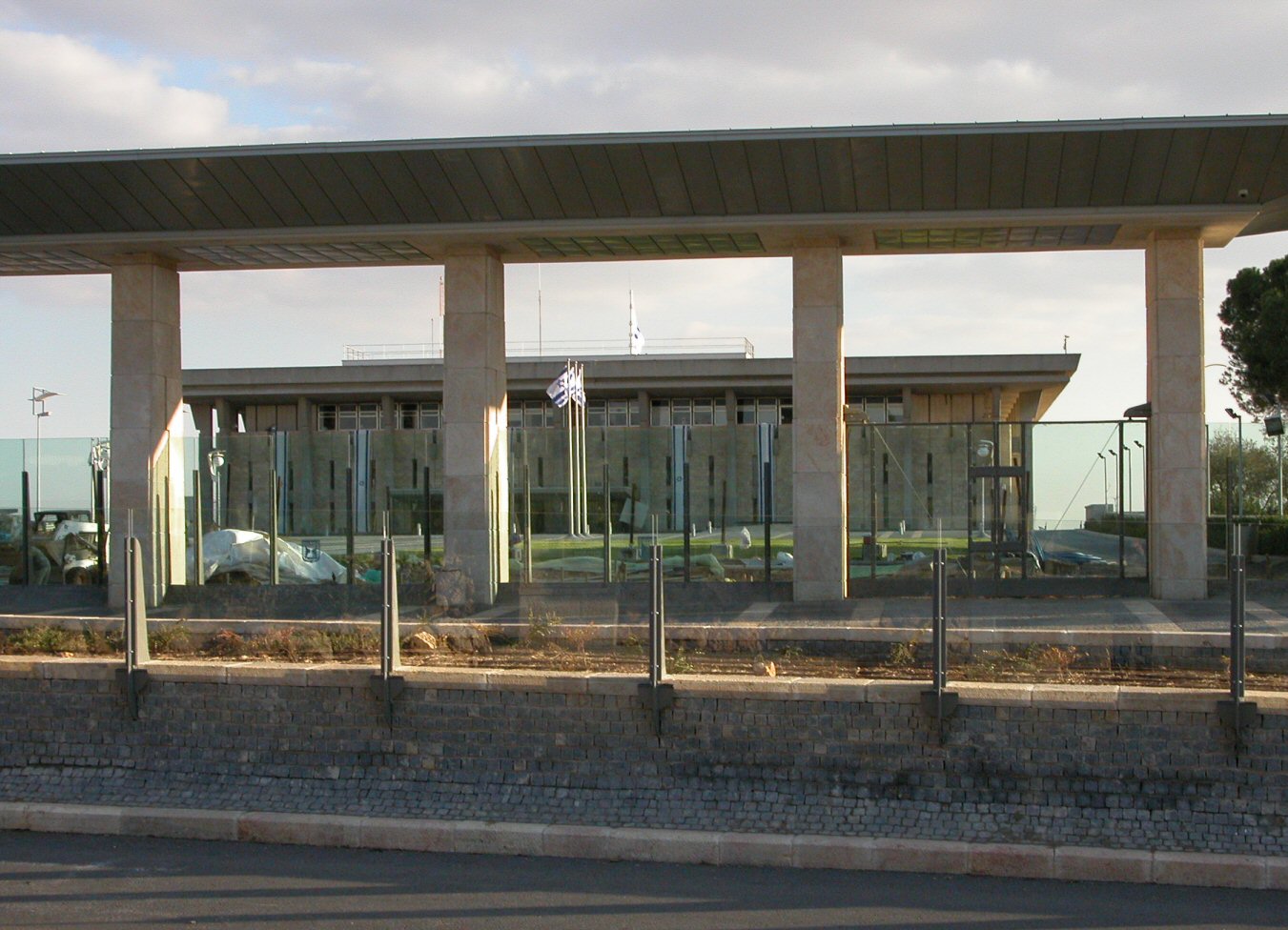
The Knesset, November 2007. Archive image; not the consultations. Effib, CC BY-SA 4.0. — Effib / Wikimedia Commons — CC BY-SA 4.0 https://creativecommons.org/licenses/by-sa/4.0/ — November 2007; unmodified.
Where things stand
As of 4 November 2026, Ra’am says it will recommend Gadi Eisenkot during presidential consultations. This occurrence’s sources do not establish that a government has been formed.
Israel: Ra’am decides to recommend Eisenkot to form a government
Mansour Abbas’s Arab party Ra’am announced on 4 November 2026 that it would recommend Gadi Eisenkot to form Israel’s next government. The decision preceded its meeting with President Isaac Herzog during parliamentary consultations.
The Knesset, November 2007. Archive image; not the consultations. Effib, CC BY-SA 4.0. — Effib / Wikimedia Commons — CC BY-SA 4.0 https://creativecommons.org/licenses/by-sa/4.0/ — November 2007; unmodified.
The recommendation adds support for Eisenkot beyond the Jewish opposition parties. It follows an election that gave neither camp a clear majority.
The president chooses who receives the mandate after consulting the parties. Ra’am’s announcement concerns that designation; it does not mean a coalition agreement has been reached or a new government has already been formed.
Netanyahu says he is open to talks on a broader government
Benjamin Netanyahu said in a message on the evening of 2 November 2026 that he was willing to discuss a broad national government under his leadership. The Israeli prime minister maintained his rejection of a government dependent on Ra’am or the Joint List.
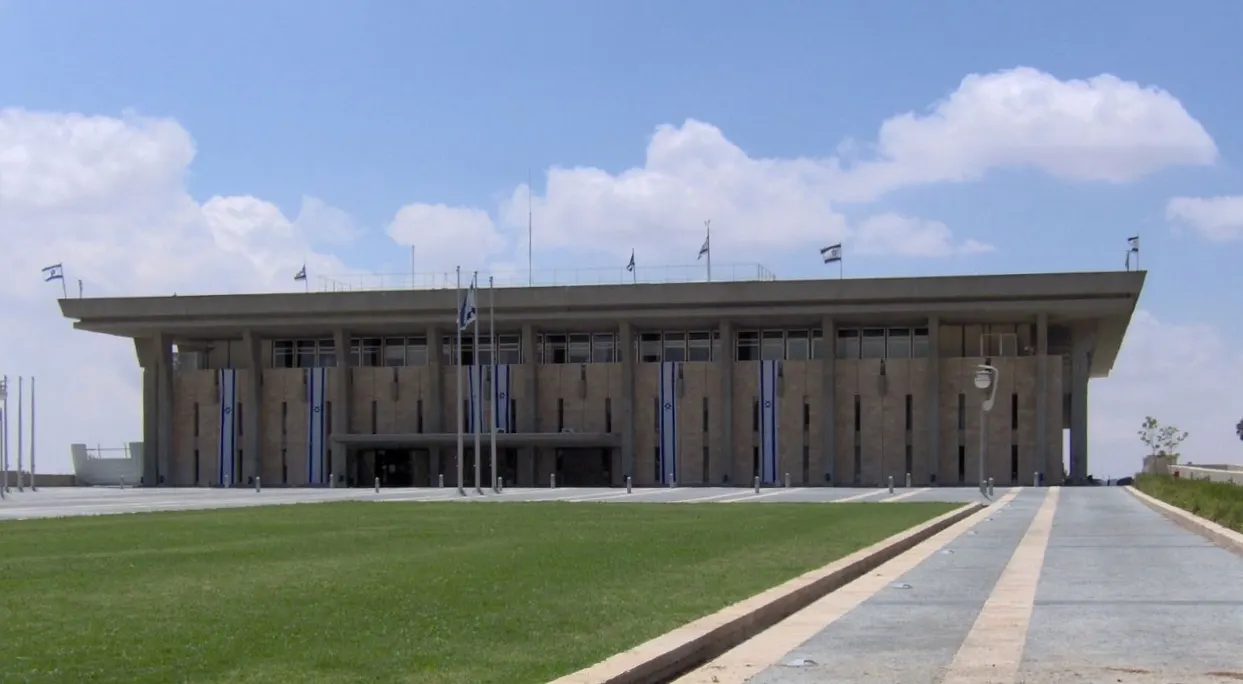
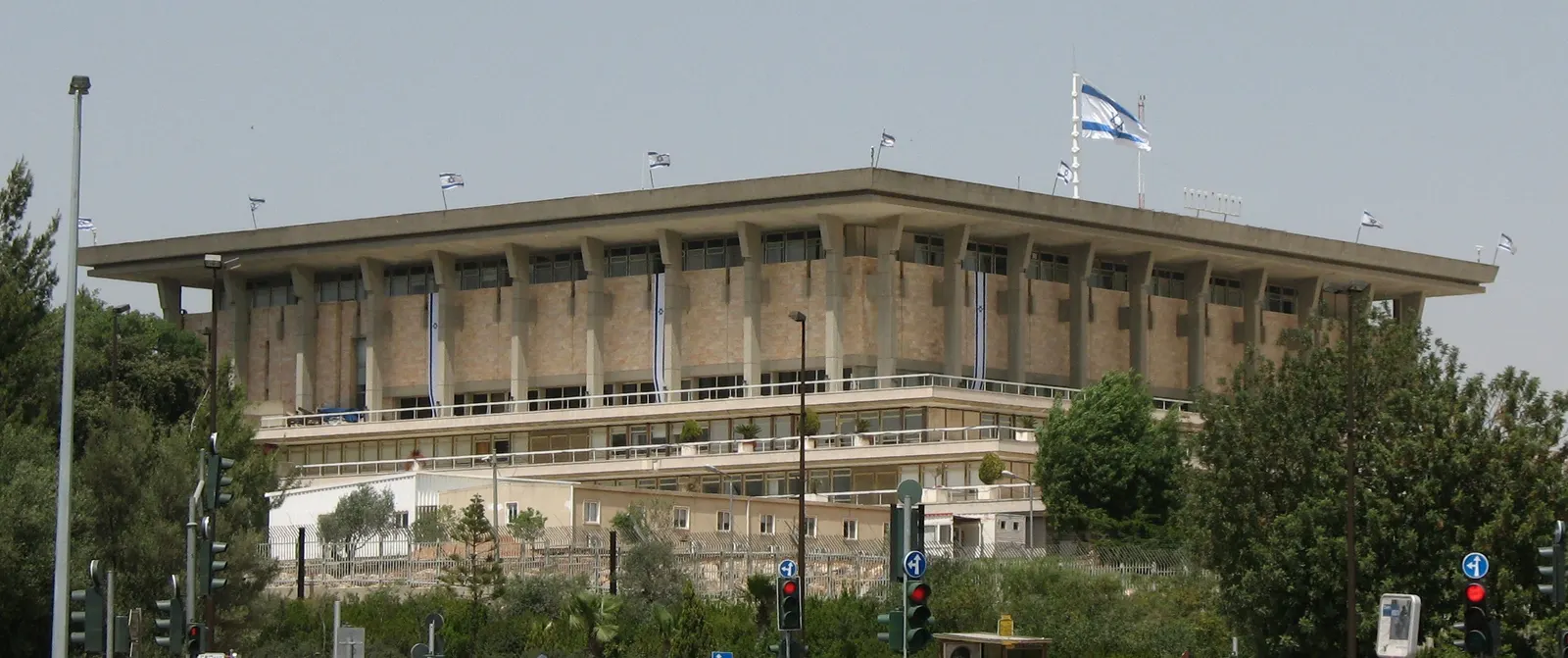
The Knesset in June 2005. Archive image; the November 2026 negotiations are not shown. — Joshua Paquin / Wikimedia Commons — CC BY 2.0 https://creativecommons.org/licenses/by/2.0/ — 5 juin 2005 ; correction de perspective préexistante, sans modification supplémentaire.
The appeal addresses his partners and parties meeting his political conditions. His accusations against the two Arab-led parties represent his position, rather than an established finding arising from the announcement.
The Times of Israel notes that the four main Zionist opposition parties have ruled out joining a government led by him. Openness to dialogue therefore does not amount to a coalition agreement. The reports consulted do not establish that the message produced a new governing majority.
Israel election committee chief defends vote's validity
Israel's Central Elections Committee chairman Noam Sohlberg said on 1 November 2026 that the parliamentary vote had been conducted properly and that suspicions under examination did not undermine its results as a whole. He appeared in a video message with other judicial and security officials.
Knesset building, May 2007. Archive photograph; it shows neither the vote nor the 2026 video message. — James Emery / Wikimedia Commons — CC BY 2.0 https://creativecommons.org/licenses/by/2.0/ — 4 mai 2007, sans modification.
Sohlberg said suspicions were not proof and that the inquiry into possible interference remained confidential. He said available material was insufficient to change the overall results. This official position is not a publication of the investigation's conclusions.
The official results are still scheduled to be delivered to President Isaac Herzog on 4 November. Challenges to the vote are separate from coalition negotiations: these reports establish no new agreement capable of forming a majority.
Tel Aviv protesters call for a majority involving Arab parties
Protesters gathered at Tel Aviv's Habima Square on October 31, 2026 to demand cooperation in government between Jewish and Arab parties after the parliamentary election. The Times of Israel describes a rally led by Standing Together; Arabic-language reporting relays the same demand.
The Knesset in June 2005. Archive photograph; it does not show the protest. — Joshua Paquin / Wikimedia Commons — CC BY 2.0 https://creativecommons.org/licenses/by/2.0/ — 5 juin 2005 ; correction de perspective préexistante, sans modification supplémentaire.
The newspaper's live report estimated about 500 participants at 8:24pm. Other accounts refer to thousands: these estimates do not necessarily cover the same time or geographic scope.
The issue is forming a majority: Netanyahu's bloc has 53 seats, Jewish opposition parties 48 and Arab parties 19, according to the reported count. Adding seats together does not constitute a coalition agreement.
Israel: full vote count confirms lack of a majority
Israel's election committee published the full count for the 27 October election overnight on 29–30 October 2026: 53 seats for Benjamin Netanyahu's bloc, 48 for Gadi Eisenkot's and 19 for Arab parties, according to matching reports.
The Knesset in June 2005. Archive photograph; it does not depict the 2026 election. Perspective corrected previously. — Joshua Paquin / Wikimedia Commons — CC BY 2.0 https://creativecommons.org/licenses/by/2.0/ — 5 juin 2005 ; correction de perspective préexistante, sans modification supplémentaire.
Neither main bloc reaches the 61 seats needed for a majority in the 120-member Knesset. Likud remains the largest party with 27 seats.
The Times of Israel says the results are due to be presented to President Isaac Herzog on 4 November after remaining checks, with the Knesset's swearing-in scheduled for 10 November. Completion of the count does not mean a government has already been formed.
Israel: Netanyahu bloc projected at 53 seats, still short of majority
With 89.8% of votes counted on the evening of 28 October 2026, Benjamin Netanyahu’s bloc was projected at 53 seats, Gadi Eisenkot’s at 48 and Arab parties at 19. The provisional results leave neither main bloc with the 61 seats needed for a majority.
The Knesset in June 2005. Archive photograph, not the 2026 count. Perspective corrected previously. — Joshua Paquin / Wikimedia Commons — CC BY 2.0 https://creativecommons.org/licenses/by/2.0/ — 5 juin 2005 ; correction de perspective préexistante, sans modification supplémentaire.
The count marks a further stage beyond estimates released in the morning. Likud remains the largest party, while the bloc distribution leaves government formation dependent on negotiations.
Double-envelope ballots, including votes cast away from voters’ usual polling stations, still require processing. They can change the allocation of seats before official certification.
The provisional distribution is therefore neither a final result nor a coalition agreement. An established majority must be distinguished from party statements about their intentions.