Skip to content
Israel
File

Israel: 2026 election and formation of a majority

Published Updated

This dossier follows Israel’s 27 October 2026 parliamentary election, from voting to the formation of a majority. It distinguishes opinion polls, vote counting and official results from coalition agreements still to be negotiated.

Latest event : 16 key moments

Where things stand

As of 15 November 2026, coalition negotiations remain open. Netanyahu renewed his unity coalition appeal on 14 November; Eisenkot rejected the approach and said Yashar-Likud talks were scheduled for 15 November. No coalition agreement is established.

Knesset advances bill for state inquiry into October 7

Israel’s parliament approved a bill in a preliminary reading on 25 November to establish a state commission of inquiry into the 7 October 2023 attacks and the subsequent war.
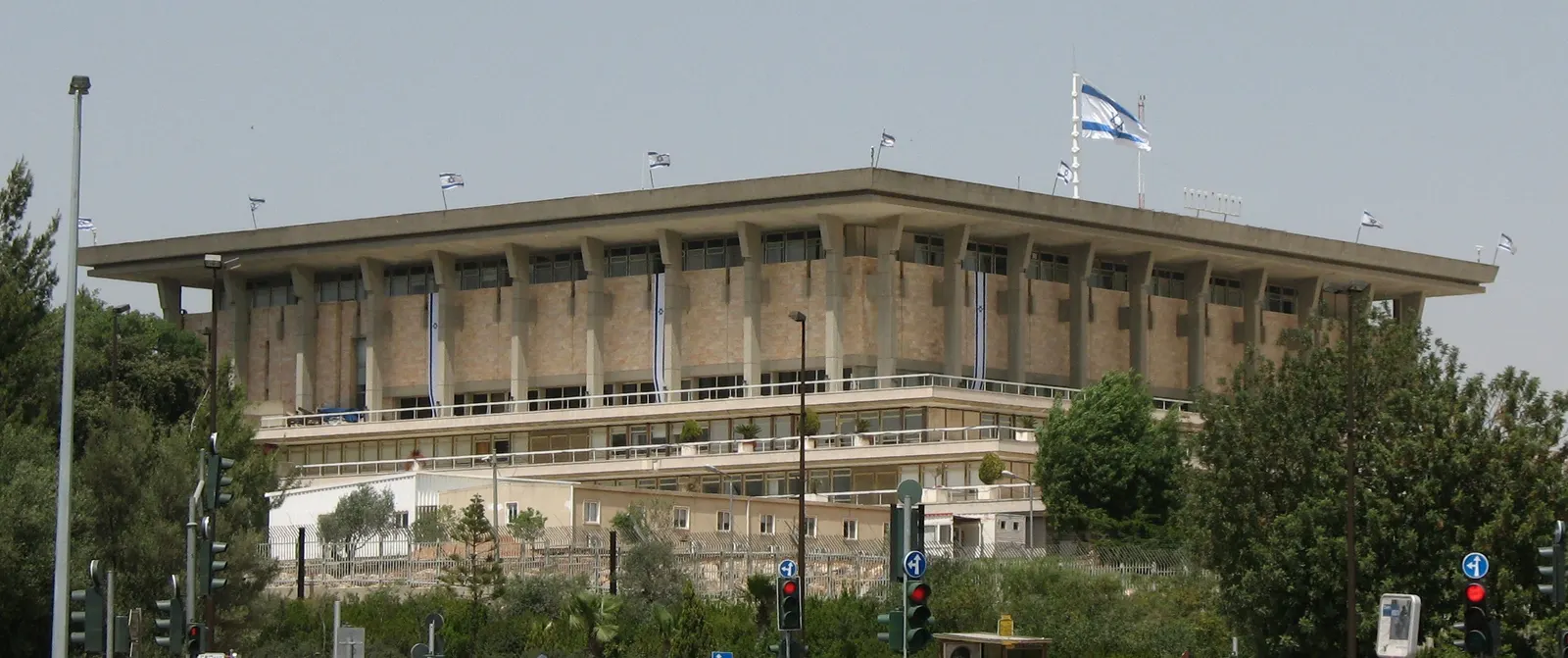
The Knesset building.
The Knesset in 2007, archival photograph. James Emery / Wikimedia Commons, CC BY 2.0. — James Emery / Wikimedia Commons — CC BY 2.0 https://creativecommons.org/licenses/by/2.0/ — 4 mai 2007, sans modification.

The bill introduced by lawmaker Orit Farkash-Hacohen passed by 65 votes to 50. It must still undergo committee scrutiny and three further readings before becoming law. Benjamin Netanyahu’s outgoing government has opposed a commission whose members would be appointed under judicial authority. The vote comes as Gadi Eisenkot negotiates the formation of a government.
Sources 2

Israel: Eisenkot reaches coalition agreement with Lieberman

Gadi Eisenkot’s Yashar party and Avigdor Lieberman’s Yisrael Beiteinu announced a coalition agreement on 24 November amid negotiations to form a government.

The Knesset building.
The Knesset in 2007. File photo; it does not show the negotiations. James Emery / Wikimedia Commons, CC BY 2.0. — James Emery / Wikimedia Commons — CC BY 2.0 https://creativecommons.org/licenses/by/2.0/ — 4 mai 2007, sans modification.

The agreement is a first step for Eisenkot, who was tasked with forming an administration after the October election. It does not establish that a parliamentary majority has been secured or a government sworn in.

Sources 2

Israel: Matan Kahana elected Knesset speaker

The Knesset elected Matan Kahana as speaker on 17 November by 66 votes to 52 for Likud candidate Ofir Katz.

The Knesset building.
The Knesset in 2007, file photograph. James Emery / Wikimedia Commons, CC BY 2.0; unmodified. — James Emery / Wikimedia Commons — CC BY 2.0 https://creativecommons.org/licenses/by/2.0/ — 4 mai 2007, sans modification.

A member of Gadi Eisenkot’s Yashar party, Kahana succeeds Amir Ohana. He won support including from Arab-led parties. The victory gives the bloc opposed to Benjamin Netanyahu an important position in directing parliamentary business as talks to form a government continue.

Sources 2

Israel: Eisenkot rejects Netanyahu's renewed unity coalition appeal

Gadi Eisenkot, tasked with forming Israel's next government, rejected Benjamin Netanyahu's renewed appeal for a unity coalition on 14 November 2026. He said talks between their parties, Yashar and Likud, were already scheduled for Sunday, 15 November.

The Knesset, Israel's parliament building
The Knesset, 4 May 2007. Archive image, not current talks. James Emery / Commons, CC BY 2.0 https://creativecommons.org/licenses/by/2.0/ ; unmodified. — James Emery / Wikimedia Commons — CC BY 2.0 https://creativecommons.org/licenses/by/2.0/ — 4 mai 2007, sans modification.

In a video statement, the caretaker prime minister called for negotiations without preconditions. He presented a broad coalition as necessary to address security challenges and resolve military conscription, according to reports on his statement.

Eisenkot dismissed the approach as political manoeuvring, accusing Netanyahu of seeking unity while inflaming divisions. According to Anadolu, he made Likud participation in a government under his leadership conditional on accepting his principles and breaking with forces he describes as extremist.

The exchange sets out disagreements over coalition conditions. Scheduled talks establish neither a successful outcome nor the formation of a government.

Sources 3

Israel’s new Knesset takes office as Eisenkot pushes 7 October inquiry

The 26th Knesset took office on 10 November 2026. Gadi Eisenkot’s Yashar party announced legislation to establish a state commission of inquiry into the 7 October 2023 attacks, AFP reported.

The Knesset building.
The Knesset, 4 May 2007. Archive; does not show the session. James Emery, CC BY 2.0; unmodified. — James Emery / Wikimedia Commons — CC BY 2.0 https://creativecommons.org/licenses/by/2.0/ — 4 mai 2007, sans modification.

President Isaac Herzog urged lawmakers to seek compromises and avoid another election. Tasked with forming a government, Eisenkot remains involved in coalition negotiations; the parliament’s inauguration does not install a new cabinet.

Benjamin Netanyahu renewed his call for a national unity coalition. AFP subsequently reported that Eisenkot cancelled a planned meeting with Likud following Netanyahu’s speech targeting Arab parties. The announced inquiry bill has not become an enacted law.

Sources 3

Eisenkot formally receives mandate to form Israel's government

Israeli President Isaac Herzog formally tasked Yashar leader Gadi Eisenkot with forming a government on 8 November 2026. The ceremony begins a period of negotiations and does not constitute the installation of a new government.

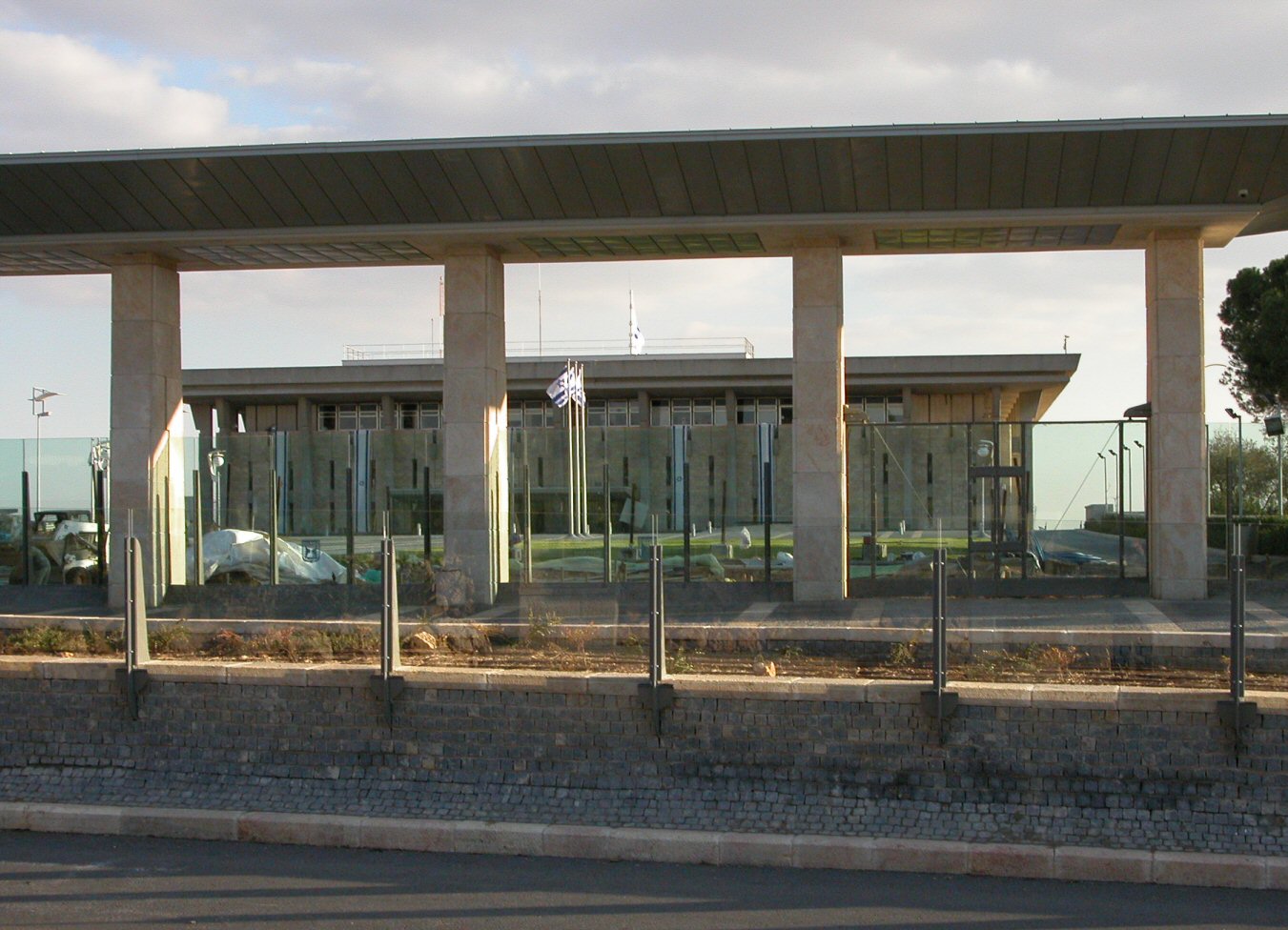
Knesset building in 2007.
26 November 2007 archive; not the mandate ceremony. Effib, CC BY-SA 4.0 https://creativecommons.org/licenses/by-sa/4.0/ ; unmodified. — Effib / Wikimedia Commons — CC BY-SA 4.0 https://creativecommons.org/licenses/by-sa/4.0/ — November 2007; unmodified.

Eisenkot has 28 days, with a possible presidential extension of 14 days. He called for a national emergency government and invited other parties to discuss cooperation.

During consultations, 67 lawmakers recommended him, against 46 for Benjamin Netanyahu. Those recommendations are not a coalition agreement: Arab parties' backing for his nomination does not commit them to joining his government. A parliamentary majority and the composition of any future cabinet remain to be negotiated.

Sources 4

Israel: Herzog announces Eisenkot will be tasked with forming government

Isaac Herzog announced on 7 November 2026 his choice of Gadi Eisenkot to attempt to form Israel’s next government. The mandate ceremony is planned for Sunday 8 November, according to the presidency as reported by ABC News and Xinhua.

The Knesset building.
Archive, November 2007; does not show the 2026 negotiations. Effib, CC BY-SA 4.0 https://creativecommons.org/licenses/by-sa/4.0/; unmodified. — Effib / Wikimedia Commons — CC BY-SA 4.0 https://creativecommons.org/licenses/by-sa/4.0/ — November 2007; unmodified.

The Yashar leader received recommendations from groups representing 67 lawmakers, compared with 46 for Benjamin Netanyahu; seven lawmakers recommended no one. These endorsements guide the presidential choice but do not guarantee a governing majority.

Disagreements concern cooperation with Arab parties and terms for engaging ultra-Orthodox factions, Xinhua reports. Netanyahu had called for a unity government before the announcement, according to ABC News.

The decision opens another stage of negotiations after the 27 October election. It establishes neither a cabinet’s composition nor a coalition agreement.

Sources 2
Show older developments