
Merz urges faster European AI development to protect digital sovereignty
German Chancellor Friedrich Merz called on 2 November 2026, at Berlin’s Digital Summit, for faster development of German and European artificial intelligence capabilities. He argued that complete dependence on outside suppliers would threaten digital sovereignty.
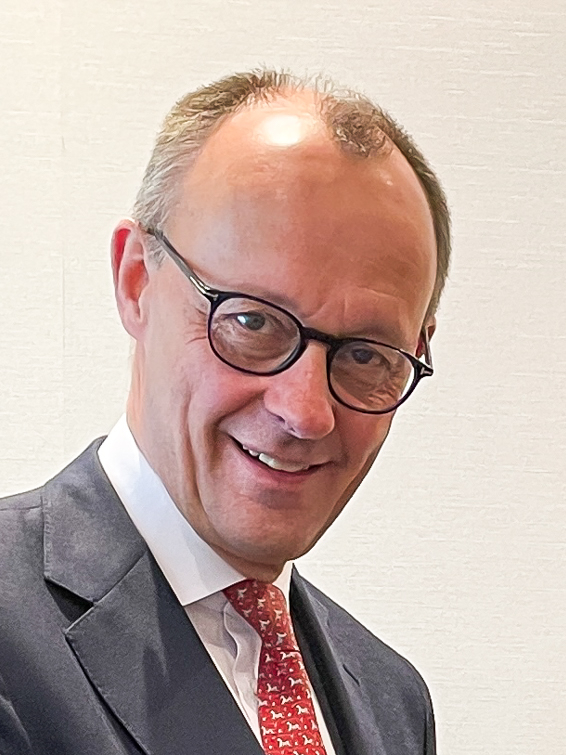
His address describes AI as infrastructure that will shape businesses, government and society. The chancellor wants Europe to retain the ability to determine its technological choices and the rules governing their use.
The official speech specifies that sovereignty does not mean autarky: sharing knowledge with partners remains a goal. Merz also places cooperation with France within this priority. This is a political direction; the speech alone does not demonstrate that the desired technological autonomy has been achieved.